PhD candidate
@IMASUTAS looking at fine-scale behaviour of elasmobranchs using #biologgers. Passionate about sharks, rays, telemetry, movement & habitat use
If you're still using raw R outputs for presentations, it's time for an upgrade! Tools like gtsummary bring your statistical results to life, making them much more digestible for non-technical audiences.
While base R functions like summary(fit) work well for statisticians, they can be too complex for stakeholders who aren’t familiar with the detailed output. The tbl_regression() function from gtsummary makes it easy to present regression results clearly.
In addition, gtsummary is highly versatile - it’s not just limited to linear regression. You can apply it to generalized linear models, survival analyses, and more. The package even allows you to include p-values, confidence intervals, and other important statistics directly within the tables, helping you to better communicate statistical results.
Here are a few standout benefits:
✅ Simplified output that’s easier for stakeholders to understand
✅ Works seamlessly with a variety of models
✅ Customizable tables with key statistics like p-values, confidence intervals, and more
The visualization included here was originally shared in a recent post by Dr. Alexander Krannich.
#rstats #gtsummary #statistics #datascience
Did you know that a quarter of Tasmania’s population enjoys recreational fishing? 🎣🎣
IMAS researchers found 130,500 Tasmanians enjoyed recreational fishing over a year period, catching Sand Flathead the most.
🐠Read more: https://t.co/hVLc1l8pM7
📸IMAS and Rick Stewart-Smith
🔥🌊A new JCU study has revealed mangrove habitats may serve as temporary sanctuaries for stingrays, but scientists fear the ‘saunas’ could become too hot to handle with climate change accelerating. @physiologyfish @Bouyoucos
📸by @SharkColin
A review of elasmobranch breaching behavior: why do sharks and rays propel themselves out of the water into the air? Spoiler alert…it’s not all about white sharks and seals! #sharkscience @Mojoshark @MantaTrust #PeteKlimely#EmmettJohnston https://t.co/aQN0KiksRC
First insights into the vertical habitat use of young porbeagles in the north-western Atlantic with implications for bycatch reduction strategies https://t.co/VVEsttLFmb
🐟Fish telemetry practitioners worldwide, please save the date for the 2025 International Conference on Fish Telemetry to be held in Traverse City Michigan, USA on June 8-13. A website and more details is forthcoming! Please retweet and share with your network.
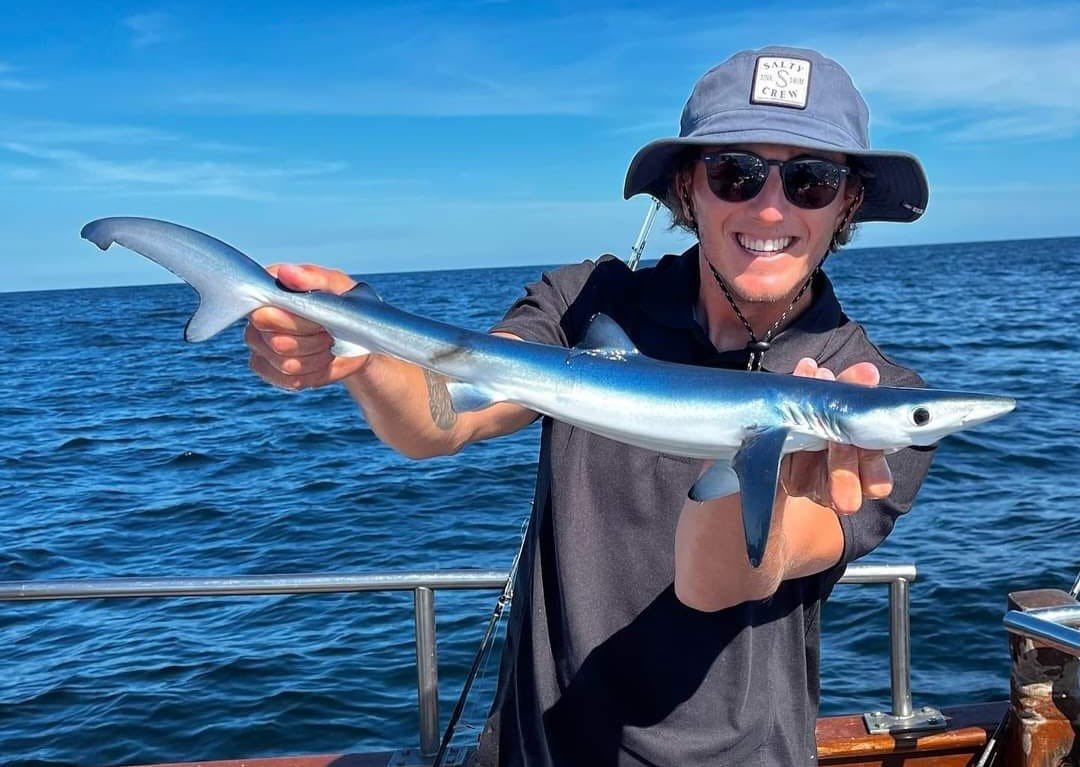
If anyone sees any tiny blue sharks this year in the S and west of the U.K. (lesser spotted dogfish size) could they send a picture. We are particularly interested in the underside of the pup as it will allow NOAA to age the fish & get an idea of how close the pupping occurred
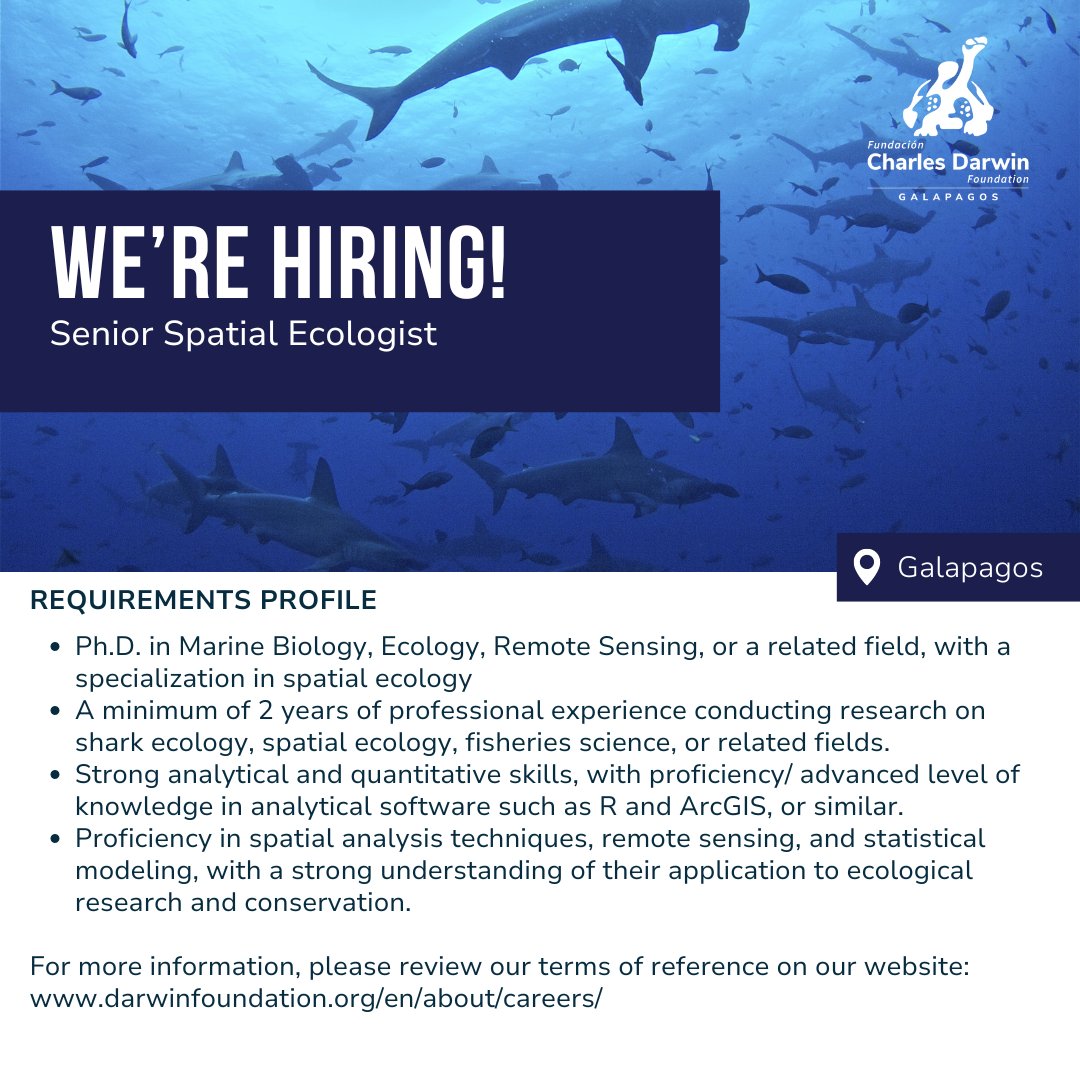
JOB OPPORTUNITY: Spatial Shark Ecologist - @DarwinFound, Ecuador
Be part of the "Habla Tiburón" project, funded by USAID, aimed at improving the long-term viability of shark and ray populations in Ecuadorian waters.
Apply by August 25th!
🔗https://t.co/faQzIh0Mpj
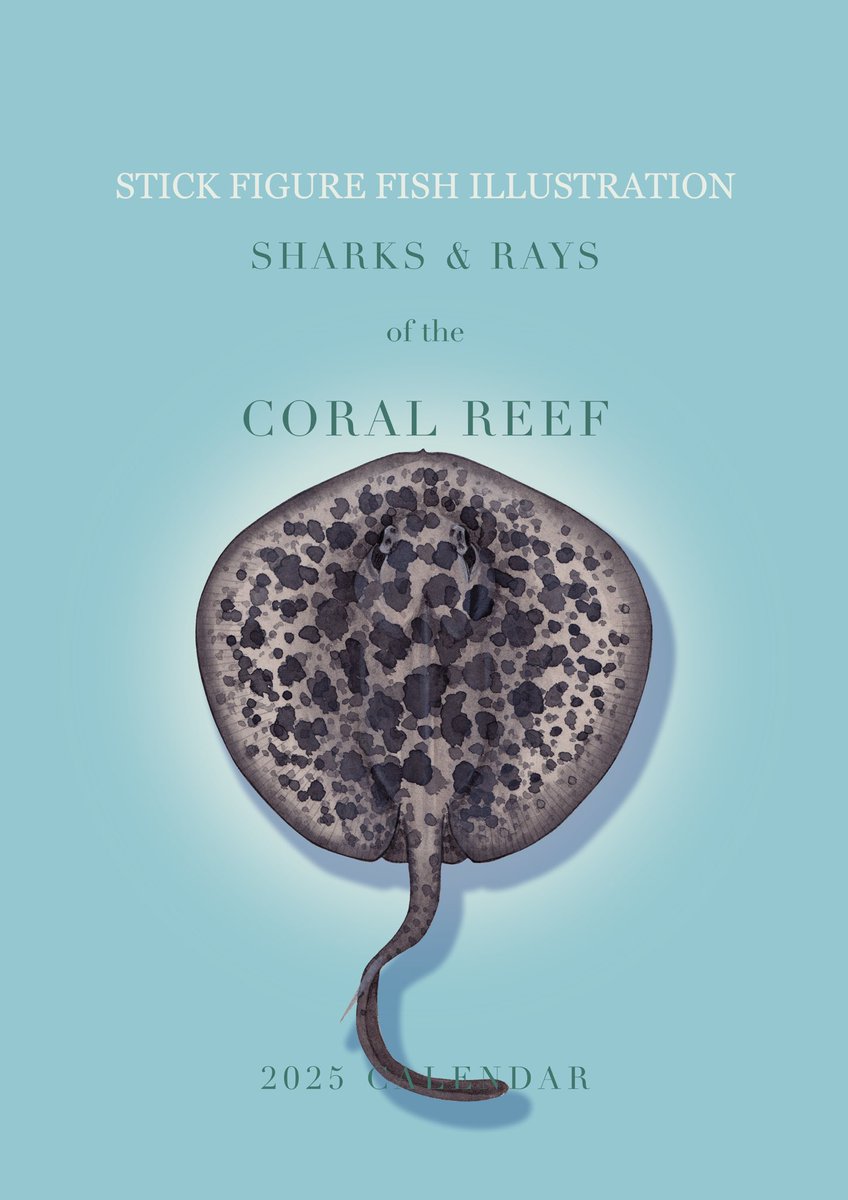
Announcement! My 2025 fully illustrated Shark and Ray Calendar is here! 🦈Sharks and Rays of the Coral Reef. Featuring your favourite diving elasmobranchs and some new ones to discover. Available for preorder now! 👉 https://t.co/XCamDA6eZt #SharkAndRayCalendar#MarineLife
If you're a surfer and are wondering about the efficacy of shark deterrents, here is an interesting @Stabmagazine article https://t.co/mEKvOl7VPF
Some of our studies assessing efficacy are here: https://t.co/GmawYDi1hd
https://t.co/w9ucvNIpqe
https://t.co/Y2EmvSeklx
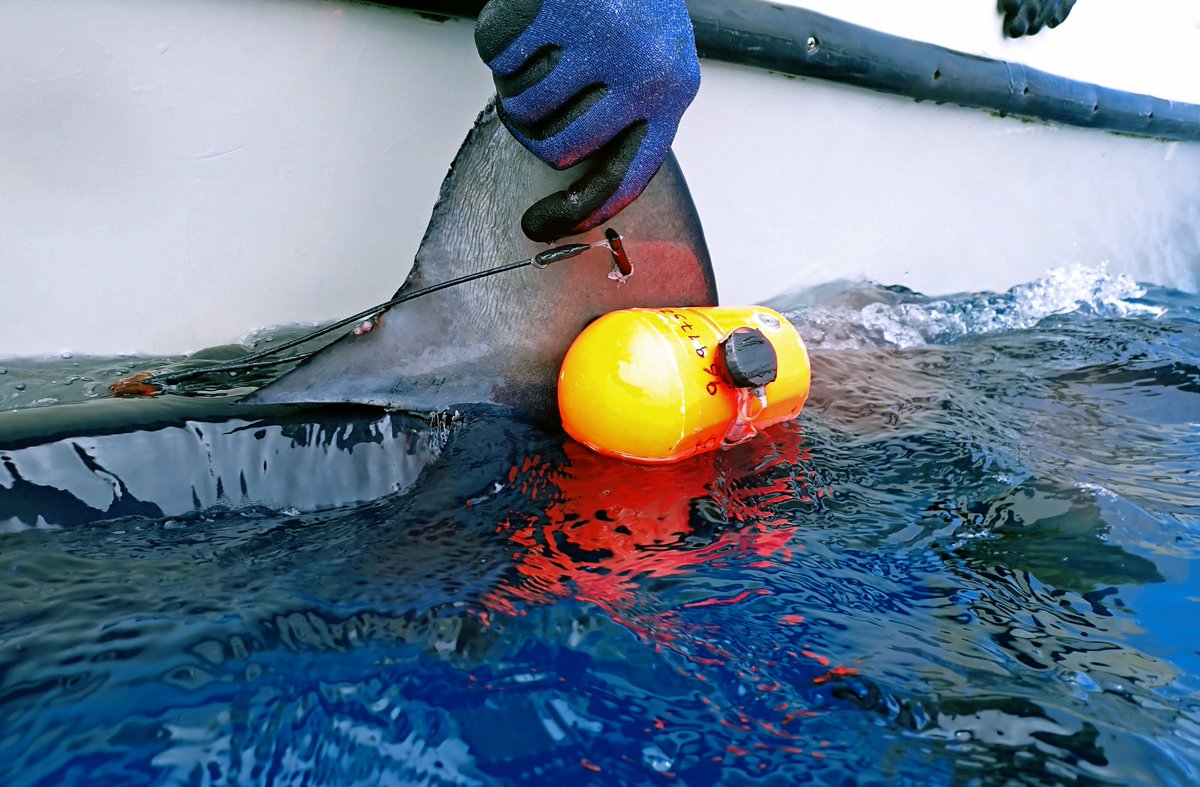
The first paper from my PhD was just published in @MethodsEcolEvol , where we introduce a new animal-attached archival tag recording in situ dissolved oxygen, temperature and acceleration.
@nunoqueiroz29@TheSimsLab@YWatanabe412@MoveCIBIO
https://t.co/0IOmrFVw6b
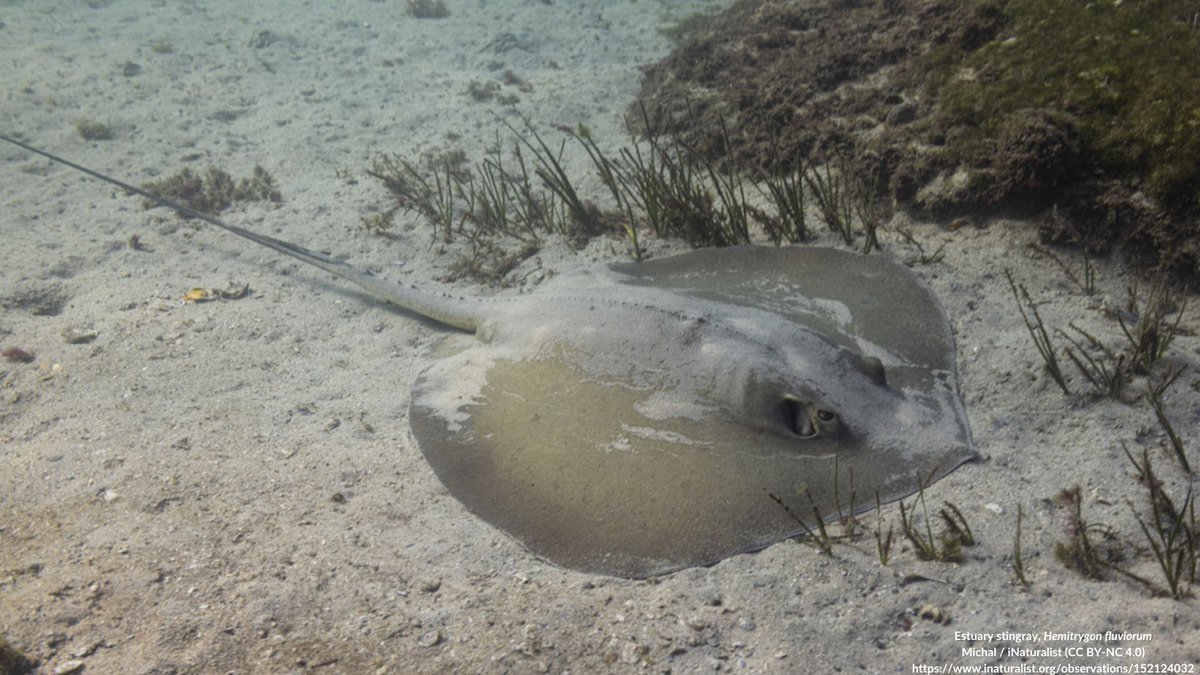
NEW STUDY: Ray bioturbation rates suggest they shape estuary processes
Grew et al. investigated the role of Estuary Stingrays (Hemitrygon fluviourum) in shaping sediment dynamics within the Brisbane Water estuary in New South Wales, Australia.
https://t.co/zYJmR9I6N1
Excited to share my first PhD chapter! Using drones we found rays turnover 21,000 tons of sand annually in an Australian temperate estuary - a greater mass than the Great Sphinx of Giza! Highlighting the importance of rays to the ecosystem 🌊🥞
https://t.co/laDMfor31p
🔥 Finally!
Just launched the R color palette finder 🚀
🎨 Explore 2500+ palettes, see them in action, get the ggplot2 code.
➡️ https://t.co/ry2FLy0KMT
🙏 @joseph_barbier and @Emil_Hvitfeldt for the paletteer package!
Useful? Bug? Feature request? Let me know!
There are 2 weeks left to apply for the SOSF Small Grants! We invite those who are early-career researchers, conservationists & educators with projects that focus on sharks, rays, skates, sawfishes and chimaeras to apply for this funding opportunity.
https://t.co/G66Tgj5TDv
A new paper on the elasmobranchs of Cocos Island suggests that some species are shifting their distribution to deeper waters in response to ocean warming.
https://t.co/ddMvT6SAB2
@universidadcos1 @CSULBsharklab @UnderseaHunterG @cimar