𝗣𝗵𝗗 𝗢𝗽𝗽𝗼𝗿𝘁𝘂𝗻𝗶𝘁𝘆 (𝗔𝗜 & 𝗕𝗿𝗮𝗶𝗻 𝘀𝗶𝗴𝗻𝗮𝗹𝘀) @RITtigers
📍 Rochester, NY
🎓 Fully Funded (@NSF-supported)
🏆 @RITcomputing PhD program (#57 in CSRankings)
📅 Fall 2026 (preferred) or 2027
📄 To apply/additional information, reach out to [email protected].
Introducing our newest #MnDRIVE Brain Conditions team member, Adam Hansen, who is our new Epilepsy Clinical Research Coordinator in the Deep Brain Stimulation Research Core.
Learn more here >>> https://t.co/QZdcCjVKIN
Thank you to our #MnDRIVE Brain Conditions Staff on Admins Professionals Day. You are the steady force behind the scenes. Thank you for your dedicated minds which are helping transform lives. Please know that your contributions are deeply valued & never go unnoticed.
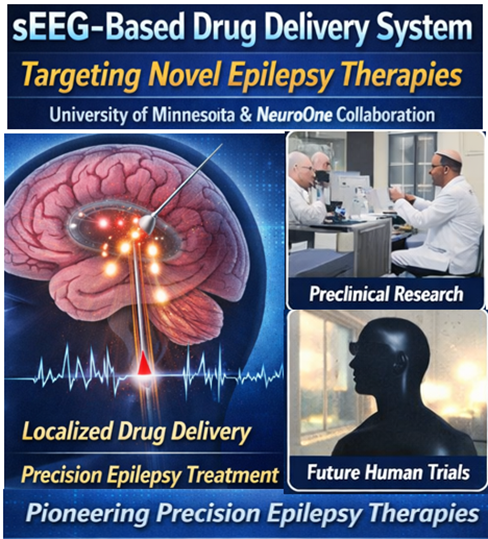
Epilepsy treatment that delivers anti-seizure medication directly to the brain. This innovative collaboration w/ Dr. Sandip Pati & NeuroOne aims to improve precision, reduce side effects & bring new hope to patients with drug-resistant epilepsy.
Read more:
https://t.co/Ywpv1er3bj
JIPMER marks 50 years of excellence in medical education, celebrating the Golden Jubilee of NTTC, the ‘Mother Centre’ of medical education in India.
Over 2,500 faculty trained through NCESTHP since 1976.
#JIPMER#MedicalEducation#NTTC#GoldenJubilee
Joshi discusses the challenges of neuromodulation personalization as applied to pediatric populations, including the challenge of insurance approval for off-label use, safety profile, patients with complicated histories, and applicability of adult data to pediatrics. 🧒🧠⚡https://t.co/gsXpdt9T7i
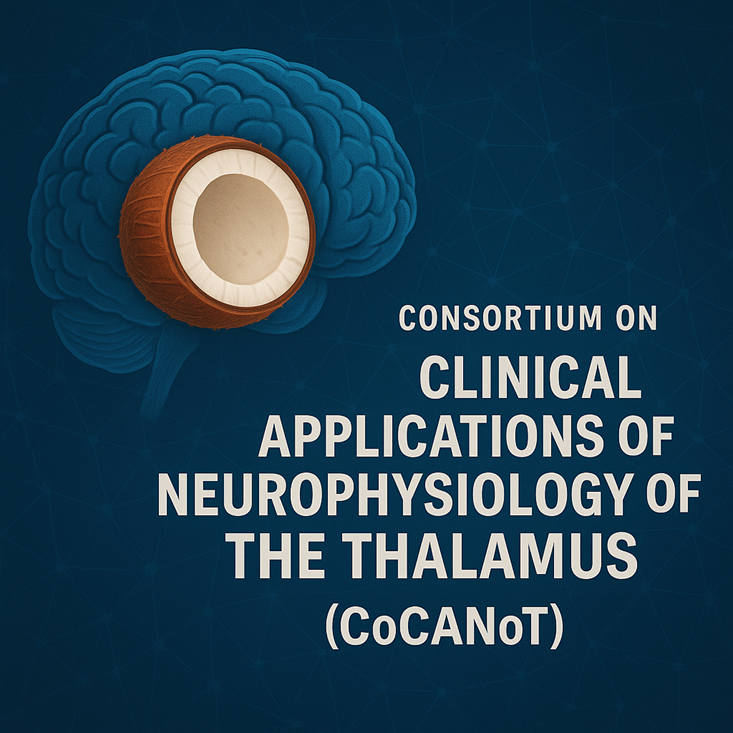
MnDRIVE Neuromod Scholar, Dr. Sandip Pati (UMN) & Dr. Lawrence Hirsch (Yale University) co-launched the International Thalamocortical Neuromodulation Consortium, establishing a new collaborative platform for precision neuromodulation research.
Learn more: https://t.co/KEyX5cSIML
In a remarkable editorial in Brain, UMN epilepsy specialist & expert in women with epilepsy, Dr. Aisha Abdul-Razaq, challenges us to rethink epilepsy surgery beyond seizure control, emphasizing its profound implications for reproductive health in women.
https://t.co/qctzD0W1mK
Alex Conley, who has a spinal cord injury, was the 2nd patient to undergo neurosurgery at Barrow to receive @Neuralink's N1 Implant as part of the PRIME Study. Now, also enrolled in CONVOY, Alex is the 1st to use the brain-computer interface (BCI) device to control a robotic arm.
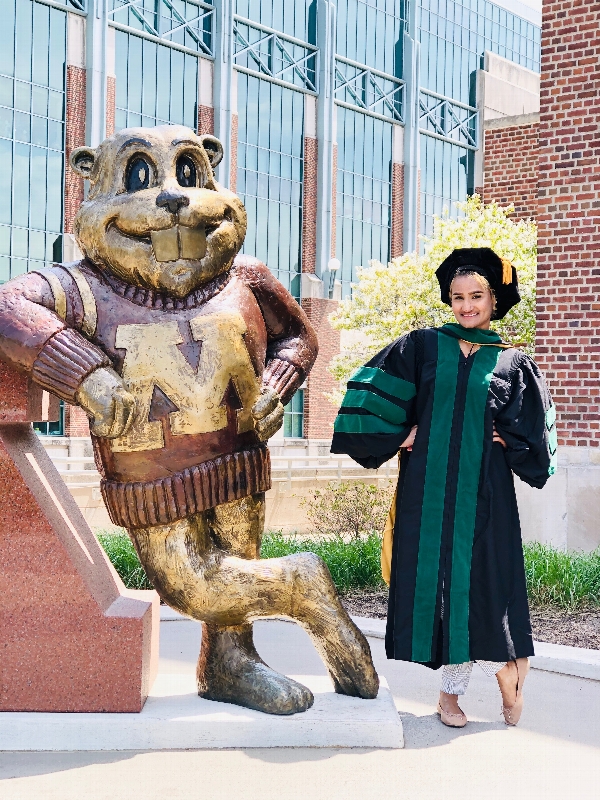
Dr. Alwiya Mukhtar Ahmed, a UMN Medical School graduate, fled civil unrest in Somalia, excelled in the U.S., and became a compassionate physician and researcher, even while battling lung cancer.
Honor her legacy by supporting her memorial scholarship: https://t.co/0uYvSLwrS8.
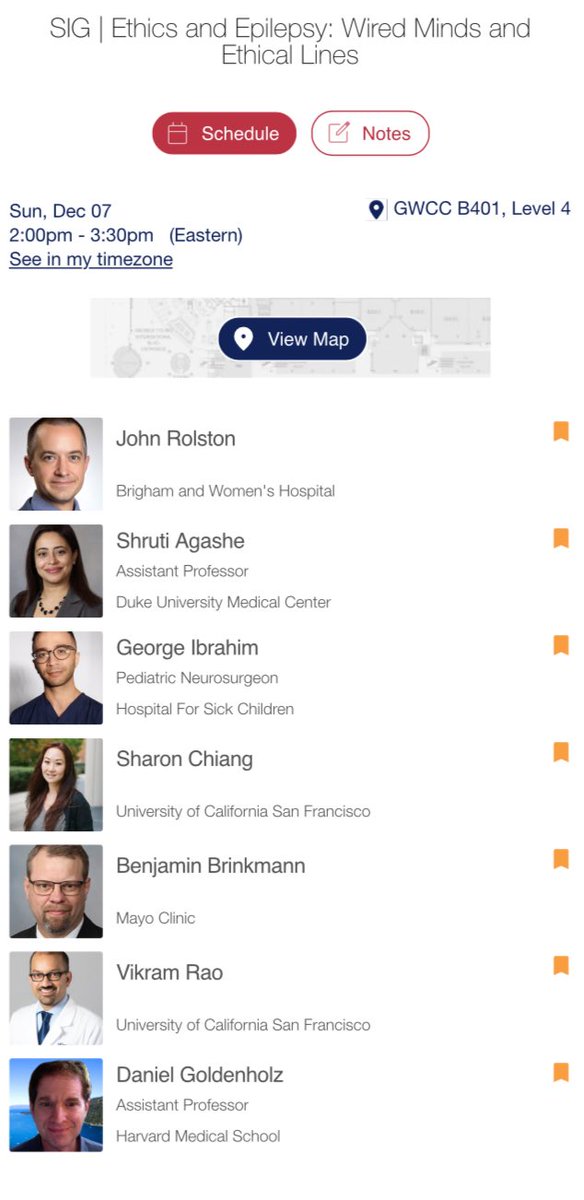
My favorite time of the year #AES2025. This year I have the distinct pleasure of organizing this “do not miss” session at 2 pm on Sunday with Dr Vikram Rao. “Wired minds and Ethical Lines”, to discuss ethical frameworks for neuromodulation, chronic EEG, guidelines for AI etc.
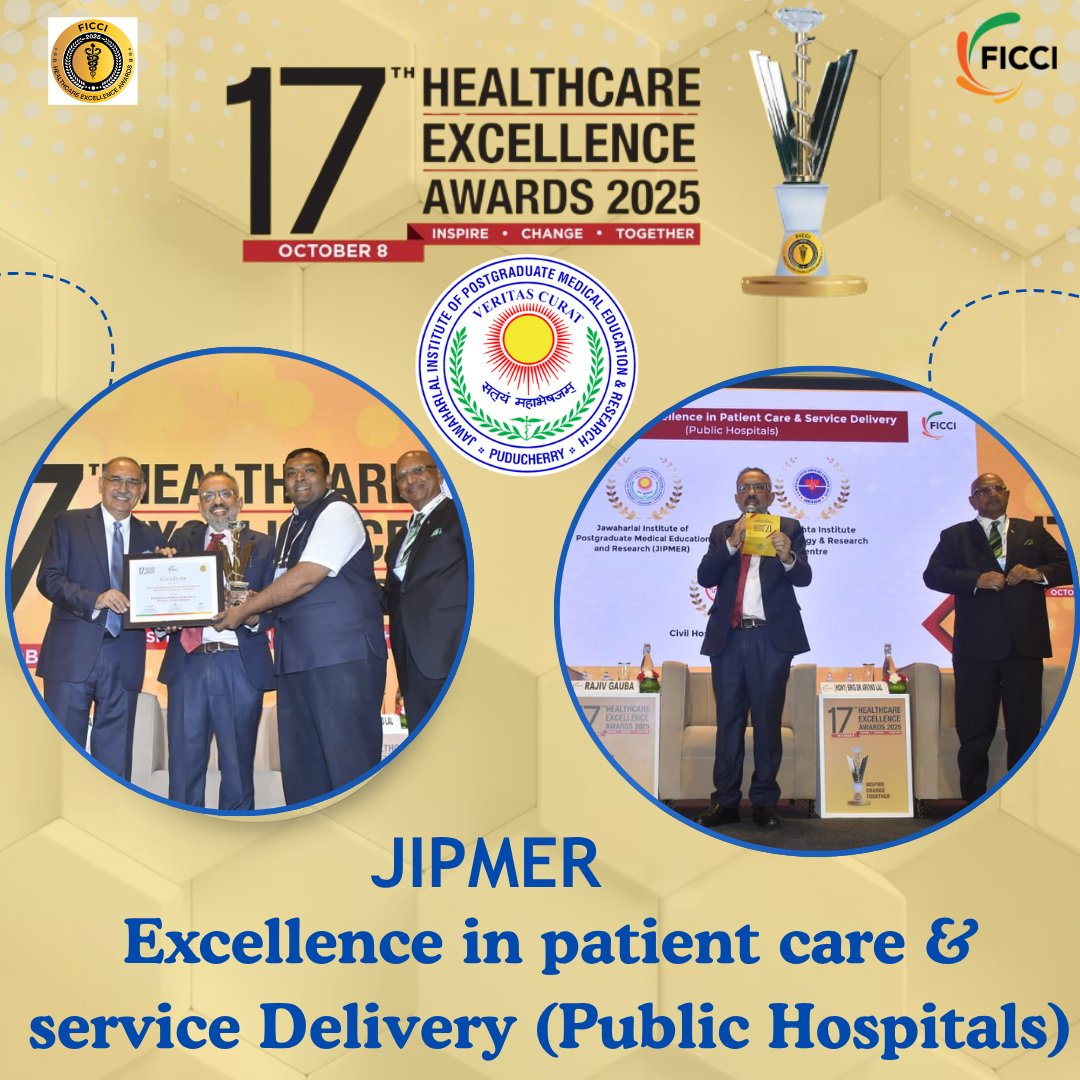
JIPMER received the 17th Healthcare Excellence Award 2025 for excellence in patient care and service delivery in the Public Hospitals category. Proud of the teams who made this possible.
#JIPMER#HealthcareExcellence#FICCI#PatientCare#PublicHospital
Plants don’t have nerves. But when they’re injured, they send an electrical “SOS” that looks very familiar.
When a leaf is cut or bitten, glutamate (the same amino acid that acts as a neurotransmitter in humans) spills out of the damaged cells.
In plants, that glutamate flips on a series of glutamate-gated receptors, triggering a rapid calcium wave that races through the stem and leaves.
It’s not pain. It’s not consciousness.
But it is a long-distance danger signal.
And what happens next is biology at its best:
• Distant leaves ramp up their defenses
• Genes for protection and repair switch on
• Chemical pathways shift to heal tissue and deter future damage
Humans use glutamate to communicate between neurons.
Plants use it to communicate between cells and tissues.
Two completely different systems, one molecule playing messenger in both.
A reminder that living things often solve survival problems using the same biochemical tools… even when evolution sends them down very different paths.
From: Gatsby Plant Science Education Program
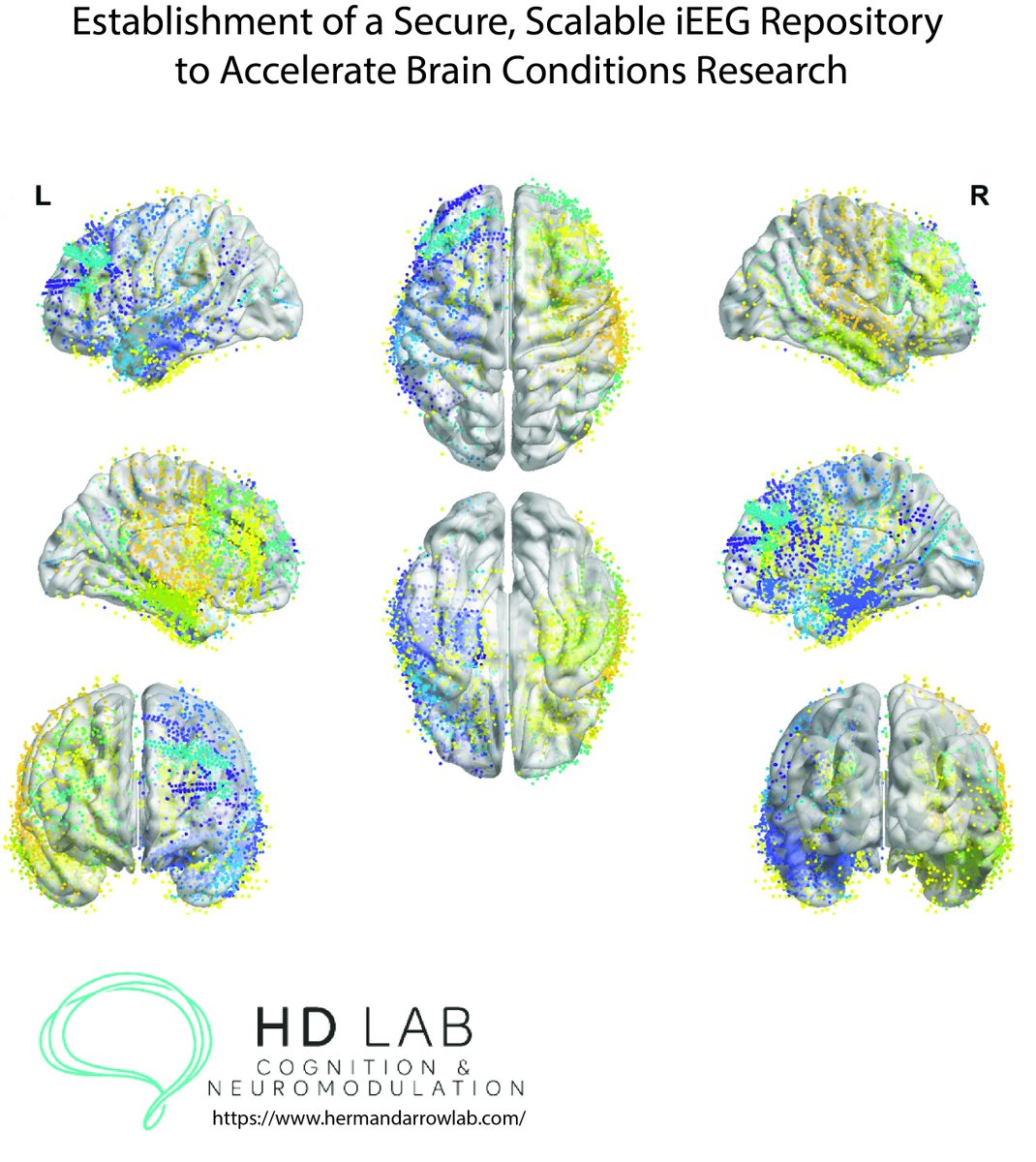
Dr. David Darrow & his team launched a curated, high-resolution epilepsy iEEG repository with continuous recordings, clinical video, imaging & outcomes from 100 patients. A #MnDRIVE-aligned resource advancing seizure prediction, surgical targeting & brain-network discovery.
New case study highlights work by Dr. Aisha Abdul Razaq & the Women’s Health & Epilepsy Clinic. It shows that anti-seizure meds can be safely managed in pregnant patients when paired with RNS therapy and its built-in seizure diary.
https://t.co/tFehyb4cdk
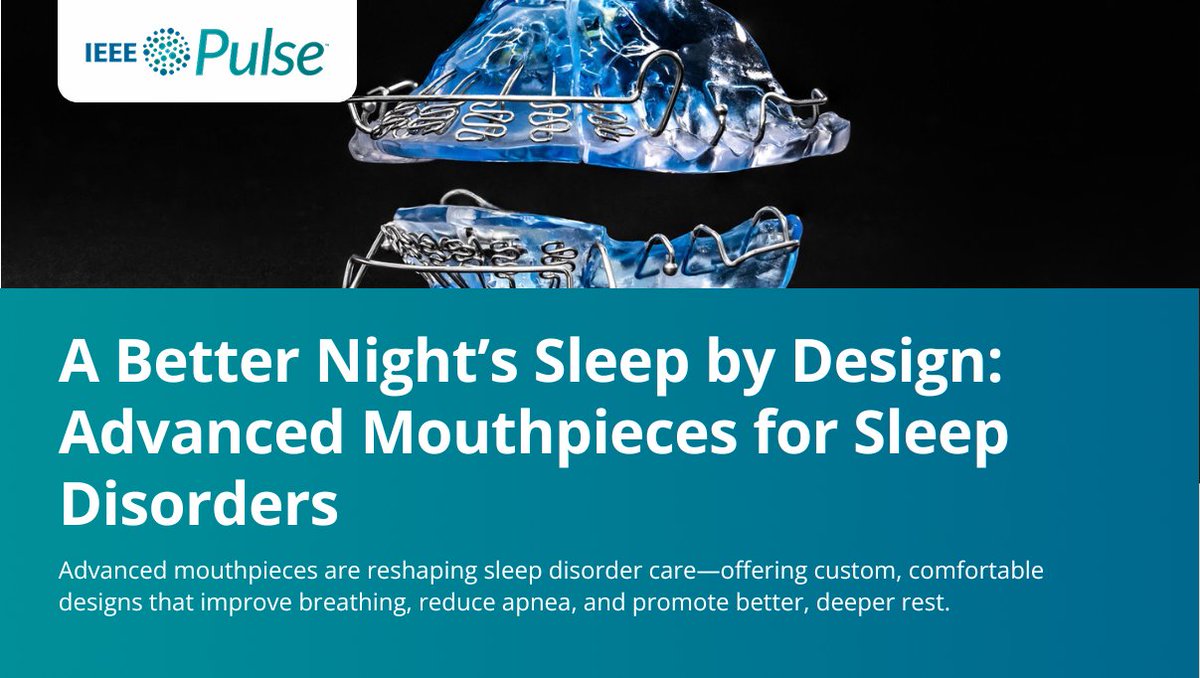
From smart mouthpieces to neurostimulation devices, new innovations are reshaping how sleep apnea is treated - helping patients finally get a better night’s rest.
Read more in IEEE Pulse: https://t.co/tWCera7EX9
🚨 BIG NEWS!
Dr. Jacqueline Palmer has received a $2.2M @NIH New Innovator Award to study older adults who stay sharp and active, aiming to uncover how their brains resist aging.
Read more ➡️: https://t.co/lFljX1trlA.
#NIH#Aging#AgingResearch#HealthyAging