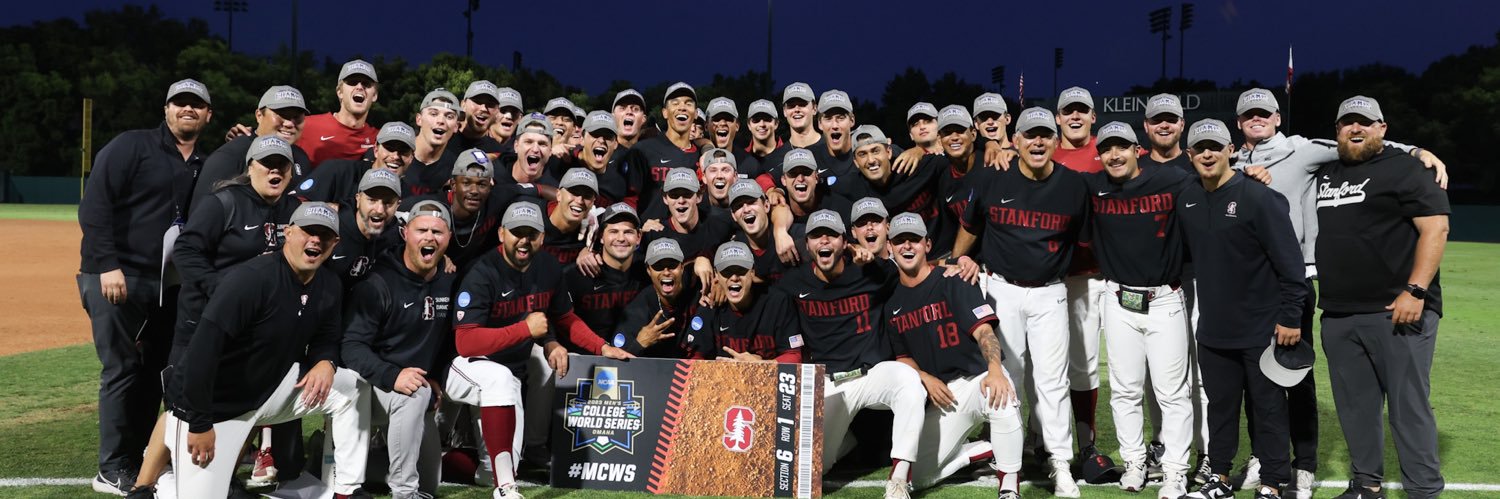
@StanfordBSB@t_beck07@SFGiants This is tweeted from behind the veil of ‘secret stuff Chinese people do’
“Every math class I “aced” was aced because I took that class at home BEFORE I enrolled. You can’t just show up for #cs106a#ENGR145 and #Stramgt353. Study video https://t.co/iqksVWWWKF
#cs183PQRST
#26DaysOfOpenAIDuckingBk
Day 5, 13, 15, 23 & 81
“Nvidia fell 14% in a single day on Friday after reports emerged that the U.S. Securities and Exchange Commission was investigating its books.
A year ago, short seller Michael Burry had already questioned Nvidia’s accounting. Nvidia wrote a seven-page rebuttal and sent it to Wall Street, addressing his points one by one.
After that, Nvidia rose another 34%. But by this week, its share price was already 30% below where it stood when it issued that rebuttal.
Burry is the man who shorted subprime mortgages in 2008 and was portrayed in the film The Big Short.
Last November, he shut down his fund and switched to writing a paid newsletter. His first analysis was of Nvidia, and he still held put options on the company.
Burry’s view was that Nvidia’s financial results were not as good as they looked, for two reasons.
One was the large amount of stock issued to employees.
Nvidia has spent more than $100 billion buying back shares since 2018. In theory, its share count should have been shrinking, but its total number of shares actually increased by 47 million.
A large portion of the buyback money was effectively being used to buy back shares issued to employees. Once that cost is included, shareholders actually received only 50% of the earnings reported on the financial statements.
The other was customers’ money.
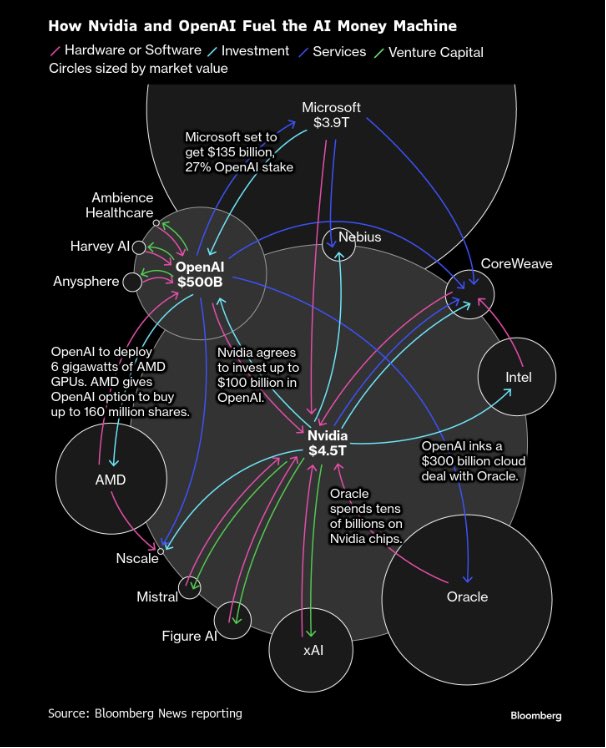
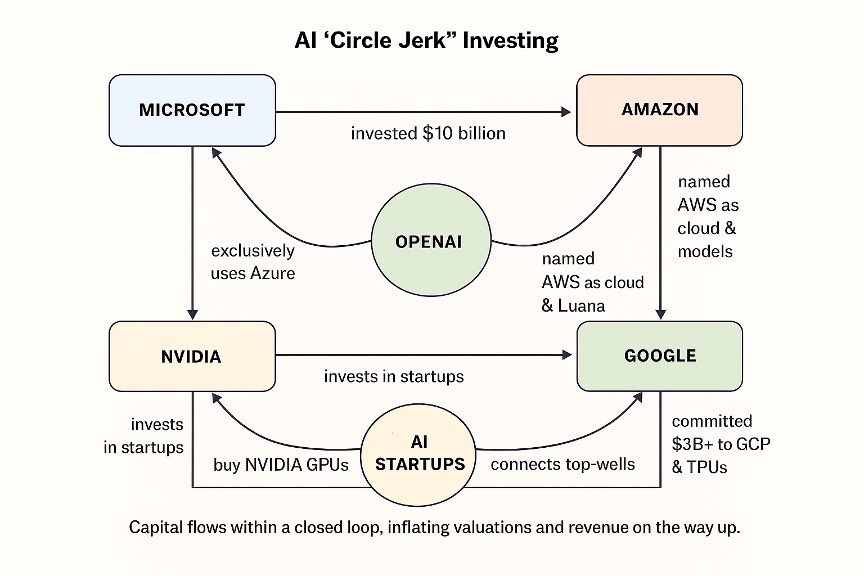
Nvidia has taken stakes in AI companies such as OpenAI, and those companies then use the money to buy Nvidia’s chips. Money goes out as investments and comes back as Nvidia revenue. Demand looks strong, but some of it is being propped up by Nvidia itself.
Nvidia’s investor relations team quickly wrote a seven-page memo and privately sent it to Wall Street analysts, addressing Burry’s points one by one.
The buybacks totaled $91 billion, not $112.5 billion. Burry had also included taxes on employee stock, employees’ stock grants were comparable to those at peer companies, and there was no circular financing. Nvidia also specifically pointed out that it was not like Enron, a company that falsified its accounts.
Burry replied: I didn’t say you were Enron. You’re Cisco in 2000.
Cisco was the leading network equipment maker during the dot-com bubble. It also lent money to customers so they could buy its equipment. After the bubble burst, orders dried up almost overnight, and its share price fell 89% from its peak.
But over the following year, Nvidia kept rising, reaching $239 in early October this year.
Last Sunday, Burry raised a third issue: how Nvidia reports revenue by region.
Nvidia changed its accounting method last year. Previously, it used the billing address; now it uses the customer’s headquarters. Singapore, which previously accounted for 22% of quarterly revenue, or more than $10 billion, no longer appears in the financial statements.
Nvidia’s explanation was that many customers simply issue invoices centrally in Singapore, while the products are actually shipped elsewhere.
In Burry’s view, a substantial portion of that business comes from Chinese companies. Changing the reporting method makes it even harder for outsiders to see how dependent Nvidia is on China. He also acknowledged, however, that there is currently no evidence that Nvidia’s books were prepared incorrectly.
Five days later, reports emerged that the SEC was investigating Nvidia’s books. It is not yet clear whether those are the issues under investigation.
On the day Nvidia plunged, Burry sold half his Nvidia put options and half his semiconductor ETF put options. He is still holding the other half, while his put options betting on a decline in the Nasdaq 100 remain untouched.
What Burry has consistently questioned is not whether Nvidia’s chips sell well, but where the money comes from and how it is recorded in the accounts.
A year ago, the market did not care about these issues. Now, the market is starting to ask the same questions.
Google cut AI Pro in half for Black Friday, $99.99 for a full year instead of $199.99, which is about $8 a month.
That's less than half of what one Claude Pro or ChatGPT Plus subscription costs, and since it's a paid plan you also get the higher Antigravity limits, Hydrogen, Argon, and even Claude 5.5 inside Antigravity, plus 5TB of storage. Existing subscribers can grab it now until November 26, and everyone else gets it on November 27.
The only thing that makes me hesitate is the yearly lock in. A year is a long time in AI, and the plan you pay for today might look very different by next summer.
Most investors are watching tech stocks while missing what's happening in the AI credit markets:
HSBC reportedly sold $300 million in data centre loans at roughly 85 cents on the dollar, a 15% haircut. ING tried unloading another $500 million but couldn't attract sufficient bids at acceptable prices. Now it's negotiating individual sales.
Reuters is also reporting that banks are becoming reluctant to finance additional AI projects, even those backed by major technology companies.
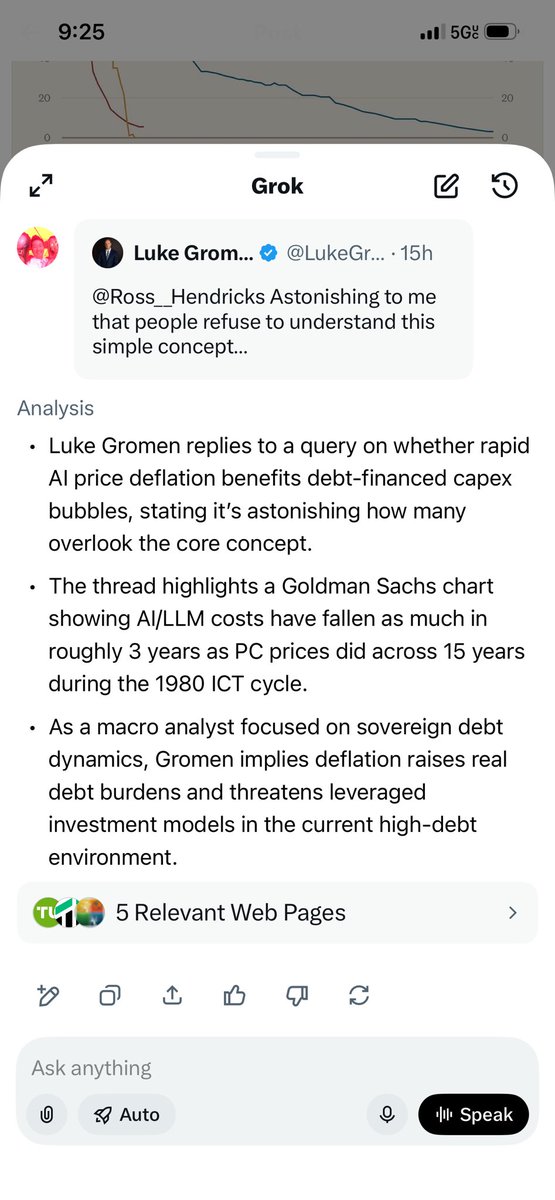
The timing couldn't be worse. Goldman Sachs estimates hyperscaler debt issuance will surge 68%, from $250 billion in 2026 to $420 billion in 2027, precisely when lenders are becoming more cautious.
I've seen this movie before. As I discuss in my book, the shale oil boom and Canadian cannabis were both built on enormous expectations for future growth and the assumption that capital would remain readily available. I watched both industries discover what happens when those expectations collide with a mismatch in expectations vs what was actually delivered.
AI may very well transform the world, just as shale transformed American energy production. But that doesn't mean every dollar invested will earn an adequate return. When an investment boom depends on an endless supply of capital, the biggest risk isn't whether Jensen Huang comes back. It's whether the lenders do.
Not hypothetically, an Anytime Fitness is for sale:
Asking: $529,000
Cash Flow: $150,000
Gross Revenue: $410,000
Fresh remodel in July 2026
Employees: 1 FT managed, 1 PT operations leads, 2 personal trainers.
Inquiring about details but assuming the numbers check out…do y’all think this is a good buy?
Admittedly I know very little about the ins and outs of running a gym despite all of the time spent in them.
Thoughts?
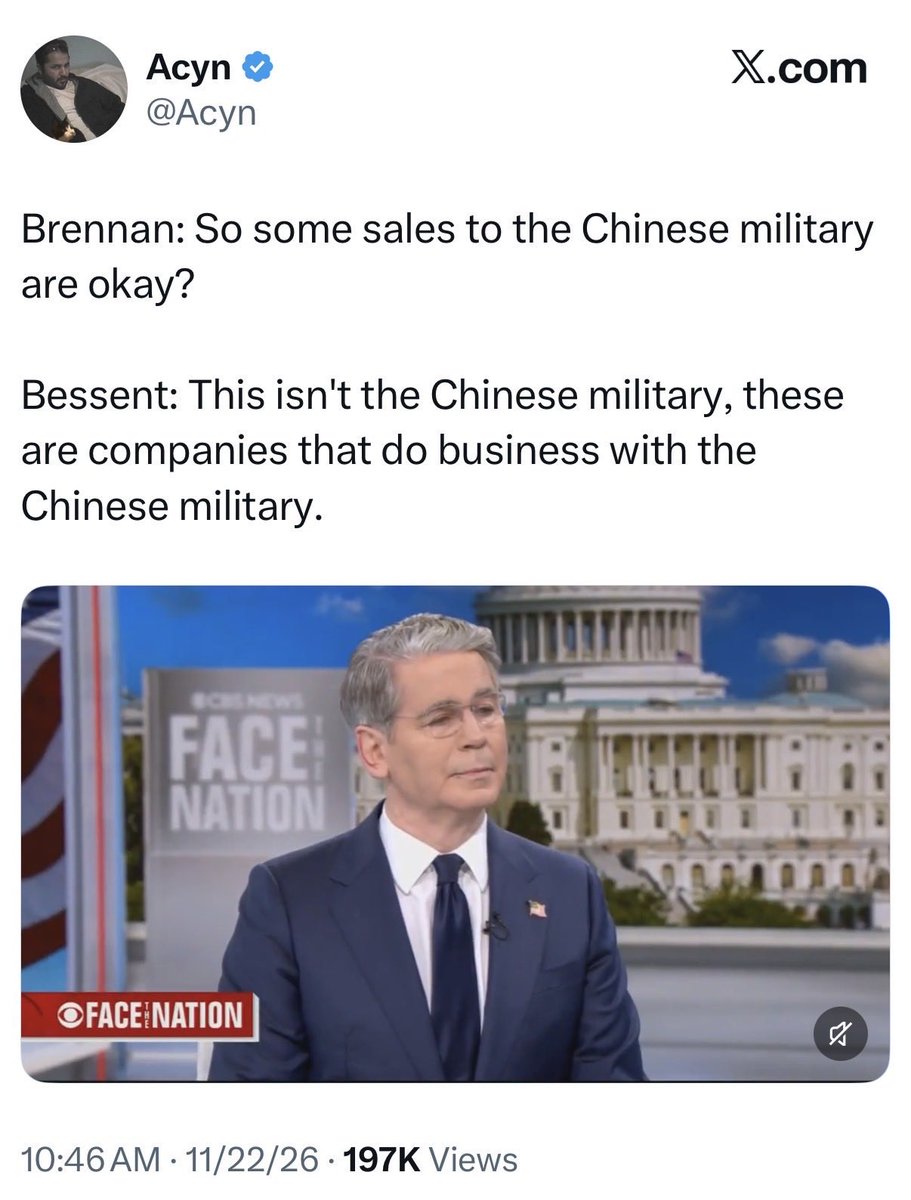
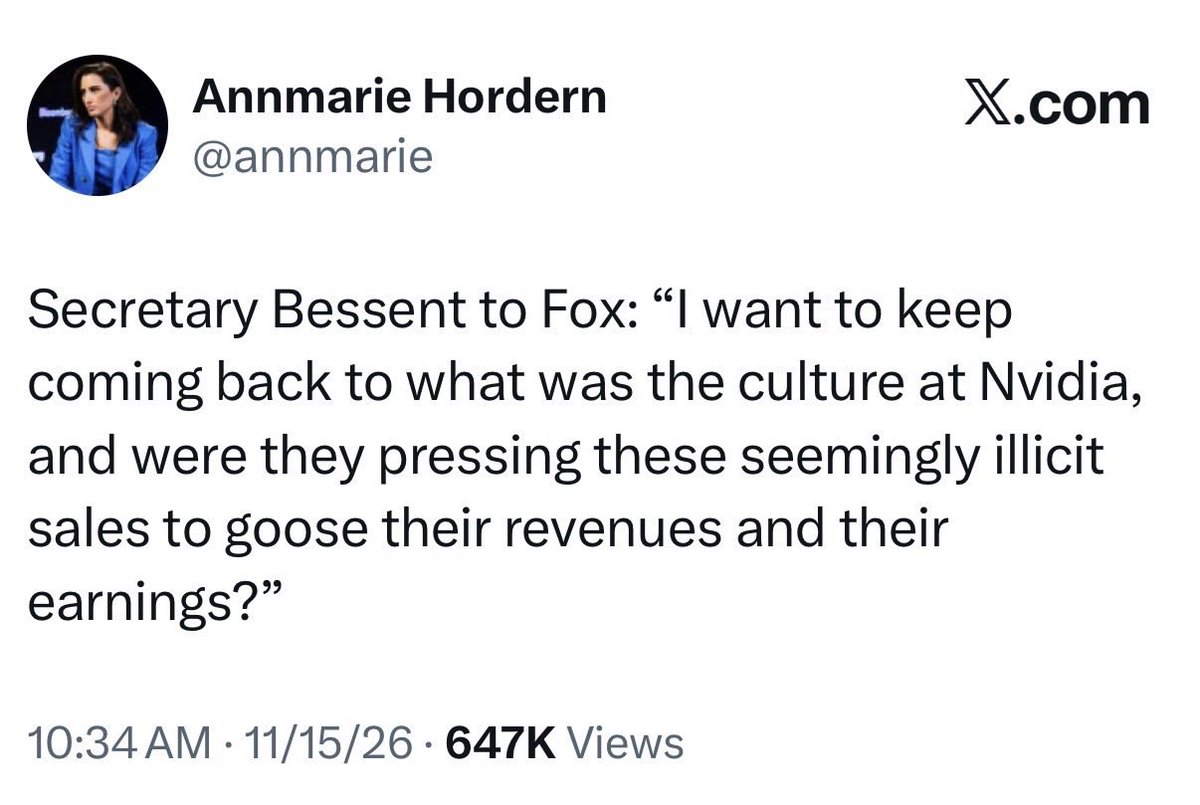
Left: Bessent on November 15, 2026.
Right: Bessent on November 22, 2026.
Bessent was told to change his tune on NVDA in the back half of last week - by markets or by someone?