This chart compares revenue growth in the three years leading up to IPO. Anthropic appears to have spotted something frightening on the ceiling.
Somewhere down near the skirting board are Nvidia and Google, two businesses previously thought to have done reasonably well.
This was one of the biggest factors behind the tech crash.
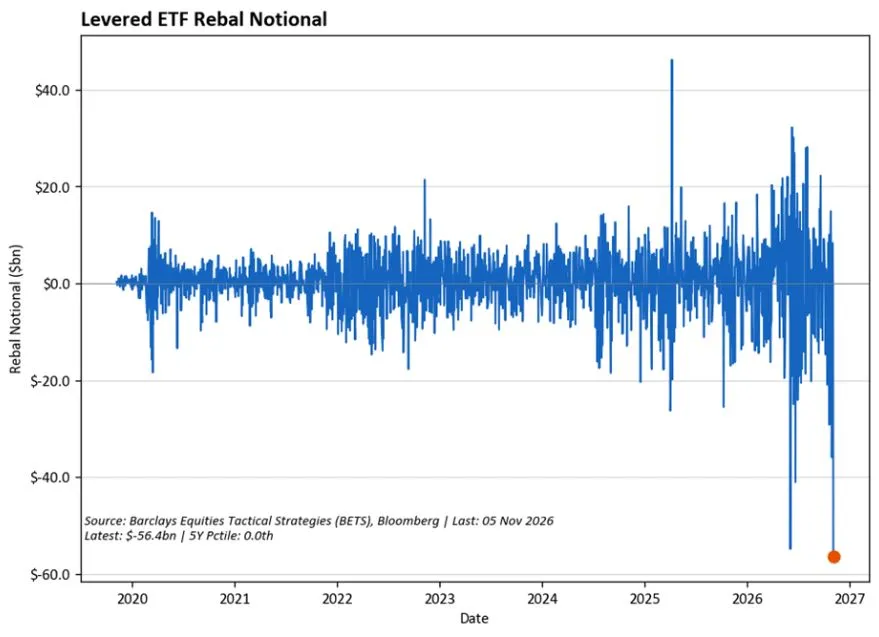
Leveraged ETFs faced a record $56B in selling - an all-time record.
The real problem is that these ETFs are FORCED to sell.
These products must reset their exposure daily. When markets decline, they need to reduce their positions to maintain their target leverage.
This creates a vicious feedback loop.
Falling stock prices lead to mechanical selling on rebalancing which pushes prices down even further.
South Koreans got wiped out by these products earlier this year and it's wild to see it happening again in the US.
The Nasdaq traded at 60× forward P/E before the dot-com bust. Today, it’s at 17×, its cheapest in 4 years. Sure, whether earnings hold up is debatable. But this is a fear-driven drawdown, not a fundamentals-driven one. Enough with the lazy dot-com comparisons and fearmongering.
𝗢𝗡 𝗕𝗨𝗕𝗕𝗟𝗘𝗦
I remember the dot-com bubble well. From the first trading day of 1995 to its peak in March 2000, the Nasdaq-100 went from 398 to 4,705, a gain of 𝟭,𝟬𝟴𝟮%.
The excitement was enormous. So was the price investors paid for it.
𝗖𝗶𝘀𝗰𝗼 𝘄𝗮𝘀 𝘁𝗵𝗲 𝗶𝗻𝗳𝗿𝗮𝘀𝘁𝗿𝘂𝗰𝘁𝘂𝗿𝗲 𝘀𝘁𝗮𝗿 𝘁𝗵𝗲𝗻. 𝗡𝗩𝗜𝗗𝗜𝗔 𝗶𝘀 𝘁𝗵𝗲 𝘀𝘁𝗮𝗿 𝘁𝗼𝗱𝗮𝘆. Near the March 2000 peak, Cisco traded at roughly 𝟮𝟮𝟬× trailing earnings and 𝟭𝟯𝟬× forward earnings. At the November 6, 2026 close, NVIDIA traded at roughly 𝟮𝟰× trailing earnings and 𝟭𝟯× forward earnings. Cisco’s multiples back then were about nine times and ten times as high, respectively.
𝗪𝗵𝗮𝘁 𝗮𝗿𝗲 𝗔𝗜 𝘀𝘁𝗼𝗰𝗸𝘀 𝘁𝗿𝗮𝗱𝗶𝗻𝗴 𝗮𝘁?
Approximate forward P/E ratios for a selection of companies across the AI ecosystem, using November 6 prices and analyst consensus estimates.
• Amazon — 𝟮𝟯×
• Microsoft — 𝟮𝟮×
• Alphabet — 𝟮𝟬×
• Broadcom — 𝟭𝟵×
• Meta — 𝟭𝟵×
• TSMC — 𝟭𝟴×
• Oracle — 𝟭𝟱×
• NVIDIA — 𝟭𝟯×
• Sandisk — 𝟰×
• Micron — 𝟰×
• Samsung Electronics — 𝟮.𝟳×
• SK hynix — 𝟮.𝟯×
Several of these stocks look remarkably cheap to me at those earnings estimates. And the multiples are extremely far from what investors paid for the biggest names of the dot-com era.
𝗧𝗵𝗲𝗿𝗲’𝘀 𝗮𝗹𝘀𝗼 𝗮 𝗽𝗵𝘆𝘀𝗶𝗰𝗮𝗹 𝗱𝗶𝗳𝗳𝗲𝗿𝗲𝗻𝗰𝗲.
By late 2002, about 𝟵𝟬% of the fiber installed in long-haul networks across Europe and North America was still unused, according to TeleGeography. Back then, the buildout had outrun demand. So far in AI, demand has outrun the buildout. Shortages of advanced chips, limited access to power, and permitting delays are slowing new data centers.
Meanwhile, AI models are improving incredibly fast. They can tackle longer, more demanding tasks on their own. On some tasks, they already outperform humans by a wide margin. That opens up ever more uses and helps explain why demand is growing so quickly.
𝗧𝗼 𝗺𝗲, 𝘁𝗵𝗶𝘀 𝘀𝘁𝗮𝗴𝗲 𝗼𝗳 𝘁𝗵𝗲 𝗔𝗜 𝗯𝗼𝗼𝗺 𝗹𝗼𝗼𝗸𝘀 𝗺𝗼𝗿𝗲 𝗹𝗶𝗸𝗲 𝘁𝗵𝗲 𝗶𝗻𝘁𝗲𝗿𝗻𝗲𝘁 𝗯𝗼𝗼𝗺 𝗼𝗳 𝟭𝟵𝟵𝟱 𝘁𝗵𝗮𝗻 𝘁𝗵𝗲 𝗱𝗼𝘁-𝗰𝗼𝗺 𝗽𝗲𝗮𝗸 𝗼𝗳 𝗠𝗮𝗿𝗰𝗵 𝟮𝟬𝟬𝟬.
Not sure who needs to hear this, esp after yesterday, but GPU rental rates are still unmistakably rising across the board. Whatever the stock market is nervous or fearful about is not about what’s happening right now but about the odds of what will happen in the next couple years (vs what’s been priced into expectations).
𝗦𝗘𝗣𝗔𝗥𝗔𝗧𝗘 𝗧𝗛𝗘 𝗠𝗔𝗡 𝗙𝗥𝗢𝗠 𝗧𝗛𝗘 𝗜𝗗𝗘𝗔𝗦
As mostly expected, Republicans have lost their majorities in both the Senate and the House of Representatives. This calls for an important distinction: between Donald Trump as a person and the underlying political currents he has brought together under the MAGA banner.
𝗬𝗼𝘂 𝗰𝗮𝗻 𝗯𝗲 𝗱𝗲𝗲𝗽𝗹𝘆 𝗰𝗿𝗶𝘁𝗶𝗰𝗮𝗹 𝗼𝗳 𝗧𝗿𝘂𝗺𝗽 𝘄𝗵𝗶𝗹𝗲 𝗿𝗲𝗰𝗼𝗴𝗻𝗶𝘀𝗶𝗻𝗴 𝘁𝗵𝗮𝘁 𝗵𝗶𝘀 𝗺𝗼𝘃𝗲𝗺𝗲𝗻𝘁 𝗮𝗱𝗱𝗿𝗲𝘀𝘀𝗲𝘀 𝘀𝗲𝘃𝗲𝗿𝗮𝗹 𝗳𝘂𝗻𝗱𝗮𝗺𝗲𝗻𝘁𝗮𝗹 𝗽𝗿𝗼𝗯𝗹𝗲𝗺𝘀. In my view, both America and Europe urgently need to embrace that distinction.
Let’s start with the obvious: Trump is very unpopular in many places, including in Europe where I live. 𝗕𝘂𝘁 𝗮 𝗽𝗼𝗹𝗶𝘁𝗶𝗰𝗶𝗮𝗻’𝘀 𝗽𝗲𝗿𝘀𝗼𝗻𝗮𝗹 𝘀𝘁𝘆𝗹𝗲 𝗱𝗼𝗲𝘀 𝗻𝗼𝘁 𝗮𝘂𝘁𝗼𝗺𝗮𝘁𝗶𝗰𝗮𝗹𝗹𝘆 𝗶𝗻𝘃𝗮𝗹𝗶𝗱𝗮𝘁𝗲 𝘁𝗵𝗲 𝗽𝗼𝗹𝗶𝘁𝗶𝗰𝗮𝗹 𝗶𝗱𝗲𝗮𝘀 𝗯𝗲𝗵𝗶𝗻𝗱 𝗶𝘁.
𝗔 𝗖𝗢𝗨𝗡𝗧𝗥𝗬 𝗠𝗨𝗦𝗧 𝗕𝗘 𝗔𝗕𝗟𝗘 𝗧𝗢 𝗦𝗧𝗔𝗡𝗗 𝗢𝗡 𝗜𝗧𝗦 𝗢𝗪𝗡 𝗙𝗘𝗘𝗧
A society must be able to control its borders, enforce its laws, defend itself, and secure access to critical supplies, technologies, and energy.
The US has now regained control of its borders—an area where Europe is falling far behind. It has also demanded that its European NATO allies shoulder their share of the bill, and that change in direction is finally taking effect.
A civilisation without innovation and production is doomed—a theme I explored in my book "The Creative Society". Globalisation lifted billions out of poverty and created enormous prosperity, but the way we organised it left the West with serious strategic vulnerabilities. We outsourced factories to China because unit costs were lower. Along the way, we forgot that industrial innovation cannot be separated from production: making things is how you discover new materials, refine chemical processes and identify what can be improved.
𝗠𝗼𝘃𝗲 𝘁𝗵𝗲 𝗳𝗮𝗰𝘁𝗼𝗿𝗶𝗲𝘀 𝗮𝗯𝗿𝗼𝗮𝗱, 𝗮𝗻𝗱 𝘁𝗼𝗺𝗼𝗿𝗿𝗼𝘄’𝘀 𝗽𝗮𝘁𝗲𝗻𝘁𝘀 𝗮𝗻𝗱 𝗶𝗻𝘃𝗲𝗻𝘁𝗶𝗼𝗻𝘀 𝗳𝗼𝗹𝗹𝗼𝘄. That is what the West has done.
The Chinese, meanwhile, understood the game. Quite wisely, they invested heavily in production networks, research and critical raw materials. According to the Australian Strategic Policy Institute’s tracking of highly cited research, China leads in the overwhelming majority of the 72 strategic technology fields it monitors. Treating the EU as a single player gives a breakdown of 64 fields led by China, six by the US and two by Europe.
Many in Brussels and traditional economic circles dismiss MAGA’s industrial policies and tariffs as primitive protectionism. That misses the strategic rationale: 𝗣𝗿𝗼𝘁𝗲𝗰𝘁𝗶𝗼𝗻 𝗰𝗮𝗻 𝗯𝗲 𝗮 𝗻𝗲𝗰𝗲𝘀𝘀𝗮𝗿𝘆 𝗱𝗲𝗳𝗲𝗻𝗰𝗲 𝗮𝗴𝗮𝗶𝗻𝘀𝘁 𝗹𝗼𝘀𝗶𝗻𝗴 𝘁𝗵𝗲 𝗮𝗯𝗶𝗹𝗶𝘁𝘆 𝘁𝗼 𝗺𝗮𝗻𝘂𝗳𝗮𝗰𝘁𝘂𝗿𝗲 𝗲𝘀𝘀𝗲𝗻𝘁𝗶𝗮𝗹 𝗰𝗼𝗺𝗽𝗼𝗻𝗲𝗻𝘁𝘀. When an authoritarian regime uses massive state subsidies to undercut competitors and monopolise global supply chains, unquestioning free trade becomes a geopolitical vulnerability. MAGA recognised this early, and Europe is now, somewhat reluctantly, coming around to the same conclusion.
This applies especially to energy. 𝗥𝗲𝗹𝗶𝗮𝗯𝗹𝗲, 𝗮𝗳𝗳𝗼𝗿𝗱𝗮𝗯𝗹𝗲, 𝗮𝗯𝘂𝗻𝗱𝗮𝗻𝘁 𝗲𝗻𝗲𝗿𝗴𝘆 𝗶𝘀 𝘁𝗵𝗲 𝗳𝗼𝘂𝗻𝗱𝗮𝘁𝗶𝗼𝗻 𝗼𝗳 𝗲𝘃𝗲𝗿𝘆 𝗶𝗻𝗱𝘂𝘀𝘁𝗿𝗶𝗮𝗹 𝗽𝗼𝘄𝗲𝗿. Both Beijing and MAGA understand that. Europe, by contrast, has spent years treating astronomical energy prices and regulatory burdens as moral obligations that businesses must learn to live with. Increasingly, those businesses choose to live somewhere else.
𝗗𝗘𝗠𝗢𝗖𝗥𝗔𝗖𝗬—𝗔𝗡𝗗 𝗔 𝗦𝗧𝗔𝗧𝗘 𝗧𝗛𝗔𝗧 𝗔𝗖𝗧𝗨𝗔𝗟𝗟𝗬 𝗪𝗢𝗥𝗞𝗦
Another central strand of MAGA is the pushback against bureaucracy and technocratic overreach: 𝗘𝗹𝗲𝗰𝘁𝗲𝗱 𝗽𝗼𝗹𝗶𝘁𝗶𝗰𝗶𝗮𝗻𝘀 𝗺𝘂𝘀𝘁 𝗵𝗮𝘃𝗲 𝗴𝗲𝗻𝘂𝗶𝗻𝗲 𝗿𝗼𝗼𝗺 𝘁𝗼 𝗶𝗺𝗽𝗹𝗲𝗺𝗲𝗻𝘁 𝘁𝗵𝗲 𝗽𝗼𝗹𝗶𝗰𝗶𝗲𝘀 𝗽𝗲𝗼𝗽𝗹𝗲 𝘃𝗼𝘁𝗲𝗱 𝗳𝗼𝗿. Civil servants, regulators and public institutions should provide expertise and administration, rather than act as ideological players with political agendas of their own.
Europe needs this discussion too. Too often, publicly funded organisations, NGOs and agencies act as taxpayer-funded political advocates. That erodes trust in representative democracy.
We must be able to discuss openly how international conventions are interpreted—including whether those interpretations remain compatible with voters’ legitimate demands for public safety and, for example, the deportation of foreign criminals. Rights and the rule of law are fundamental, but so are democratic legitimacy and proportionality.
𝗠𝗘𝗥𝗜𝗧𝗢𝗖𝗥𝗔𝗖𝗬 𝗔𝗡𝗗 𝗦𝗛𝗔𝗥𝗘𝗗 𝗖𝗨𝗟𝗧𝗨𝗥𝗔𝗟 𝗡𝗢𝗥𝗠𝗦
MAGA also defends meritocracy, personal responsibility and clear standards of behaviour. Individuals should be judged on ability, effort and character. 𝗔𝗰𝗰𝗲𝘀𝘀 𝘁𝗼 𝗲𝗱𝘂𝗰𝗮𝘁𝗶𝗼𝗻 𝗮𝗻𝗱 𝗲𝗺𝗽𝗹𝗼𝘆𝗺𝗲𝗻𝘁 𝘀𝗵𝗼𝘂𝗹𝗱 𝗱𝗲𝗽𝗲𝗻𝗱 𝗼𝗻 𝗾𝘂𝗮𝗹𝗶𝗳𝗶𝗰𝗮𝘁𝗶𝗼𝗻𝘀 𝗿𝗮𝘁𝗵𝗲𝗿 𝘁𝗵𝗮𝗻 𝗿𝗮𝗰𝗶𝗮𝗹 𝗼𝗿 𝗴𝗲𝗻𝗱𝗲𝗿 𝗾𝘂𝗼𝘁𝗮𝘀.
Then there is freedom of expression. 𝗔 𝗵𝗲𝗮𝗹𝘁𝗵𝘆 𝘀𝗼𝗰𝗶𝗲𝘁𝘆 𝗺𝘂𝘀𝘁 𝗯𝗲 𝗮𝗯𝗹𝗲 𝘁𝗼 𝗱𝗶𝘀𝗰𝘂𝘀𝘀 𝗱𝗶𝗳𝗳𝗶𝗰𝘂𝗹𝘁 𝘀𝘂𝗯𝗷𝗲𝗰𝘁𝘀 𝗼𝗽𝗲𝗻𝗹𝘆 𝘄𝗶𝘁𝗵𝗼𝘂𝘁 𝗱𝗶𝘀𝗮𝗴𝗿𝗲𝗲𝗺𝗲𝗻𝘁 𝗮𝘂𝘁𝗼𝗺𝗮𝘁𝗶𝗰𝗮𝗹𝗹𝘆 𝗯𝗲𝗶𝗻𝗴 𝗯𝗿𝗮𝗻𝗱𝗲𝗱 𝗺𝗼𝗿𝗮𝗹𝗹𝘆 𝗿𝗲𝗽𝗿𝗲𝗵𝗲𝗻𝘀𝗶𝗯𝗹𝗲. When Elon Musk bought X, he dismantled much of its political censorship. Despite predictions of the platform’s demise, activity increased, and it has remained a central forum for the free exchange of ideas. The same principle applies to AI: models should pursue factual accuracy and comply with the law, rather than have ideological filters imposed on them. When Danish politician Zenia Stampe recently spoke about European AI being based on “European values”, it sounded to me as though the ambition was to instruct the public in what to think rather than inform it objectively. Perhaps I misunderstood her.
𝗙𝗘𝗪𝗘𝗥 𝗥𝗨𝗟𝗘𝗦. 𝗠𝗢𝗥𝗘 𝗙𝗨𝗧𝗨𝗥𝗘.
MAGA also contains a strong technological optimism that is often lost in the European coverage. It combines cultural conservatism with an enormous appetite for innovation: nuclear energy, biotechnology, space exploration, AI and infrastructure. Lots of it.
There is a fiscal logic here too. With America carrying enormous public debt and running massive budget deficits, there are essentially three levers: raise taxes, cut spending, or increase the economy’s underlying growth rate. Tax increases tend to weaken economic dynamism, while major spending cuts can be politically paralysing. 𝗧𝗵𝗲 𝗼𝗻𝗹𝘆 𝘀𝘂𝘀𝘁𝗮𝗶𝗻𝗮𝗯𝗹𝗲 𝗿𝗼𝘂𝘁𝗲 𝗼𝘂𝘁 𝗼𝗳 𝘁𝗵𝗲 𝗱𝗲𝗯𝘁 𝘁𝗿𝗮𝗽 𝗶𝘀 𝘁𝗼 𝗴𝗿𝗼𝘄 𝘁𝗵𝗲 𝗲𝗰𝗼𝗻𝗼𝗺𝘆: a more productive, energy-independent economy makes the debt burden smaller relative to national income.
In the US, deregulation, tax incentives, and an emphasis on speed have helped drive a sharp rise in capital spending and private investment in the industries of the future. 𝗪𝗵𝗶𝗹𝗲 𝗘𝘂𝗿𝗼𝗽𝗲 𝗵𝗮𝘀 𝗯𝗲𝗰𝗼𝗺𝗲 𝘄𝗼𝗿𝗹𝗱 𝗰𝗵𝗮𝗺𝗽𝗶𝗼𝗻 𝗮𝘁 𝗿𝗲𝗴𝘂𝗹𝗮𝘁𝗶𝗻𝗴 𝘁𝗵𝗲 𝗳𝘂𝘁𝘂𝗿𝗲, 𝗼𝘁𝗵𝗲𝗿𝘀 𝗮𝗿𝗲 𝗯𝘂𝗶𝗹𝗱𝗶𝗻𝗴 𝗶𝘁.
𝗦𝗪𝗜𝗧𝗭𝗘𝗥𝗟𝗔𝗡𝗗: 𝗔 𝗠𝗢𝗥𝗘 𝗖𝗜𝗩𝗜𝗟𝗜𝗦𝗘𝗗 𝗩𝗘𝗥𝗦𝗜𝗢𝗡
I live in Switzerland, which practises many of the MAGA principles in a restrained, pragmatic way. Switzerland has low taxes and a business-friendly environment. It has topped the Global Innovation Index for years. Since 2025, German industrial production has fallen by 11%, while Swiss industrial production has risen by 36%. 𝗦𝘄𝗶𝘁𝘇𝗲𝗿𝗹𝗮𝗻𝗱 𝗱𝗲𝗺𝗼𝗻𝘀𝘁𝗿𝗮𝘁𝗲𝘀 𝘁𝗵𝗮𝘁 𝗮 𝗰𝗼𝘂𝗻𝘁𝗿𝘆 𝗰𝗮𝗻 𝗵𝗮𝘃𝗲 𝘀𝗼𝗺𝗲 𝗼𝗳 𝘁𝗵𝗲 𝘄𝗼𝗿𝗹𝗱’𝘀 𝗵𝗶𝗴𝗵𝗲𝘀𝘁 𝘄𝗮𝗴𝗲𝘀 𝗮𝗻𝗱 𝘀𝘁𝗶𝗹𝗹 𝘀𝘂𝘀𝘁𝗮𝗶𝗻 𝗮 𝘁𝗵𝗿𝗶𝘃𝗶𝗻𝗴 𝗶𝗻𝗱𝘂𝘀𝘁𝗿𝗶𝗮𝗹 𝘀𝗲𝗰𝘁𝗼𝗿. It also maintains strict requirements for integration and citizenship, while retaining nuclear power as a core part of its electricity supply.
Border control does not cease to be common sense because Donald Trump supports about it. Meritocracy does not become illegitimate because it appears on a MAGA poster. And the need for affordable energy, less bureaucracy and strategic manufacturing does not disappear because you are tired of the president’s latest social media post.
My opinion: 𝗧𝗵𝗲 𝗯𝗲𝘀𝘁 𝗽𝗮𝘁𝗵 𝗳𝗼𝗿 𝗔𝗺𝗲𝗿𝗶𝗰𝗮 𝗮𝗳𝘁𝗲𝗿 𝘁𝗵𝗲 𝟮𝟬𝟮𝟴 𝗽𝗿𝗲𝘀𝗶𝗱𝗲𝗻𝘁𝗶𝗮𝗹 𝗲𝗹𝗲𝗰𝘁𝗶𝗼𝗻 𝘄𝗼𝘂𝗹𝗱 𝗯𝗲 𝗮 𝗺𝗼𝗿𝗲 𝗺𝗮𝘁𝘂𝗿𝗲, 𝗱𝗶𝘀𝗰𝗶𝗽𝗹𝗶𝗻𝗲𝗱 𝘃𝗲𝗿𝘀𝗶𝗼𝗻 𝗼𝗳 𝘁𝗵𝗶𝘀 𝗮𝗴𝗲𝗻𝗱𝗮—led by someone like Marco Rubio. An approach that retains the ambition of industrial and national renewal while combining it with respect for constitutional institutions, strong alliances and diplomatic credibility.
𝗪𝗛𝗬 𝗔𝗜 𝗪𝗢𝗡’𝗧 𝗠𝗔𝗞𝗘 𝗨𝗦 𝗔𝗟𝗟 𝗨𝗡𝗘𝗠𝗣𝗟𝗢𝗬𝗘𝗗 (𝗡𝗢 𝗠𝗔𝗧𝗧𝗘𝗥 𝗛𝗢𝗪 𝗠𝗨𝗖𝗛 𝗧𝗛𝗘 𝗗𝗢𝗢𝗠𝗦𝗧𝗘𝗥𝗦 𝗛𝗢𝗣𝗘 𝗜𝗧 𝗗𝗢𝗘𝗦)
I recently wrote an op-ed for 𝘊𝘩𝘪𝘯𝘢 𝘋𝘢𝘪𝘭𝘺 about the global labor market—primarily to bring some calm to those convinced that artificial intelligence will leave us all on the street while the coffee machine takes over the board seats.
The reality is that AI will certainly not destroy the labor market. It will, however, transform it fundamentally.
Believe it or not, this is not even a controversial view if you look at historical data rather than science fiction:
𝟭. 𝗔 𝗺𝗼𝗱𝗲𝘀𝘁 𝗹𝗲𝘀𝘀𝗼𝗻 𝗳𝗿𝗼𝗺 𝘁𝗵𝗲 𝗹𝗮𝘀𝘁 𝟭,𝟬𝟬𝟬 𝘆𝗲𝗮𝗿𝘀: Despite a relentless parade of technological revolutions that supposedly should have rendered humanity obsolete—steam engines, mechanized agriculture, electricity, automobiles, computers, and the internet—global employment today sits at an all-time high. In Britain, records tracking labor's share of GDP go back to 1270. Remarkably, that share has fluctuated moderately around a long-term equilibrium ever since, regardless of how many mechanical looms or microchips we invented. Humans are remarkably stubborn when it comes to inventing new things to do.
𝟮. 𝗧𝗵𝗲 𝗶𝗻𝘀𝘁𝗶𝘁𝘂𝘁𝗶𝗼𝗻𝘀 𝗽𝗮𝗶𝗱 𝗯𝗶𝗹𝗹𝗶𝗼𝗻𝘀 𝘁𝗼 𝗴𝗲𝘁 𝗶𝘁 𝗿𝗶𝗴𝗵𝘁: A broad consensus across leading research and advisory firms—including McKinsey, BCG, Bain, Gartner, Goldman Sachs, Morgan Stanley, and PwC—concludes that AI will not cause permanent, systemic mass unemployment. After all, clients pay these firms astronomical sums specifically not to guess blindly.
𝟯. 𝗘𝗰𝗼𝗻𝗼𝗺𝗶𝗰 𝘁𝗵𝗲𝗼𝗿𝘆 𝘀𝗼𝗹𝘃𝗲𝗱 𝘁𝗵𝗶𝘀 𝗿𝗶𝗱𝗱𝗹𝗲 𝗹𝗼𝗻𝗴 𝗮𝗴𝗼: Generations of innovation economists—from Jean-Baptiste Say and William Stanley Jevons to Carlota Perez and Chad Jones—have thoroughly mapped out these dynamics. They also explain why early tech pioneers never end up owning the entire economy permanently: their share surges during the installation phase, after which competition, market forces, and widespread adoption inevitably rebalance economic rents.
What 𝙬𝙞𝙡𝙡 𝙝𝙖𝙥𝙥𝙚𝙣—as in every prior industrial revolution—is that specific job functions and entire legacy categories will disappear and be replaced. Invariably, they are replaced by roles that are more engaging, less physically destructive, and higher paying.
The macroeconomic upside: once the dust of transition settles, global GDP growth will accelerate while structural inflation declines.
Naturally, we must navigate considerable practical friction along the way. As Carlota Perez noted, macroeconomic payoffs take years of structural integration to manifest. In the short term, there is often a classic J-curve where upfront capex temporarily elevates price pressures and restrains measured productivity. We have seen early signs of this via surging semiconductor prices and massive datacenter builds.
Right now, a huge portion of the AI economy consists of server racks under construction and teams grinding to embed these systems into viable daily workflows. It took us 18 months of intensive work to build and launch the Danish newsmedia https://t.co/a2mHaKiu0i - and we certainly didn't get richer while tinkering in the engine room.
The transition takes time, but the outcome is expansion, not obsolescence.
Cheaper tokens don't mean cheaper bills
Since May:
- Average token prices are down 67%
- Token spend is up more than 120%
Charts of the Week: https://t.co/VOYp2wQyoZ
𝗖𝗔𝗡 𝗔𝗜 𝗦𝗔𝗩𝗘 𝟱𝟬 𝗠𝗜𝗟𝗟𝗜𝗢𝗡 𝗟𝗜𝗩𝗘𝗦 𝗔 𝗬𝗘𝗔𝗥?
We have spent plenty of time discussing whether AI will kill us. In the West, at least. I have just returned from China, where I took part in 26 talks, panels, and interviews and received roughly 600 questions. Nobody asked whether AI would kill us.
Gallup found that 𝟵𝟯% of AI-aware adults in China expect AI to mostly help their country, versus 𝟯𝟲% in the US. That optimism prompted a different question: how many lives could AI save?
Start with the roads. WHO estimates that traffic kills 1.2 million people annually and injures another 20–50 million. We are an impressive species, but our qualifications for steering two tonnes of metal through traffic are uneven. Some consider 70 mph a suitable moment to search for a sweet under the seat.
An IIHS study found Waymo’s driverless taxis were involved in 𝟴𝟭% 𝗳𝗲𝘄𝗲𝗿 𝗶𝗻𝗷𝘂𝗿𝘆 𝗰𝗿𝗮𝘀𝗵𝗲𝘀 per mile than human drivers in four US cities. Computers make mistakes. But they do not take offence at being overtaken by a Toyota.
If future transport systems reduced global road deaths by 80%, that would mean roughly 𝟵𝟬𝟬,𝟬𝟬𝟬 𝗹𝗶𝘃𝗲𝘀 𝘀𝗮𝘃𝗲𝗱 𝗮𝗻𝗻𝘂𝗮𝗹𝗹𝘆.
And that is just transport. In Sweden’s MASAI trial, AI-supported breast screening detected 𝟮𝟵% 𝗺𝗼𝗿𝗲 𝗰𝗮𝗻𝗰𝗲𝗿𝘀 without increasing false positives. This is what progress can look like: a suspicious shadow spotted earlier, while treatment can still work.
We easily imagine one enormous catastrophe. We struggle to imagine millions of smaller catastrophes that never happen. A father comes home. An infection is treated. A child grows up. They never discover their lives were saved. They just ask what is for dinner.
Now consider an optimistic thought experiment. What if AI, better medicine, and anti-ageing research eventually lifted global life expectancy to 120 years? Compare two equally sized, stationary populations of 8.3 billion at those life expectancies: the difference is roughly 𝟰𝟱 𝗺𝗶𝗹𝗹𝗶𝗼𝗻 𝗳𝗲𝘄𝗲𝗿 𝗱𝗲𝗮𝘁𝗵𝘀 𝗮 𝘆𝗲𝗮𝗿. Over 𝟭𝟮𝟬,𝟬𝟬𝟬 𝗮 𝗱𝗮𝘆.
That is a model comparison, not a firm forecast. But even modest improvements would have enormous human value.
I consider major life-extending benefits far more likely than AI wiping out a large share of humanity. Yet caution is often treated as though it works in only one direction. 𝗜𝗻𝘁𝗿𝗼𝗱𝘂𝗰𝗶𝗻𝗴 𝘁𝗲𝗰𝗵𝗻𝗼𝗹𝗼𝗴𝘆 𝗰𝗮𝗻 𝗰𝗼𝘀𝘁 𝗹𝗶𝘃𝗲𝘀. 𝗦𝗼 𝗰𝗮𝗻 𝗱𝗲𝗹𝗮𝘆𝗶𝗻𝗴 𝗮 𝘀𝗮𝗳𝗲𝗿 𝗮𝗹𝘁𝗲𝗿𝗻𝗮𝘁𝗶𝘃𝗲. Action has consequences. So does inaction.
The AI debate should count both the people technology could harm and those it could save.
We have practised imagining the end of the world. Perhaps we should also practise imagining more people surviving an ordinary day.
𝗧𝗛𝗘 𝗔𝗜 𝗜𝗡𝗩𝗘𝗦𝗧𝗠𝗘𝗡𝗧 𝗕𝗢𝗢𝗠 𝗜𝗦 𝗘𝗡𝗢𝗥𝗠𝗢𝗨𝗦. 𝗦𝗢 𝗜𝗦 𝗧𝗛𝗘 𝗪𝗢𝗥𝗟𝗗 𝗘𝗖𝗢𝗡𝗢𝗠𝗬.
When we discuss the AI investment boom, proportions matter.
In April 2025, McKinsey estimated that the world would need $6.7 trillion in data-centre investment over 2025–2030, including $5.2 trillion for AI. That is the sort of number that makes you check whether someone accidentally leaned on the keyboard.
But give it a denominator. Against roughly $800 trillion of cumulative global economic output over those six years, the AI investment amounts to around 𝟬.𝟳% 𝗼𝗳 𝗴𝗹𝗼𝗯𝗮𝗹 𝗚𝗗𝗣.
That is substantial. But it is also a rather different proposition from an economy betting everything on a chatbot.
Meanwhile, much commentary compares US AI spending with earlier American investment booms in railways, highways, electricity and fibre optics. Those comparisons can illuminate the domestic construction boom. 𝗧𝗵𝗲𝘆 𝗰𝗮𝗻 𝗮𝗹𝘀𝗼 𝗼𝗯𝘀𝗰𝘂𝗿𝗲 𝘁𝗵𝗲 𝗴𝗹𝗼𝗯𝗮𝗹 𝗰𝘂𝘀𝘁𝗼𝗺𝗲𝗿 𝗯𝗮𝘀𝗲. A railway in Ohio generally needs its customers—or their goods—to visit Ohio. A data centre can serve a customer in Copenhagen without anyone packing a suitcase.
What about energy? The IEA projects that AI-focused data centres will consume roughly 𝟬.𝟰% 𝗼𝗳 𝗴𝗹𝗼𝗯𝗮𝗹 𝗳𝗶𝗻𝗮𝗹 𝗲𝗻𝗲𝗿𝗴𝘆 𝗶𝗻 𝟮𝟬𝟯𝟬. However, it also identifies potential energy savings from wider AI adoption equivalent to around 3% of global final energy consumption by 2035. Those are different years, but they do contain a message: We should count both the energy AI consumes and the savings it enables.
Of course, getting power to the right places is a real challenge. A data centre in Ohio cannot plug into spare capacity in Norway. But 𝟬.𝟰% 𝗼𝗳 𝗴𝗹𝗼𝗯𝗮𝗹 𝗲𝗻𝗲𝗿𝗴𝘆 𝗶𝘀 𝗵𝗮𝗿𝗱𝗹𝘆 𝗮𝗻 𝗶𝗻𝘀𝘂𝗿𝗺𝗼𝘂𝗻𝘁𝗮𝗯𝗹𝗲 𝗯𝘂𝗿𝗱𝗲𝗻, 𝗲𝘀𝗽𝗲𝗰𝗶𝗮𝗹𝗹𝘆 𝘀𝗶𝗻𝗰𝗲 𝗶𝘁 𝗰𝗮𝗻 𝗽𝗹𝗮𝘂𝘀𝗶𝗯𝗹𝘆 𝘀𝗮𝘃𝗲 𝗺𝗼𝗿𝗲. And again, 0.7% of global GDP is hardly crazy given what AI can do now and towards 2030.
I just read the Anthropic S-1 and there's some VERY interesting customer data that supports improving revenue (which was insane in 26)
1. They rely LESS on big customers, but the big customers still spend more
Customers outside the top 5 went from 64% of revenue in Q1'26 to ~79% in Q3'26. Yet every top-5 customer hit a record in Q3, and no single customer is above 10% of revenue
2. Customers paying $100K+ a year went from 20 at the end of 2023 to 11,900+ on Sep 30, 2026
It has every Fortune 10 company, over 50% of the Fortune 500 and over 30% of the Global 2000. In the Fortune 500 that includes the 10 largest banks, 9 of the top 10 pharma companies and 9 of the top 10 chipmakers
FYI they also have more than 40million accounts paying <$100k/year
3. Net revenue retention is 900%
The same customers spent 9x more in Q3'26 than in Q3'25, and that's with churned customers still counted in the base. Probably one of the best revenue growth / retention rates in history
4. Claude Code users spend ~20x MORE
Enterprise seats without Claude Code average under $75 a month. The top 5% of Claude Code users spend about 20x that
The adoption stories within companies is pretty impressive too, for example:
- Eli Lilly went from 10K users to 50K+ in nine months
- Mercado Libre has 31k employees using CoWork with 75% of non-tech staff using it weekly
- Verizon has 33k users one Claude Code
And the list goes on...
These are pretty amazing numbers and from the post I shared below, it looks like Anthropic token usage and revenues are about to accelerate again starting in October, after a bit of a flatline in September
I think the fears around AI demand are overblown and we're going much higher
𝗪𝗢𝗥𝗥𝗜𝗘𝗗 𝗢𝗥 𝗜𝗡𝗩𝗘𝗦𝗧𝗘𝗗?
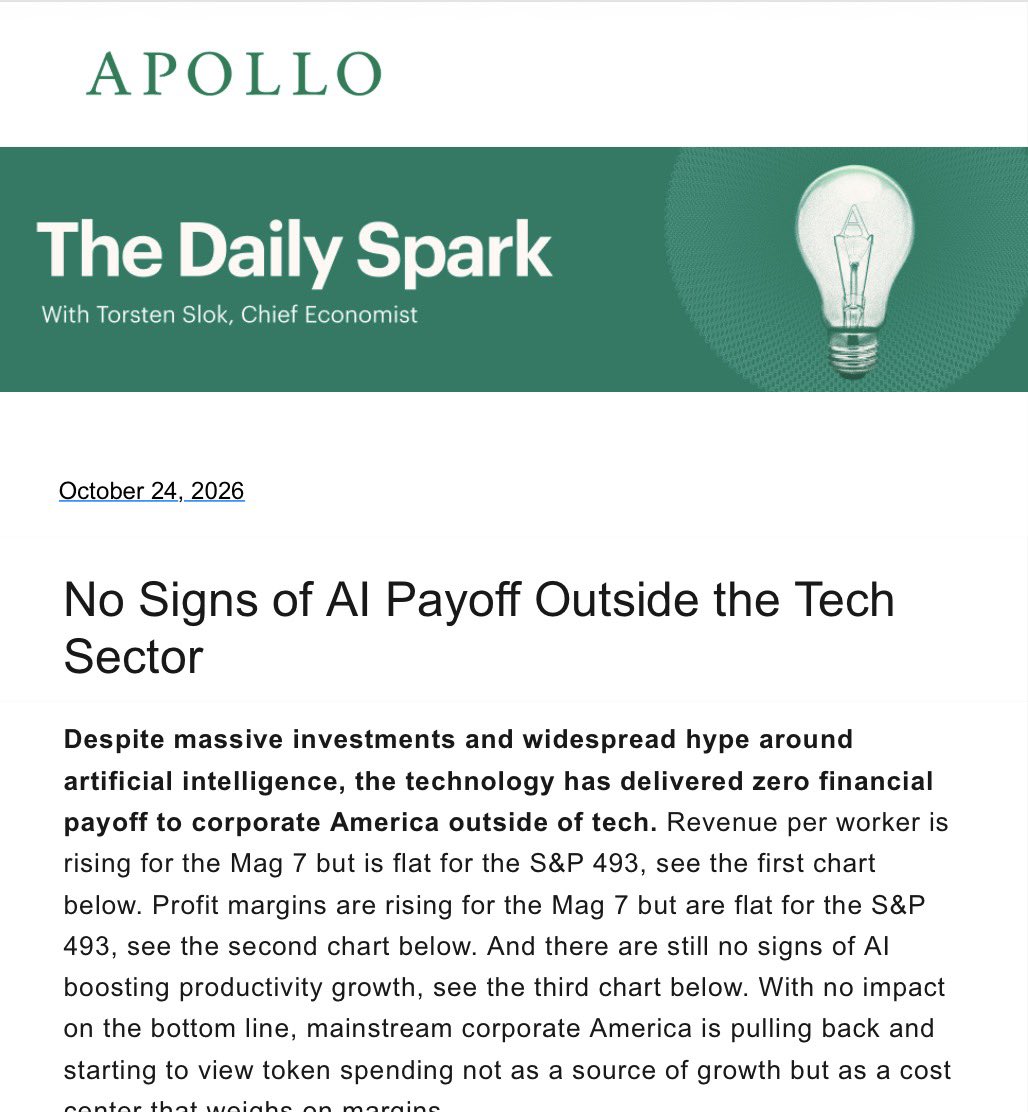
On October 24, Apollo’s chief economist, Torsten Slok, published a report arguing that AI has yet to deliver a visible financial payoff outside the technology sector. It has prompted concern that the enormous investments in AI may not deliver the expected returns.
I’m currently in China, giving speeches and interviews about precisely this question: what happens when a general-purpose technology enters the economy?
As I describe in my recent book “2050”, history offers a fairly consistent answer: 𝗳𝗶𝗿𝘀𝘁 𝗰𝗼𝗺𝗲𝘀 𝘁𝗵𝗲 𝗵𝗮𝘀𝘀𝗹𝗲. 𝗧𝗵𝗲𝗻 𝗰𝗼𝗺𝗲𝘀 𝘁𝗵𝗲 𝗽𝗮𝘆𝗼𝗳𝗳.
Companies must build systems, reorganise workflows, train people and discover what actually works. Initially, the costs are visible while the benefits are still under construction. Productivity can even fall during the transition.
A concrete example: today, Y (https://t.co/ZI8qe9KTD9) the Danish media company I co-founded 15 months ago, launched its full-scale news service. We are 14 people delivering what we estimate would normally require around 400.
But getting it to work was quite a project. For almost a year and a half, we had costs, complications and no finished service to show the public.
𝗡𝗼𝘄 𝘄𝗲 𝗱𝗼.
Economist Carlota Perez distinguishes between the 𝗶𝗻𝘀𝘁𝗮𝗹𝗹𝗮𝘁𝗶𝗼𝗻 and 𝗱𝗲𝗽𝗹𝗼𝘆𝗺𝗲𝗻𝘁 phases of technological revolutions. First, we build the foundations and learn how to use the technology. Then its benefits spread through the economy.
You cannot judge a restaurant’s productivity while the kitchen is still being installed.
The mass-market generative AI wave began less than four years ago. A delay between extraordinary technical capabilities and economy-wide productivity gains is hardly surprising.
𝗧𝗵𝗲 𝗮𝗯𝘀𝗲𝗻𝗰𝗲 𝗼𝗳 𝗮𝗻 𝗶𝗺𝗺𝗲𝗱𝗶𝗮𝘁𝗲 𝗽𝗮𝘆𝗼𝗳𝗳 𝗶𝘀 𝗻𝗼𝘁 𝗲𝘃𝗶𝗱𝗲𝗻𝗰𝗲 𝘁𝗵𝗮𝘁 𝗶𝘁 𝘄𝗶𝗹𝗹 𝗻𝗲𝘃𝗲𝗿 𝗮𝗿𝗿𝗶𝘃𝗲.
And a reassuring footnote: just yesterday, SpaceX announced a $40 billion AI hardware financing deal with … an Apollo affiliate.
It is good to see that Apollo’s reservations about AI still leave room for considerable conviction.
𝗦𝗪𝗜𝗦𝗦 𝗥𝗢𝗟𝗟, 𝗚𝗘𝗥𝗠𝗔𝗡 𝗦𝗧𝗔𝗟𝗟
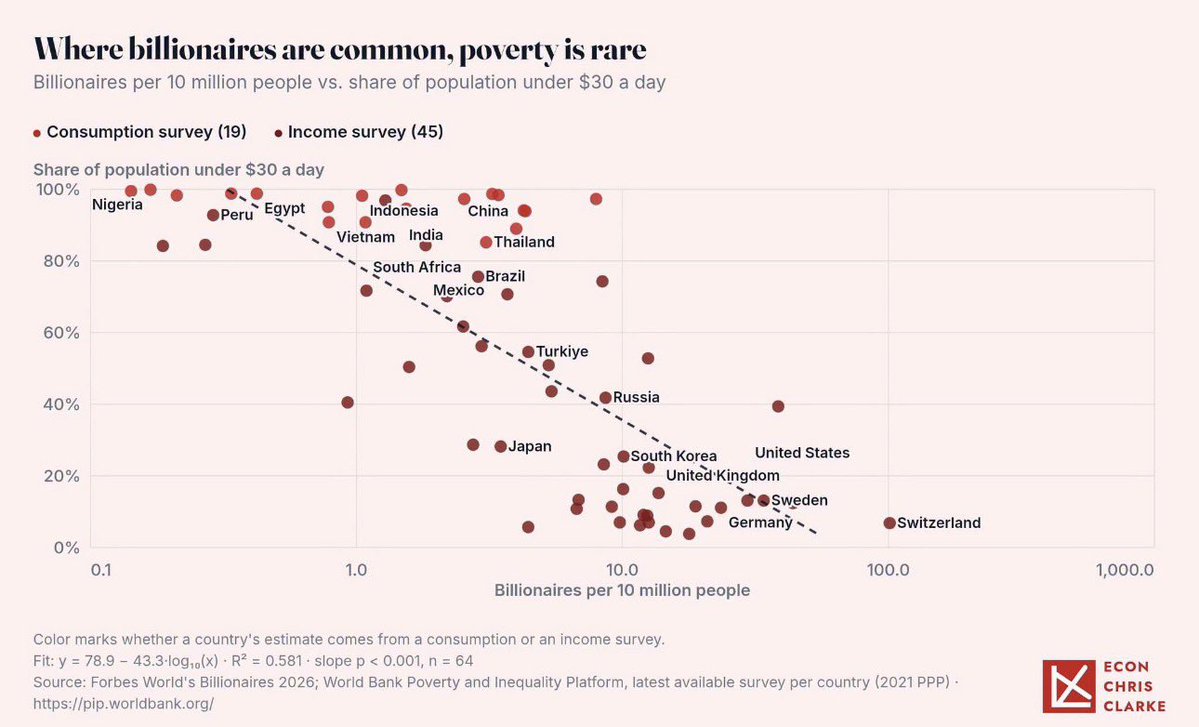
Between 2015 and 2025, Swiss industrial production grew 𝟯𝟲%, while Germany’s dropped 𝟭𝟭%.
This despite Swiss salaries being roughly 𝟱𝟲% 𝗵𝗶𝗴𝗵𝗲𝗿.
Germany suffers from 𝗼𝘃𝗲𝗿𝘁𝗮𝘅𝗮𝘁𝗶𝗼𝗻, 𝗼𝘃𝗲𝗿𝗿𝗲𝗴𝘂𝗹𝗮𝘁𝗶𝗼𝗻, and one of the world’s most bizarre 𝗲𝗻𝗲𝗿𝗴𝘆 𝗽𝗼𝗹𝗶𝗰𝗶𝗲𝘀.
In political debate, the claim that France is suffering from “austerity” is one of the most absurd that can be made.
France is a structurally socialist country. No single centre-right government can change that.
Fifty-seven per cent of the country’s GDP is consumed by public expenditure. Fifty-seven.
The scale of the French welfare state is enormous - even by Nordic standards.
The tragedy is that France finances most of this through debt.
That debt will one day have to be paid by the young people now marching in the streets. They will wake up to a brutal reality.
Virtually every affliction France suffers from is the product of socialism - not of cuts.
GPUs are aging like fine wine, with rental rates up across the board since January 1st
Approximate change YTD:
- H200: +160%
- B200: +120%
- RTX PRO 6000: +65%
- H100: +35%
Even the 6-year-old A100 rents for more than it did at the start of the year
Charts of the Week: https://t.co/KJWFSaIGCd
Denmark spent decades building nearly 5,000 wind turbines
Together, they produced 21.6 TWh in the last 12 months
One nuclear plant in Sweden made 23.3 TWh
Oh, and nuclear runs 24/7 — wind doesn’t
There's one big reason Denmark has some of the most expensive electricity in the world
https://t.co/SiPeo0tE9Z
https://t.co/hvsqEWOpuJ
https://t.co/HyQp2owXAX
https://t.co/8ggd62dywW