Are you working on AI & Access to Justice?
Submit a 4-12 paper on your work to this hybrid workshop at the JURIX conference: https://t.co/hyVtXCtl5I
Deadline is Nov. 20, conf is Dec. 18
#legaltech#legaldesign#accesstojustice
We developed a data standard to help local courts supply both search engines and state websites with up-to-date official information. @LegalDesignLab graciously allowed our own Brian Guayante to write about it on A Better Legal Internet. Read more here: https://t.co/BB0j8ru0PQ
About to talk through how researchers can use the @leagueofcities new #Eviction Prevention Policy & Programs Tool -- along with city leaders to talk through how they can use it to develop policy agendas.
See the tool here: https://t.co/BR2nqP3hEV
Today's must read: @noraalhaider writes about her work with the late, legendary designer @virgilabloh & groundbreaking architect Oana Stanescu to design hybrid courts, so they work for people
https://t.co/9fjDDOjPHI
Tomorrow our Stanford team is hosting a webinar on the Filing Fairness Project. It's for those building justice tech to help them build at scale, like
@JusticeTechAssn, @probono, @donotpay, @goLawyaw, @SuffolkLITLab, @JustFixNYC, @upsolvebk
Sign up! https://t.co/IfCELUCCIq
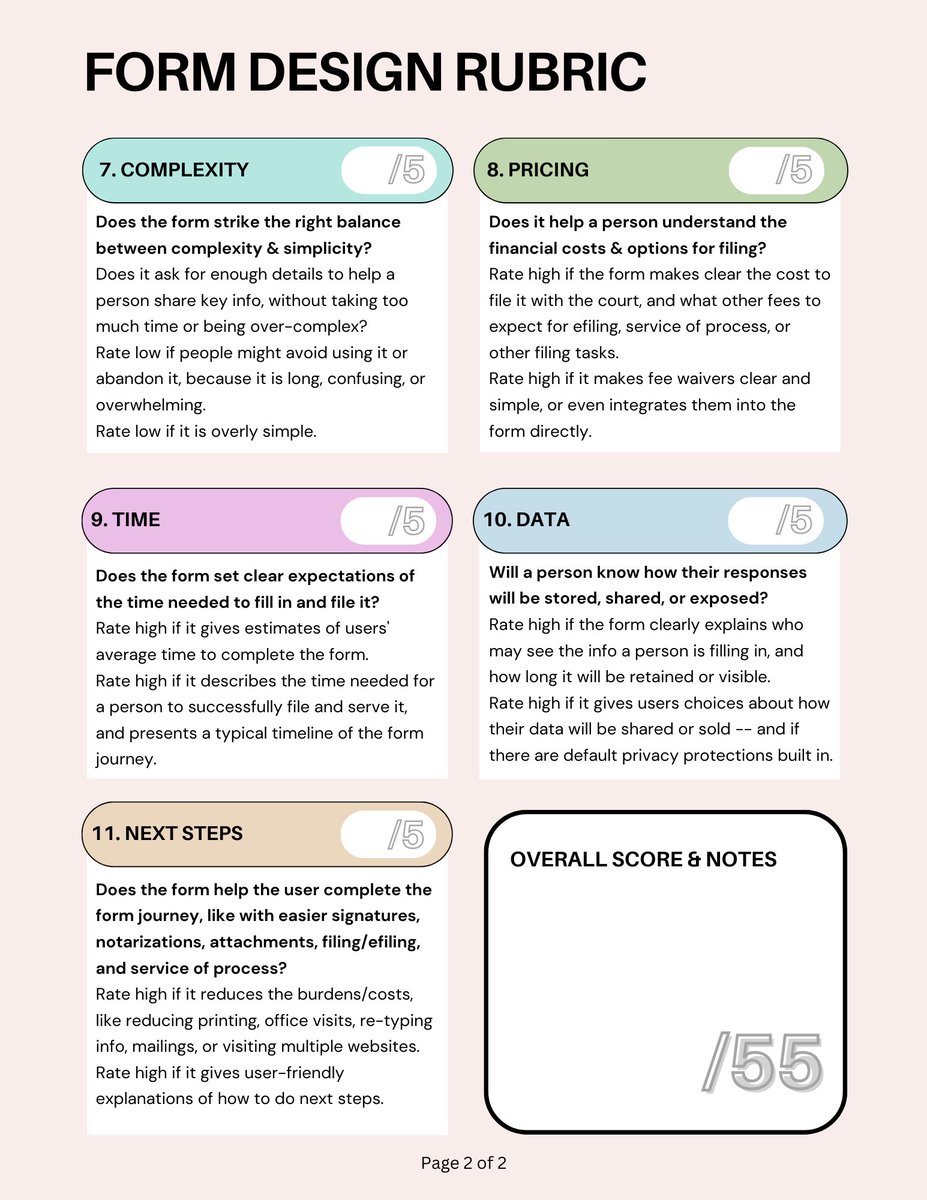
Last week, @margarethagan from @StanfordLaw's @LegalDesignLab presented during our #NCSCWebinar Forms Camp series. The presentation is distilled into this blog post, which describes how #courts can successfully design court forms to better aid #A2J.
https://t.co/zP08oWhqaR
This #NCSCWebinar has concluded. The recording and materials will be available soon at https://t.co/euBJmRS873.
The Forms Camp webinar series will continue over the coming weeks. You can register for the upcoming sessions at https://t.co/MHhE64CRM9.
Other helpful form design tips:
✔️Avoid placing too much text on a single page. A wall of text is stressful.
✔️White space helps guide users to important information, encourages users to keep reading and gives the brain a break.
✔️Font size is vital to ensure readability.
What visual elements should #courts use in form design? All the below.
Tip: Place the right information in the right location. Compose your form from the top left corner for highest priority. Make the form "glance-able," so that a user can understand the form in under a minute.
To create better forms, #courts need to view forms from the user's perspective. A successful court form should be engaging, strategic and comprehensive. It should also be easily accessible.
For many, forms are the entry point to the civil legal system. Yet, #court form development and design can sometimes be overlooked.
A successful form is an access to justice key, helping users participate in the court system.
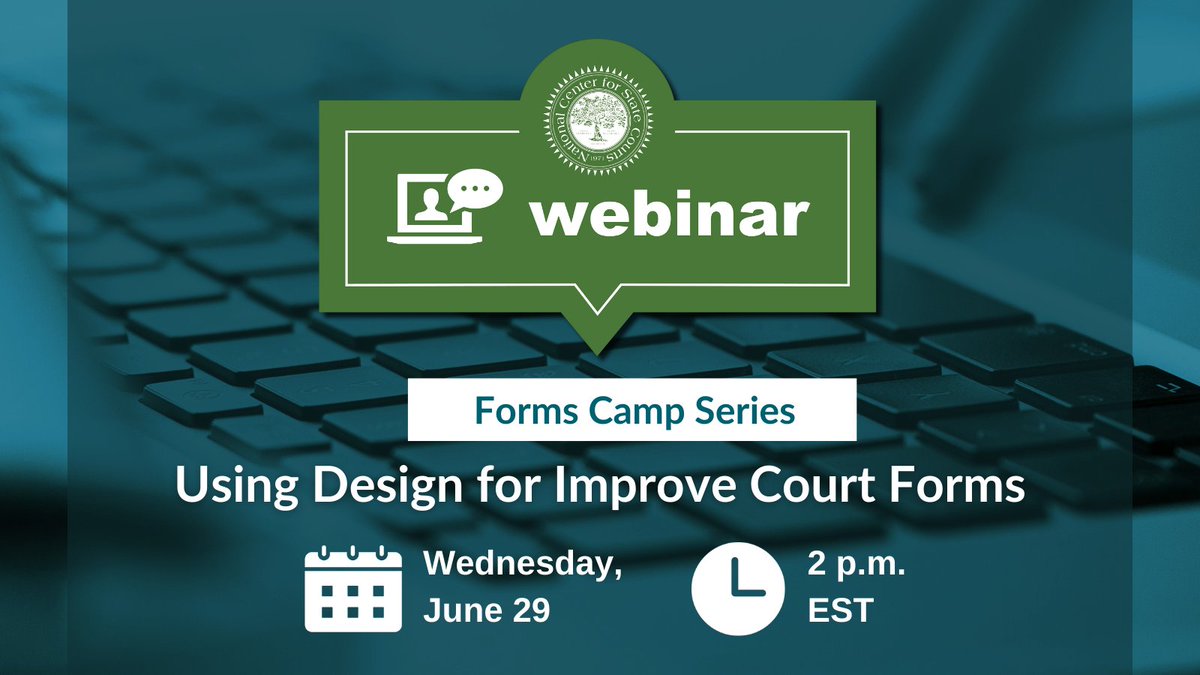
Our Forms Camp webinar series is starting soon. Register: https://t.co/NzjAkEqKsp.
Counselor @margarethagan w/ @LegalDesignLab at @StanfordLaw will show you how design impacts communication and understanding of court forms.
Let us know your insights by tweeting w/ #NCSCWebinar.
ABF Affiliated Scholar Margaret Hagan (@margarethagan) was recently mentioned in a @TheLegalNews article highlighting the success of "Tiny Chats", the National Center for State Courts (@StateCourts) legal web show where Margaret has been a featured guest.
https://t.co/XLVS8BYYn6
How do we connect more people who are searching online, to help for their legal problems? @pewtrusts have a new piece highlighting simple strategies: https://t.co/D30STYnLak
including some of the work our @LegalDesignLab has been working on!
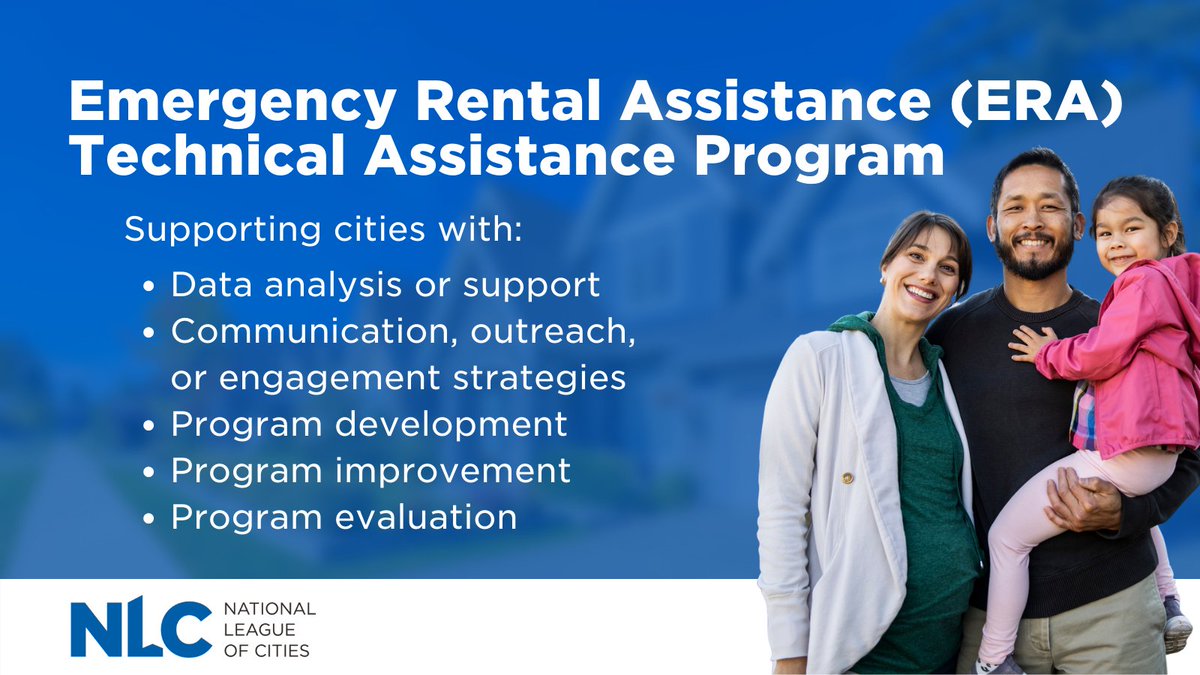
NLC and Stanford Legal Design Lab @LegalDesignLab have selected 5 cities to participate in the Emergency Rental Assistance (ERA) Technical Assistance Program. Learn more about the program and selected cities here:
https://t.co/lLdUoAiHV9
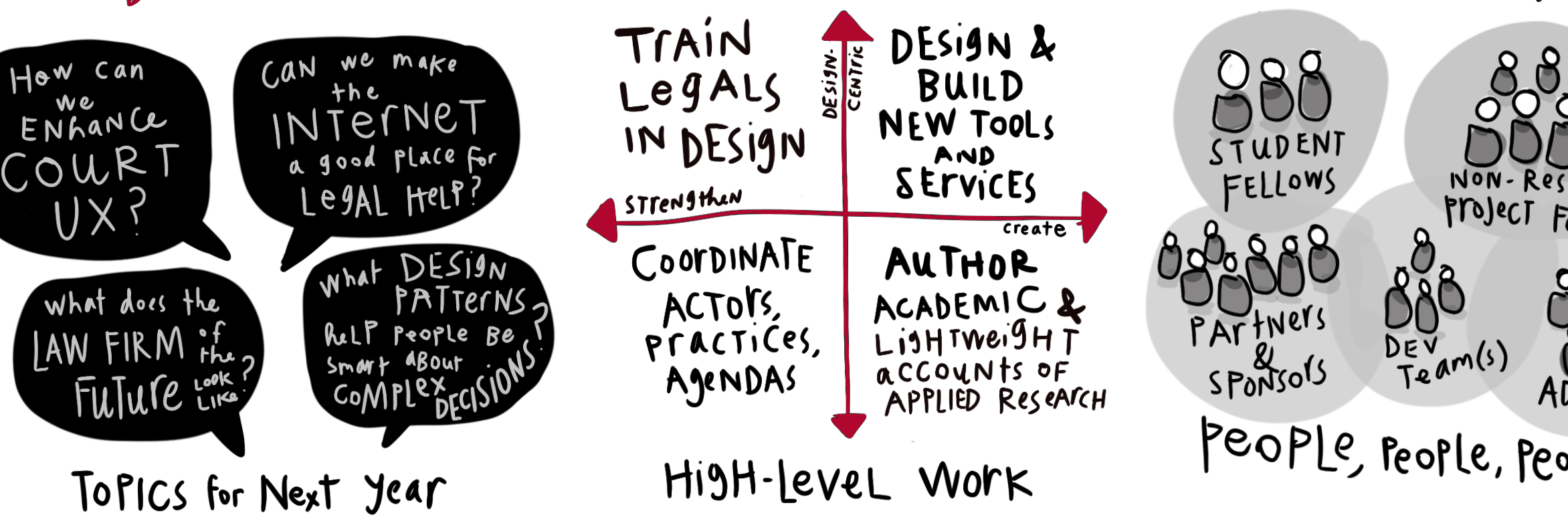
Forms problems, people problems. I'm teaching a new class at @StanfordLaw on improving the forms experience & court data infrastructure. https://t.co/DB9QXhz1UD To that end, I've been drawing out people's court form problems. What am I missing?