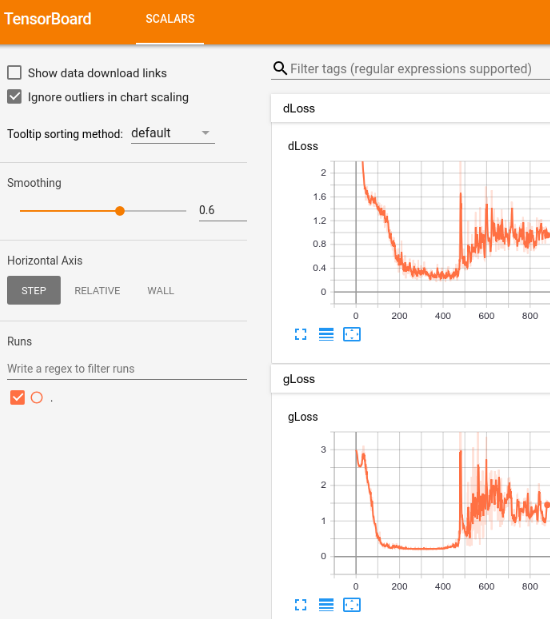
We built bsuite to do two things:
1. Offer clear, informative, and scalable experiments that capture key issues in RL
2. Study agent behaviour through performance on shared benchmarks
You can get started with bsuite in this colab:
https://t.co/qEGlFBgBiK
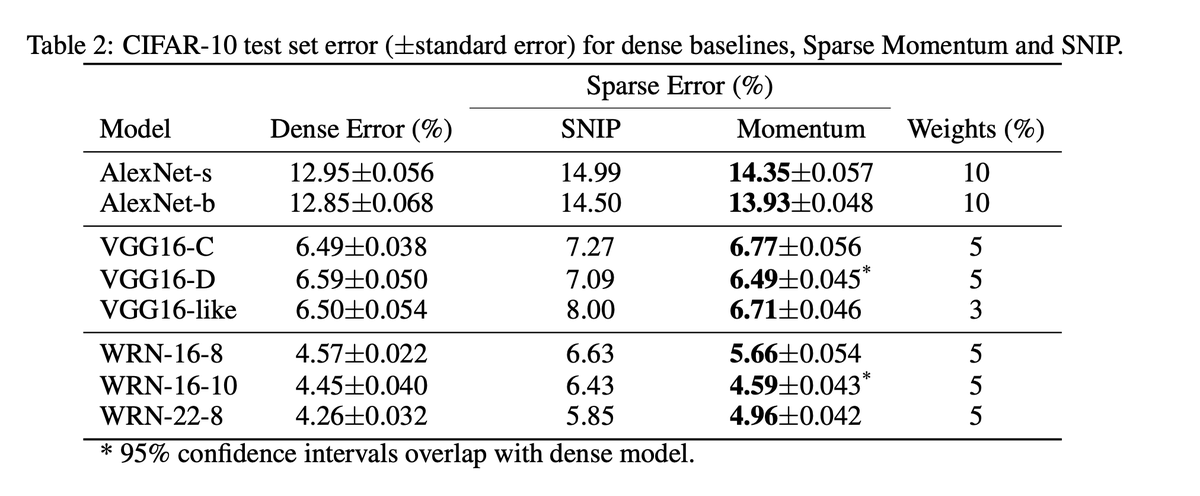
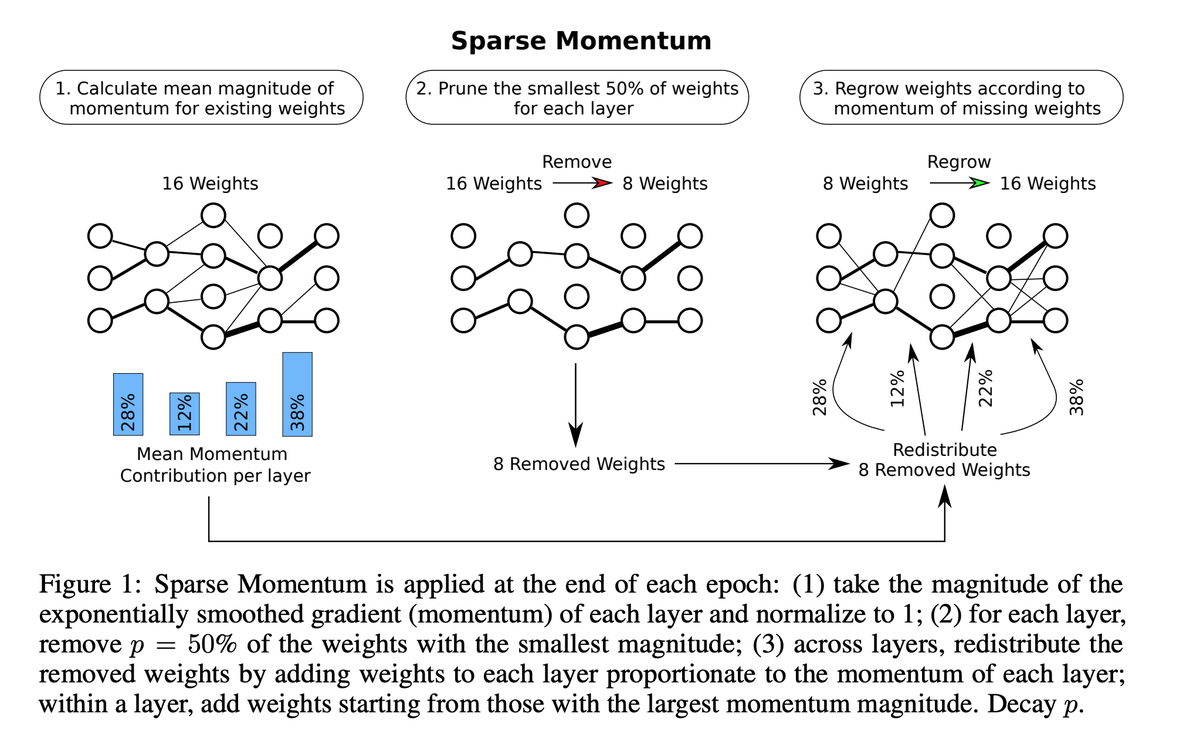
Sparse Networks from Scratch: Faster Training without Losing Performance
By @Tim_Dettmers
Finds "winning lottery tickets" – sparse configurations with 20% weights and similar performance.
SoTA on MNIST, CIFAR-10, and ImageNet-2012 among sparse methods
https://t.co/7AHkBRZE4Y
Temporal Cycle-Consistency Learning (TCC) is a novel self-supervised method for learning representations that are well-suited for fine-grained temporal labeling of video. Learn how it’s done and download the TCC codebase to try it out for yourself! https://t.co/HhSGSGaTLu
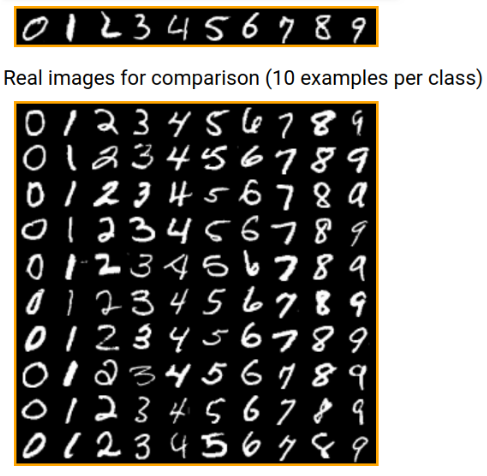
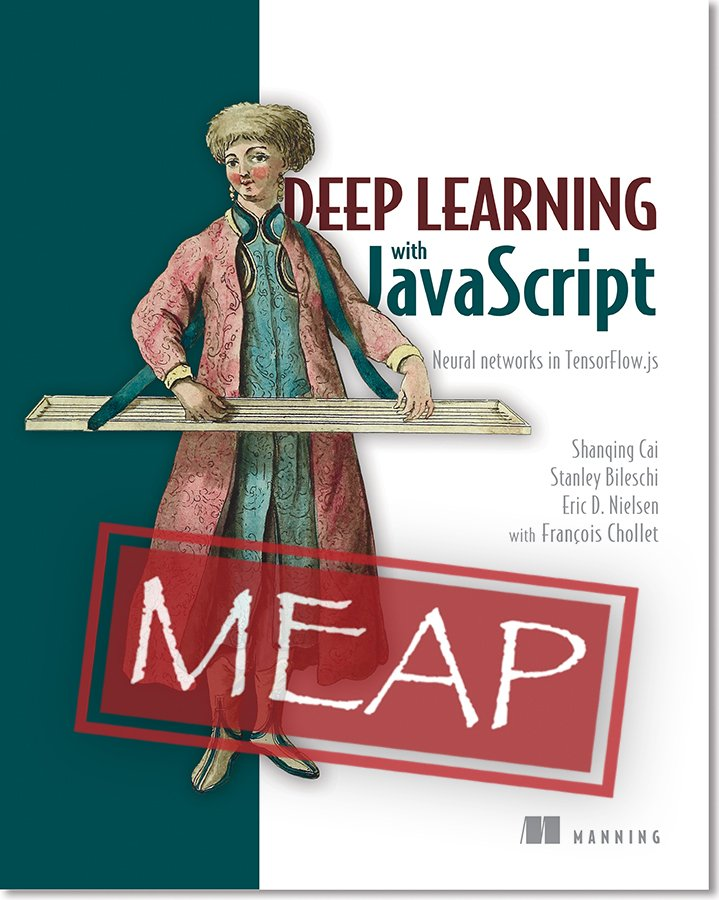
Chapter 9 of "Deep Learning with JavaScript" was recently released to #MEAP. It covers the basics of generative deep learning (VAE, GAN, & RNN-based sequence generation) and how to train and serve such models in TensorFlow.js. @xtan@fchollet
https://t.co/nATdqUMljX
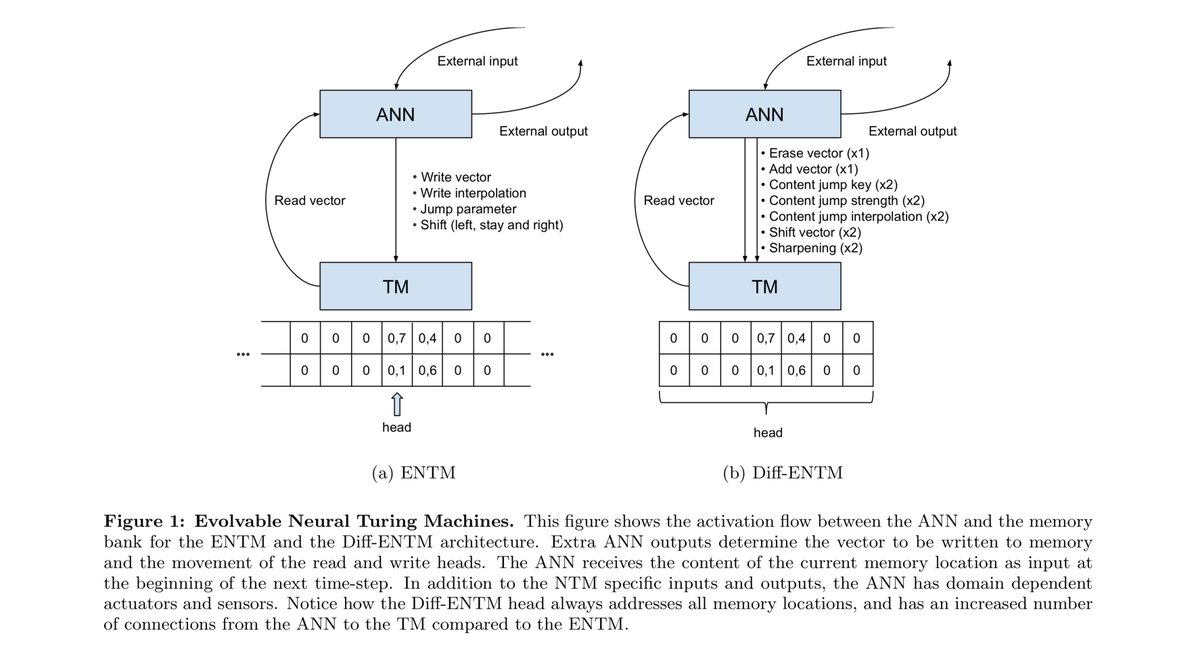
Evolving Neural Turing Machines (GECCO 2016 🦎)
“We introduce an evolvable version of NTM and show that such an approach greatly simplifies the neural model, generalizes better, and does not require accessing the entire memory content at each time-step.”
https://t.co/5K2lB8PZsv
The release of the Beta for TensorFlow 2.0 is here! We've closed over 100 issues you reported against the alpha release. Your feedback has helped us get to where we are today, please keep it coming!
Get more info here → https://t.co/glR25MmaQE
Super excited to be at DeepCon on June 8! We'll look at
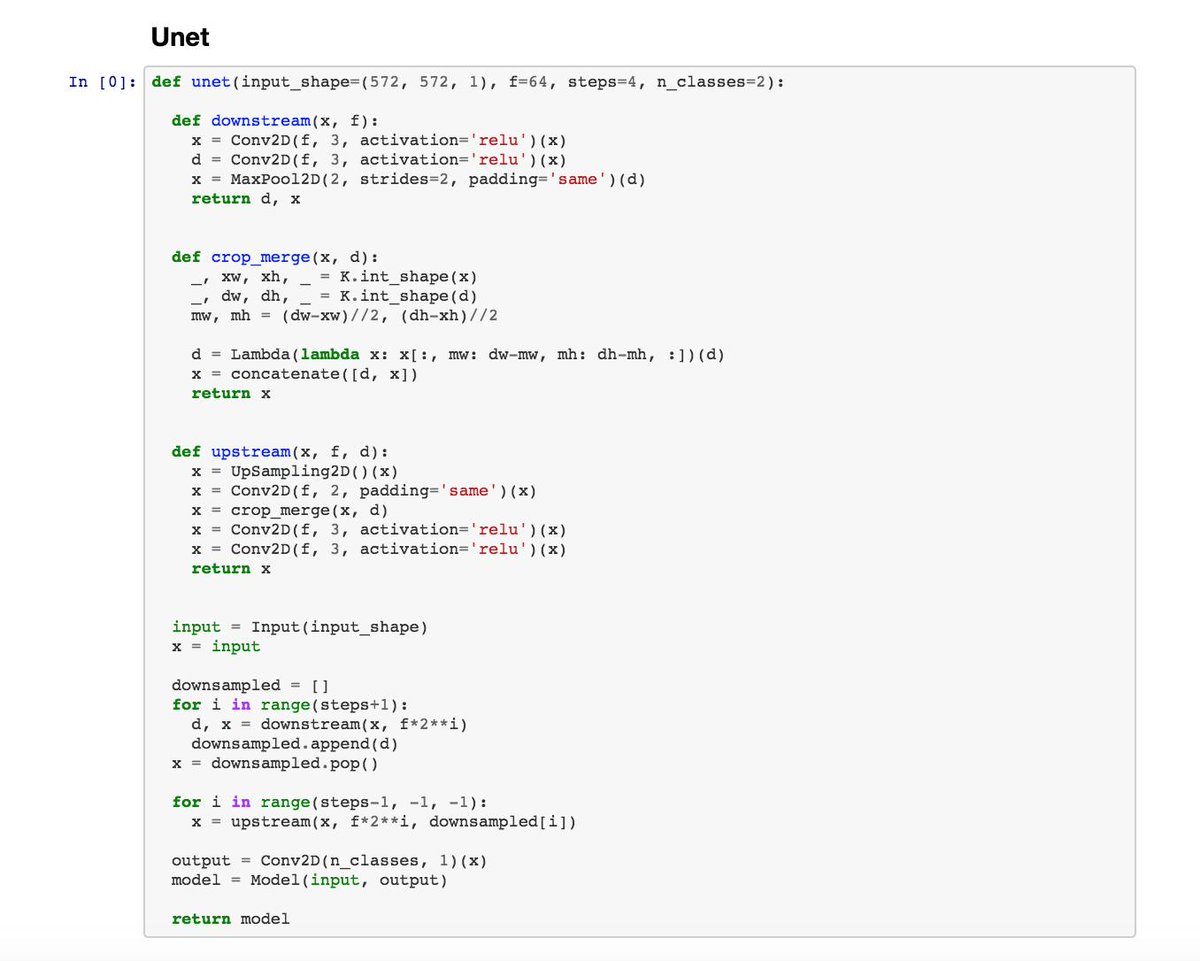
AlexNet
VGG
Inception
MobileNet
ShuffleNet
ResNet
DenseNet
Xception
U-Net
SqueezeNet
YOLO
RefineNet
The workshop will be recorded, you can find our code on GitHub (Part I: ConvNets.ipynb) @dkatsios https://t.co/pXELcJX6Tw
You don't need to know everything. You don't really need a formal background in this or that -- though it helps. You don't even need a PhD.
You do, however, need to be constantly learning. Be curious. Read books. Don't be "too busy" to learn, or otherwise proud of your ignorance
For those interested in #privacy tools for #AI, check out this @Udacity course on Secure and Private AI, covering:
- Differential Privacy
- Federated Learning
- Encrypted AI
with guests from:
- @DeepMindAI
- @GoogleAI
- @UniofOxford
- @Apple
- @OpenAI
https://t.co/vL67W22Mxy
Here's regression example on the Ames Housing Price dataset. This dataset turns out to be great for demonstrating how to vectorize structured data, and how to handle missing features. https://t.co/aEQDn38psw
Thanks to @micahjsmith for suggesting this dataset!
EfficientNets: a family of more efficient & accurate image classification models. Found by architecture search and scaled up by one weird trick.
Link: https://t.co/EwvHYMjtt6
Github: https://t.co/vrRnVJVQNh
Blog: https://t.co/0pPZmTxfUs
ConvNets on microcontrollers (e.g. Arduino Uno). In ranges of ~1cm^2 chips, ~$1 costs, running at ~1mW, and 4 MOPs/Sec, 2KB of RAM (intermediate tensors), and 32KB flash (weights). E.g. even LeNet is 420KB model and 177KB RAM. Very interesting to see this line of work develop.
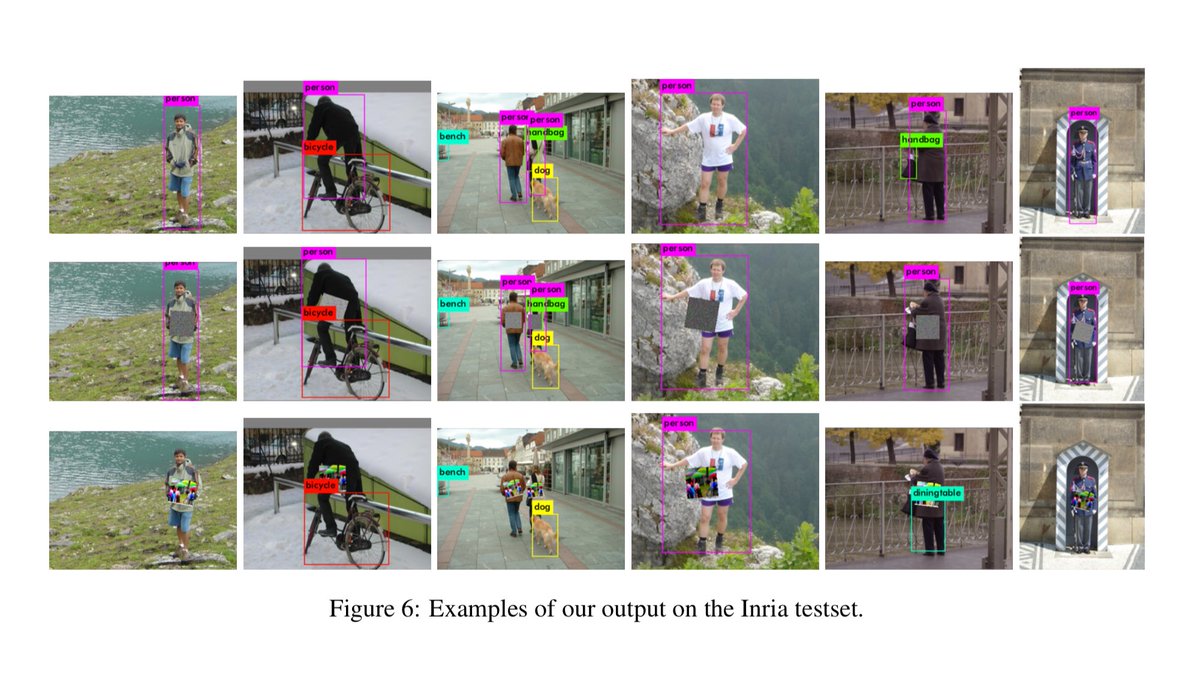
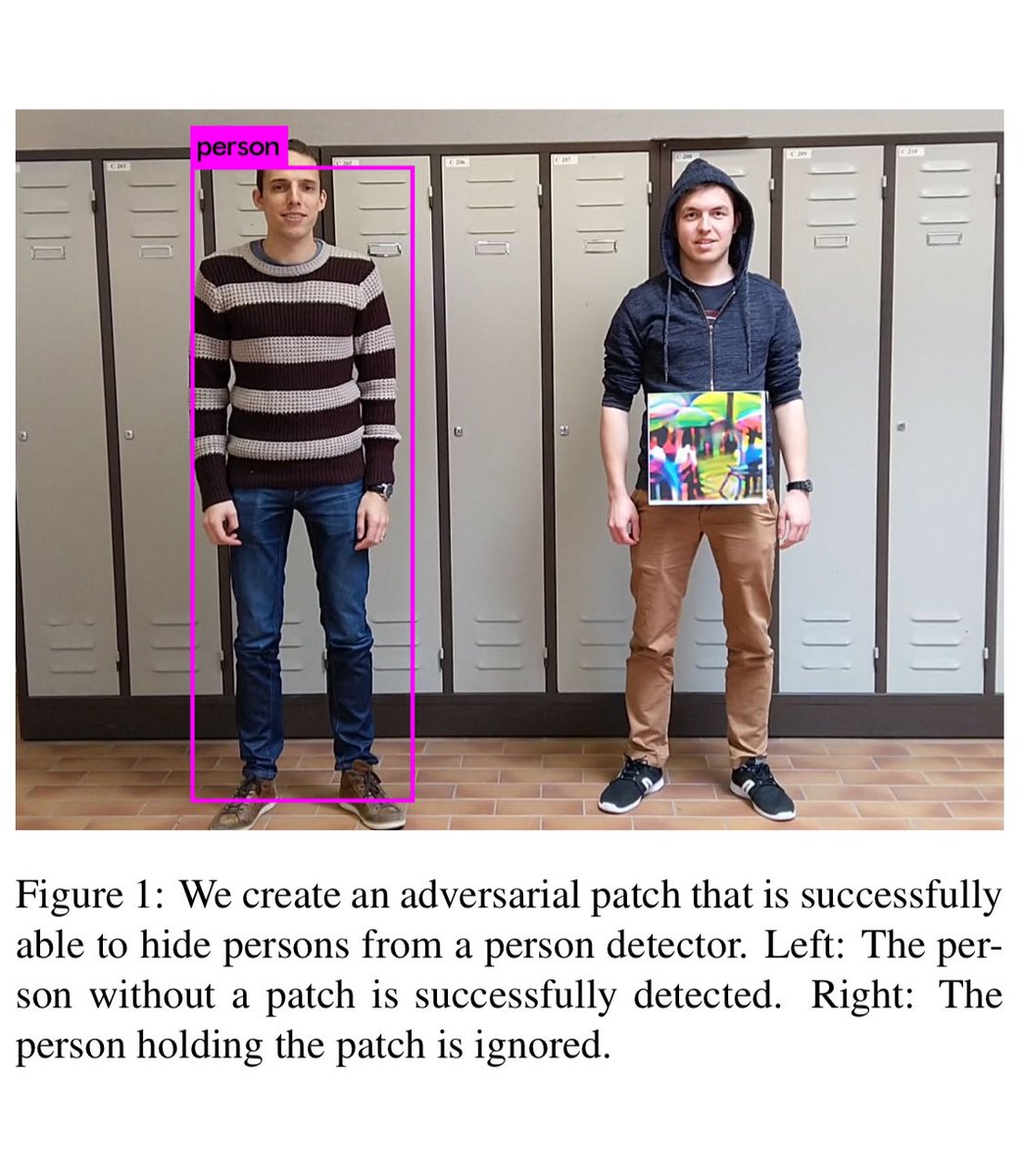
If you replace AI research with 3D printer R&D, this is the equivalent of saying: "we're building a matter photocopier. When we're done we can just mass produce absolutely anything for free & sell at 100% margins".
AI is math & engineering. It isn't magic. It isn't a free lunch.
How quickly can we build a captcha reader using deep learning? Check out yourself the Captcha cracker built @TensorFlow 2.0 and #Keras
https://t.co/aOvVotwQP5