What tariff policy closes a long-run trade deficit? As it turns out, this is an ill-posed question, as we explain in this note. (1/n)
https://t.co/0apDD7E7qu
@ALashkaripour@InaSimonovska But my main point is, T=0 creates a very misleading picture of what tariffs could do for deficits. I am guessing model returns higher v for US than others, so under trade RoW transfer more to US than they receive? can v's be disciplined in some way?
@ALashkaripour@InaSimonovska In intl macro, steady state T's are due to heterogeneous asset markets (contracting institutions, risk profiles, etc). tariffs are unlikely to be a primary driver of these. outside of SS, tariffs might matter due to changes in growth rates, but likely not quantitatively important
Want to do a funded, joint @OxfordEconDept-@CMAgovUK PhD on market power?
@howardwsmith and the CMA Microeconomics Unit are looking for promising candidates interested in working on "Beyond markups: understanding changes to competition, concentration, and market power".
1/2
🚀 I'm on the job market this year! 🚀
Excited to share my JMP: "The Messenger Matters"
Does it matter who communicates policies to the public? Yes! The messenger impacts both the reach and influence of communication.
Using big data, an experiment, and theory, I show how. 🧵👇
👿Job Market Paper👿
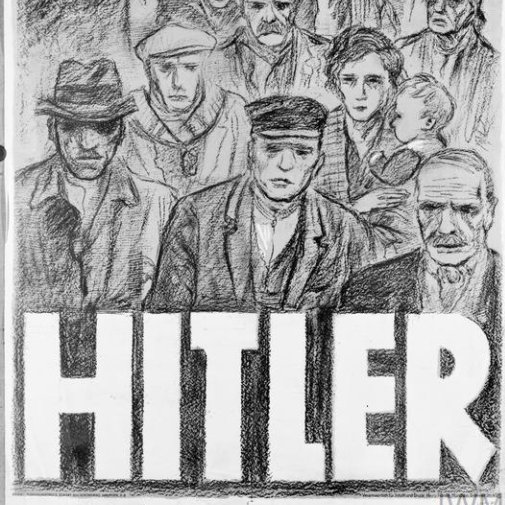
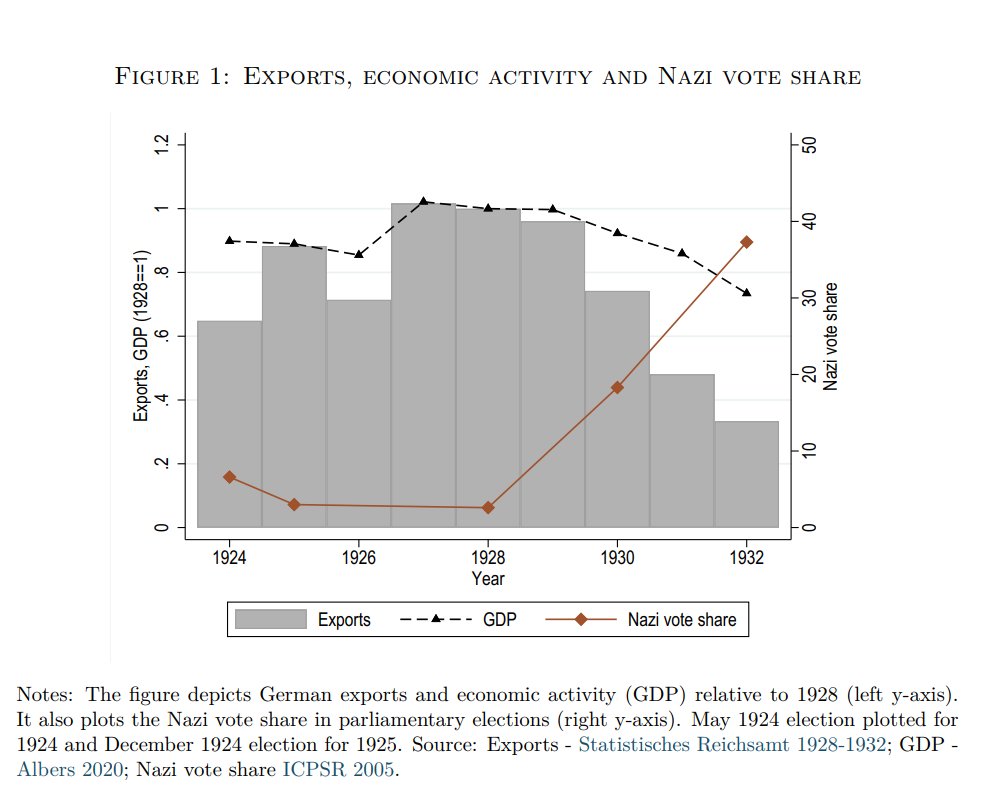
"The consequences of a trade collapse: Economics and politics in Weimar Germany" (https://t.co/M6SCbwFKBe)
Ever wondered whether the Great Depression's trade collapse radicalized Germans to vote for Hitler?
Spoiler: Internal trade linkages matter!
Hello! As you can tell I’m on the market this year! If you‘re interested, have a look at my website for my job market paper & further research: https://t.co/9JaSMdjiuU - thanks!
#YoungEconomistPrize finalists: Alba Patozi looks at the green transmission of monetary policy. Her research shows that, in response to a shock to monetary policy, green firms are significantly less impacted than their ‘brown’ counterparts. Read more at https://t.co/PJLtGVbpuo
@StHughsCollege is hiring for a Stipendiary Lecturership in #Macroeconomics from 1st Oct 2023.
This is a 2-year fixed-term position that may be suitable for someone who has recently completed or will shortly submit a PhD or DPhil: https://t.co/UBaYkII8Tv
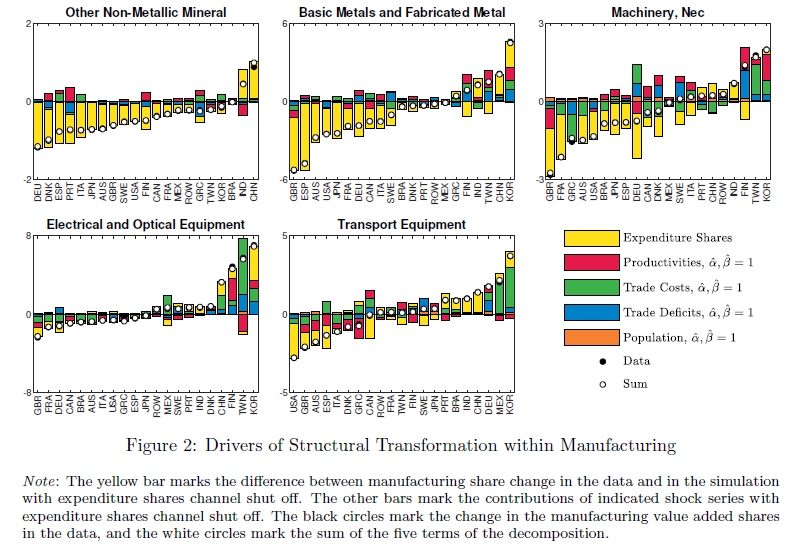
To sum up: trade is important to think beyond the standard hump-shaped story in two ways. First, to understand why individual countries deviate from the textbook pattern, and second, to open the black box of `aggregate manufacturing’. Thank you for the read!
Halo world! A new* working paper is out on structural change in an open economy! A thread with a summary, any feedback/thoughts much appreciated!
*not new, been in the works for cc a century.
Second, unsurprisingly, trade specialization is important for thinking about the composition of manufacturing sector. Applying to 11 sub-sectors of manufacturing, I find that half of the dynamics in high-tech sub-sectors in particular is due to these open economy forces.