🍬 What a child eats in their first two years can quietly shape their brain for life. A new npj Aging study found that people who ate very little sugar during their first 1,000 days, from conception to about age two, had a 27% lower risk of dementia and a 46% lower risk of #Alzheimers decades later.
🧠 The brain develops and connects most quickly in those early years. Low sugar intake during this time seems to shape the brain and set lifelong taste preferences. Kids who have less sugar early on usually crave less as adults. Brain scans even showed slightly "younger" brains, with more grey matter and fewer signs of aging.
It can't prove sugar is the cause, but it strengthens the case that the earliest years shape long-term brain health.
You can't go back and change your own childhood, but for someone who is pregnant or caring for a young child, these years are a real opportunity. Did you ever think infancy could have such a lasting effect?
Source: npj Aging, 2026 (UK Biobank)
#Dementia #BrainHealth #LifelineDaily
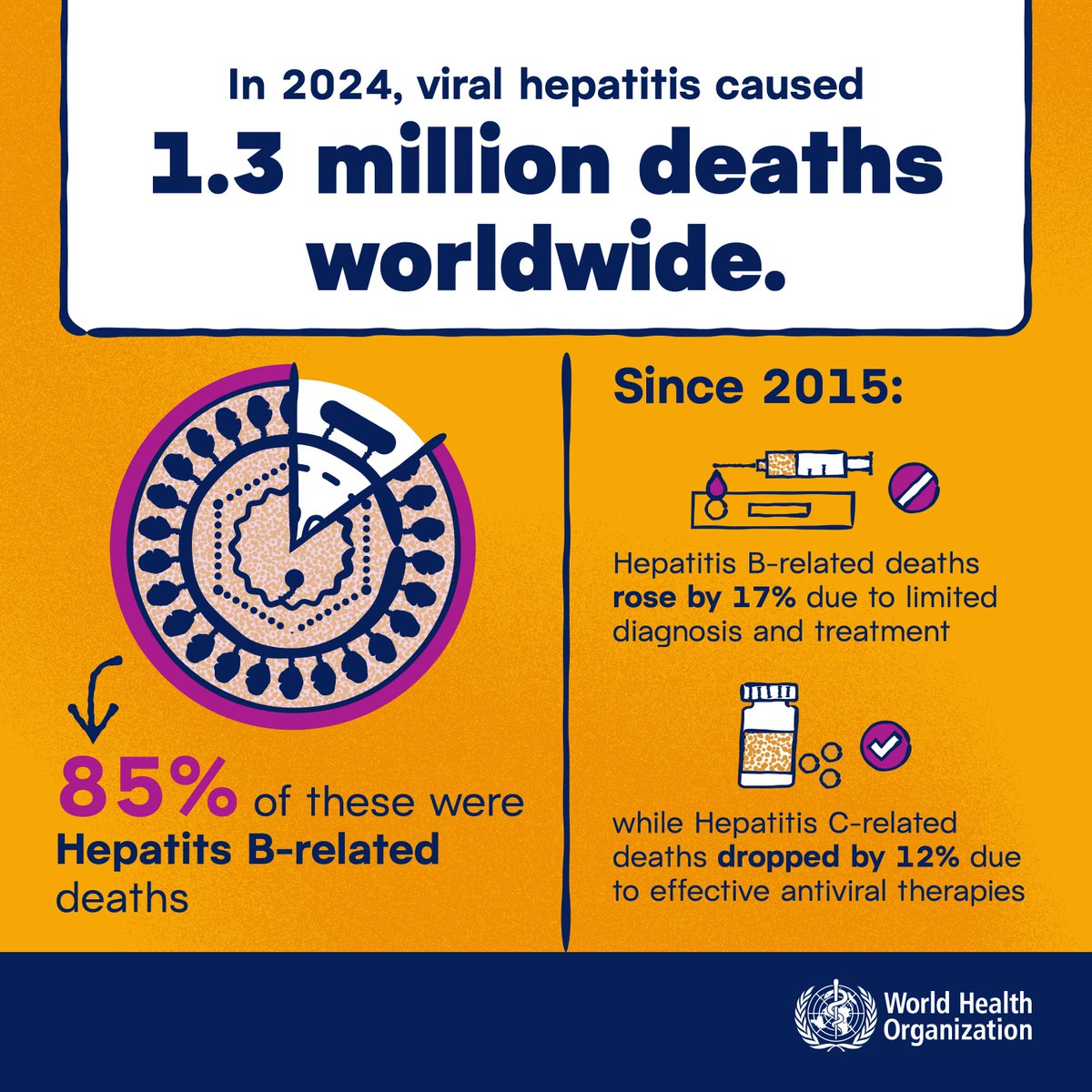
1.3 million people died from viral hepatitis B and C in 2024.
Around 85% were #hepatitis B related deaths.
Since 2015, hepatitis B-related deaths have risen by 17% due to limited diagnosis and treatment.
This is unacceptable https://t.co/bIcsfe98BF
#WorldHepatitisDay
Millions of people take a #fishoil pill every morning, trusting #omega-3, the healthy fat in fish, to protect their brains as they age. But a new study suggests it might not work that way.
Omega-3 does help build connections between brain cells. But in a two-year trial, scientists gave older adults high-dose fish oil. The omega-3 clearly reached their brains, but it did not slow memory loss or protect against #Alzheimer's.
The main takeaway is that no single pill can prevent brain aging. Living a #healthylifestyle is still your best protection.
Source: Keck Medicine of USC, 2026
#brainhealth #nutrition #Alzheimers #healthyaging #lifelinedaily #lifelineofhealth
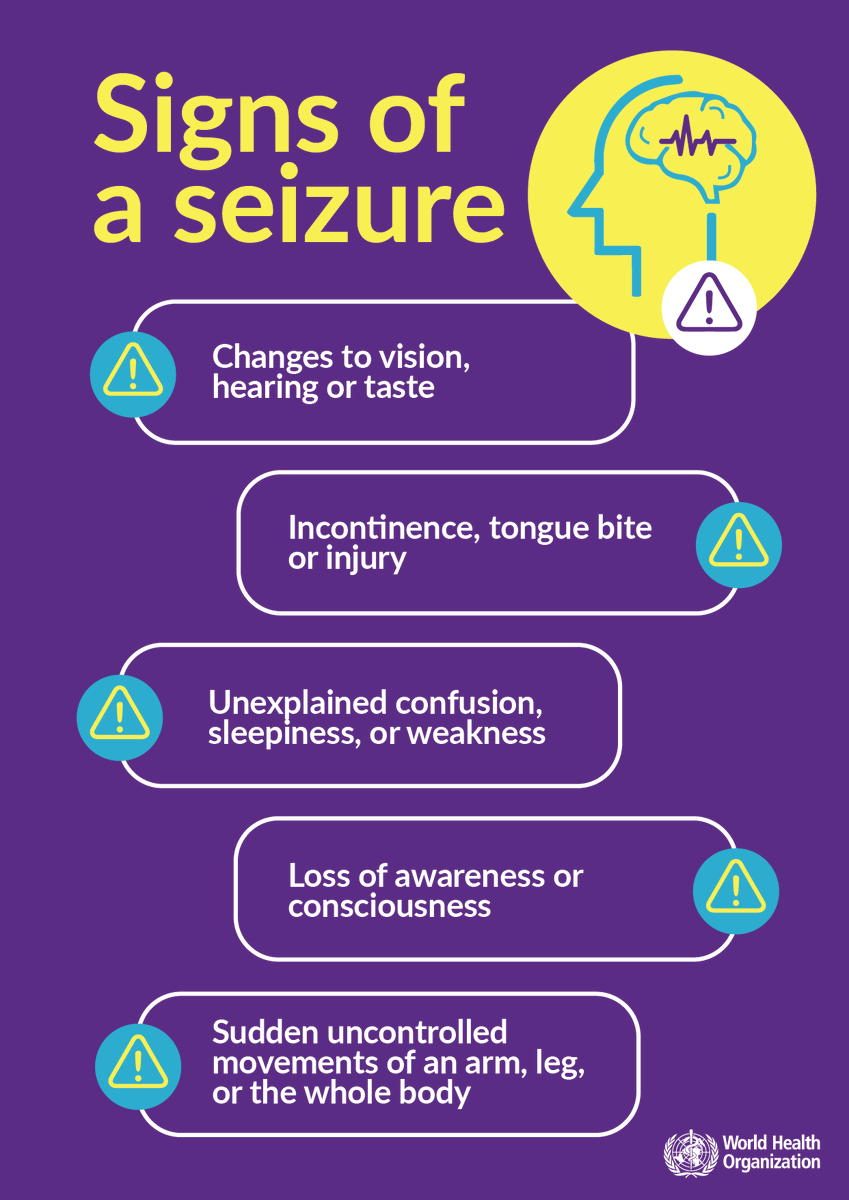
#Epilepsy is characterized by recurrent seizures.
Seizures can vary from a brief lapse of attention or sudden uncontrolled movements of a muscle to severe and prolonged convulsions.
Here's how to identify signs of a #seizure https://t.co/bT7ZDLKkzQ
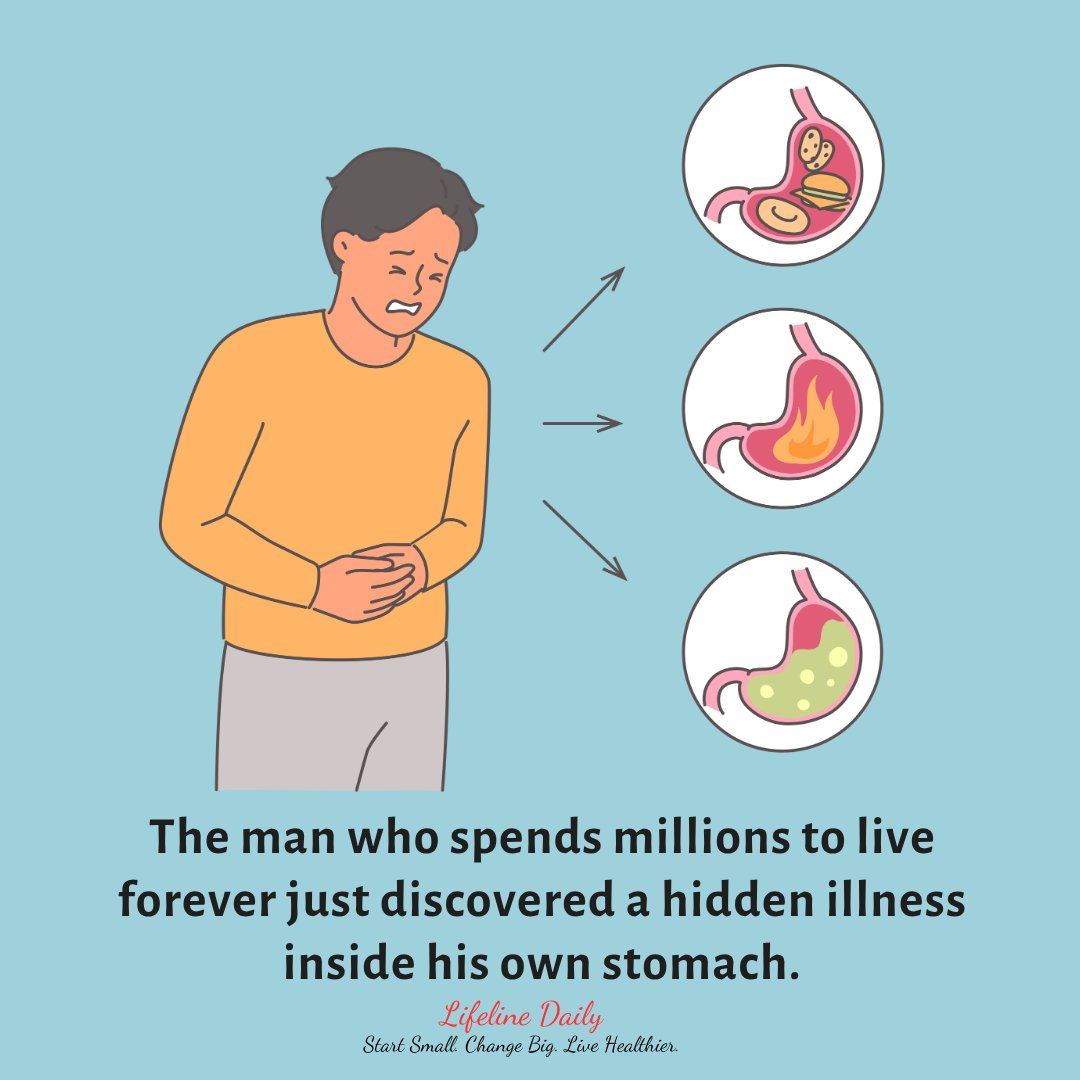
Famous #longevity entrepreneur Bryan Johnson just shared that he has a rare stomach condition.
He is famous for #Biohacking. This means using deep data, tracking tools, and strict habits such as intermittent fasting, ice baths, and plasma transfusion to upgrade your body so you can live much longer.
But a recent test showed his immune system has been accidentally attacking his own stomach lining.
This condition is called autoimmune #gastritis. It blocks the stomach from absorbing vital nutrients like iron.
It often forms silently over many years without any warning signs, showing how we treated our bodies in the past leaves a deep footprint inside us.
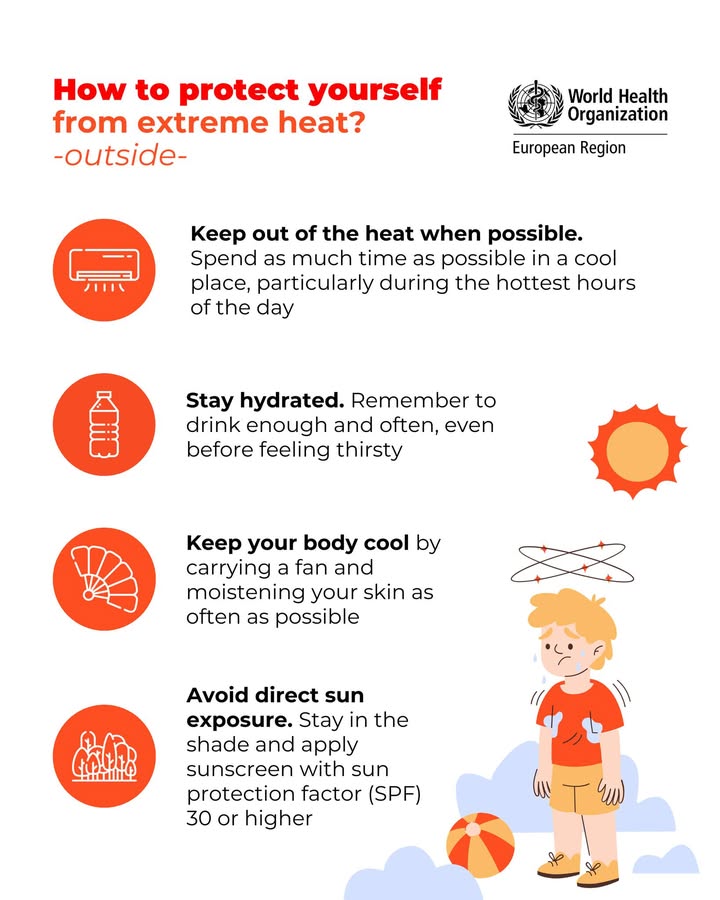
☀️ How can you protect yourself from extreme heat?
Read more: https://t.co/3vyznmCzVa
- Stay in the shade
- Drink before you're thirsty
- Close blinds during the day
- Do not leave children or animals in parked vehicles
Read more: https://t.co/3vyznmCzVa
#Endometriosis is one of the conditions that leads to severe period pain and some other symptoms.
For a long time, the only way to officially find endometriosis was through surgery. Doctors had to use a camera inside the belly just to see it. It was scary, slow, and painful.
But a major shift is happening right now. Hospitals are starting to use quick, painless tools to get answers early.
👉 One new method is a simple saliva test that checks your genetics using a spit sample.
👉Another new tool checks electrical signals in your gut.
This means no surgery is needed to determine what is happening, enabling us to provide faster treatment and a better quality of life for hundreds of thousands of women worldwide.
Source: BBC
#womenshealth #endometriosis #healthtips #lifelinedaily
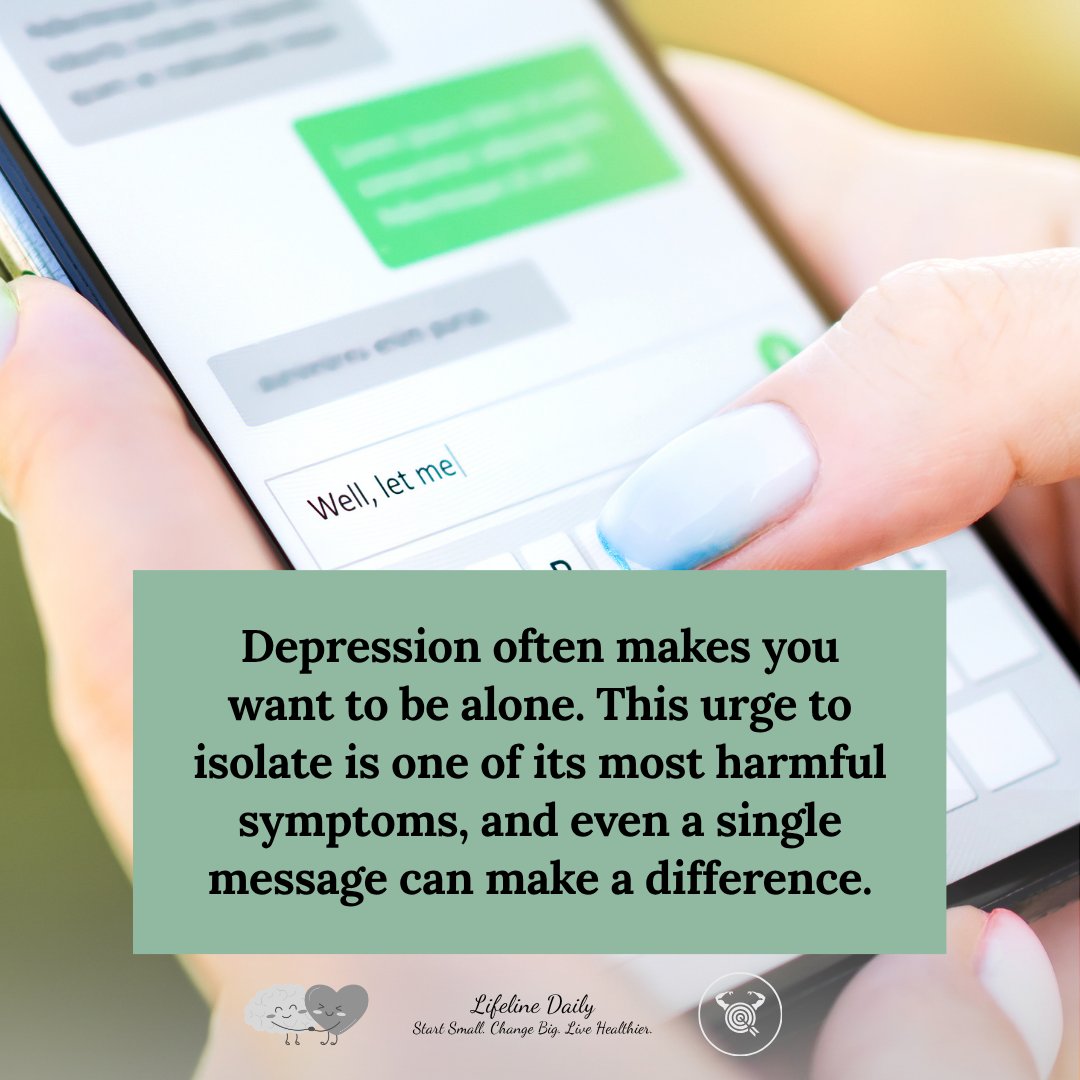
Depression pulls you toward isolation. That pull feels completely reasonable when you are in it, which is what makes it one of the condition's most damaging symptoms.
When you withdraw from other people, thinking becomes more distorted. Negative thoughts feel more true. The sense that nothing will improve, that reaching out is not worth it — all of it gets louder without the quiet interruption that human contact provides.
Connection does not have to be meaningful to help. It does not require a deep conversation or a social event you lack the energy for. Even low-level contact — a short message, a brief call, a walk alongside someone with no pressure to explain how you are feeling — is enough to interrupt the isolation loop.
The goal is not to feel better immediately. It is to keep a thread to the world intact on the days when depression is loudest.
Start with one person. One message. That is enough for today.
If reaching out feels impossible, that is worth noticing — it may be a signal that professional support would help more than any habit change.
Is there one person you could send a message to today — just to check in?
#lifelinedaily #mentalhealth #depression
Indoor exercise still works. The neurochemical benefits — serotonin up, cortisol down — are real regardless of where you move.
But research consistently shows that taking the same activity outside produces measurably better mood outcomes than doing it indoors.
Natural light, green space, and reduced mental noise all lower cortisol — the hormone your body releases under stress — more effectively than an indoor environment does. Physical movement and nature act on your nervous system in ways that neither does as well alone.
You do not need a trail or a long route. A park, a tree-lined street, or any green space within reach is enough. Even low natural light on an overcast day makes a difference.
If you exercise regularly indoors and the mood lift still feels smaller than expected, where you are doing it may be part of the answer.
When you exercise, do you prefer to exercise outdoors or indoors?
#LifelineDaily #MentalWellness #Fitness
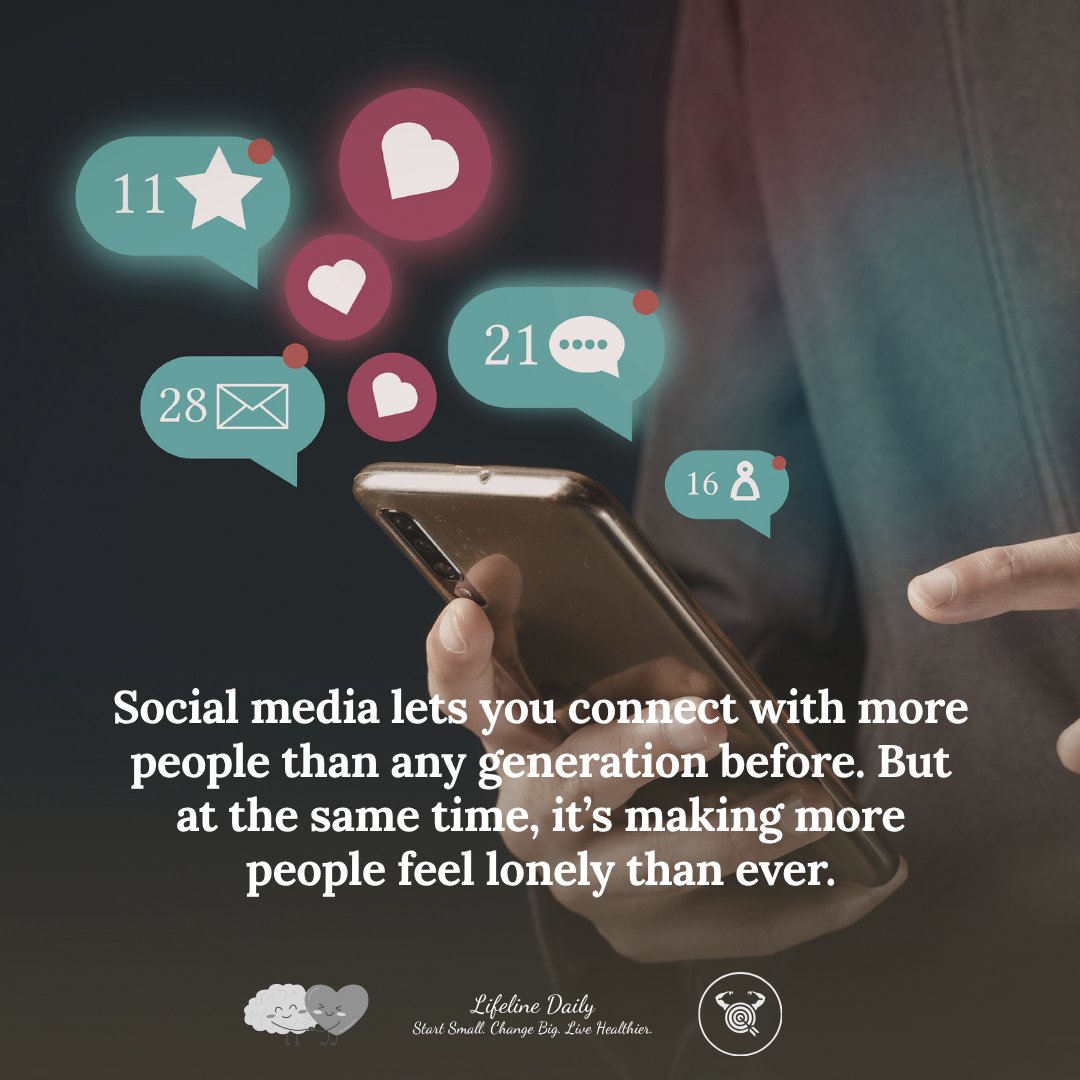
Social media connects you to more people than any generation in history. Research suggests it's also making more people feel lonely than ever before.
The mechanism is worth understanding. When you scroll through other people's social lives — their gatherings, their friendships, their shared moments — your brain doesn't register that as connection. It registers it as observation. You're watching life happen, not participating in it.
That distinction matters more than most people realise. Real social connection — the kind that actually reduces loneliness — requires presence, reciprocity, and genuine exchange. Seeing someone's highlight reel keeps you informed about their life. It doesn't replicate the experience of being in it.
Research consistently links heavy passive social media use to increased feelings of loneliness. The more time spent scrolling without engaging, the stronger the sense of being on the outside looking in. Paradoxically, the more connected your feed looks, the more acutely you can feel what you perceive to be missing from your own social life.
If social media leaves you feeling more isolated rather than less, that's not a personal failing. It's a predictable response to a tool that simulates connection without fully delivering it.
Do you ever feel lonelier after time on social media — yes or no?
#LifelineDaily #Loneliness
Scrolling before bed doesn't just keep you awake longer. It actively blocks the hormone your body needs to fall asleep.
Melatonin is the hormone that signals to your body that it's time to sleep. Your brain starts releasing it as light fades in the evening. But the blue light emitted by phone screens mimics daylight — and your brain responds by suppressing melatonin production, pushing back the point at which you're physiologically ready to sleep.
That's only half the problem. A fast-moving social media feed also keeps your mind stimulated and alert — the opposite of the mental state sleep requires. You might feel physically tired, but your brain is still processing, reacting, and comparing. That combination makes falling asleep harder, and it affects sleep quality even after you do drift off.
The fix is straightforward, if not always easy. One hour of phone-free time before bed gives your melatonin levels a chance to rise naturally. Most people notice a difference within a few nights — not because they slept longer, but because the sleep they got was actually restorative.
#LifelineDaily #SleepHealth #SocialMedia
Most people check their phone within minutes of waking up. It feels harmless. But it sets a tone that follows you through the rest of the morning.
When you open social media first thing, your brain moves from sleep directly into a stream of external input — other people's news, opinions, highlight moments, and reactions — before your own thoughts have had a chance to form. That's not a neutral start. It puts you into a reactive state before your own day has properly begun.
Research links early morning phone use to higher baseline anxiety and a reduced sense of control over the day ahead. The tone you absorb in those first few minutes tends to stick. If that tone is stressful or overstimulating, it colours everything that follows.
The first 30 minutes after waking are when your brain is transitioning from sleep into full alertness. That window responds well to being protected. Even a short stretch without a screen — enough time to wake up, move, and settle into your own thoughts — can noticeably change how the rest of the morning feels.
You don't need to overhaul your routine. Try moving the phone out of arm's reach before you go to sleep tonight.
What's the first thing you reach for when you wake up — phone or something else?
#LifelineDaily #MorningRoutine #MentalHealth
Most people filter their drinking water. Almost nobody thinks about their cooking water. The risk is identical.
PFAS are present in some tap water supplies worldwide. They enter through industrial discharge, firefighting foam runoff, and contaminated groundwater. Standard municipal treatment does not reliably remove them.
When food cooks in water — pasta, rice, soup, vegetables — it does not just heat up. It absorbs the liquid. Whatever is dissolved in that water gets carried directly into the food. A completely clean ingredient cooked in contaminated water is no longer a clean ingredient by the time it reaches the plate.
The mechanism is simple and easy to overlook precisely because it happens inside a covered pot.
A reverse osmosis filter at the kitchen tap handles both drinking and cooking water. If you already use a jug filter for drinking, using it for cooking water as well closes the same gap at no extra cost.
Cleaner water in. Cleaner food out.
Do you filter your drinking water at home — or your cooking water too?
#LifelineDaily #FoodSafety #Nutrition
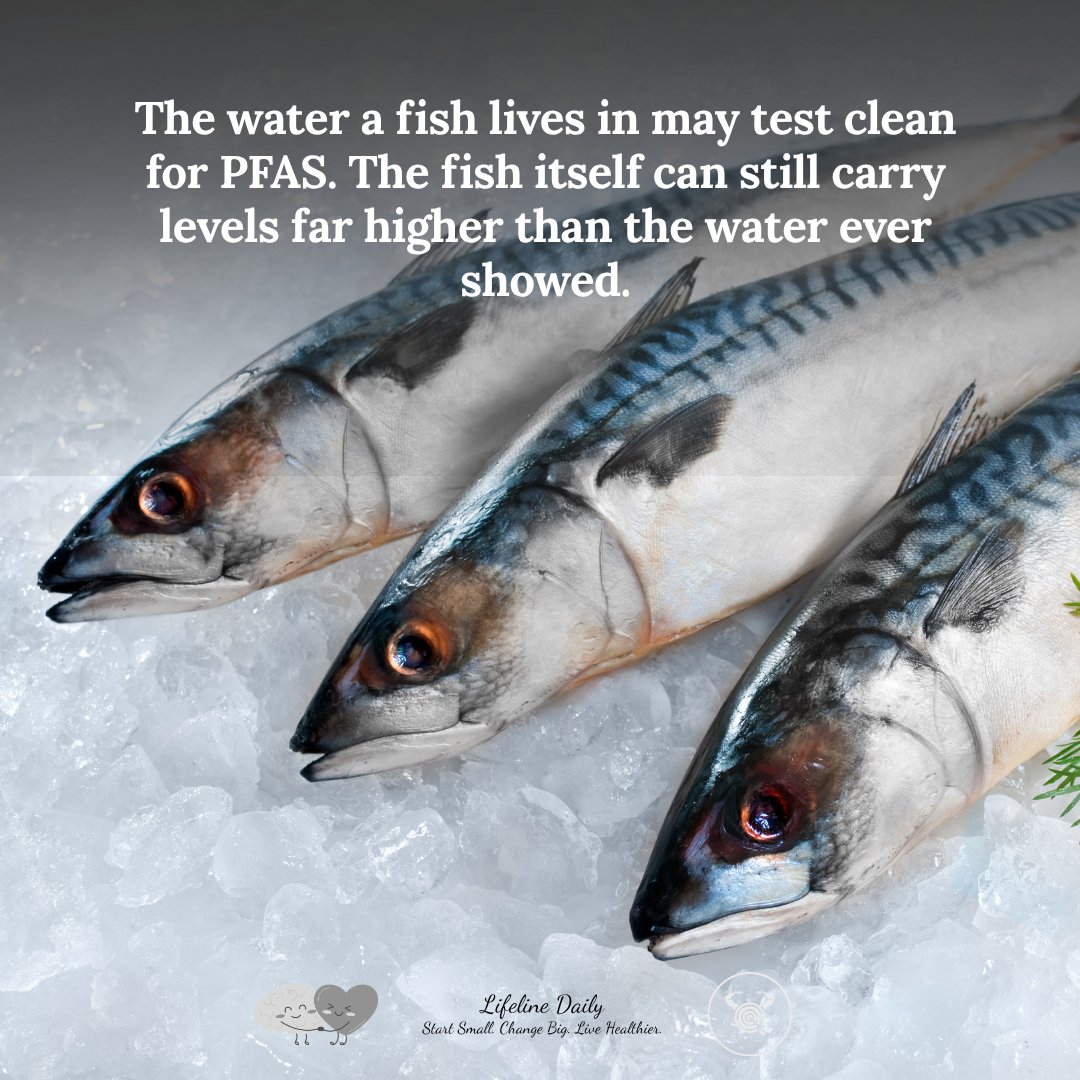
A water quality test can show low PFAS levels. The fish living in that water can still carry concentrations far higher than the water ever measured.
This is bioaccumulation. Fish absorb PFAS through their gills and through every smaller organism they eat. Each meal adds more. Over a lifetime, PFAS concentrate in body tissue to levels that significantly exceed what is detectable in the surrounding water.
A clean water test is not a clean fish test. The two measure different things.
Freshwater fish carry the highest risk — particularly those from lakes and rivers near industrial sites, military bases, or heavily farmed land. Several regions have already issued health advisories recommending limits on locally caught freshwater fish for exactly this reason.
Ocean fish and certified farmed fish generally carry lower PFAS levels, though this varies by species and source.
If you fish recreationally or buy locally sourced freshwater fish, checking for advisories in your area is worth a few minutes of your time.
Do you eat freshwater fish regularly — and have you ever looked up local advisories where you live?
#LifelineDaily #FoodSafety #Nutrition
The inside of a microwave popcorn bag is coated with a fluorinated compound — a type of PFAS — designed to stop the bag from burning during heating.
Heat is what causes the problem. As the bag gets hot, these chemicals migrate from the coating directly into the popcorn. Longer contact time and higher heat mean more transfer.
PFAS are known as "forever chemicals" because the body cannot break them down. They accumulate with repeated exposure — and microwave popcorn is one of the more consistent dietary sources for regular consumers.
The alternative is straightforward. Stovetop popcorn in a covered pot, or a microwave-safe glass bowl with a loose plate on top, produces the same result without the coating contact.
Same snack. Different methods. Meaningfully lower exposure over time.
Still reaching for the bag — or already making it another way?
#LifelineDaily #FoodSafety #Nutrition
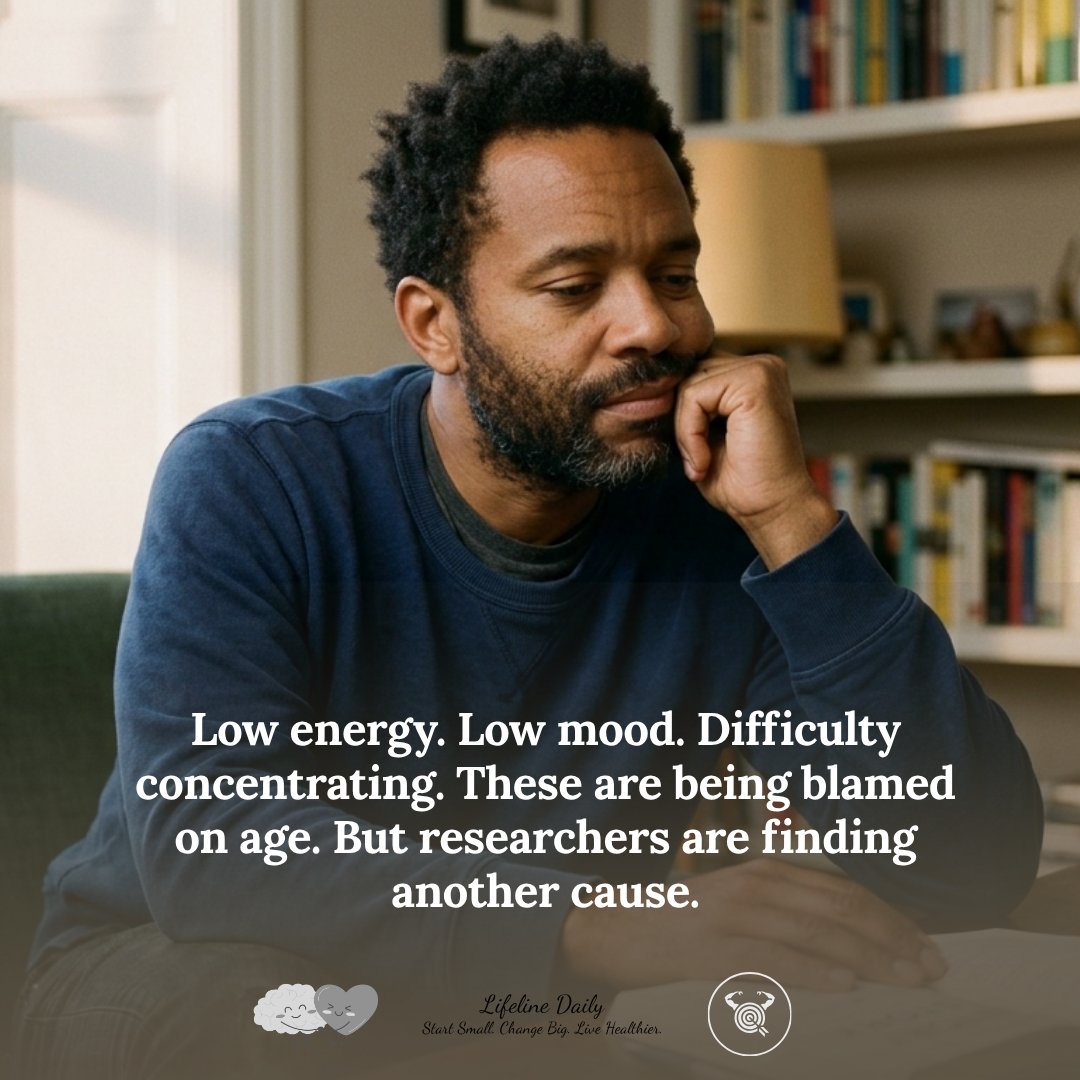
Fatigue, low mood, reduced muscle mass, poor concentration. These symptoms in men are routinely attributed to age or lifestyle. Research suggests there is often another factor that never gets investigated.
Studies link higher PFAS exposure — from chemicals in non-stick cookware, food packaging, waterproof fabrics, and drinking water — to measurably lower testosterone levels and reduced sperm quality in men, including both count and motility, the ability of sperm to move effectively.
Testosterone regulates far more than reproductive function. It drives energy, mood, muscle maintenance, cognitive sharpness, and metabolic health. When levels fall due to chemical interference, the symptoms are identical to age-related decline. Without identifying the cause, treatment addresses the symptom while the underlying driver continues unchecked.
Declining sperm quality is a separate concern that is becoming increasingly common. PFAS exposure is one of the factors researchers are consistently identifying in the data.
If these symptoms are familiar and haven't shifted with lifestyle changes, PFAS exposure is a conversation worth having with your doctor.
#LifelineDaily #menshealth #hormonehealth
Fertility challenges and early hormonal shifts are frequently attributed to stress or genetics. For many women, there may be a chemical factor that never gets investigated.
Research links higher PFAS blood levels in women to irregular menstrual cycles, reduced fertility, and earlier onset of menopause. PFAS — present in non-stick cookware, food packaging, and waterproof fabrics — interfere with estrogen and progesterone balance. These are the hormones that regulate the menstrual cycle, support pregnancy, and protect cardiovascular and bone health over time.
When that hormonal balance is disrupted, cycles become unpredictable. Fertility declines without a clear clinical explanation. And the transition into menopause can begin years earlier than expected.
The risk is amplified during adolescence, the years of trying to conceive, and perimenopause — life stages when hormonal systems are already in flux and more vulnerable to outside interference.
If cycle changes, fertility challenges, or early hormonal symptoms have gone unexplained, PFAS exposure is a conversation worth having with your doctor.
#LifelineDaily #womenshealth #hormonehealth
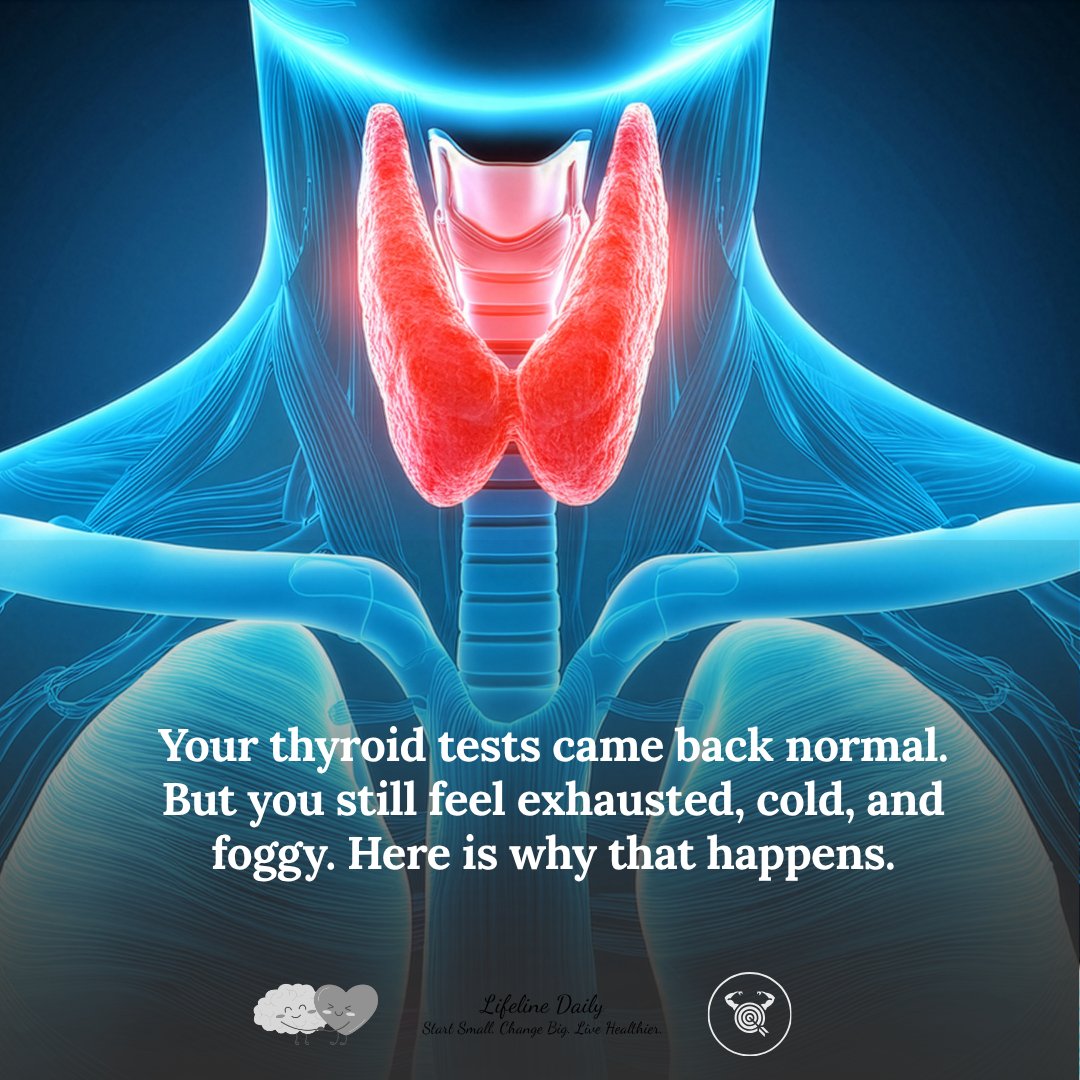
Normal thyroid results don't always mean your thyroid is working properly.
A group of chemicals called PFAS — found in non-stick cookware, water-resistant clothing, and food packaging — can interfere with how thyroid hormones move through your body. Not by damaging your thyroid. By blocking the signals it sends.
Your thyroid produces two hormones, T3 and T4, that travel through the bloodstream on transport proteins. PFAS compete for space on those same proteins. When they win, T3 and T4 can't reach the tissues that need them.
The result looks exactly like an underactive thyroid — fatigue, weight gain, feeling cold, brain fog, low mood — but often doesn't show on a standard blood test. The hormones are being made. They're just not getting through.
If those symptoms are familiar and your tests have come back clear, PFAS exposure is a conversation worth having with your doctor.
#LifelineDaily #thyroidhealth #hormonehealth
Bottled water feels like the obvious answer when you're worried about tap water quality. But for PFAS specifically, switching to bottles may not solve the problem.
PFAS — per- and polyfluoroalkyl substances — are synthetic chemicals that don't break down in the environment or the body. Standard water treatment wasn't designed to remove them. And some bottled water sources have tested positive for PFAS contamination, meaning the bottle itself is no guarantee of cleaner water.
Regulations on bottled water testing vary considerably by country. Labelling requirements don't always require PFAS disclosure. Without consistent mandatory testing, there's no reliable way to verify what any given bottle contains from the label alone.
Plastic bottles add a separate concern. PET plastic — the material used in most single-use bottles — is generally stable, but heat exposure can increase chemical leaching into the water. A bottle left in a warm car is not the same as one stored in a cool environment.
A certified home filter gives you more consistent, verifiable protection. Reverse osmosis systems remove 90% or more of common PFAS compounds. Activated carbon block filters certified to NSF/ANSI standards with PFAS specifically listed are a lower-cost alternative. Either option is cheaper over time than bottled water and produces no plastic waste.
When water quality concerns you, what's your default — bottled water or a home filter?
#LifelineDaily #WaterQuality #PFAS