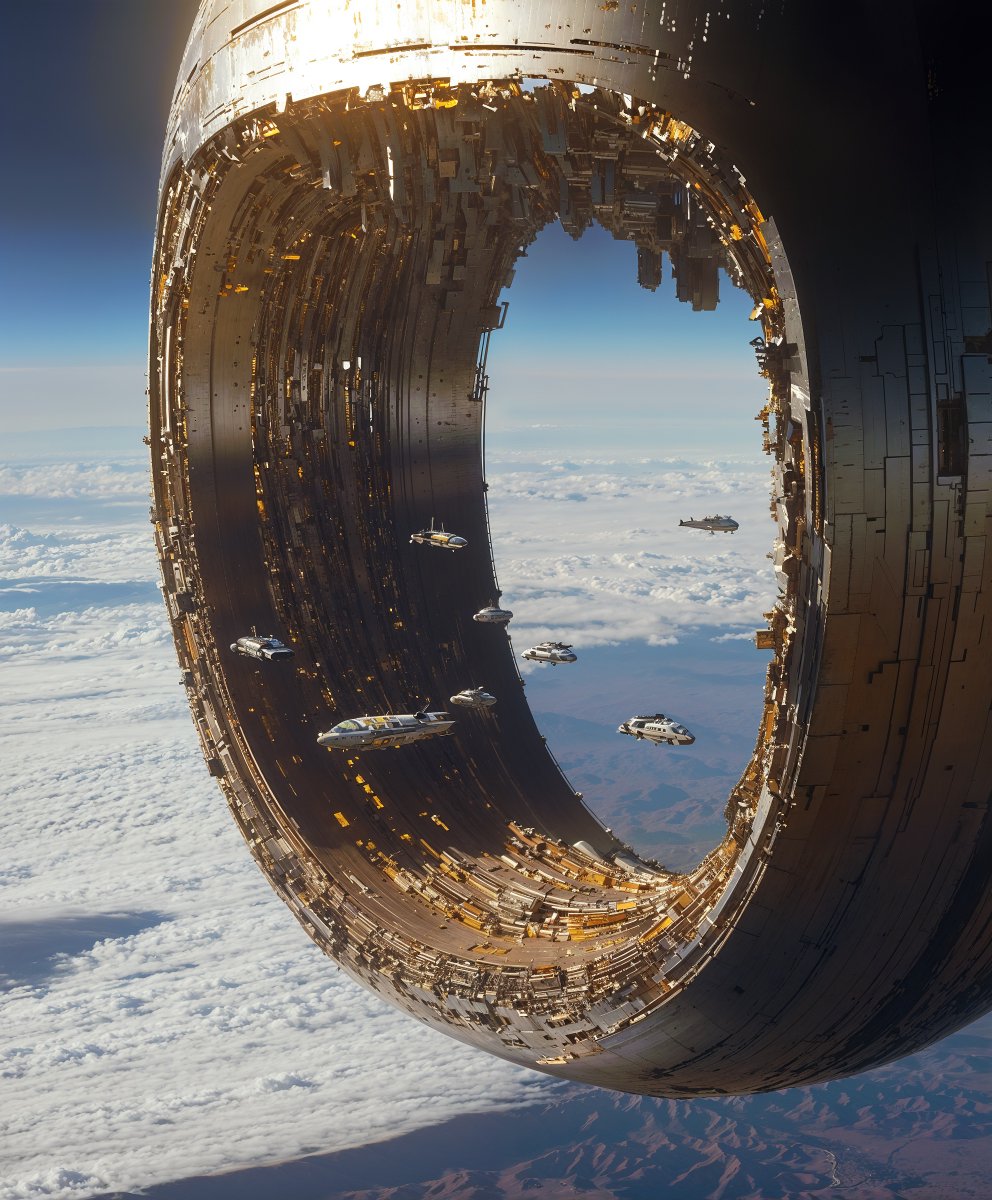
Deep inner suffering inevitably arises when the human person is reduced to performance, consumption, or a statistical datum. Many young people today live under the yoke of expectations to perform, immersed in an exasperated competitiveness that generates anxiety, fear of not measuring up, and disorientation.
Artificial intelligences do not undergo experiences, do not possess a body, do not feel joy or pain, do not mature through relationships, and do not know from within what love, work, friendship or responsibility mean. Nor do they have a moral conscience, since they do not judge good and evil, grasp the ultimate meaning of situations, or bear responsibility for consequences. They may imitate or even simulate, but they do not understand what they produce, for they lack the affective, relational, and spiritual perspective through which human beings grow in wisdom. #MagnificaHumanitas
Is there an example of a human behaviour that has gone extinct before? Or farther in the future it is possible that we or govt. can extinguish behaviours? Jealousy greed, lust, desire for sex ? @Aella_Girl
A paper on microplastics accumulating in the brain was just published @NatureMedicine, open-access https://t.co/slLFwRZgoQ
I review the background and major implications in a new Ground Truths edition (link in my profile)
Listening to music while administered naxalone (or other opioid antagonist?)
To what degree would subjective pleasure diminish?
Listening to favourite songs vs popular songs?
Songs that are highest pleasure rated, would they have the least amount of subjective pleasure drop?
The QRI model is that:
The brain is a non-linear optical computer where EM topological pockets are the boundaries of moments of experience, and brain tissue modulates a nematic fluid along which waves are reflected, refracted, and diffused. Your inner world simulation is the standing wave pattern inside the EM pocket. Laser Chess with pure awareness, essentially :-)
Can't start the day without a shot of coffee?
You're a drug user who needs a psychoactive stimulant hit to get you going.
Don't start lecturing me about how you don't approve of drug use, don't trust drug users or want a drug free world.
https://t.co/WY31G07quu
You don't want to be on acid while something really tragic is happening. You want to be on MDMA.
> Here we investigated the acute experiences and peritraumatic processing of 657 survivors from the high-casualty terror attack at the Supernova music festival in Israel on October 7th, 2023. Data were collected four to twelve weeks following the TE. Approximately two-thirds of survivors were under the influence of psychoactive substances at the time of the TE, offering a tragic and unique natural experiment on the impact of psychoactive compounds on TE processing. Our findings reveal that individuals who experienced the trauma while under the influence of MDMA demonstrated significantly improved intermediate outcomes compared to those who were under the influence of other substances or no substances at all. Specifically, the MDMA group reported increased feelings of social support, more social interactions and enhanced quality of sleep during the peritraumatic period, yielding reduced levels of mental distress and reduced PTSD symptom severity. These novel findings suggest that the influence of MDMA during the TE may carry protective effects into the peritraumatic period, possibly mediated through the known effects of MDMA in reducing negative emotions and elevating prosociality.