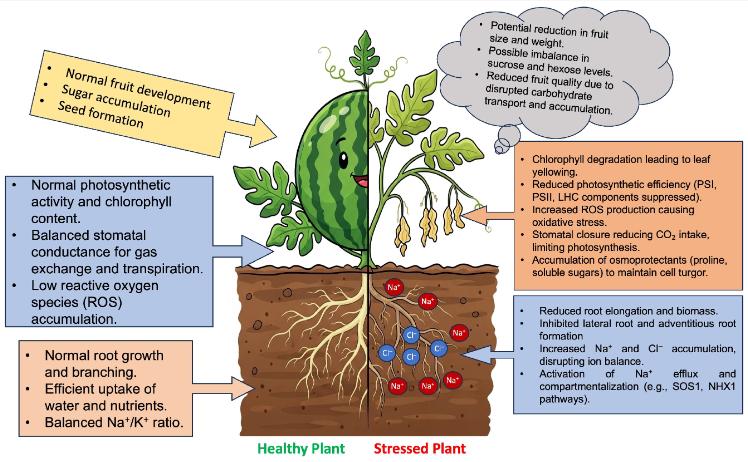
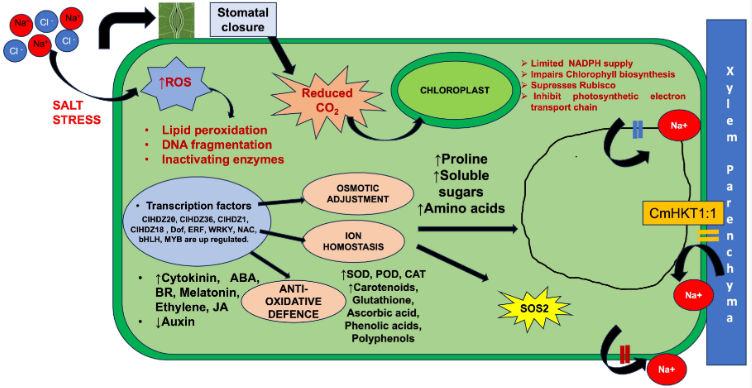
Our review "Understanding Salt Stress in Watermelon: Impacts on Plant Performance, Adaptive Solutions, and Future Prospects", is out! 🌱🍉🧂
https://t.co/zrI2rOdKXQ
Tras 5 años de aplicación del riego con agua salina en la vid: ✅ mejora de la productividad con respecto al secano, ❌ pero no la calidad de la uva, que es mejor en el secano. Toda la información en open access: 👇https://t.co/jtcPuWnaPP
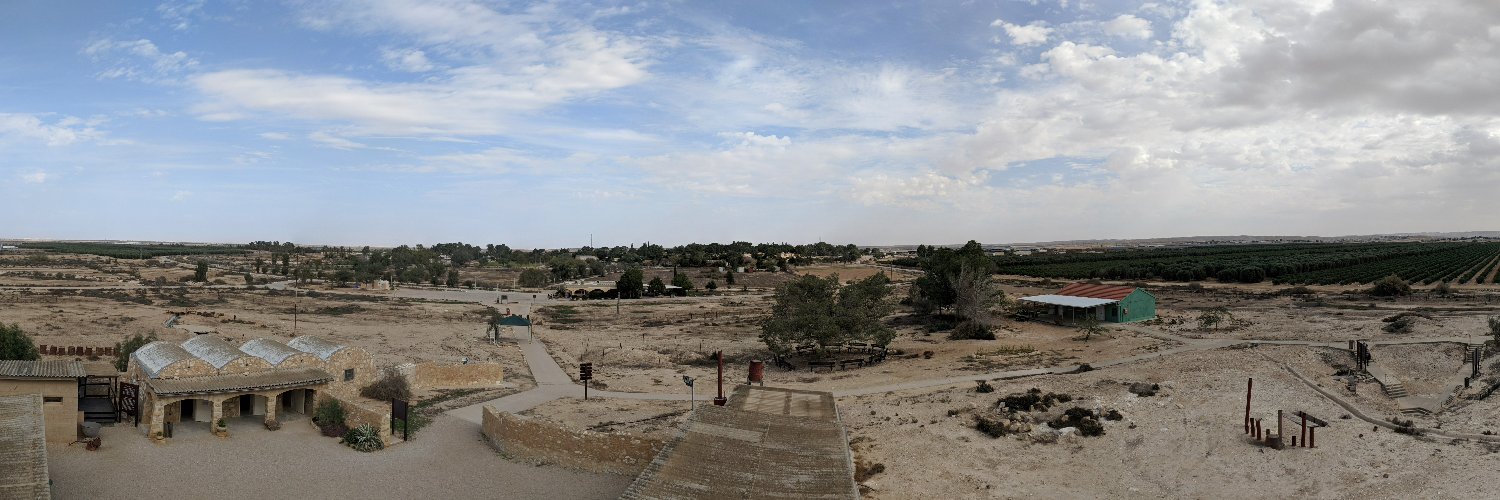
We are accepting applications for this summer's Sustainable Agriculture course in the beautiful Negev Desert! This four-week program brings together students from around the world, fostering a community with a shared commitment to leading the way in sustainable food security.
The Bar lab is moving to BGU. I am recruiting a lab manager, and would appreciate a repost. Student positions are also available. Come join a collaborative and supportive lab in an awesome department on a friendly campus!
🍇 Grapevine breeding for salinity tolerance is getting a tech upgrade! A recent study reveals that hyperspectral proximal sensing can effectively screen for chloride tolerance. Learn how this method can revolutionize viticulture. 🌱📈 https://t.co/ra0b8Yg2Xz
קיבוץ ניר עוז:
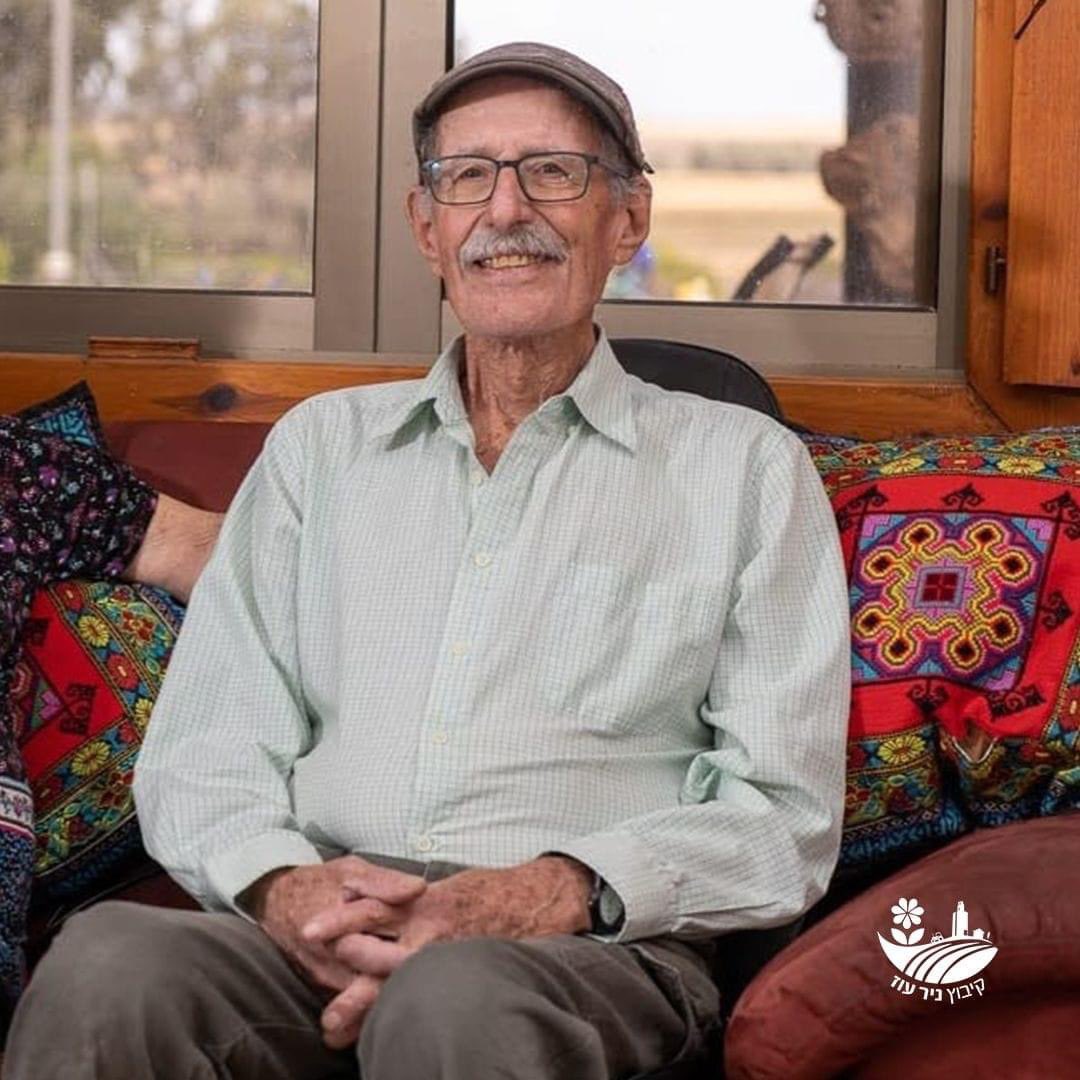
עודד ליפשיץ, בן 84, נחטף בשבעה באוקטובר מקיבוץ ניר עוז, לאחר שמחבלי החמאס חטפו גם את אשתו יוכבד. (English below)
באותו הבוקר המחבלים הגיעו לביתם, ירו על דלת הממ"ד בה הם נעלו את עצמם, פצעו את עודד בידו, חטפו אותם והעלו את ביתם באש. יוכבד ועודד לא הוחזקו יחד בשבי, ויוכבד שוחררה לאחר 17 יום.
עודד גדל בחיפה. הוא מהגרעין המייסד של הקיבוץ, והגיע לשם במסגרת גרעין של השומר הצעיר. במהלך השנים בקיבוץ הוא היה מזכיר, מרכז, גזבר, יו"ר ועדת חינוך ויו"ר כלכלי, עבד גם כעיתונאי ובעל טור ב"על המשמר", והוא פעיל זכויות אדם שנלחם כל חייו למען השלום. לעודד ארבעה ילדים, עשרה נכדים ונינה אחת, והוא הסבא רבא היחיד בשבי החמאס. הוא נגן פסנתר מוכשר, שיודע לנגן כל שיר בלי למצמץ - הוא רק שומע שיר פעם אחת וכבר יודע אותו בעל פה.
עודד סובל מבעיות לחץ דם וצריך תרופות, ומשפחתו של חוששת למצבו בשבי. הם מתגעגעים לשיחות איתו, לטיולים על הריקשה בקיבוץ, לנגינה שלו בפסנתר בחגים ובמפגשים משפחתיים, לטיפול איתו בקקטוסים בגינה שלו ושל יוכבד, וכל כך מחכים כבר לראות אותו בבית.
אנחנו לא שוכחים אותך עודד, וממשיכים לפעול לחזרתך בכל מקום ודרך אפשרית.
***
On October 7th, Oded Lifshitz, 84, was kidnapped from his home in Kibbutz Nir Oz when terrorists abducted him and his wife, Yocheved. That morning, Oded and Yocheved locked themselves in their safe room to hide from the terrorists who forced their way into their home. As the terrorists shot at the door, they wounded Oded in the hand, then kidnapped both of them and set their house on fire. Yocheved and Oded were not held together in captivity. Yocheved was released after 17 days.
Oded grew up in Haifa before becoming a founding member of Kibbutz Nir Oz, arriving there as part of the “Hashomer Hatzair" movement. Over the years, he held various roles in the Kibbutz, including secretary, coordinator, treasurer, economic chairman, and chairman of the education committee. In addition to his work in the community, he worked as a journalist and columnist for Al HaMishmar, where he shared his passion for peace and human rights. Oded has four children, ten grandchildren, and one great-granddaughter, making him the only great-grandfather in Hamas captivity. He is a talented pianist who can play any song perfectly after hearing it just once.
Oded suffers from blood pressure issues and needs medication, his family is deeply concerned about his condition. They miss talking with him, taking rides on the rickshaw in the Kibbutz, hearing his piano playing during holidays, and family gatherings tending to the cacti in his and Yocheved's garden. They are all eagerly waiting to welcome him home.
We haven’t forgotten you, Oded. We are working tirelessly for your return in every way and every place we can.
#חטוףביום #oneday_onesoul
#bringthemhomenow
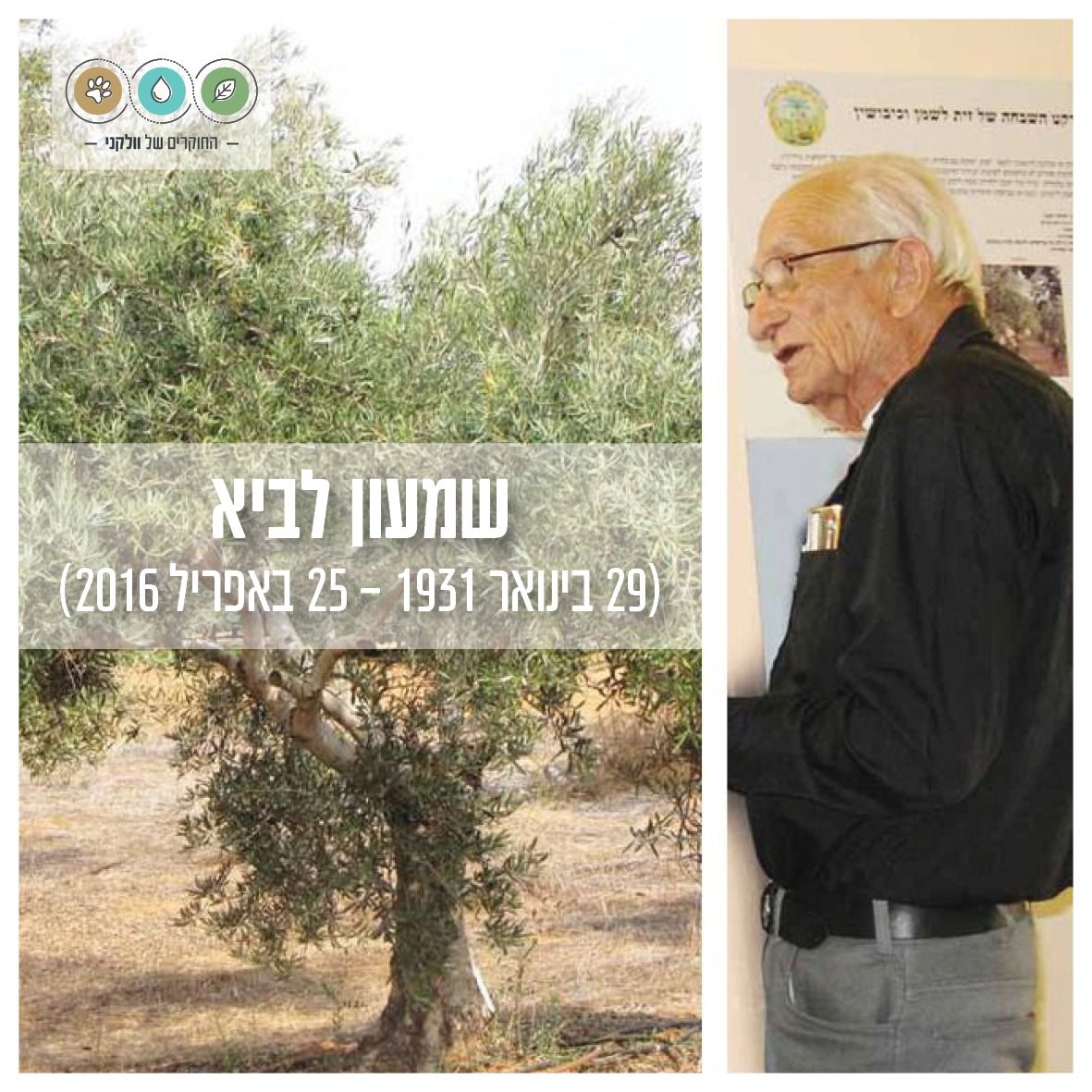
"המדען הישראלי הציל את עץ הזית הקדוש"
כך כתבו בעיתון הוותיקן, לאחר שפרופסור שמעון לביא בסך הכל גזם ענף של עץ חולה – עץ שנמצא למרגלות הר הזיתים, מקום בו לפי האמונה ישו התפלל בפעם האחרונה.
לביא סיפר בכעס, "באותו הזמן פירסמתי מחקר בעל חשיבות מדעית, שעבדתי עליו חמש שנים. אבל רק בגלל הדבר הטיפשי הזה כתבו עלי בכל העולם", אמר.
פרופסור שמעון לביא עסק במשך עשרות שנים במחקר, ופרסם מחקרים שתרמו רבות למטע בישראל, הובילו מהפך באופן גידול עצי הזית לשמן, וזכו להכרה בין לאומית רחבה. שמו הולך לפניו בתחום בהשבחת הזיתים, והוא האיש שפיתח את הזן המפורסם "ברנע", שכיום נמצא במטעים רבים בישראל ובעולם.
בנוסף, פרופסור שמעון לביא גם חינך דורות של בעלי מקצוע וחוקרים, בעיקר בנושאי גפן וזית, ועסק רבות בהרחבת הידע של מדריכים וחקלאים. הוא פירסם עבודות מחקר חשובות, ופיתח קשרים הדוקים עם מוסדות מחקר ואירגונים מקצועיים בחו"ל.
התהילה לא תמיד מתמקדת בסיפור הנכון, או בזית הנכון, ולכן אנו רוצים להזכיר את פרופסור שמעון לביא ואת כל החוקרים שמשנים את החקלאות בישראל, ואת דמותה של ישראל בפני העולם.
On October 7, 2023, Israel was attacked by Hamas. The following day, October 8, Hezbollah joined Hamas in attacking Israel. In the months that followed, militias in Syria and Iraq allied with these groups, and the Houthis in Yemen began attacking Israel with drones and missiles.
In April, Iran launched the largest aerial assault with projectiles in history against Israel in response to the targeted assassination of an Iranian general in Damascus, who had been directing some of the attacks against Israel.
The regional element of this war is often missed by the international media, which is very much focused on Gaza. This is not just a war confined to Gaza. When Yahya Sinwar named the attack "the Al-Aqsa Flood," he highlighted a vision shared by Hamas, Tehran, and other fundamentalist forces in the region. Their aim is regional deterioration, which would destroy all peace agreements and normalization efforts.
Despite the significant developments in the Israeli north, including the displacement of tens of thousands of people and numerous attacks by proxies, these issues have not captured enough attention from the international audience. The focus remains narrowly on Gaza, missing the broader regional implications and the coordinated efforts by these fundamentalist groups to destabilize the entire region.
The Houthi drone attack this week killed an Israeli citizen in Tel Aviv, an escalatiob. It prompted Israel to implement long-prepared plans to retaliate against either Iran or the Houthis. Israeli sources acknowledge that this could provoke further Houthi responses but emphasize that Israel cannot allow daily drone attacks from the Houthis to continue.
It is notable that Israel has no border or territorial disputes with Yemen.
These attacks underscore the rise of the Iranian axis of influence in the region, potentially leading to a full-scale regional war. This situation highlights the urgent need for a stratrgy led by the United States or a coalition of American and European forces to address Iranian influence. Recent efforts at appeasement with Iran have failed to curb its proxies, some of whom, like the Houthis, have begun acting independently of Iranian directives.
A coherent American strategy for the Middle East, consisting not only of diplomatic optimism but also a strong deterrence, is urgently needed.
For more than 30 years, the Islamic Republic of Iran has built a regional empire dedicated to killing Israelis, exporting the revolution, and destroying or subduing Israel and any other country that does not agree to be part of its influence.
If not for Iran, October 7 would not have happened. The second Lebanon war would not have occurred. The country most supportive of Hamas, Hezbollah, and Islamic Jihad is Iran. The amount of money, time, and blood dedicated by Iran to this fundamentalist project were immense.
The world was silent. At best, it tried to limit Iran's nuclear development. Now, hours ago, Iran has initiated a direct attack against Israel. What Iran is doing is not about the Arab- Israeli conflict. It has sought and seeks now to implement the vision laid out by the first Supreme Leader, Khomeini - to destroy American influence in the region, to annihilate Israel.
This should be a watershed moment. If the West fails to see what is threatened by Iran, Russia, and the rest, if it does not recognize that these developments are a manifestation of an attempt to destroy the liberal order itself, then we face grave consequences. It's not about the nuclear deal, it's not about Gaza, it's not about history. It's about fundamentalism, nationalism, and dictatorship.
מעבדה חדשה שעוסקת בגנטיקה של צמחים 🫒 והסתגלות לאקלים משתנה באונברסיטת בן-גוריון #BGU (המכונים לחקר המדבר בשדה בוקר #BIDR) מגייסת סטודנטים.ות למסטר ודוקטורט, מהנדסי.ות מחקר ופוסט-דוקטורט. עדיפות לבעלי.ות רקע בגנטיקה 🧬, ביולוגיה מולקולארית 🔬וביואינפורמטיקה 🖥️. [email protected]
Excited to launch my lab at #bgu, the Institute for Agriculture & Biotechnology of Drylands #faab_bgu! 🌱 Focused on plant adaptation to climate change, utilizing functional genomics🔬, genome editing🧬, and natural variation in #wheat🌾 Open positions available. See below