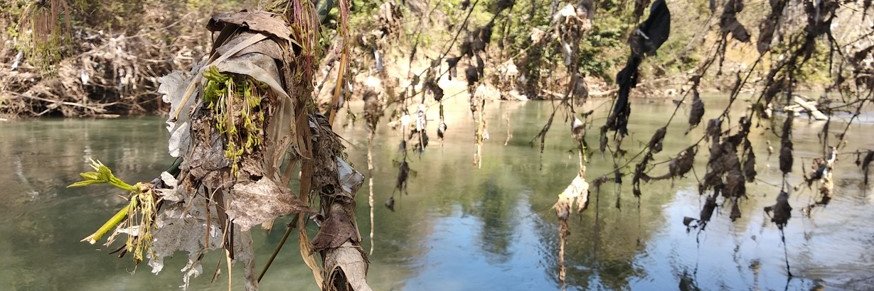
👨🏻🔬 He/him |🔬 PhD in Plastics trapped by plants at @UnivRomaTre |🏞️ Freshwater Ecologist |🍃 Riparian and River #plastics transport and effect | 🚩Italy
Our 2025 data summary is now available on our website! 📊
To learn more about new insights and what we've collectively accomplished as we continue to work to end plastic pollution in the Great Lakes, visit: https://t.co/ckg0AEjYZQ
🌿#BiodiversityDay 2026: “Acting locally for global impact”.
EASIN & the Knowledge Centre on #Biodiversity support biodiversity protection with data & knowledge on #InvasiveAlienSpecies in Europe, like the new distribution baseline on 26 IAS Union concern https://t.co/jtZO61F6sM
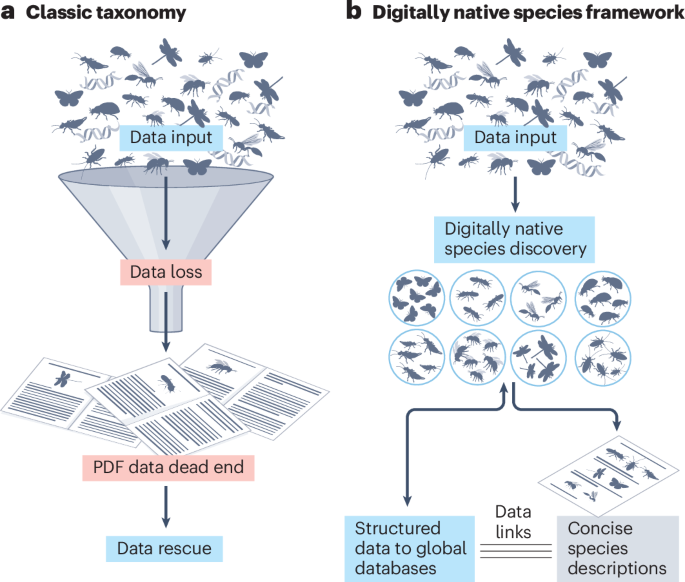
GREAT NEWS: Scientists have discovered 1,121 previously unknown species (a 54% jump), including new corals, crabs, shrimps, sea urchins, anemones, a deep-sea ghost shark, + a symbiotic bristle worm living w/in a "glass castle!"
https://t.co/5JUoEyTP1T
New paper @JAppliedEcology answers what works best for vegetation recovery after removing invasive plants?
Active revegetation with functionally and taxonomically diverse native species following invasive plant removal can:
✅ Increase native plant communities by ~45%
✅ Reduce non-native plant communities by ~28%
Effective restoration requires moving beyond simply removing invasives. Ecosystems must be steered towards functional resilience and long-term resistance to invasion dominance.
A huge thanks to @Khuroo_Kashmir for leading this collab and all authors involved in this work! @shyamphartyal
https://t.co/pPqaLoEGEZ
Our new article in Science Advances, led by Gabriele Midolo, identifies the main factors driving changes in the species composition of plant communities across Europe: eutrophication, denser, more productive vegetation, and drying of wetlands. https://t.co/ZBTCKVFkFm
The discovery of two new orchid species, Rhipidoglossum acuminifolium and R. falcatulum, has been documented within the rainforests and volcanic regions of Central Africa. 🌸🌍
Read more: https://t.co/4dcuergyBQ
Known #extinctions are just the tip of the iceberg. Many human-driven losses remain undocumented—so-called #DarkExtinctions, absent from the IUCN #RedList, biasing our view of biodiversity loss.
Check our new paper in Nature Reviews Biodiversity, led by @FranzEssl1 :
https://t.co/LYzpTmHuFn
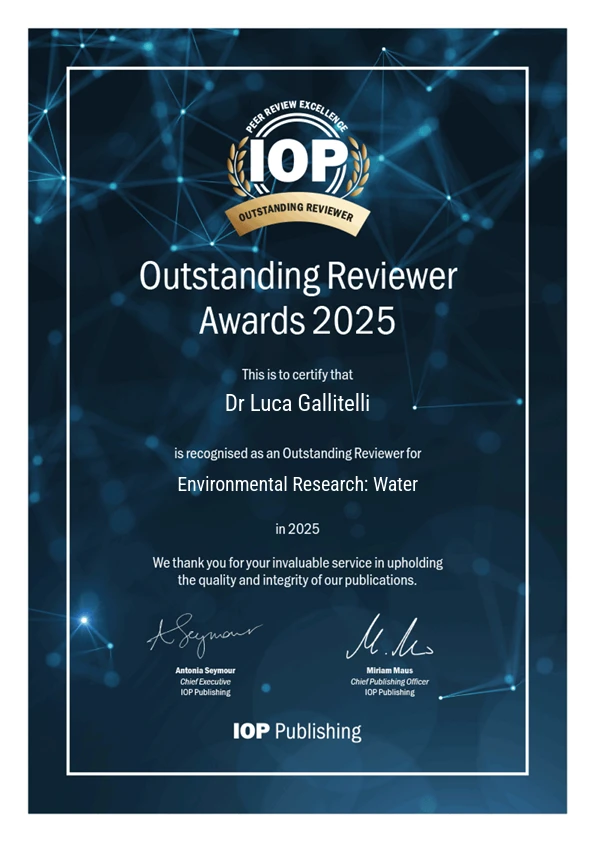
Glad to be recognized with the "Outstanding #Reviewer#Award 2025" from @IOPPublishing! I recognise the efforts made by many and many colleagues, to contribute to the peer-review process and support high-quality science 🙏 #PeerReview#AcademicLife
Our last paper on #plastics in #riverbanks is out in @ElsevierConnect
We found that riverbanks showed higher MA density than other compartments, with river embankments causing one-way #macroplastic transport from banks to river.
Here the link: https://t.co/FocbtBa6s9
C’è chi sceglie le parole per prendere posizione.
Elio e le Storie Tese hanno scelto la voce.
Si vota il 22–23 marzo. Porta anche tu la tua voce alle urne.
C’è chi sceglie le parole per prendere posizione.
Elio e le Storie Tese hanno scelto la voce.
Si vota il 22–23 marzo. Porta anche tu la tua voce alle urne.
In 80 anni sono stati 84 i referendum indetti in Italia. Su quali temi? Esistono altri strumenti per raccogliere il parere della popolazione?
La nostra giurista Martina Trettel ci accompagna in una piccola storia del #referendum in #Italia:
https://t.co/kzKoxI3vkG
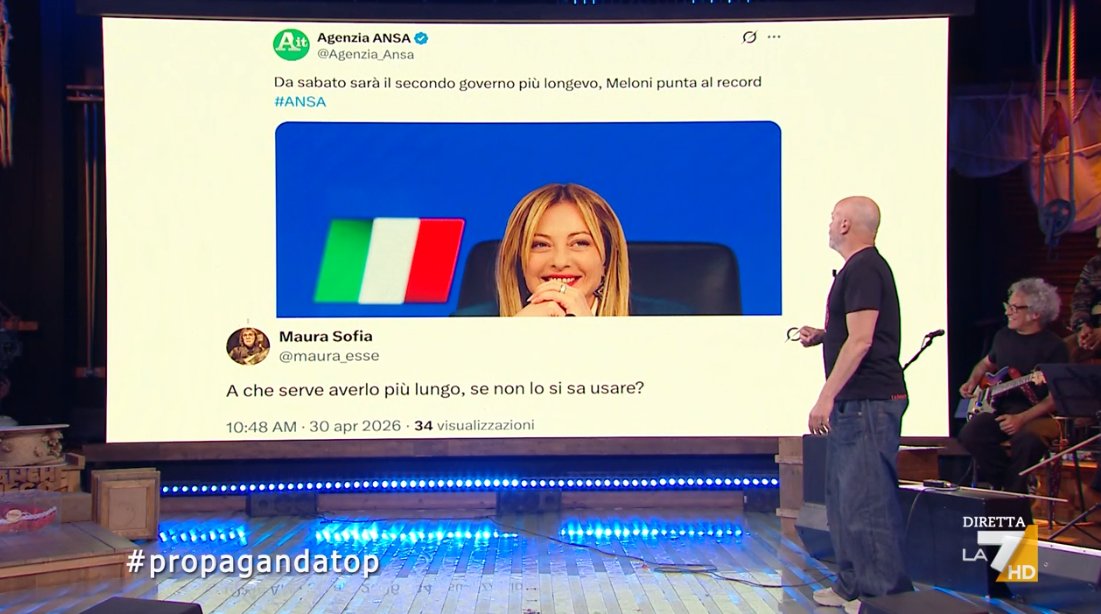
"Questa questione della separazione delle carriere riguarda oggi lo 0,4-0,5% dei Magistrati in servizio. E per lo 0,4-0,5% dei Magistrati in servizio rifacciamo 7 articoli della Costituzione? Ma siamo diventati matti?" (Nando Dalla Chiesa)
#propagandalive