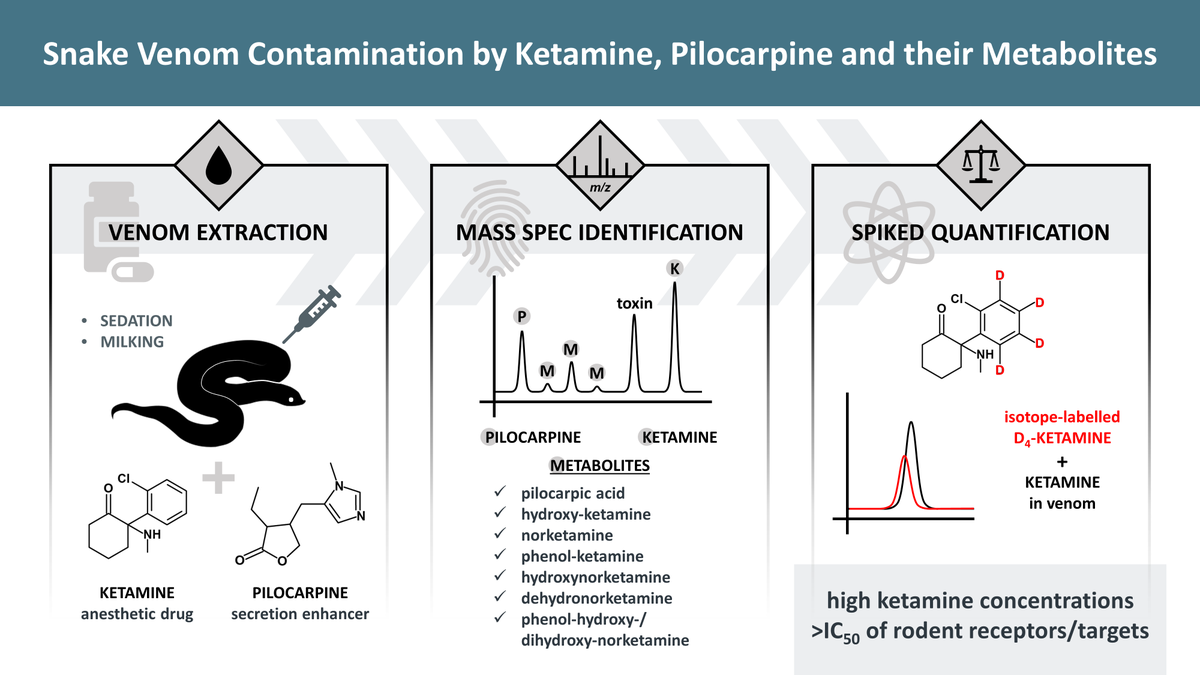
🐍💉 Ketamine in Snake Venom
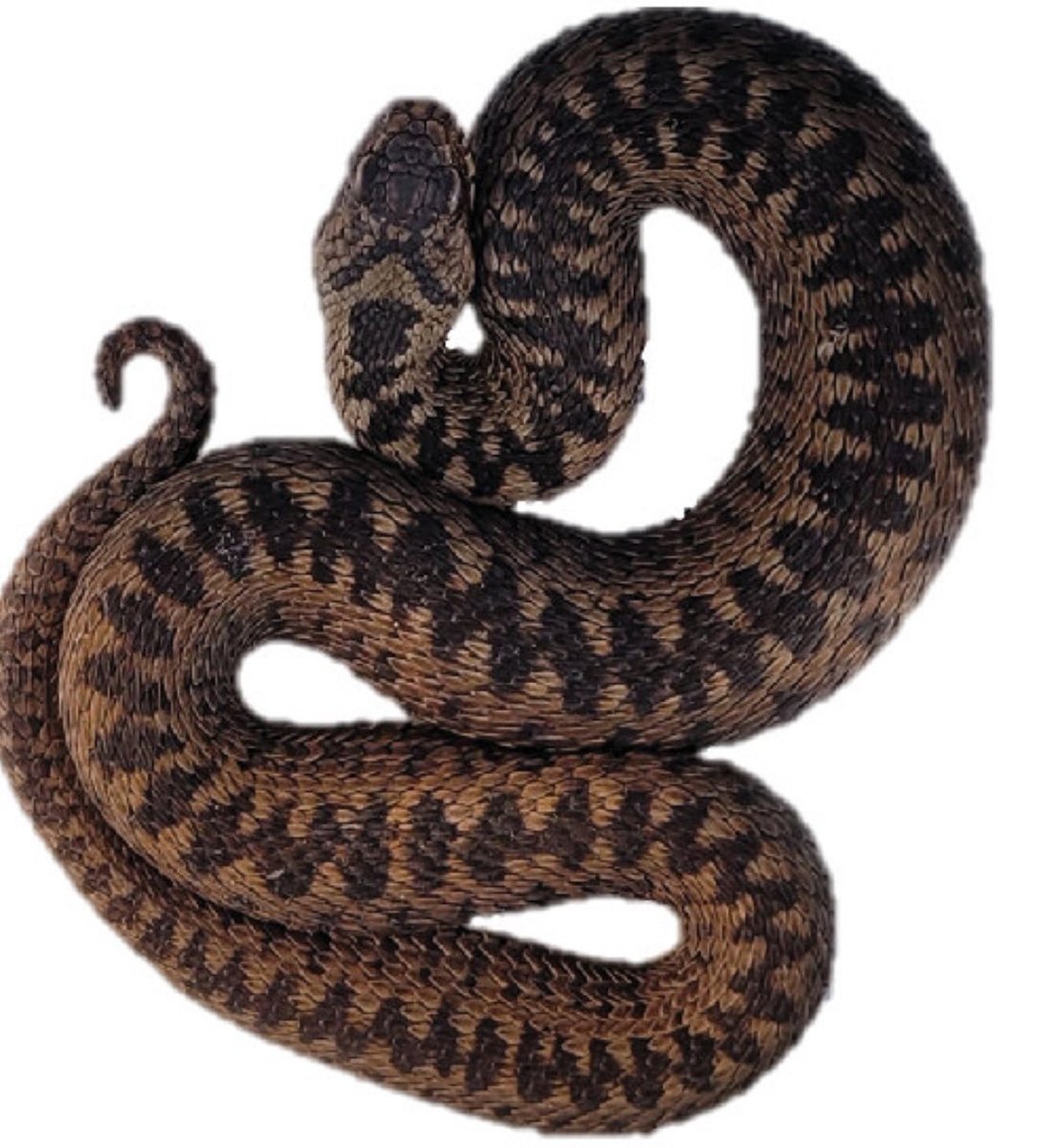
... sounds strange? Our recent #AnimalVenomics#MassSpec publication, shows anesthetics and secretion enhancers, incl. their metabolites ends up in the venom.
🔓Damm et al. 2025 https://t.co/ku1yzfphyS
In @NaturePortfolio@SciReports
Last week: #SEH2025 in Bonn!
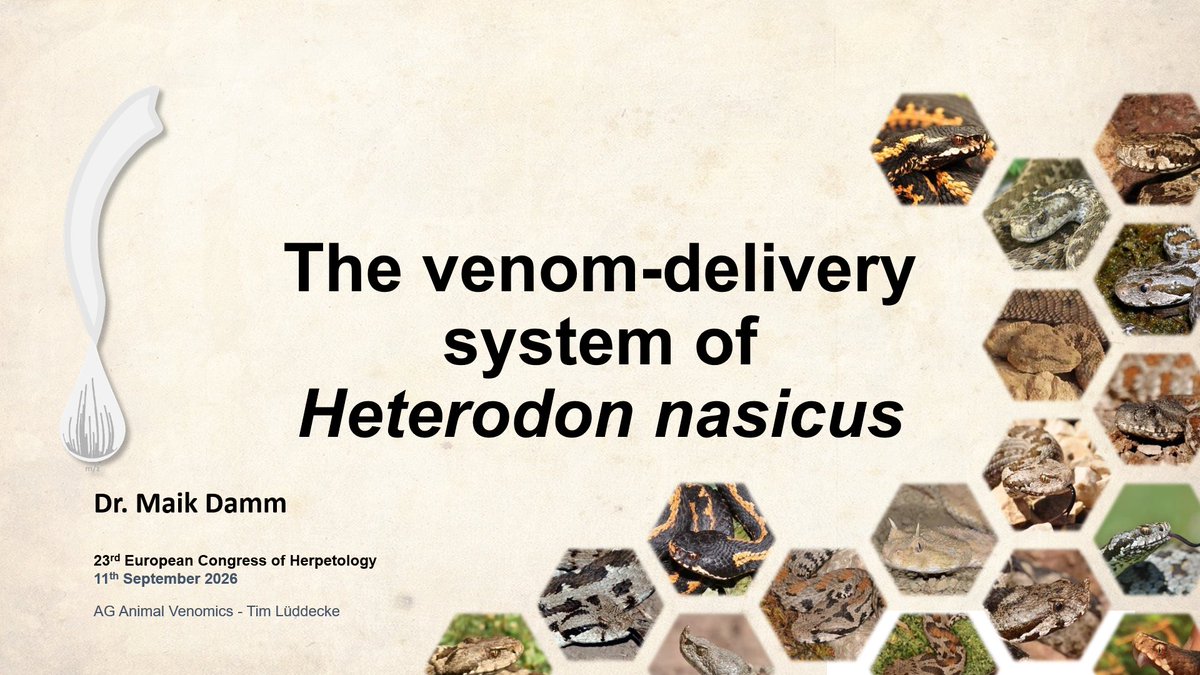
I met so many old and new friends from around the world, a great experience! I presented by #postdoc work on the venom of the small "non-venomous" #hognose#snake, Heterodon nasicus.
Thanks to the @dfg_public Walter-Benjamin program!
#venomics
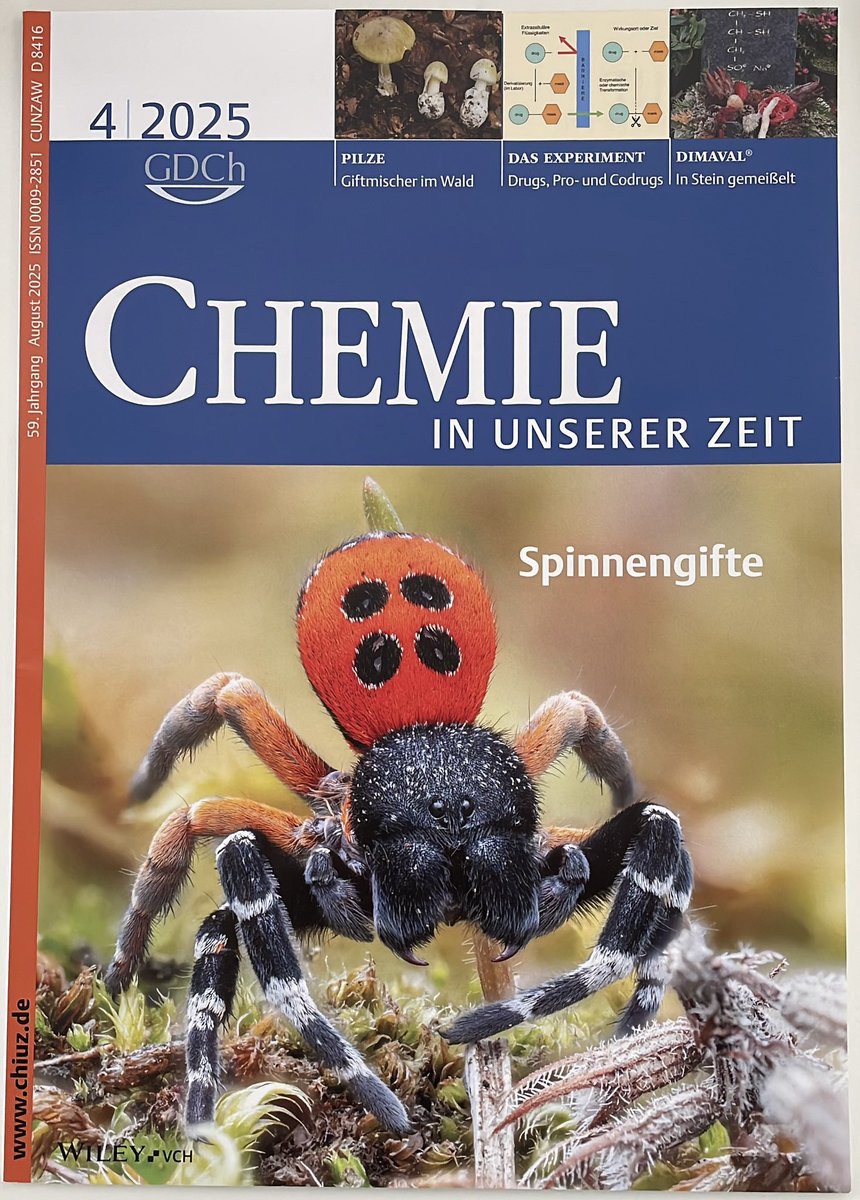
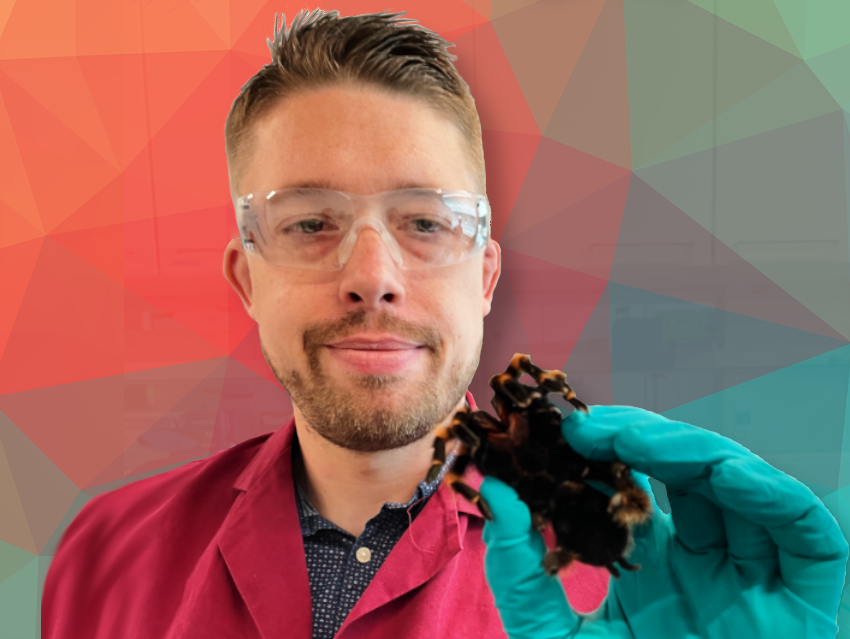
I’m happy to share that my newest article about spider venom and its translational value has been published in Chemie in unserer Zeit!
Today I received the printed version, including our beautiful cover page! 🕷️
@LuddeckeTim
https://t.co/fLU7uII8im
#ChiuZ#spidervenom#enzymes
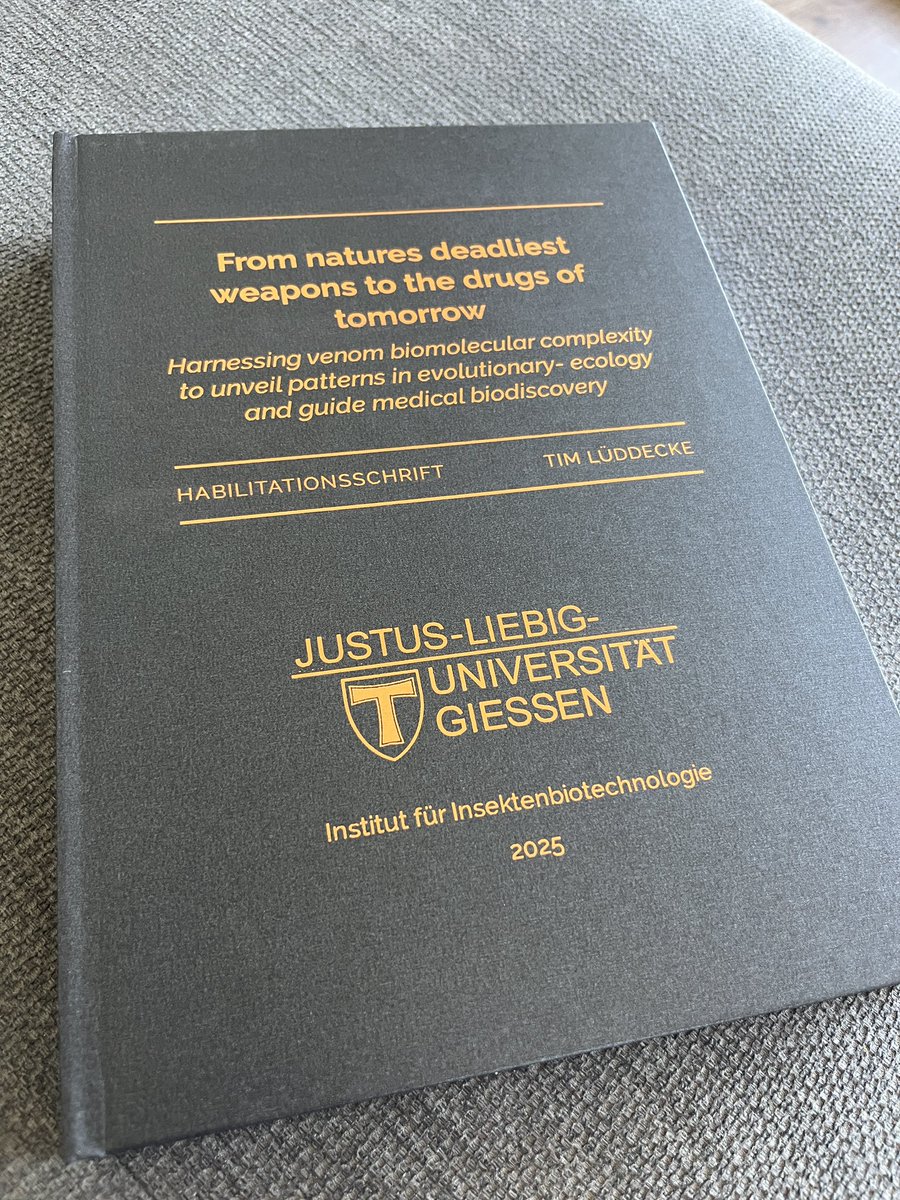
Happy to share that this small friend was born today! My Habilitation, officially submitted, contains 20 papers on venom biodiscovery and Evolution on ca. 400 pages. Thanks to my amazing team and colleagues who made this possible!
@Tschosei@HurkaSabine et al
Newest paper from the lab out at Biotechnology Advances! Spearheaded by my brilliant postdoc @DammMaik, we take a deep-dive to #Ms-#Imaging in #zootoxinology.
The manuscript contains a quick guide to the technology, a summary of how it has been used so far, and a reflection on hurdles to overcome alongside future developments. So, if you are up to study venoms or poisons with MSI, our new paper might be a good read!
@Fraunhofer_IME@Fraunhofer@ProLOEWE@Senckenberg@jlugiessen
Ever wanted a short and sweet 10 minute podcast between an arachnophobe and an arachnologist discussing spiders? Then I have just the recording for you. https://t.co/y3fb4Eh9JO
Big thank you to @Corks96FM for having me on! #spiders#zombiespiders#arachnophobia
Thrilled to share that the #Fraunhofer society recently released an issue of the Fraunhofer magazine which highlights all the antiinfectives research done across the different institutes. A snippet of that article features my lab’s effort to transform 🕷️🐍🦂 toxins into life-saving antibiotics. If you’re interested in what toxic critters can do for your health, proceed to the open access article here: https://t.co/5MQm8NlTfD
@ProLOEWE@LOEWE_TBG@Fraunhofer_IME@Fraunhofer@geobiodiversity@jlugiessen
Many congratulations to my incredible PhD student @Tschosei for winning the best oral presentation award at this year’s @Fraunhofer_IME PhD retreat. This makes a back-to-back win for her at this event🤘😎 well deserved Josi! #proudPI@LOEWE_TBG@Fraunhofer@ProLOEWE
I'm happy to share that our paper "Turning trash into treasure" on #Hermetia superpowers has been published! #SymBioOekonomie@ASMicrobiology | https://t.co/O6tf8jgG7s
Wissenschaftler:innen des LOEWE-Zentrums für Translationale Biodiversitätsgenomik (TBG) entdeckten in Spinnengiften eine große Vielfalt von Enzymen, die für eine bioökonomische Anwendung interessant sein können.
https://t.co/ufrtoNDRV0
Foto: Louis Roth
This study reveals a hidden diversity of spider #venom enzymes, often overlooked compared to neurotoxins. There is a big gap between venom enzyme data in public databases & research.
1/4
#Biodiversity@Nature_NPJ@NaturePortfolio
https://t.co/Que2LYRFQB
🐍🧪Discover the fascinating world of venomous creatures and the untapped potential of animal toxins in medicine, agriculture, etc. Interview with Tim Lüddecke @Fraunhofer_IME@ProLOEWE@LOEWE_TBG
https://t.co/dcCxSF4PYE
Unsere Internationale Fachtagung zur Kreuzotter findet wie bekannt vom 22. - 24.11.2024 in Augsburg statt. Zur Anmeldung:
https://t.co/O2S0vLh2z9
Die aktuellsten Informationen zur Tagung finden Sie immer auf unserer Tagungshomepage unter https://t.co/15oBuSLxcL.
Newest lab paper out in @npjbiodiversity spearheaded by my stellar PhD student @Tschosei looking into the neglected realm of 🕷️ #venom#enzymes.
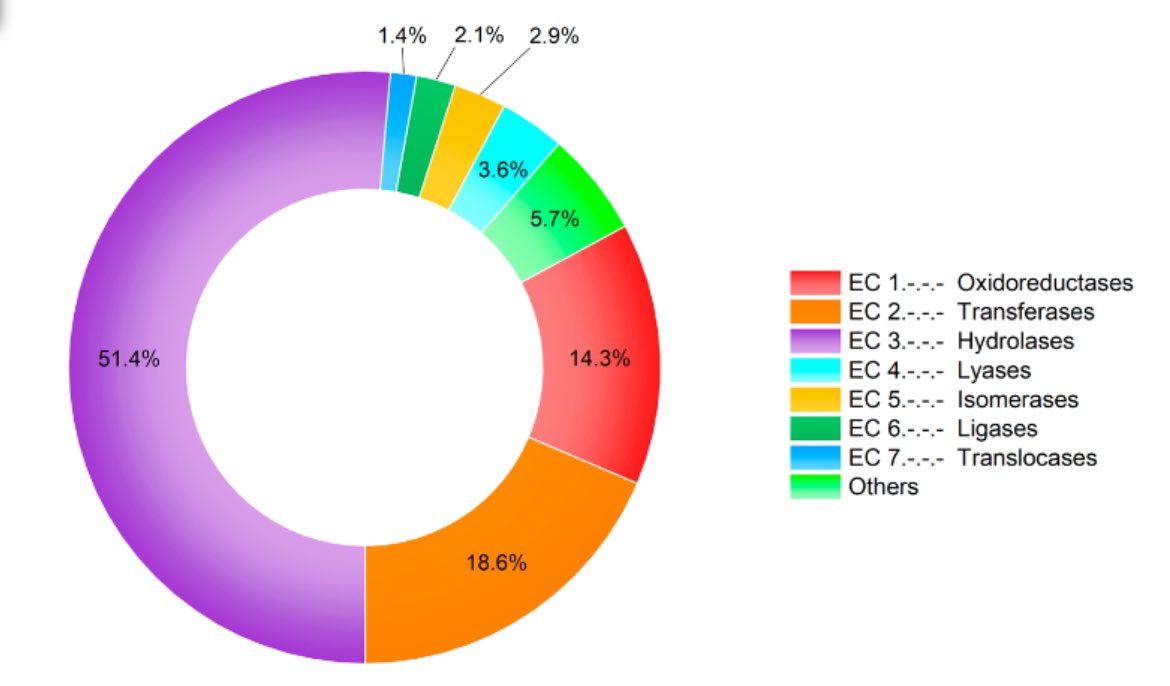
When you look into 🕷️📖, you will read that their venoms are mostly composed by neurotoxins and that enzymatic compounds are rare. Recent works challenged this perspective and thus we set out to investigate this question closer. We reanalyzed the venomic data from the last 20 years (!!!) and searched for enzymes. Indeed, we found that spider venoms can harbor dozens of them and that >140 enzyme families are present in venom across the 🕷️kingdom.
This not only means that we have so far vastly underestimated the chemical diversity of 🕷️venom, but it also opens up new avenues for #biodiscovery. How? Well, enzymes are important for diverse industries and sometimes reach billion-dollar level market sizes. We believe that this hitherto unrecognized toxinological dark matter has tremendous translational #value and recovering it will be a future major research line of my lab.
@ProLOEWE@LOEWE_TBG@geobiodiversity@Senckenberg@Fraunhofer_IME@Fraunhofer@jlugiessen
Newest paper from the lab, the first dissertation chapter of my amazing PhD student Lennart Schulte and the first outcome of my @dfg_public grant „FunVen“ published in @royalsociety Open Science.
Fully black (i.e. melanistic) adders are in Central European folklore referred to as hell adders since it’s believed that their dark color is linked to evil forces and the devil. Of course these snakes are also believed to be more toxic. Here, we investigate this case and compare venom chemistry and activity between hell adders and normally colored congeners. Indeed we find minuscule differences which are likely attributable to normal intraspecific variations and are unlikely to be of clinical consequence, hence the tale of more toxic black adders seems to be exactly that - a tale.
@ProLOEWE@LOEWE_TBG@geobiodiversity@Fraunhofer_IME@jlugiessen@VIPERA_eV@AntiviralGroup
https://t.co/SMQreBgkB0