NGC 7331: The Milky Way’s Cosmic Twin
A Tilted Masterpiece in Pegasus
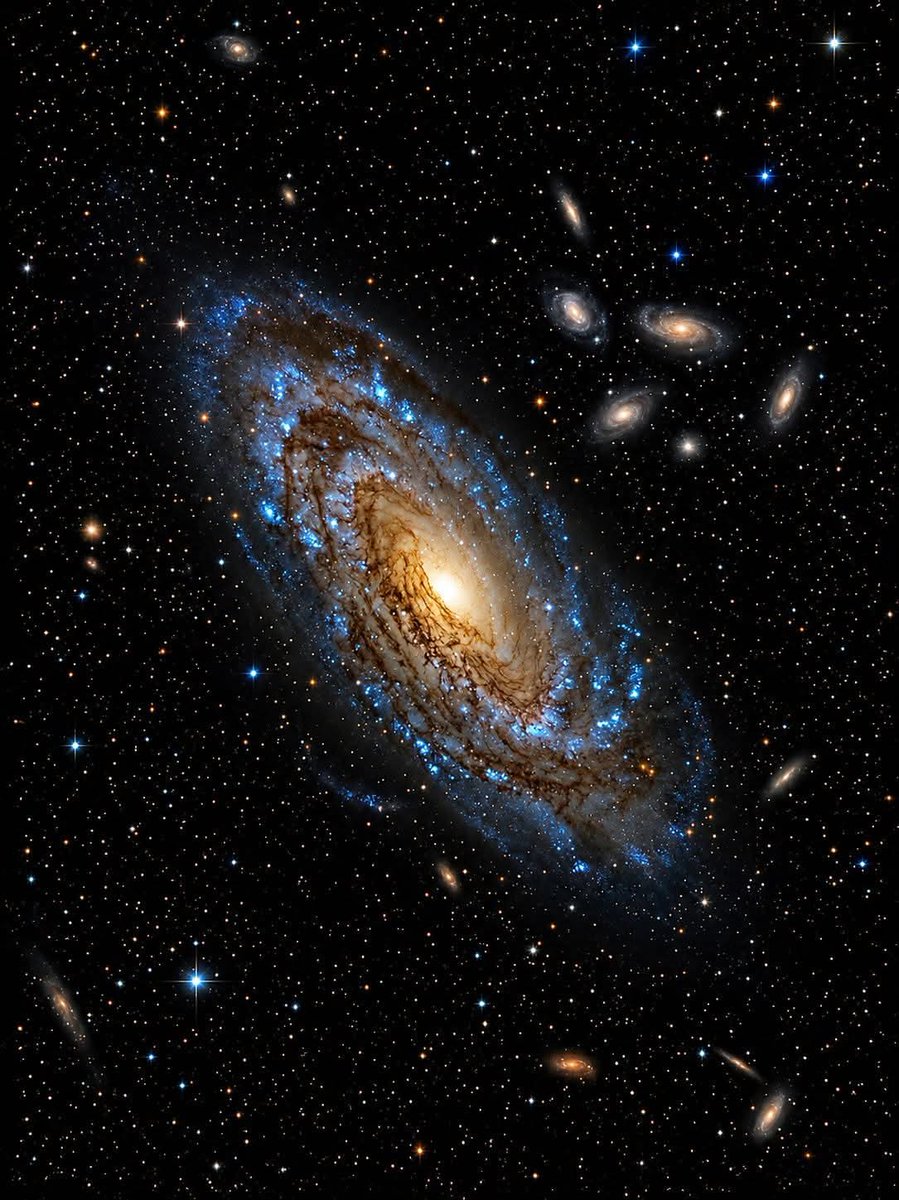
Drifting 40 million light-years away in the constellation Pegasus lies one of the most captivating galaxies visible from Earth: NGC 7331.
This majestic spiral is among the closest major galaxies beyond our Local Group, and its graceful tilt gives us a stunning three-dimensional view — both its sprawling disk and its bright, prominent central bulge on full display. In size, mass, elegant spiral arms, and even its rate of star birth, NGC 7331 is often called the closest thing we have to a twin of the Milky Way.
But the similarities run deeper… and stranger.
If you look carefully at deep images of NGC 7331, you’ll notice a sprinkling of tiny, fuzzy galaxies scattered around its outer edges. This is the famous Deer Lick Group — sometimes poetically called “Stephan’s Quintet of the North.” These galaxies appear to hover near NGC 7331 like fireflies, but they are impostors. They actually lie 300 to 400 million light-years behind it — a chance alignment that creates one of the most photogenic illusions in the night sky.
Yet the biggest surprise hides in the galaxy’s heart.
While most spiral galaxies rotate like a giant wheel — disk and bulge turning together — NGC 7331’s central bulge spins in the opposite direction to its outer disk. This rare counter-rotation is a fossil record of a dramatic past event: long ago, a smaller satellite galaxy plunged into NGC 7331. Its stars were swallowed by the bulge, but they kept their original retrograde motion, creating this cosmic oddity.
Unlike our own Milky Way, where everything spins in harmonious concert, NGC 7331 carries the scars of galactic cannibalism — a beautiful reminder that even the most majestic spirals have turbulent histories written in their orbits.
With its elegant arms, glowing core, and mysterious counter-rotating heart, NGC 7331 isn’t just another galaxy. It’s a mirror held up to our own, showing us what the Milky Way might look like from a distance… and hinting at the violent mergers that shaped it long before humans ever looked up at the stars.
Take a bunch of your favorite polyhedra and plot them in R^3 at coordinates (#vertices,#edges,#faces). Notice anything?
What's the equation of this plane? :)
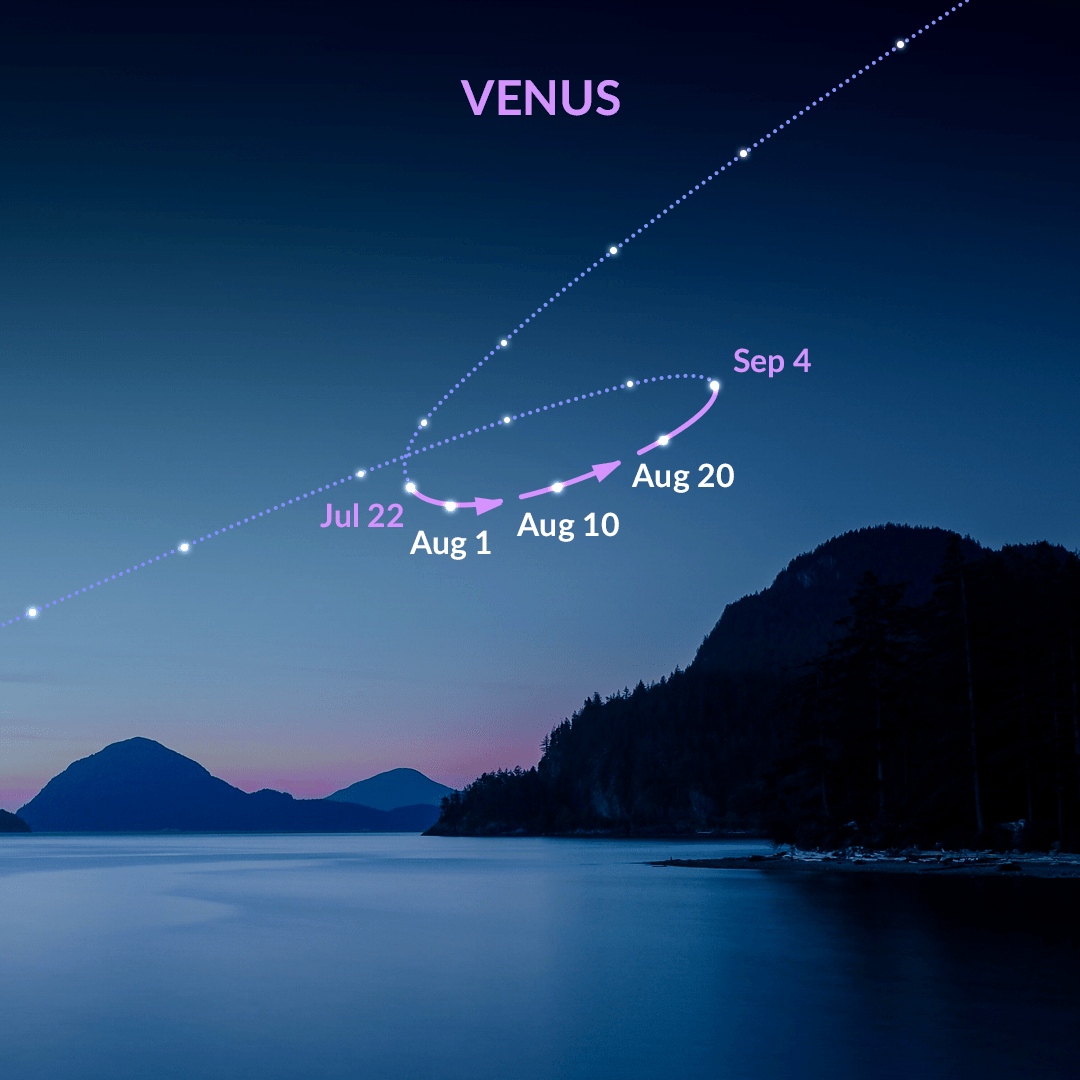
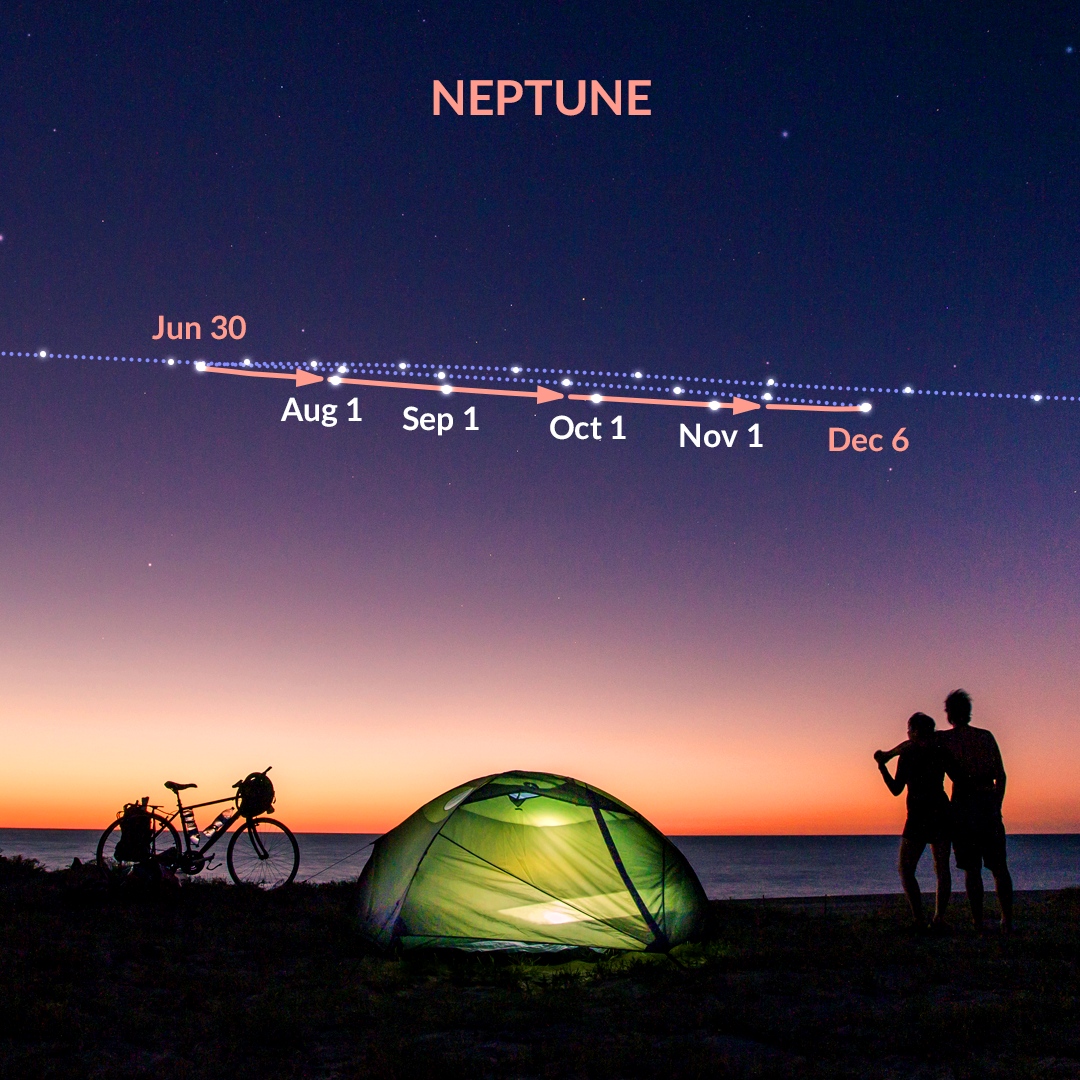
🔄🪐 When a planet appears to go backward in the sky, it's called retrograde motion. It's all an illusion caused by differences in orbital speed. Check out the retrograde schedules for some planets in 2023 👇️
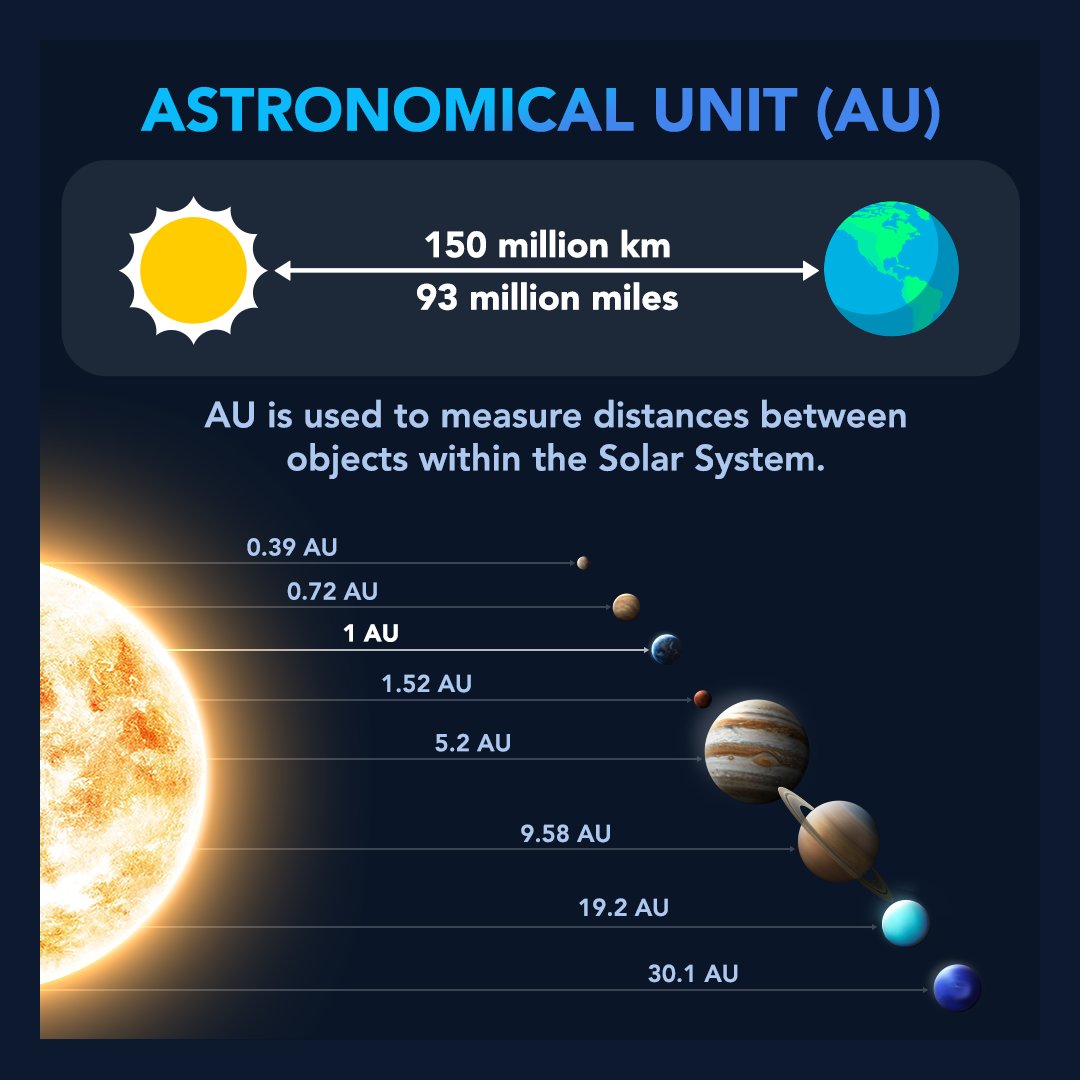
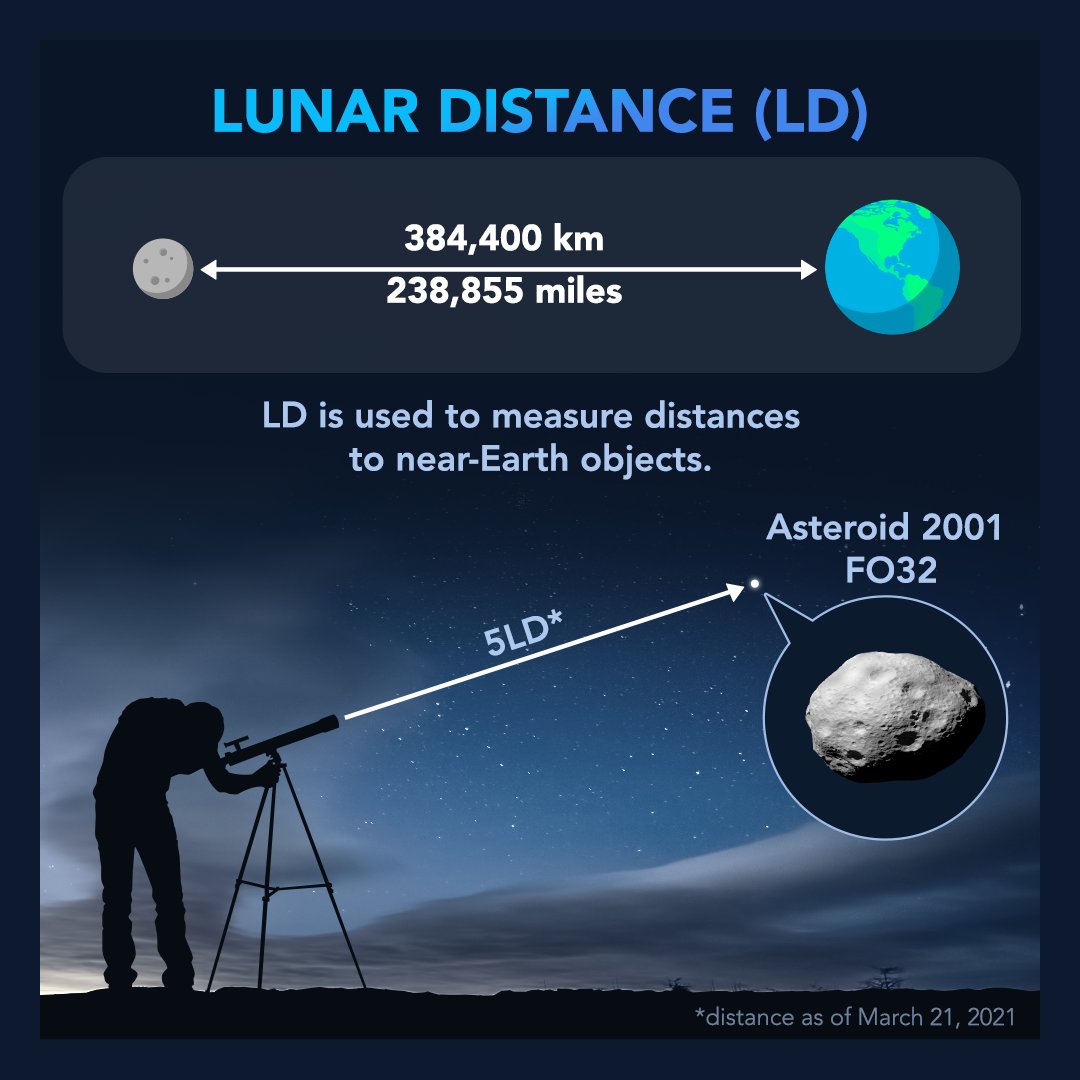
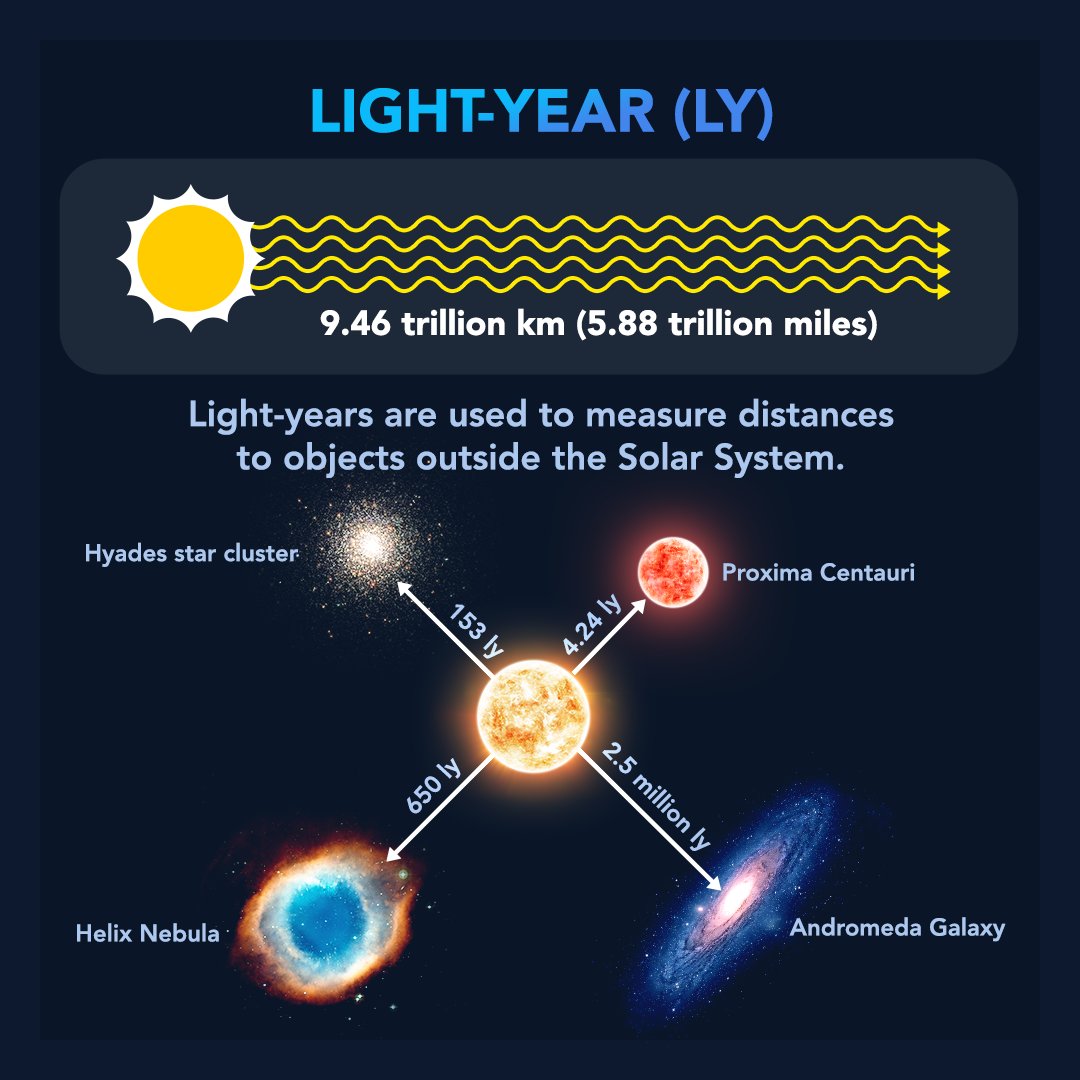
How do astronomers measure distance in space? 🤔📏
It wouldn't be convenient to use miles or kilometers when referring to distances in space. That's why astronomers have their own units of measurement: lunar distances, astronomical units, light-years, and so on.
Did you know that constellations change shapes? ⭐
That's because stars can move in any direction in space. Watch our video to see how the shapes of the constellations change over time ⬇️
Meet Thor’s Helmet Nebula ✨
Thor's Helmet, or NGC 2359, is an emission nebula located 12,000 light-years away in Canis Major. It's also known as Thor's Helmet because of its similarity to the Norse god's famous headdress.
Image Credit: Ignacio Diaz Bobillo
There are no stationary objects in the Universe! Even Solar System is moving not only around the center of the Galaxy but also relative to its nearest stellar neighbors. In this video, we show you this motion and what it looks like from the nearest stars 🌟
The annual rate of inflation among countries using the euro was 8.5% in February, down from 8.6% a month earlier. But some of the largest economies showed troubling increases, and food prices remained high. https://t.co/JmbWg6owCV
Desde el 2 de febrero de 2023, el centro-sur de Chile está sufriendo incendios generalizados.
Esta imagen obtenida por el satélite Aqua de la @NASAEarth el 3 de febrero muestra el humo de los incendios partiendo de Santa Juana, al sur de Concepción, hacia el océano Pacífico.
The Ploceidae are a family of small passerine birds, many of which are called weaverbirds. Weavers get their name because of their elaborately woven nests, built with fine leaf fibers, grass, and twigs
[read more: https://t.co/u1aSBMDAch]
[📷 Raj Shelke: https://t.co/xmPdH3w7fC]
At @NASA we have dedicated teams who watch the skies to make sure we are safe from hazardous asteroids.
Today's asteroid flyby is one of the closest ever recorded, but our #PlanetaryDefense experts have been tracking the asteroid and know it's not a threat to Earth.











![Rainmaker1973's tweet photo. The Ploceidae are a family of small passerine birds, many of which are called weaverbirds. Weavers get their name because of their elaborately woven nests, built with fine leaf fibers, grass, and twigs
[read more: https://t.co/u1aSBMDAch]
[📷 Raj Shelke: https://t.co/xmPdH3w7fC] https://t.co/Ne2pQRnr6n](https://pbs.twimg.com/media/Fn8zpT_WQAAEkWe.jpg)


