I must admit, the two mainstream archetypes for womanhood - “feminine and hollow” vs. “masculine girlboss” - are both so uninspiring. Your female ancestors labored & sacrificed & bled; they helped to tame the wilderness into civilization for you; were they all unfeminine?
I’d love to see the revival of feminine archetypes that enable a depth of living. The vision of femininity as a shallow, entirely soft, consumption-driven existence is just a polar inversion of feminism, affirming the idea that to live seriously and do anything interesting with your time requires you to become masculine
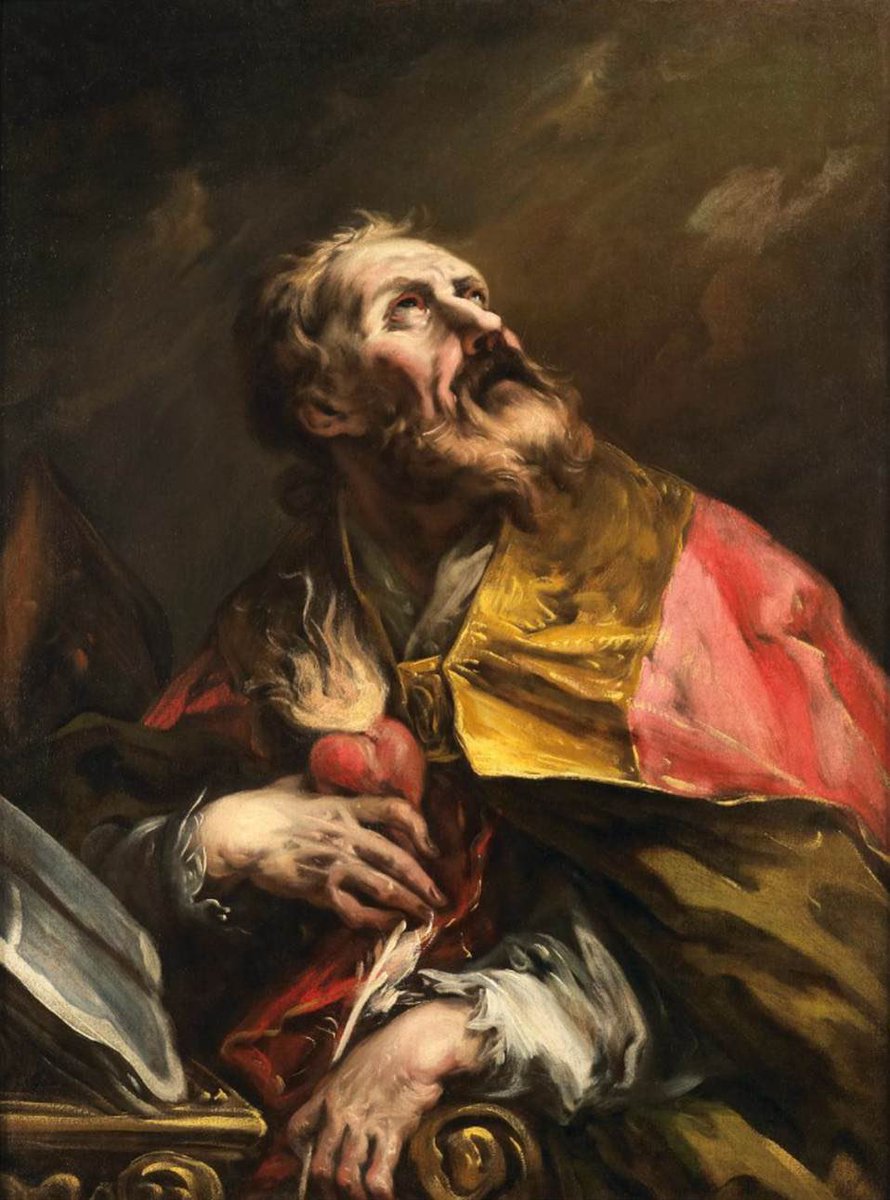
ST. AUGUSTINE: THE CHURCH’S UNDERSTANDING GROWS THROUGH TIME
St. Augustine articulated a very consistent account of doctrinal development in the Catholic Church, which he always and everywhere said was, by Christ’s establishment, governed by the successors of the Apostles, and preeminently the successor of St. Peter in Rome.
In short: God uses even heresies to help the Church grow in its understanding of the Faith.
“But even the heretics yield an advantage to those that make proficiency, according to the apostle’s saying, ‘There must also be heresies, that they which are approved may be made manifest among you’ (1 Cor. 11:19).
Whence, too, it is elsewhere said, ‘The son that receives instruction will be wise, and he uses the foolish as his servant’ (Prov. 17:2). For while the hot restlessness of heretics stirs questions about many articles of the Catholic faith, the necessity of defending them forces us both to investigate them more accurately, to understand them more clearly, and to proclaim them more earnestly; and the question mooted by an adversary becomes the occasion of instruction…”
St. Augustine, City of God (Book 16, Ch. 2)
I have never seen a better executed order for the table in my life
Down to the details:
- napkin tuck for order
- upping portion sizes in a blink
- the Bao Bun execution
- asking the server for recs
- politeness and complete control of the room
Wow.
The life of Saint Augustine, and his call to servant leadership, reminds us that we all have God given gifts and talents. Our purpose, fulfilment, and joy comes from offering them back in loving service to God and our neighbor.
@alcuin18 Hence, when a man truly loves another as himself, he will show his love not only by good wishes, but by practical benefits. He will obey the teaching of St. John (1 Jn. iii. 18), “My little children, let us not love in word, nor in tongue, but in deed and in truth.”