Roman Catholic. Strict Observance Suarist. Kabab Enjoyer.
“Cognitio enim Trinitatis in unitate est fructus et finis totius vitae nostrae.”
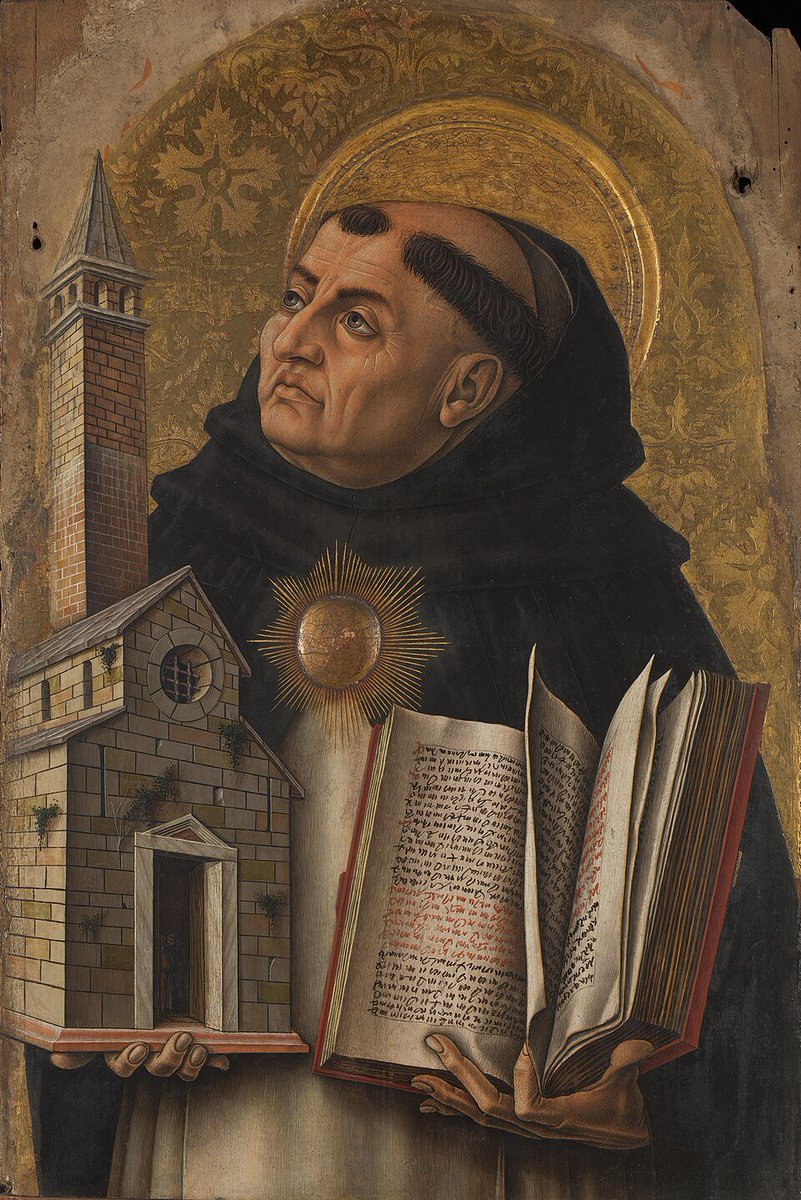
D. Thomae Aquinatis
⚡️BREAKING: Iran's Revolutionary Guards have unveiled a new Underground Missile City located deep inside a Mountain
The video shows Hundreds of Ballistic Missiles
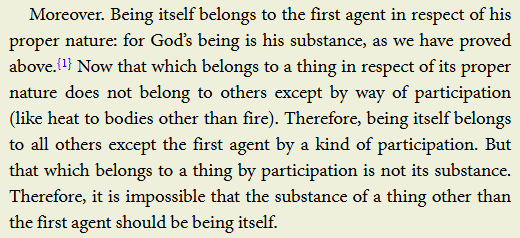
@si62119640 Because of the absurdity of the fundamental theses in Thomism, such as the real essence-existence distinction, limitation of act by potency, false Neo-Platonic doctrine of participation, false Aristotelian physical principle of motion, etc.
@gloriapatrii_ Already refuted here. The example of St. Thomas and the one you used does not correspond to the physical premotion: https://t.co/H4wu8QrzGJ
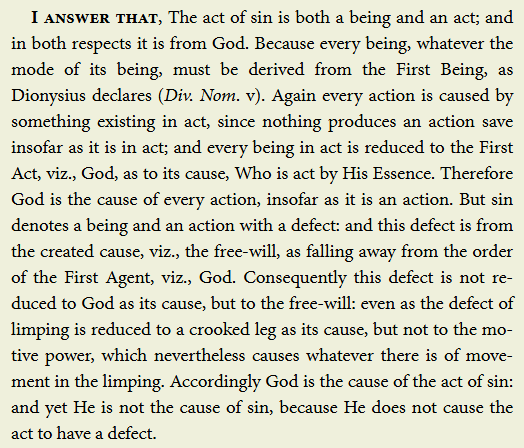
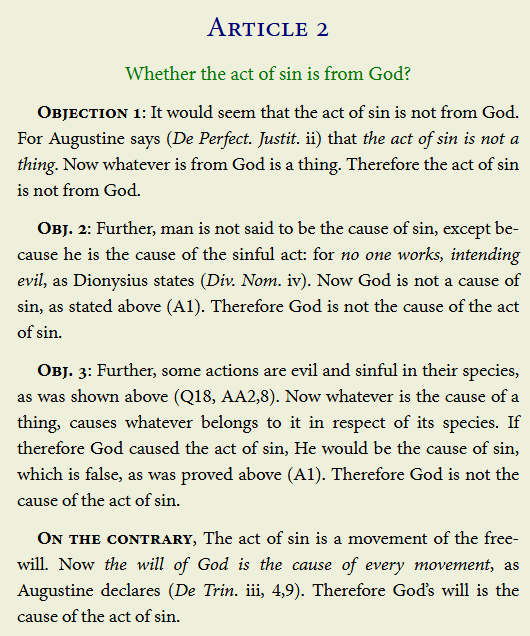
Refutation of St. Thomas's distinction between God's causing of the act of sinning vs. causing the sin which is a defect implied therein. The Angelic Doctor believes that God causes the former, but not the latter using the famous example of a crooked leg, but does it really work?
@gloriapatrii_ Lol, and this is the person who represented the Dominicans in De Auxiliis... Either Lemos didn't know what we actually believe or just decided to strawman.
@frommedjed Nothing wrong, only his doctrine. He believes that which receives and participates must be really distinguished from that which participated or received. This was one of the Neo-Platonist errors that was refuted by the contemporary Dominicans and Franciscans. Read Bonini.
The root of St. Thomas's error on the doctrine of participation is his Neo-Platonic influence, which was refuted by his contemporaries such as Alexander Bonini. O.F.M. Conv.
@frommedjed Nothing wrong, only his doctrine. He believes that which receives and participates must be really distinguished from that which participated or received. This was one of the Neo-Platonist errors that was refuted by the contemporary Dominicans and Franciscans. Read Bonini.
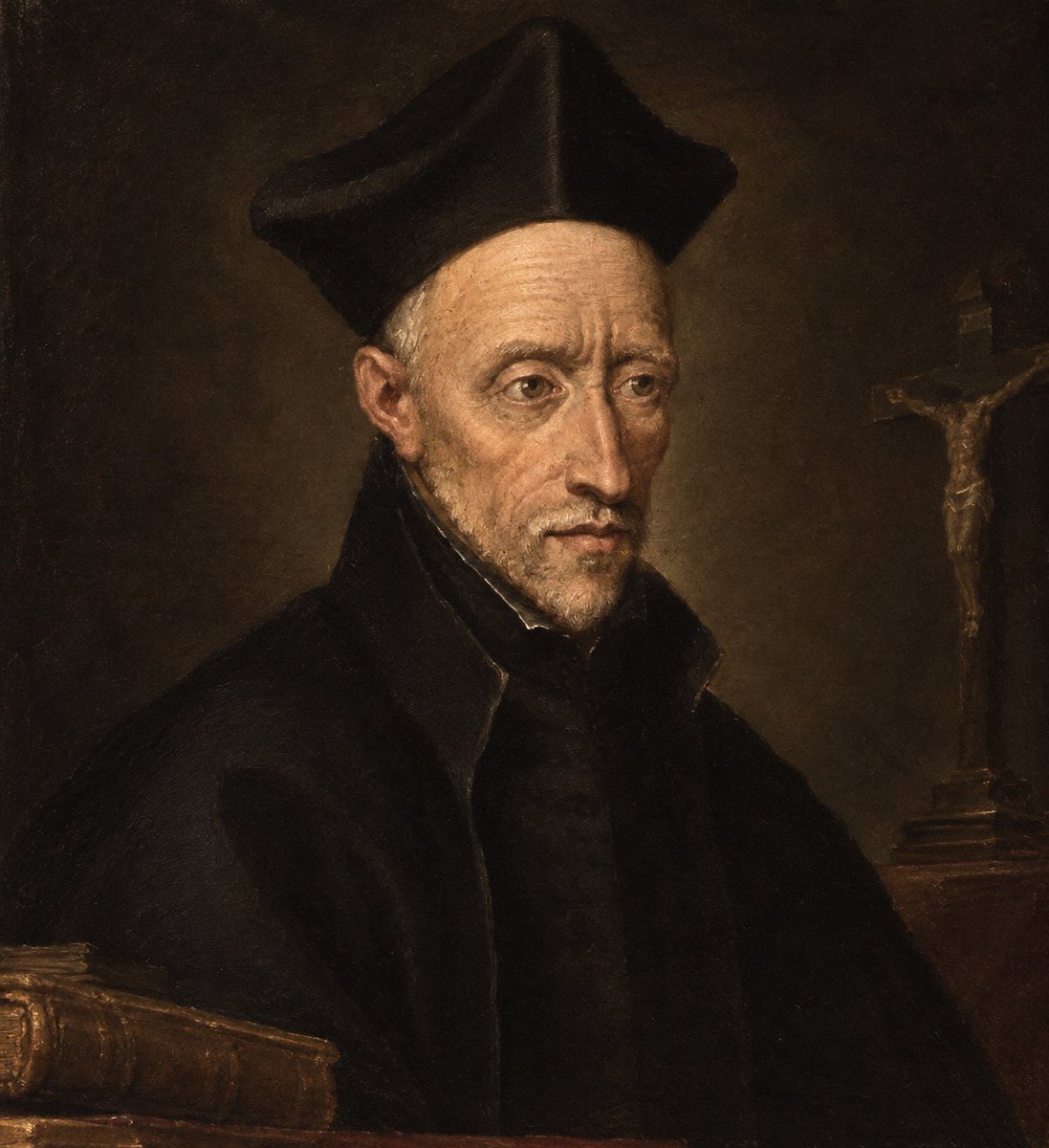
“Francisco Suárez, the illustrious disciple of St. Thomas, who does not merely repeat the doctrines of the Angelic Doctor, but rethinks them for himself and, where there is need, adds something to the ancient doctrines or purges them of remnants not to be retained.”