Assessing the extinction and invasiveness risks for Macaronesian arthropods through trait-based predictions. Project based @uacores and funded by FCT (Portugal)
Drawings by @jago_MO to ilustrate the main results of the paper led by @_Oyarzabal , representing one of the outcomes of @MACRISK_Project
https://t.co/GyNLSD934C
3/3
This image represents the domination of Azorean habitats by large ground-dwelling exotic species, the restriction of small endemic species to the canopy of small patches of protected forest, and the resulting high extinction risk of the latter, even when they are abundant. 1/3
Exotic species (underneath the tree, from left to right) are Quedius simplicifrons, Otiorhynchus rugosostriatus, Rhopobota naevana and Clubiona terrestris, and the endemics (on the tree, from left to right) are Trechus terrabravensis, Pisaura acoreensis and Cedrorum azoricus. 2/3
Led by @_Oyarzabal new study @EcographyJourna
uses two long-term datasets to find that body size, guild and microhabitat explain temporal variations in the abundance of Azorean arthropods. Results differ between native and exotic species.
https://t.co/AtCJNLgTjF
@CE3CResearch
Great collaboration led by @_Oyarzabal about long term changes in arthropod groups of the Azores, and how temporal trends are related with certain traits. This study was only possible thanks to the many collaborators who were part of the field campaings and labwork
@IslandBiology
Registration are open for the summer course “Island Biogeography and Macroecology”. Angra do Heroismo, Azores, 22 July - 2 August 2024
There are funding oportunities for portuguese and US citizens. Don't miss it!
coursehttps://gba.uac.pt/training/ver.php?id=8
@IslandBiology
The first #redlist for mainland #Portugal#invertebrates is finally out! This work presents 200 threatened species, their ecology, distribution, and population trends, identifying the main threats and conservation measures. #OpenAccess in Portuguese.
https://t.co/SB4WL0mImS
2023 IBS Doctoral Dissertation Award 👀 🤓
IBS seeks Dissertation Award nominees! Visit the website for eligibility, dates, and more 👇
https://t.co/LArXR1B9Vg
▶️Thousands of hours of work compressed into 352 pages. Finally, we can say that it is out. 🎉Thanks to everyone who made this milestone possible! Especially to @ananovoaperez and Petr Pyšek for sailing this adventure together. @DeptEcology @ecotox_usc
https://t.co/eZRfpDIdPf
In what may be one of Earth’s craziest forms of mimicry, researchers have discovered a new species of rove beetle that grows a termite puppet on its back to fool real termites into feeding it. https://t.co/6LWY0KiIS4 @NewsfromScience
New work @InsectDiversity where PhD student Ricardo Costa reveals that #Macaronesian#spiders differently use vertical space available, with native non-endemic species found at higher vertical strata than endemic and introduced species.
https://t.co/yXkVGNLyI6
@CE3CResearch
The 2nd edition of the summer school in island biogeography and macroecology (Univ. Azores, Portugal) is on! Two weeks course on island biology, in an international environment, and having Terceira Island as the venue... Priceless! @IslandBiology
We finally have an invertebrate @IUCNRedList for Portugal. #Spider assessments by @VV_Branco@crego2020 and myself. Three endemic species assessed as threatened, but lack of knowledge is still the norm.
Part of MACRISK team is attending the #IslandBiology2023 meeting on Lipari Isl (picture taken in Stromboli). A lot of interesting talks about species extinctions and invasions on 🏝️, focusing on topics related to our own project. Exciting days!
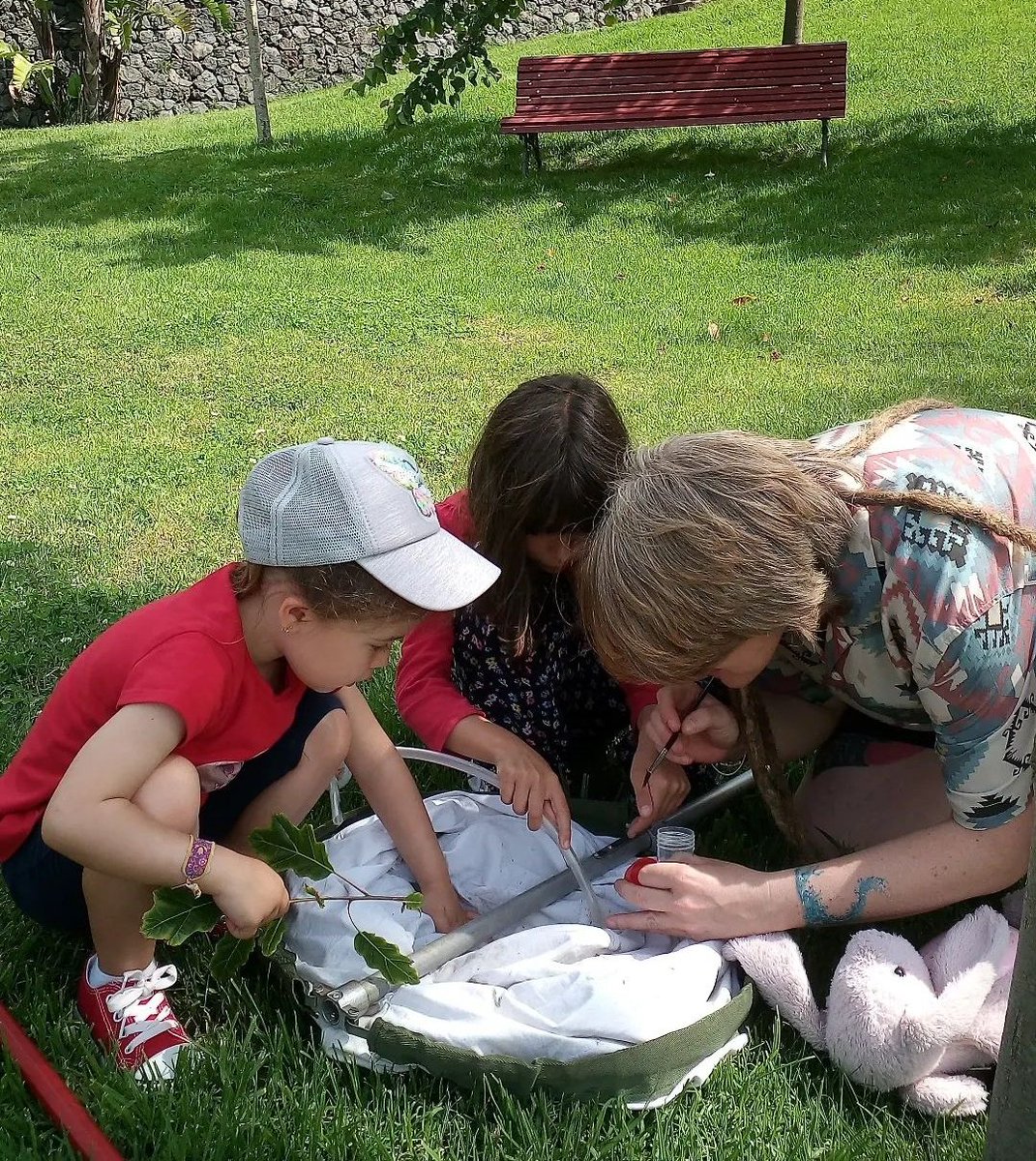
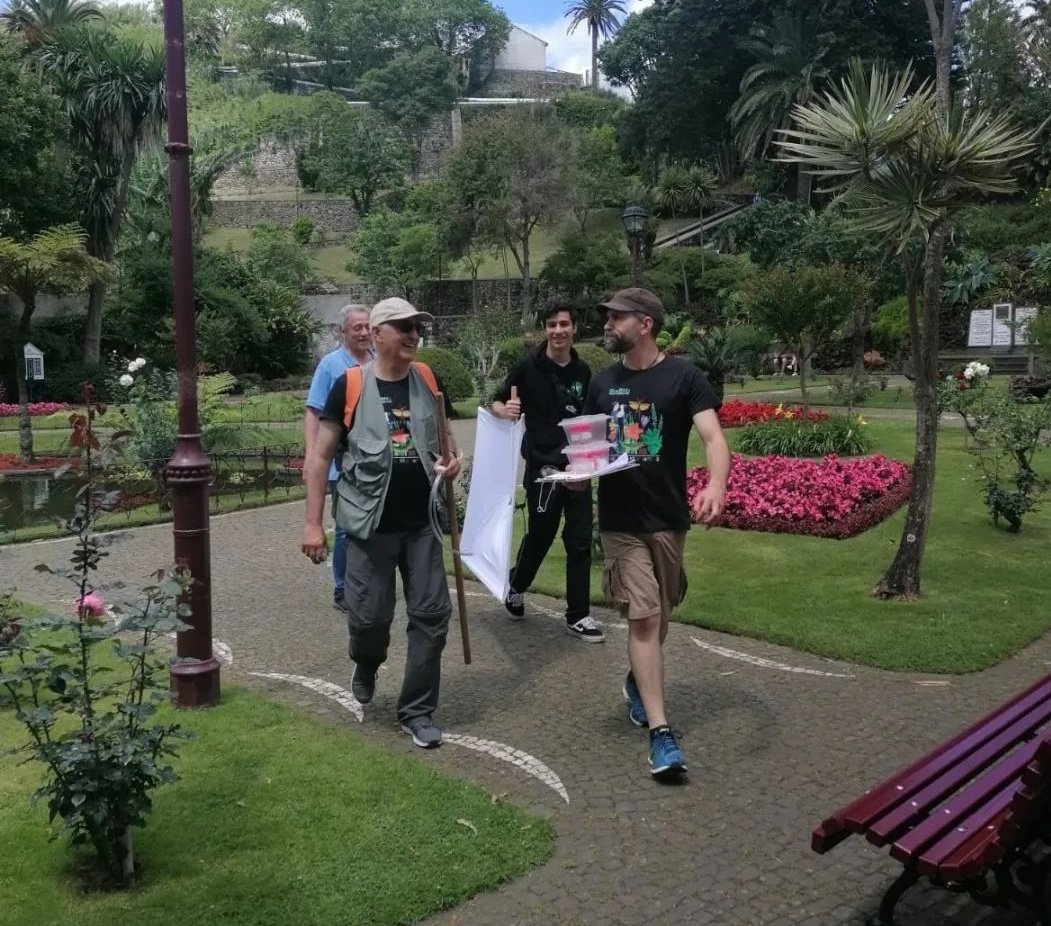
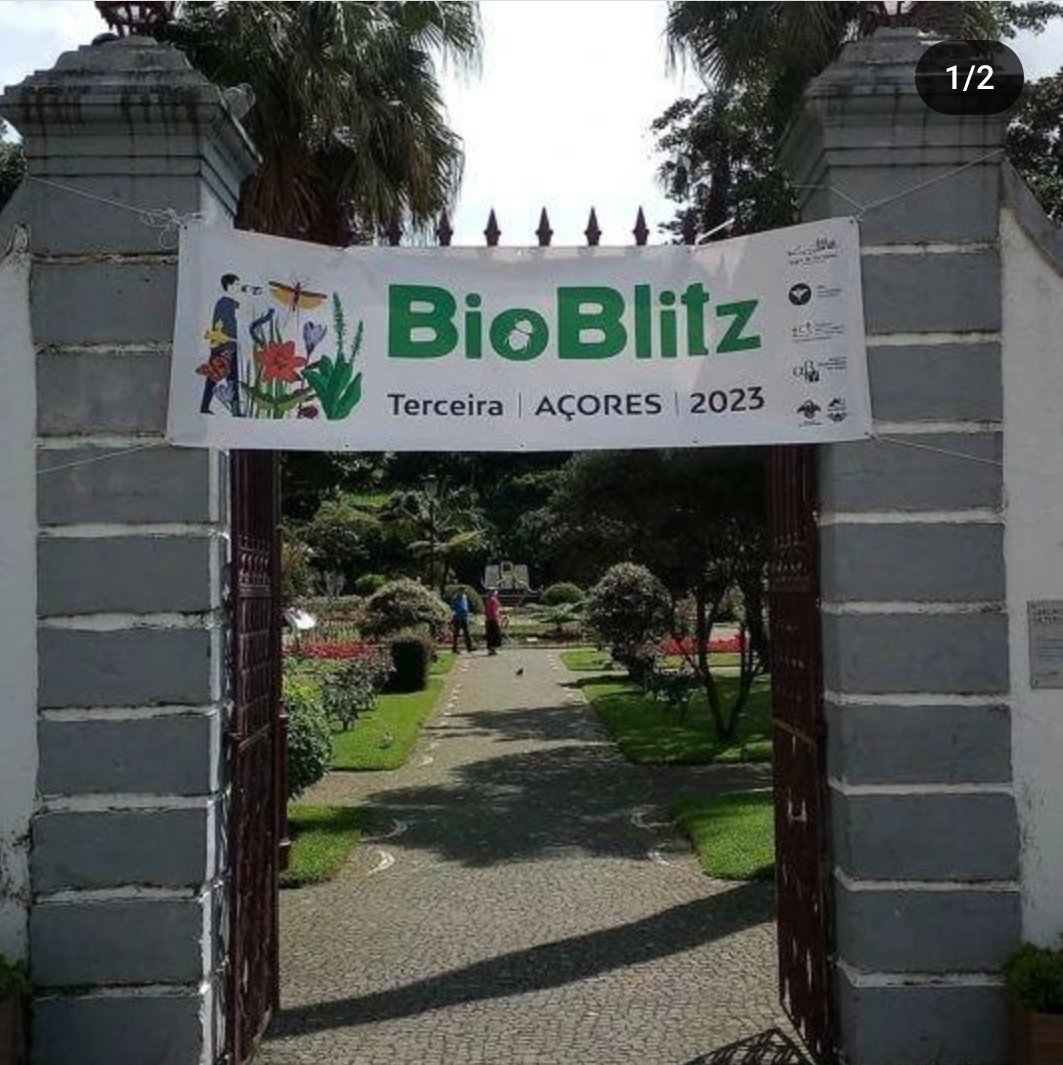
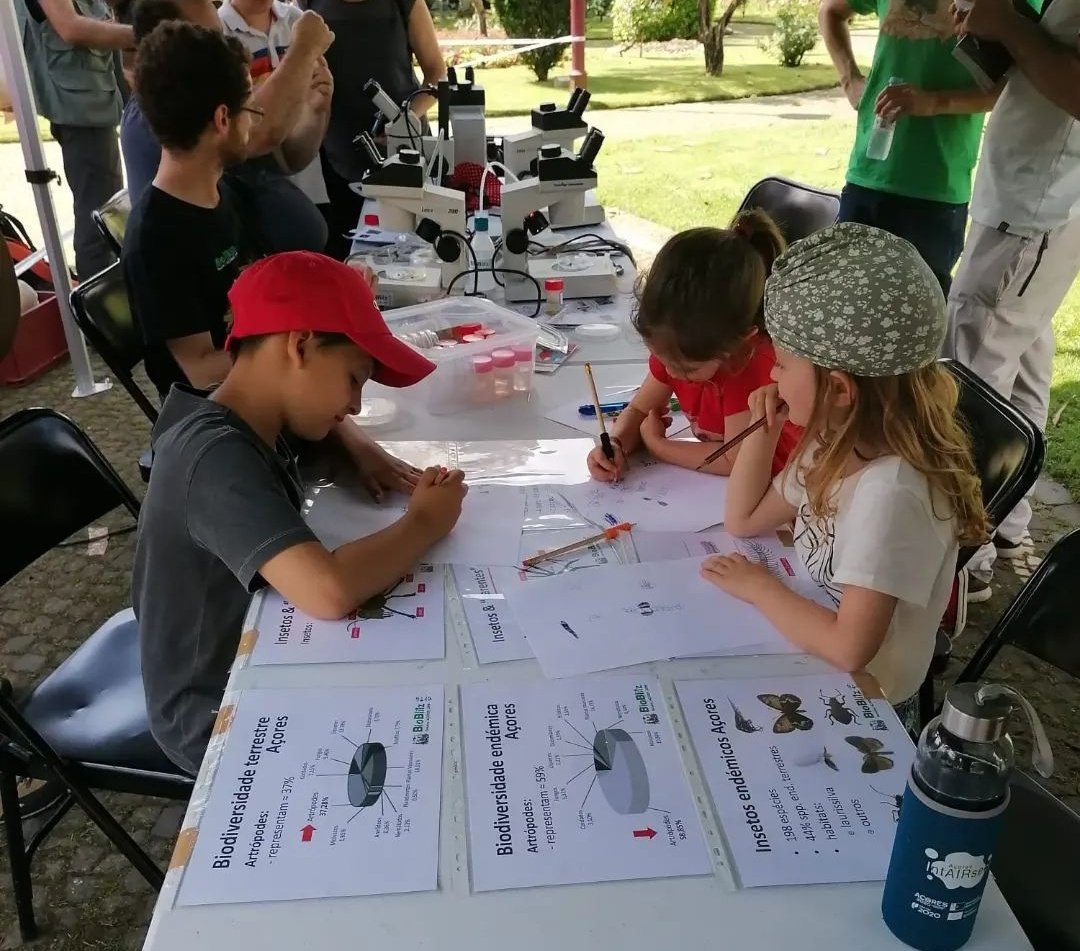
#Bioblitz Azores 2023 was a huge success. Lichen, birds, arthropods, plant experts working with the general public to identify species! Citizen science in action