X-ray course finally finished. 40 days straight 🥵🥳 Free for all on YouTube. Bring on the ultrasound physics course (with a side of burnout). #radres#radtech#FOAMrad
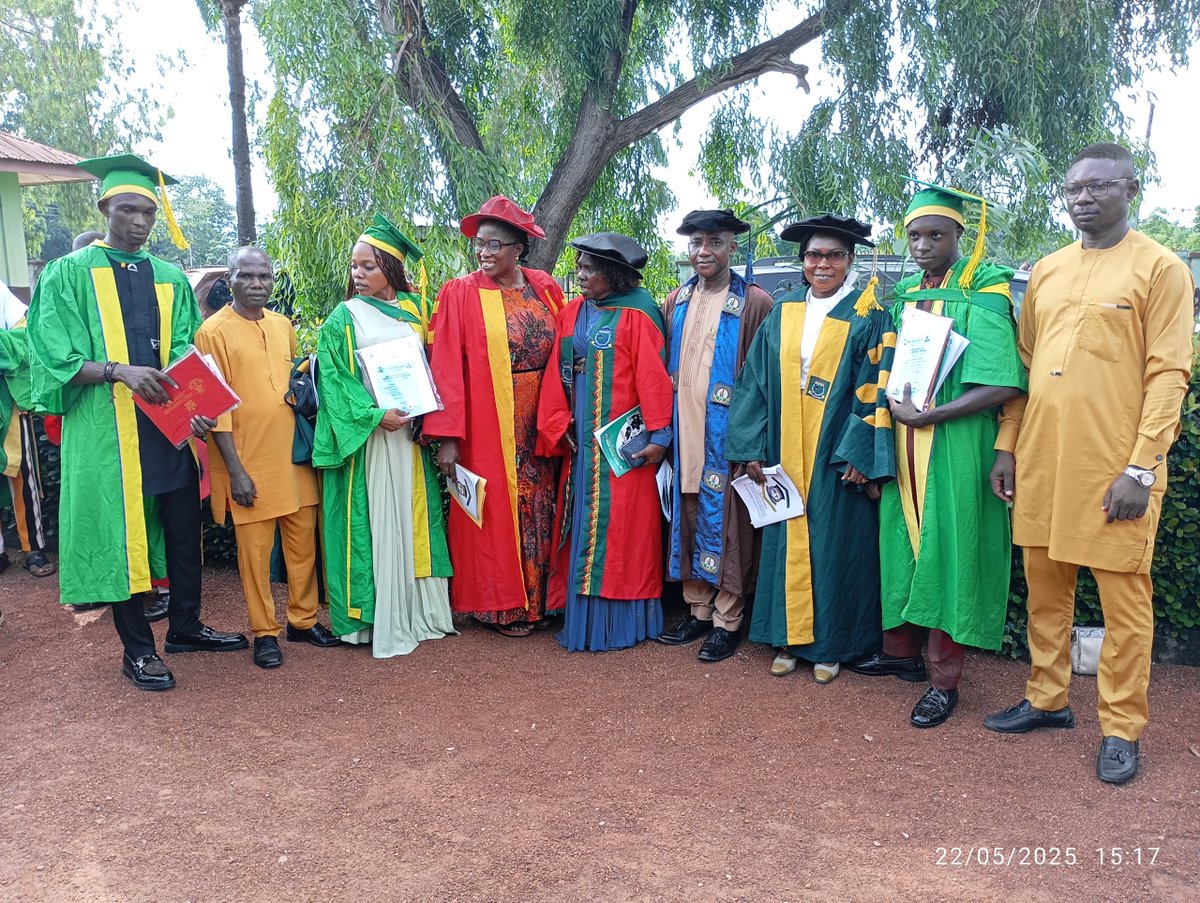
Breaking news! We have graduated new medical laboratory technicians to help address manpower shortages in Nigeria.
All our graduates have been employed!
Apply now to join our new cohort: https://t.co/DgCyaVcIQ8
STEEL AND SOIL: HOW THE ABA RAILWAY FORGED AN INDUSTRIAL CITY
The story of modern Aba cannot be told without the steel tracks that cut through its soil and connected it to the world. The railway did not just bring goods — it brought transformation. It redefined movement, shaped population flows, and laid the foundation for Aba’s evolution into a commercial powerhouse in Eastern Nigeria.
It all began with coal.
The discovery of coal in Udi, Enugu, sparked an ambitious infrastructure project: the construction of the Eastern Railway between 1913 and 1916. This rail line would link the coal-rich hinterlands to the port city of Port Harcourt, but it was Aba — a quiet town poised along the new route — that became the unlikely heart of this transformation.
By 1916, when the Eastern Railway began full operations through Aba, the global economy was recovering from the shocks of World War I. Palm produce — the region’s economic lifeblood — regained value. Initially promoted as a cheaper alternative to canoe transport to Opobo, rail freight costs nonetheless surged, rising by almost 80% in six years, from 10s.6d to 18s.8d between 1916 and 1922.
Still, the tracks had laid the path for a new economic order.
European trading firms — better capitalised and politically connected — quickly became the main beneficiaries of the railway. By 1919, major firms had set up buying stations at the Imo River and within Aba itself. By 1921, the town had grown into a bustling outpost, home to 29 Europeans, 50 ‘Native Foreigners,’ and 325 northern Nigerians — evidence of a rapidly changing and diversifying urban landscape.
The railway corridor was soon teeming with commercial energy. When the pooling agreement among major British firms collapsed in 1917, it ignited fierce competition. Even after the formation of the African and Eastern Trade Corporation (A.E.T.C.) in 1919, new trading outfits poured into Aba, with at least five new European firms launching between 1919 and 1924.
These firms leveraged the railway's transport advantage, deploying African agents into interior markets to buy palm oil and kernels. They moved goods at scale, reorienting regional trade routes and sidestepping many local intermediaries. Though the tracks were laid in iron, they symbolised a deeper restructuring of commerce — one that profoundly favoured colonial capital.
And yet, the railway was only part of a broader transport revolution.
By 1921, motor lorries operated by Miller Brothers, Weeks Transport, and Holt Brothers began ferrying goods between Aba and Itu. By 1925, year-round motorable roads linked Aba to key towns like Ikot Ekpene, Asa, and Opobo. By 1935, a robust transportation grid — blending rail, road, and river — had emerged. It was this network that cemented Aba’s strategic importance, drawing people, products, and possibilities into its orbit.
From a transit point to a trade hub, from market town to manufacturing centre, Aba was remade by the railway. Its iron spine remains a symbol of the city’s resilience, adaptability, and drive.
As we commemorate #Aba130Years, we remember the steel that shaped the city — not just as tracks of commerce, but as pathways of transformation.
This April, in partnership with the Aba Book Club, we are bringing the Nwa Aba Project to life: a storytelling initiative celebrating the past, present and future of Aba.
Share your story with us:
Email: [email protected]
Deadline: April 30th, 2025
#Aba
#NwaAba
#AbaTheStory
#Aba130Years
#CentreForMemories
Maka Unyaa, Taa na Echi.
@cfmemories@aba_book As an accredited higher education institution in Aba, we witness the indomitable Aba spirit each day in our classrooms.
Our students na agba mboʻ ri'nne.
#AbaMade
Who will emerge as Abia Teacher of the Month for April 2025?
Help us select from these 5 outstanding teachers using this link!
https://t.co/1uFlsn6hvB
Voting is free but closes on April 6, 2025.
Share widely #teachers#teacherappreciationweek#abiateachers
Abia Teacher of the Month contest is back. Nominate your favourite secondary school teacher today. Visit https://t.co/HLfuT0eWMk
#TeacherAppreciation#AbiaState#teacher
@Comm_College thank you for your recent podcast on Community College Voices with @DrJohnMaduko
Although we're based in #Nigeria your insights are useful. Community colleges filter people in, not out!
We are hiring!
Apply now to join our growing team of service-oriented professionals. Visit our careers website to view current openings: https://t.co/Hc2MyiJs0e
2024/2025 Admission is still in progress!
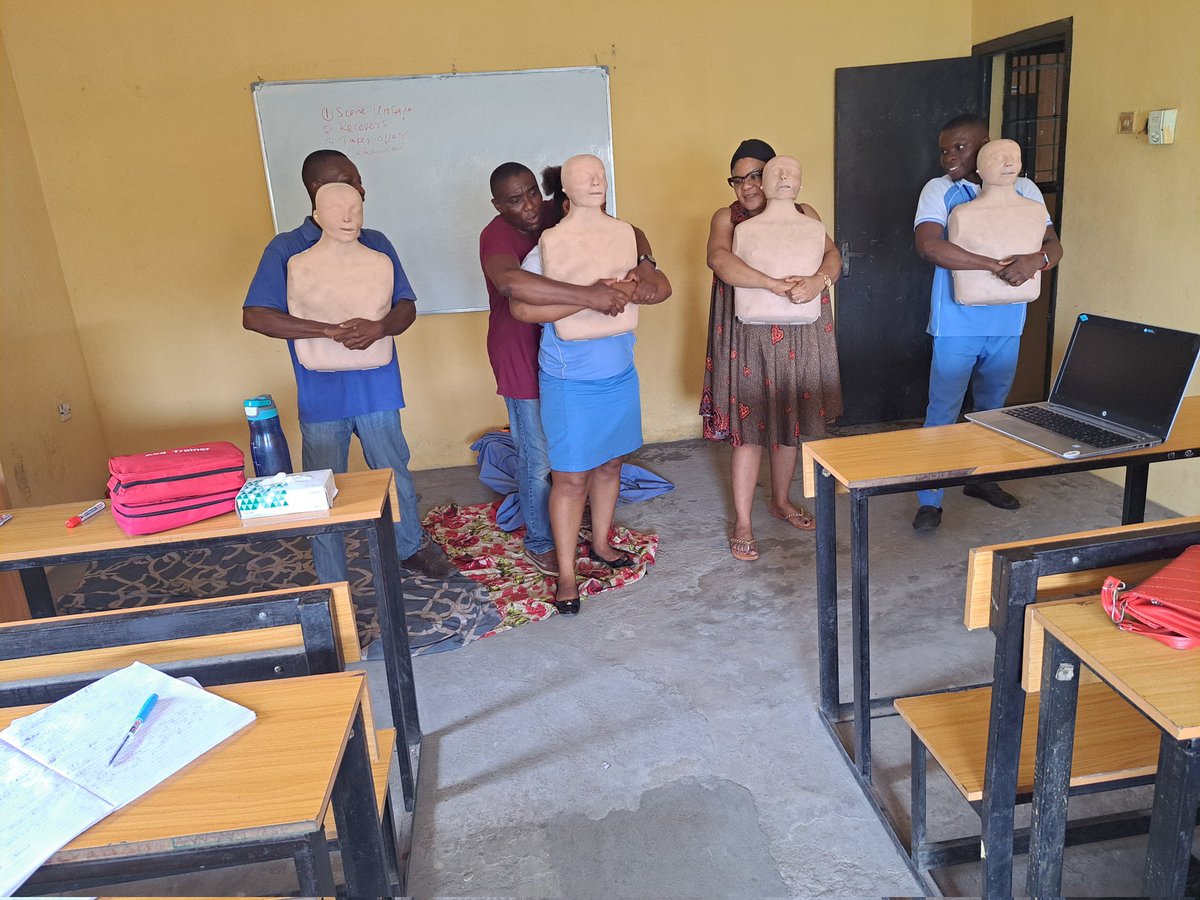
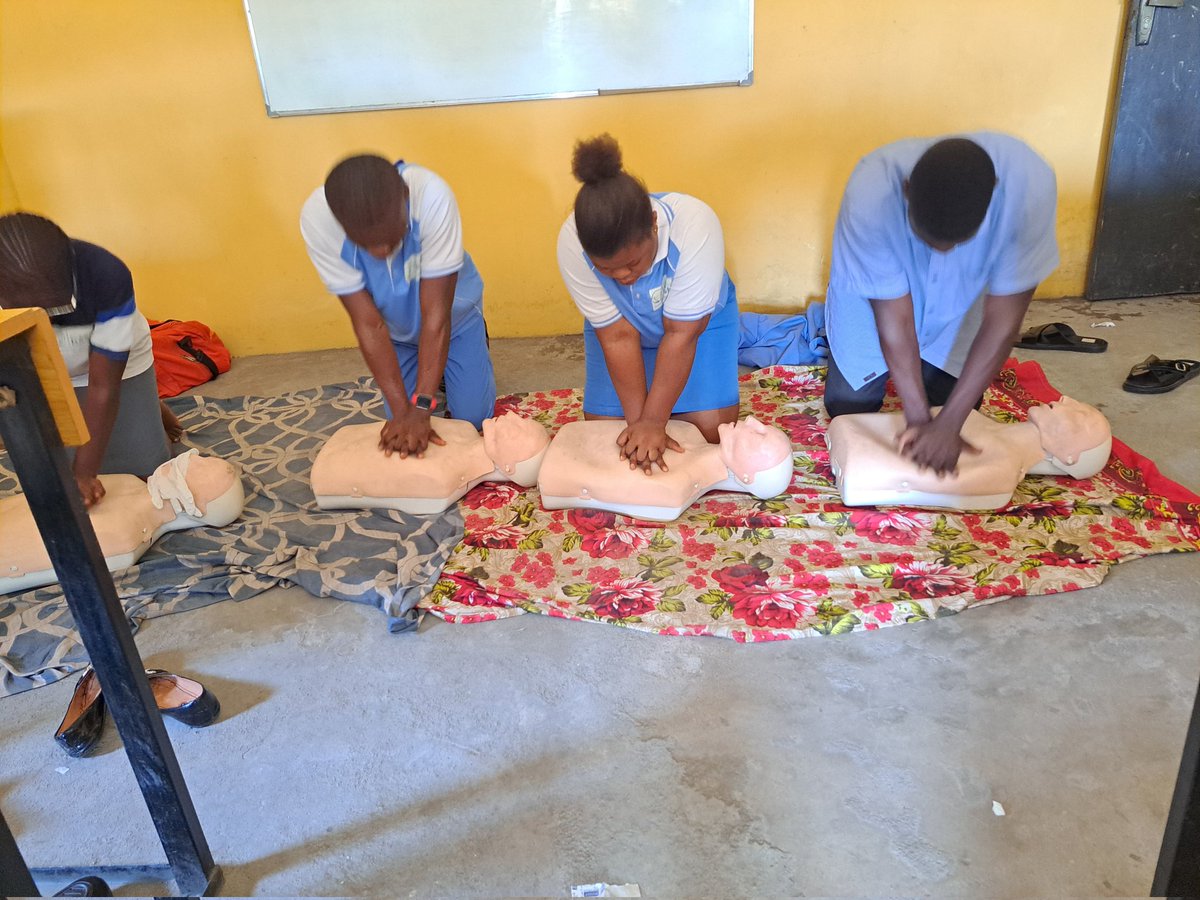
💻Join the Basic Emergency Care Webinar from the @WHO on 3rd September 2024, 15:00 - 16:30 (CEST).
This webinar will highlight the WHO/ICRC Basic Emergency Care (BEC) training and its impact.
Learn more and register here: https://t.co/J5EGnMbTRn
@ICRC#GlobalHealth