Pretty cool position at Michigan State studying beaver ecology and behavior. I’m biased, but the wildlife program at MSU is top notch. Apply! https://t.co/ZcazVhhANs
Being out in the field can be difficult—and even dangerous—for LGBTQ+ wildlifers. Researchers recently provided recommendations for institutions and individuals to help make it safer. https://t.co/C5zwFiAjpP @TWS_OitF@TWS_IDEAWG @smammal_bio @jaimejcoon
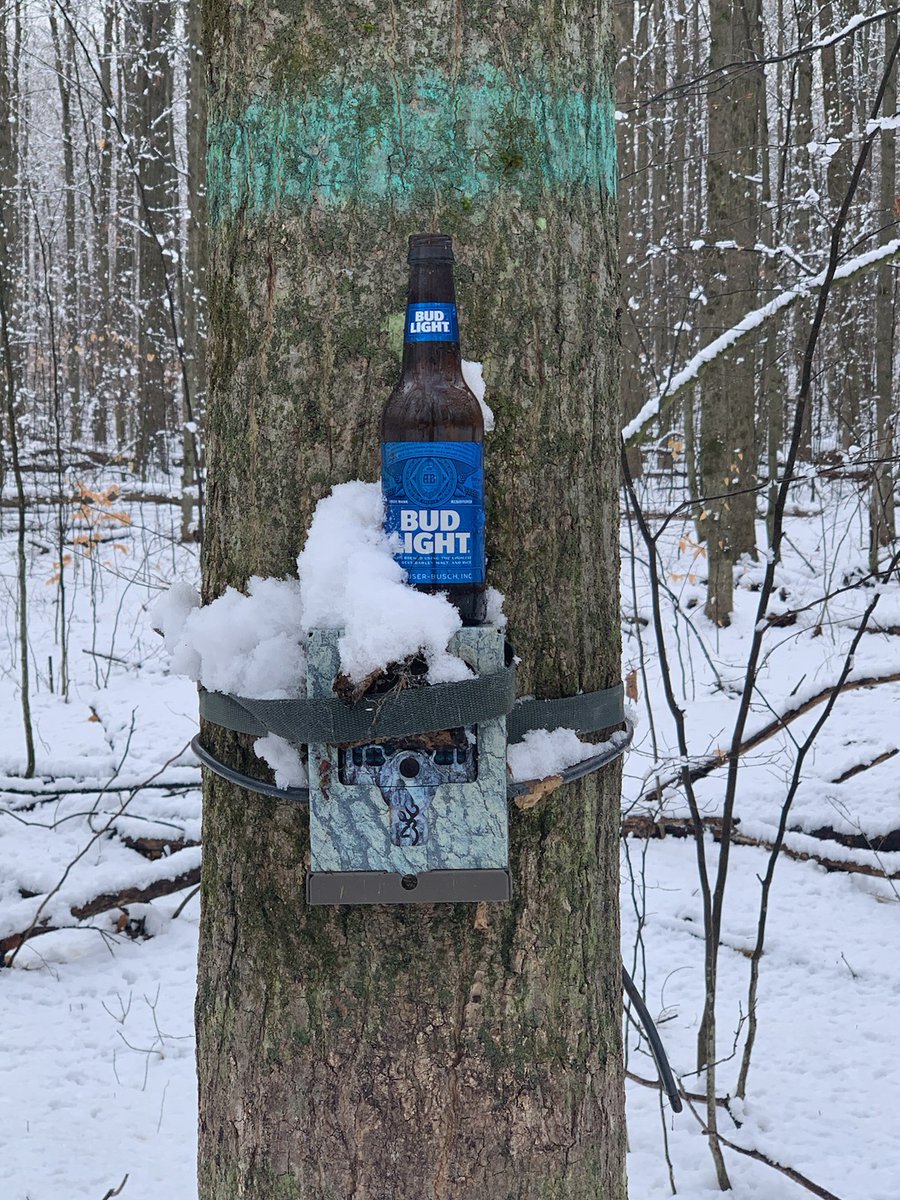
I guess this is a tiny bit better than smashing or stealing the camera..... but why?!?!?!?!?! #cameratraps STOP DESTROYING OR MESSING WITH MY DATA COLLECTION 😤 I am trying to help you have a forest with #wildlife in it
Interesting paper out today challenging the long-held practice of using an independence interval when using camera trap pictures to measure animal activity. The authors say it discards meaningful information and isn't needed. 🧵https://t.co/OnmcoSAyV3
I’m excited that this paper was just published:
https://t.co/55lUivR0MR
with my former USGS intern @haley_turner28
The paper is about using SCR models to estimate population density of turtles from visual search surveys.
1/n
#turtlescience
Prop 3 to codify reproductive rights in MI is up for a statewide vote in Nov. Opponents have already proven they're not above lying about its contents, so it's up to MI voters to seek out the truth & make their voice heard at the ballot box this fall. https://t.co/PqKZcT9u5y
Are you planning to attend this year's TWS Annual Conference in Spokane, WA? If so, consider including this field trip with your registration to learn more about forestry!
Just a week between both photos. Leaf emergence. #Cameratraps provide fine spatial and temporal data, not only about animals but also about plants and climatic parameters.
Have a look at this paper for a more in-deep overview
https://t.co/NjPIzW7TJx
@RSECJournal@TimHofmeester