⚡️Honored to publish this feature in Radiology, highlighting the incredible growth of Interventional Oncology. Many brilliant minds making important contributions—the future is bright! Link: https://t.co/Jz4dtDTryN
By 2043, interventional oncology will resemble surgical oncology, with a comprehensive clinical infrastructure including outpatient clinics, clinical and research fellows, advanced practice providers, and inpatient units. https://t.co/FY6hqVTulU
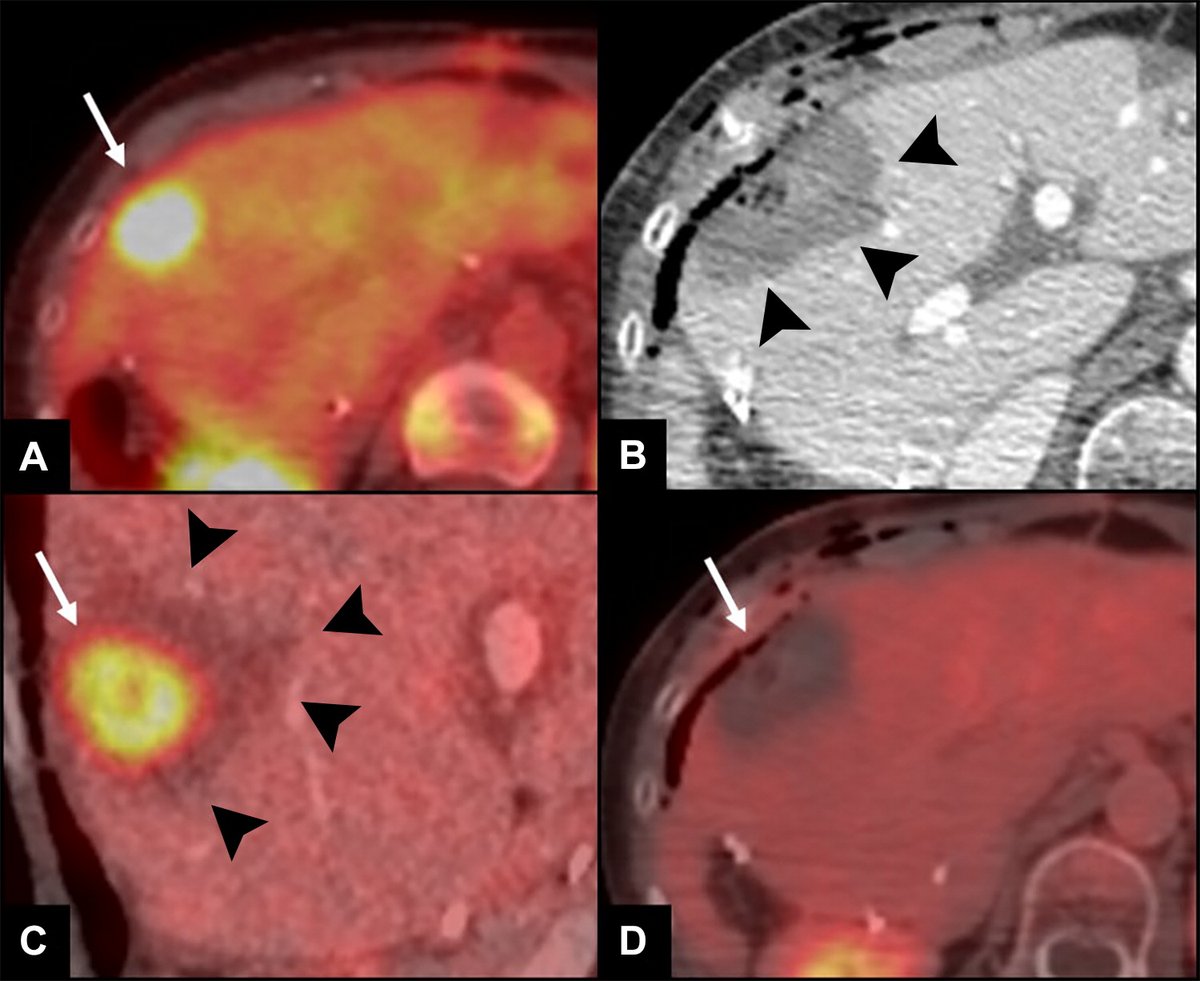
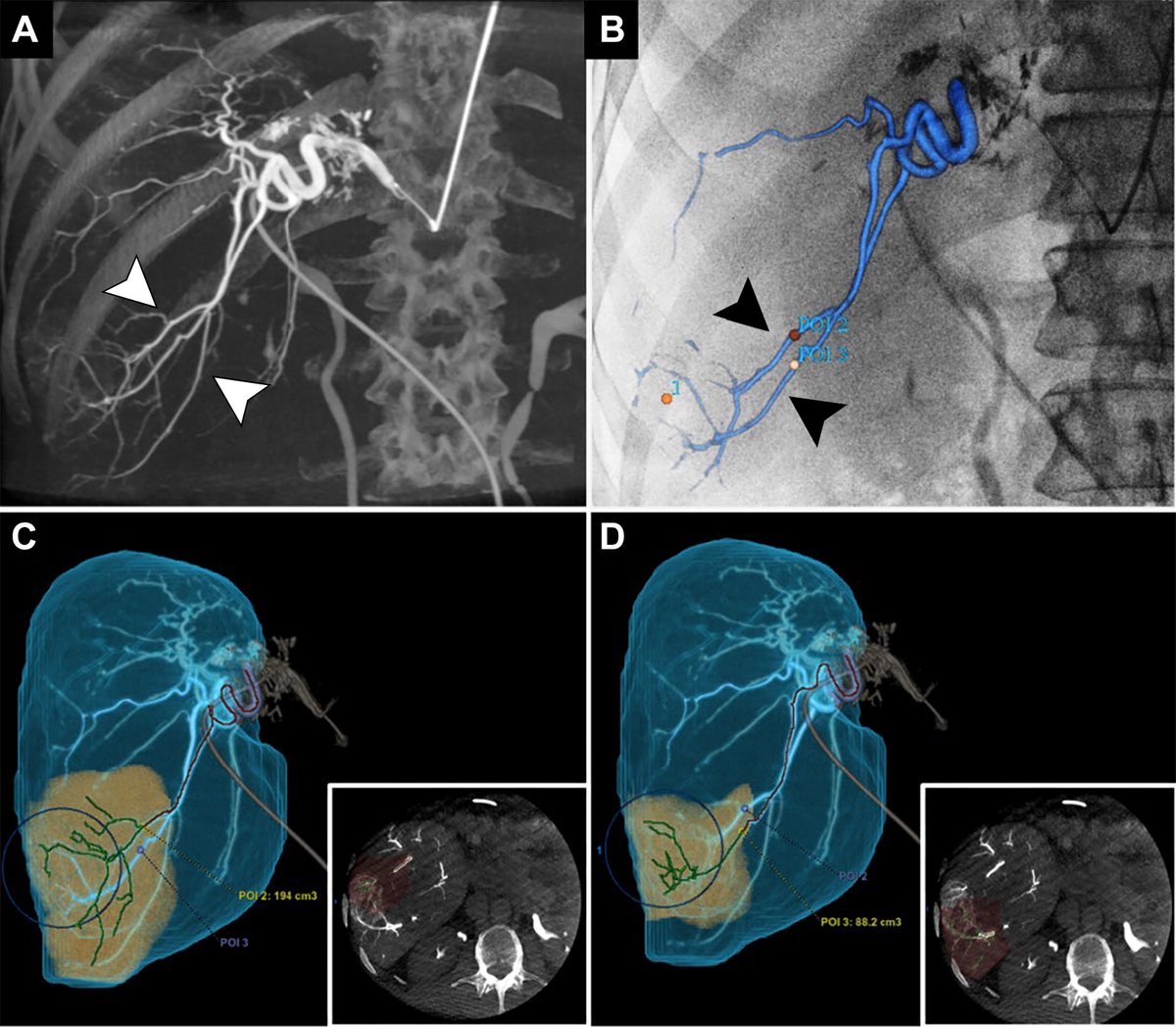
🔥Hot off press our new JVIR study🔥: Single-session ablative TARE was associated with 27.4% lower charges, treatment 15 days sooner, and 42.6% fewer travel miles than regular TARE.
https://t.co/9w85pl8Wjp
@JVIRmedia@bsc_io_e@SIRspecialists@SIO_Central@BeauToskichMD
Let's be real about why some doctors don't want patients uploading lab results to AI.
It's not 'erroneous guidance'.
It's that informed patients ask questions.
Questions take time.
And insurance doesn't cover answering questions.
Blaming AI is wrong.
Blame insurance.
@DrBloodandGuts@Toseef_javaid@DouglasAdlerMD 1. Temporize critically ill patients before cholecystectomy (or other interventions).
2. Lower risk for inpatients that may not tolerate more complex interventions or have contraindications to endoscopy.
3. Malignancy and other anatomic limitations requiring external drainage.
@Toseef_javaid@DouglasAdlerMD 1. There are very, very good reasons for cholecystectomy tubes over internal drainage, so it should not be dismissed so flippantly. 2. Numerous emerging percutaneous interventions for internal drainage will be performed by both IR and GI.
Prostatic Artery Embolization vs TURP:
"All outcomes, including IPSS, QOL, peak flow, and postvoid residual volume (PVR), were equivalent at 12 and 24 months. TURP --> higher rates of bladder catheterization and hospitalization. Major complications were encountered only in the TURP group."
https://t.co/fnjDNBENmD
#iRad
1/4
Exciting to share that our latest research, "Hyperthermia-targeted rectal delivery of thermosensitive liposomal doxorubicin via intra-arterial and intravenous administration," has been published in Frontiers in Pharmacology >>
https://t.co/pFZvRE3hpS
Ophthalmic artery angioplasty for the treatment of age-related macular degeneration (AMD)? Lylyk et al provide a series of 17 patients with late stage AMD treated with a novel percutaneous catheter system, showing functional improvements with acceptable rates of complication. https://t.co/W8QHQzLbSq #angioplasty #AMD @pnlylyk
There's been amazing progress against liver cancer over the last 60 years
(Specifically, hepatocellular carcinoma treated with surgery)
What's driven the progress?
Earlier detection, safer and better operations, better biomarkers, and better treatment of recurrence
First United States @SiemensHealth Biograph ONE PET/MRI. Ready for installation in the Center for Clinical Imaging Research @WashUMedMIR (signed for in 2018 - well worth the wait!)
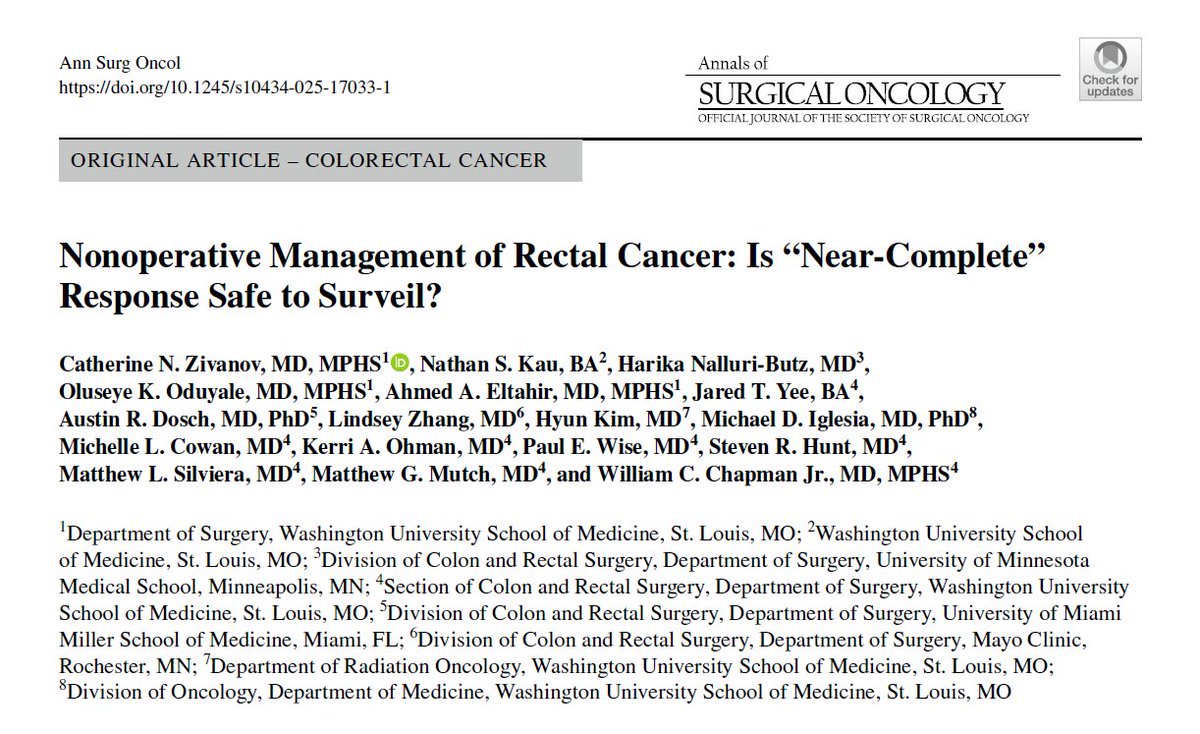
Important recent @AnnSurgOncol study from @WashUSurgery looking retrospectively at long-term outcomes of near-complete responses who undergo #WatchAndWait for rectal cancer.
Almost all patients received SCRT followed by consolidation chemo-->48% cCR, 28% near-complete (NCR), and 24% incomplete
The NCRs (n=61) had a median f/u of 27 months: 6.6% developed distant metastasis and 41% developed local regrowth.
The next part is important! Please keep reading!
64% of NCRs evolved into cCRs within 3-6 months. Of those, only 15% (6/39) developed local regrowth.
36% of NCRs continued to be NCRs (ulcers, nodularities, abnormal MRIs), and 86% of these (19/22) developed local regrowth.
21 patients underwent salvage surgery with 95%=R0. Unfortunately, 4/21 (19%) developed local recurrence after surgery.
What does this mean to me? Near-complete responses can evolve into cCRs in 3-6 months, and have excellent outcomes with watch-and-wait...they just needed a little more time.
However, if the irregularity remains after 3-6 months, I'm putting that rectum in a bucket.
https://t.co/Q1wpkVIfq3
Online First:
Results from the COLLISION trial:
Thermal #ablation versus #surgical resection of small-size #ColorectalLiverMetastases: an international, randomised, controlled, phase 3 non-inferiority trial https://t.co/uQjzlVKLlO