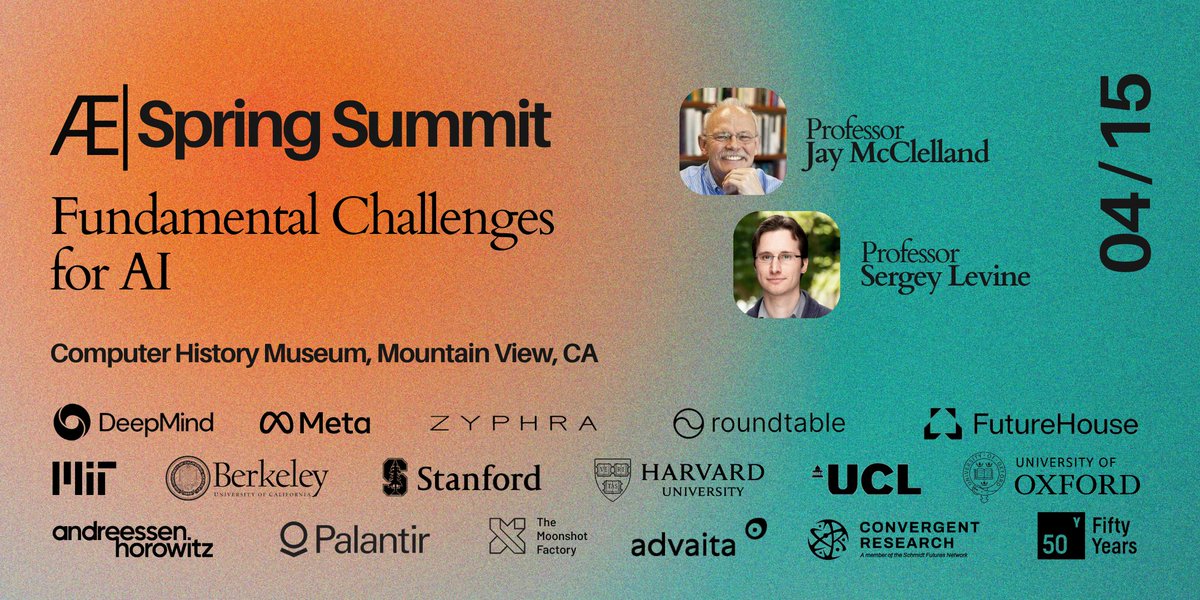
For AI Researchers, Thinkers, Founders, and VCs:
Announcing our Spring Summit on Fundamental Challenges for AI!
https://t.co/3Imdhp7VNH
We discuss core challenges & promising avenues in a day of high-profile keynotes & panels. Lunch & Reception included.
April 15th, Bay Area, CA. 1/3
Interested in AI and cognitive science?
Now hiring a Software Engineer to lead maintenance and development of Brain-Score, which evaluates computational models on their alignment to neural and behavioral brain data.
Learn more and apply at https://t.co/HdgAE3rNk3
A proposal including School of Engineering Dean Anantha Chandrakasan was one of 27 selected to receive exploratory funding to probe generative AI's impact on democracy, education, sustainability, communications, and much more. https://t.co/BOJwBkplk8
[video, news] CBMM10
Marc Raibert of the AI Institute and Founder & Chairman of Boston Dynamics talks about the upcoming CBMM10 Symposium.
https://t.co/qS4r4q04JJ
How can deep learning further our understanding of human vision?
@MIT Professor @JamesJDiCarlo joins Anthony Philippakis and @awiltschko on the Theory and Practice podcast to discuss reverse-engineering human sight with #AI.
Listen to Episode 6 today🎧 — https://t.co/xaVdfOZXpY
From Daniela Rus, director of @MIT_CSAIL: Universities founded centuries ago are the ones poised to tackle problems far enough removed from the market demands and day-to-day profit margins that drive industry’s shareholders.
https://t.co/OrIKmT1OkX
Researchers have made an AI computer vision model more robust by training it to work like a part of the brain that humans and other primates rely on for object recognition.
Read more: https://t.co/FWDtqVWJMM
A new computational model mimics humans’ ability to predict the emotions of others. It’s based on the idea that “the mental states underlying emotion are about what you wanted, what you expected, what happened, and who saw,” says Rebecca Saxe. https://t.co/6darGSd46W
Congrats to all eight MIT professors elected to the American Academy of Arts and Sciences, including our very own @JamesJDiCarlo!
@mitbrainandcog@MIT_Quest
https://t.co/ZjGxW19DPm
Congratulations to our new members! Just announced! We are honoring the excellence of extraordinary leaders in an array of disciplines and professions. The first members were elected in 1781. Learn who was elected in 2023: https://t.co/e62hH0mCYK
As an educator, Jacob Andreas of @MITEECS finds a balance between using classic methodologies and newer techniques to teach natural language processing. Andreas was recently honored with the School of Engineering Junior Bose Award for Excellence in Teaching.
📷: Gretchen Ertl
@JamesJDiCarlo & collaborators are building an understanding of how brain processes images, and based on this research, they imagine a future where targeted visuals can improve physical and mental health. A recording of a TEDx talk at MIT is now available. https://t.co/9tZHugWnIQ
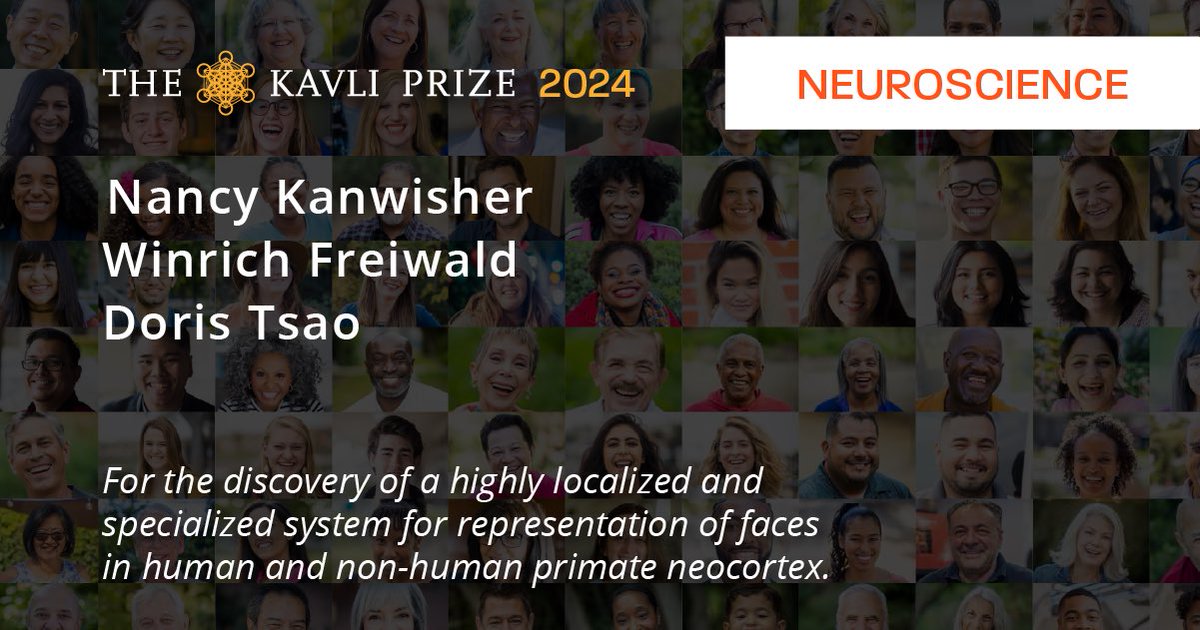
New opening for a full-time lab tech in the Kanwisher Lab:
https://t.co/IHVOgb2DZp
This job is a great stepping stone to graduate programs in cognitive neuroscience. Demonstrated serious interest in cog neuro and good coding skills required. Machine learning skills a plus.
📣 We're hiring! Join the Openmind Engineering Team and work with world-class neuroscientists on solving the most challenging problems at the intersection of brain science and artificial intelligence.
Learn more: https://t.co/xpu8581OFQ