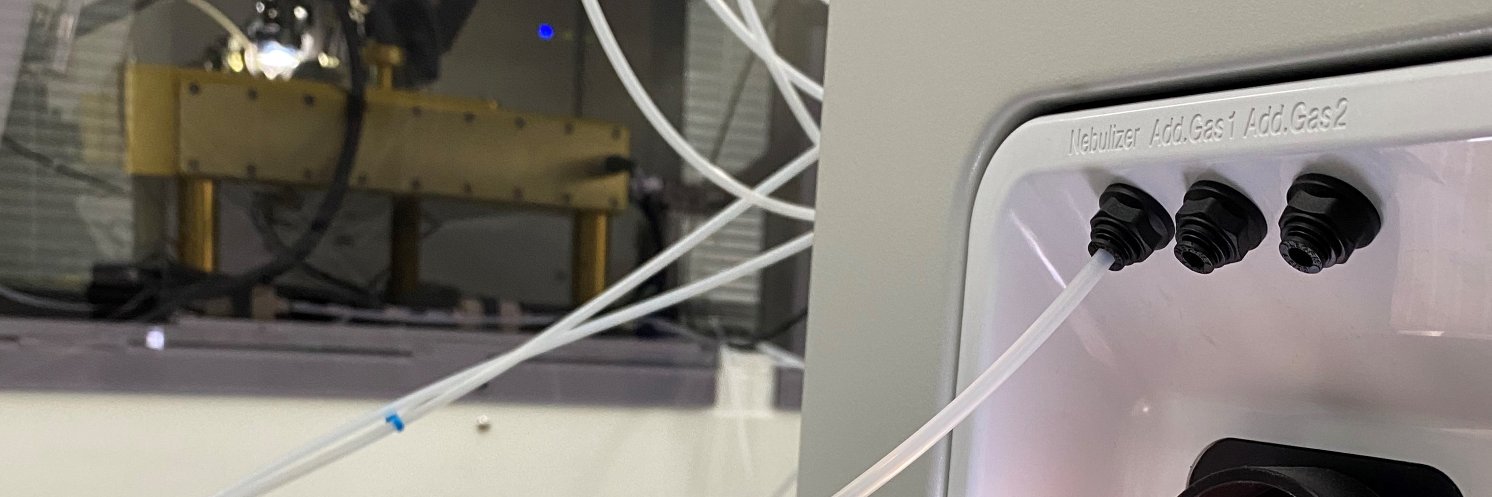
The Isotopia Lab is part of the EAE at Monash University. We have several mass-spectrometers that measure almost every element in the periodic table. 🧪✴️☢️⚛️
https://t.co/4irz0aJSho a survey for early-career researchers aimed at bringing transparency to the academic job market: "The 317 respondents submitted a total of 7644 job applications in the 2018–2019 application cycle, with a median of 15 applications per respondent" !!!
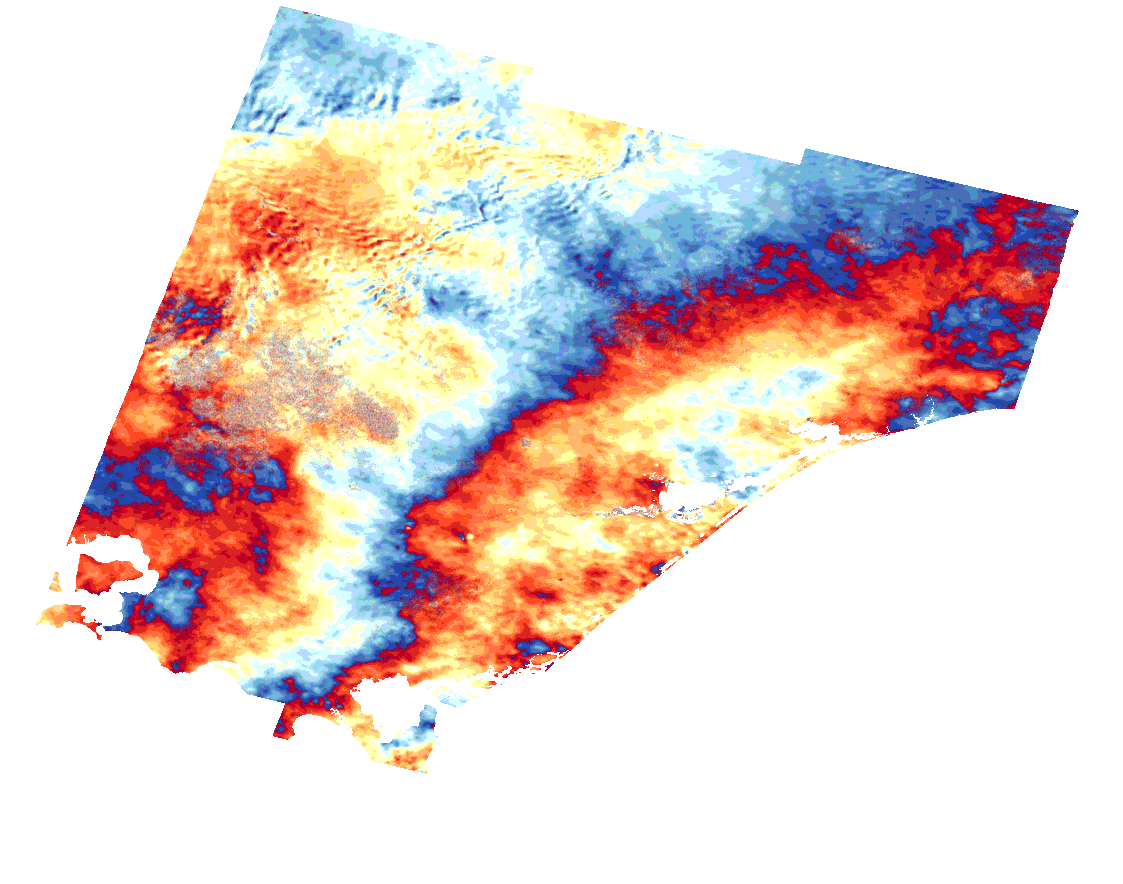
LiCSAR InSAR data for Mw5.8 earthquake. 38 km S of Mount Buller, Australia. 2021-09-21 23:15:53UTC. https://t.co/SsUv9WwIOx #Earthquake#Sentinel1#COMET
Multi-tasking at its best… looking at the fate of tellurium in contaminated soils using the European synchrotron in Grenoble, keeping in touch with footy, all from the safety of our lockdown in Melbourne! Makes for interesting logbook… @MonashEAE@esrfsynchrotron
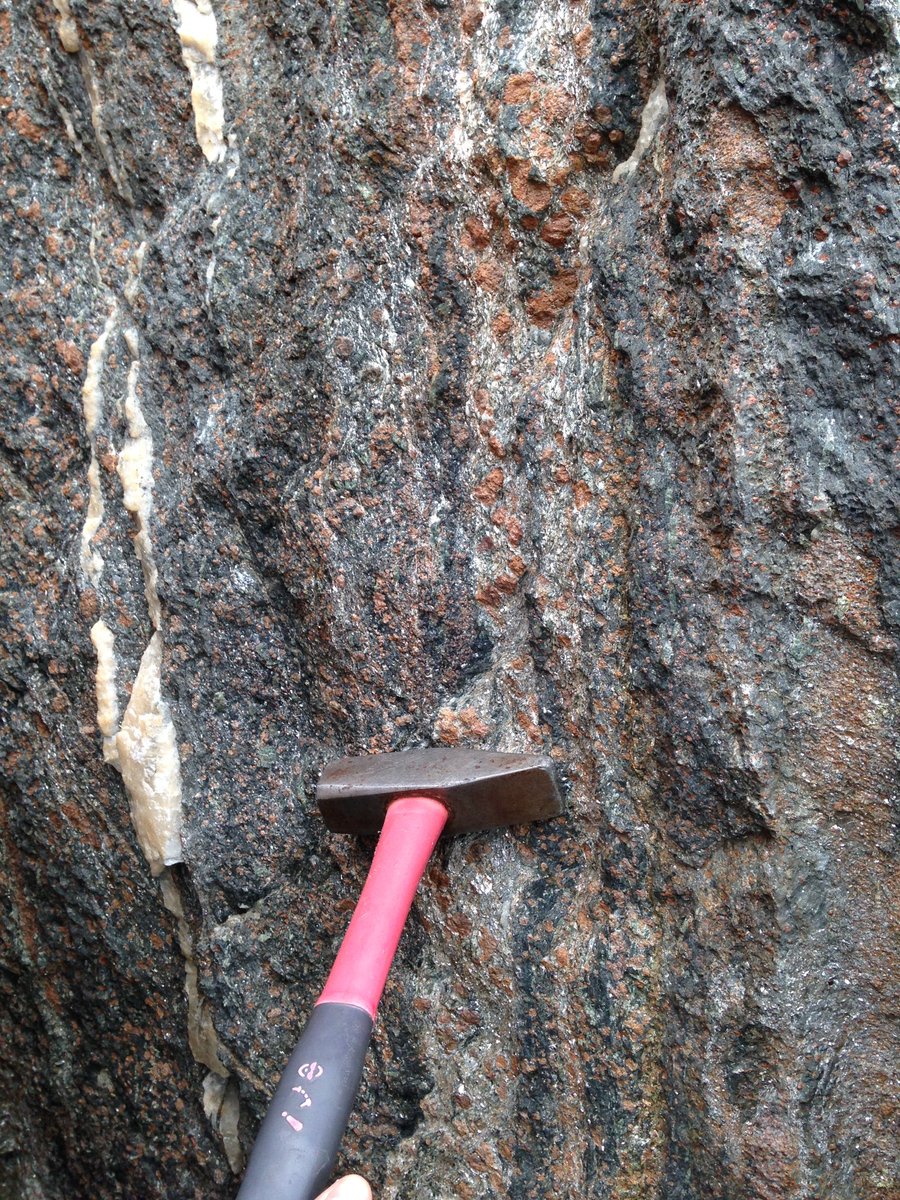
Day 63: I don't think "comet" porphyroclasts are an accepted term in structural geology, but this is an example of one. I'm not sure exactly how these form and I've only ever seen this one. This is in a mylonite from the Pichao shear zone NW Argentina #100daysofgeoscience
Sarah Jones is our next speaker for GSA GOLD on Tue 5 Oct
Presentation: Granite-up, greenstone-down tectonics in the Eastern Goldfields, WA, & implications for early gold mineralisation.
For registration, abstract, bio and times go to: https://t.co/2DNic7lfje
#GSAGOLD#Geology
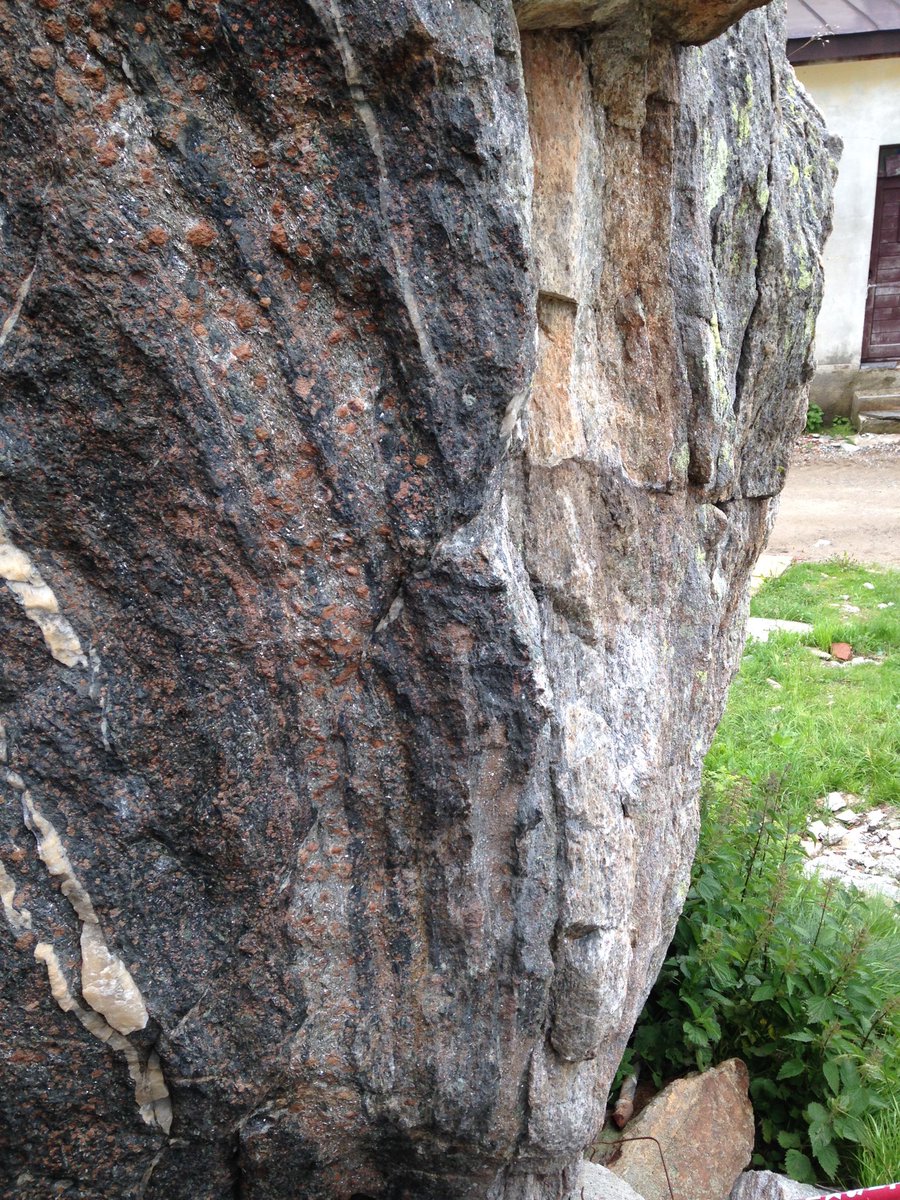
🤩🤩Classy, elegant, and colourful! This #FieldWorkFriday is #eclogite, somewhere in the famous 🇮🇹#SesiaLanzo zone.
🎙If you love HP rocks tune-in and listen to a recent #GneissChats episode with Dr Chapel from @litholab_une on HP rocks.
🎧🎧https://t.co/bzFENg8QIn
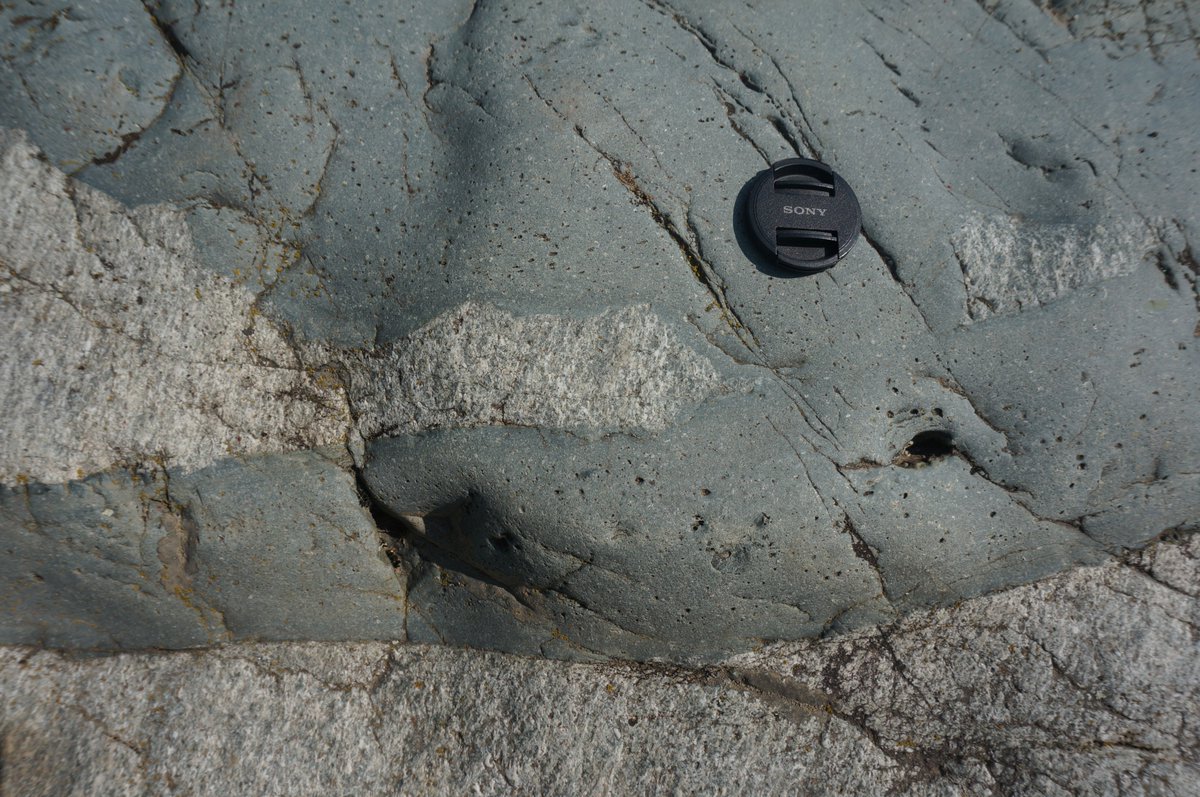
Day 61: Foliated eclogite facies metagranodiorite (white-grey) cut by undeformed andesite dykes with plagioclase phenocrysts and chilled margins, from Valle d'Aosta, Sesia Zone, Italy. #100daysofgeoscience
📢📢Mongolian landscapes for #FieldworkFriday where🎙#GneissChats guest Dr Marissa Betts @200micron from @litholab_une studied the Biostratigraphy of these spectacular Cambrian rocks. Want to know more? Listen to her chat with @GeoDrB 🤩🐚
🎧🎧Tune-in on your fav #pod platform
2022
"The Earth Futures Festival will enable Earth Scientists to tell compelling stories in ways that will capture the imagination of audiences around the world and raise awareness of the current global challenges addressed by geoscientists in the field.”
New Episode alert!
A wonderful interview with the brilliant structural Geologist @melaniefinch_
We talk about the mechanics of how mountain ranges are created and the importance of Geology in sustainable futures tune in here https://t.co/SnjCb3JYMV
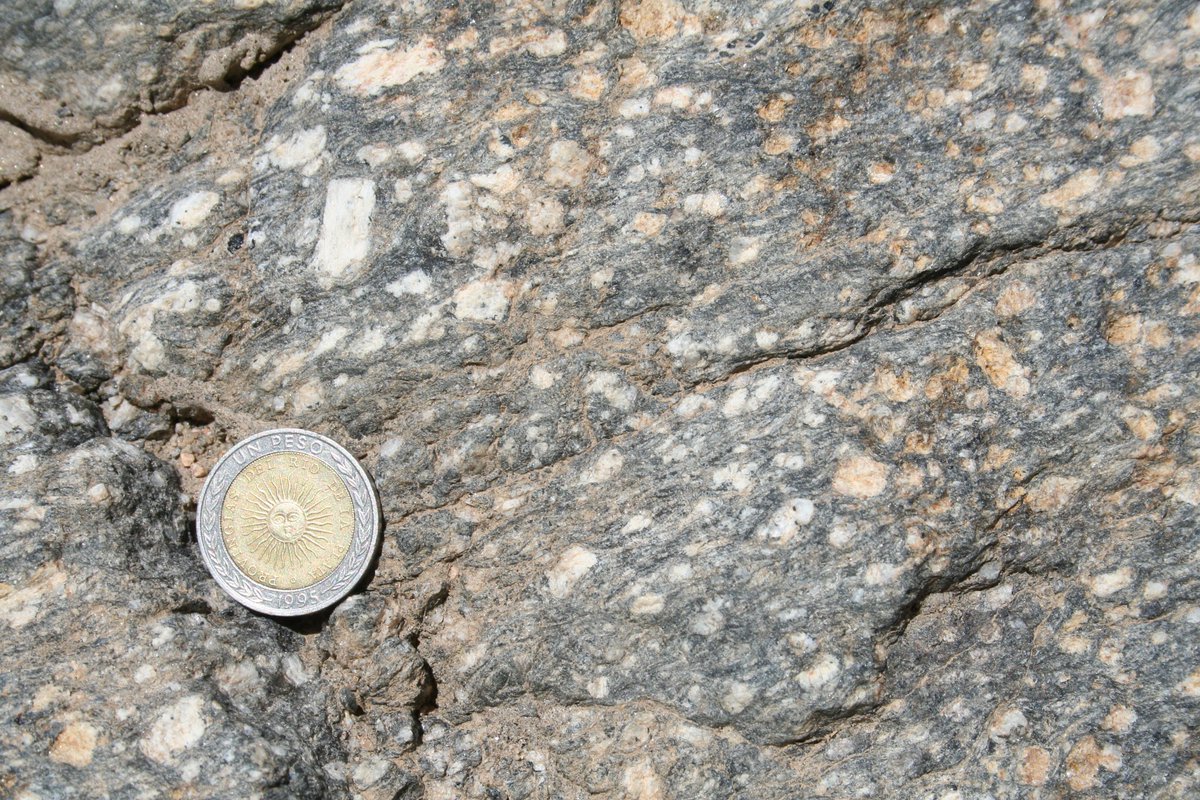
Day 55: A mylonitic granite. I wonder if the rectangular porphyroclasts started as a longer leucocratic layer that boudinaged into pieces…? Or can rectangular porphyroclasts from naturally from granitic phenocrysts? Any ideas?
#100daysofgeoscience
Check out my new paper in Tectonophysics, integrating EBSD and volatile/trace element geochemistry of cratonic xenoliths impacted by flat slab subduction. Aside from the geology story, we really milked these EBSD datasets for every drop of new data!
https://t.co/Qq0kxx11Zz
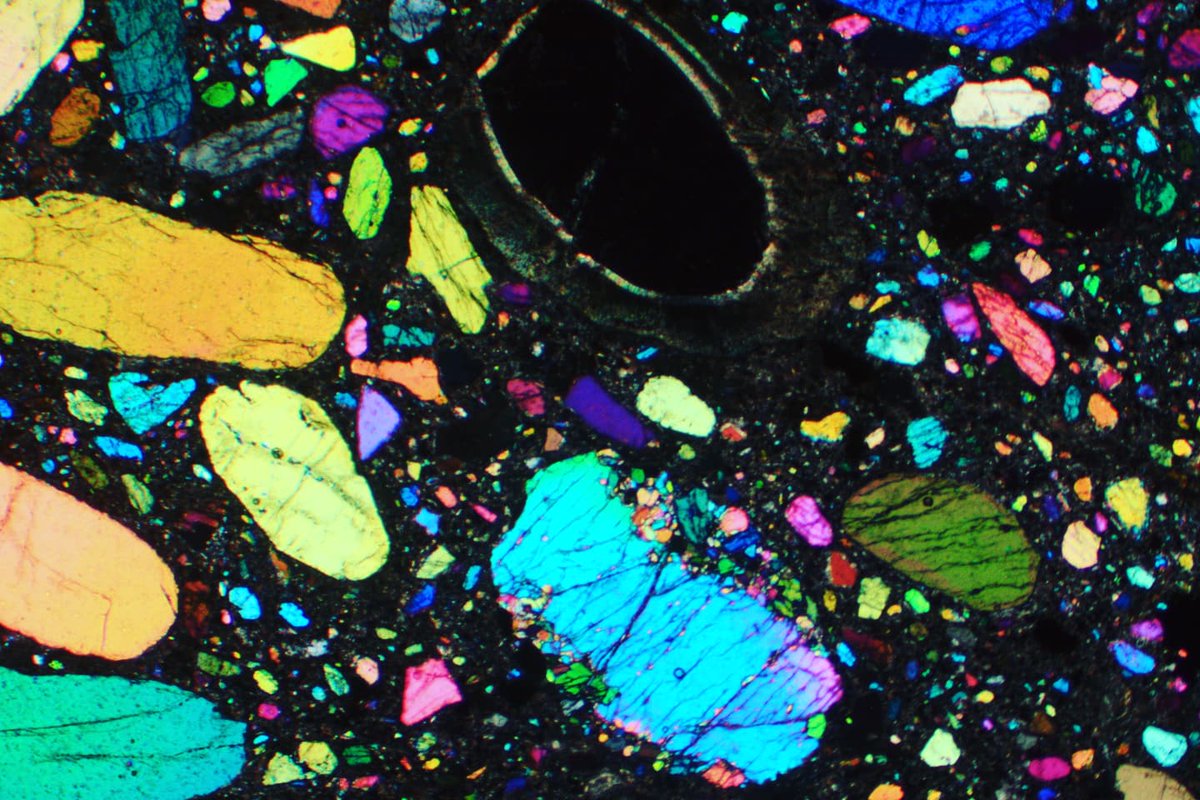
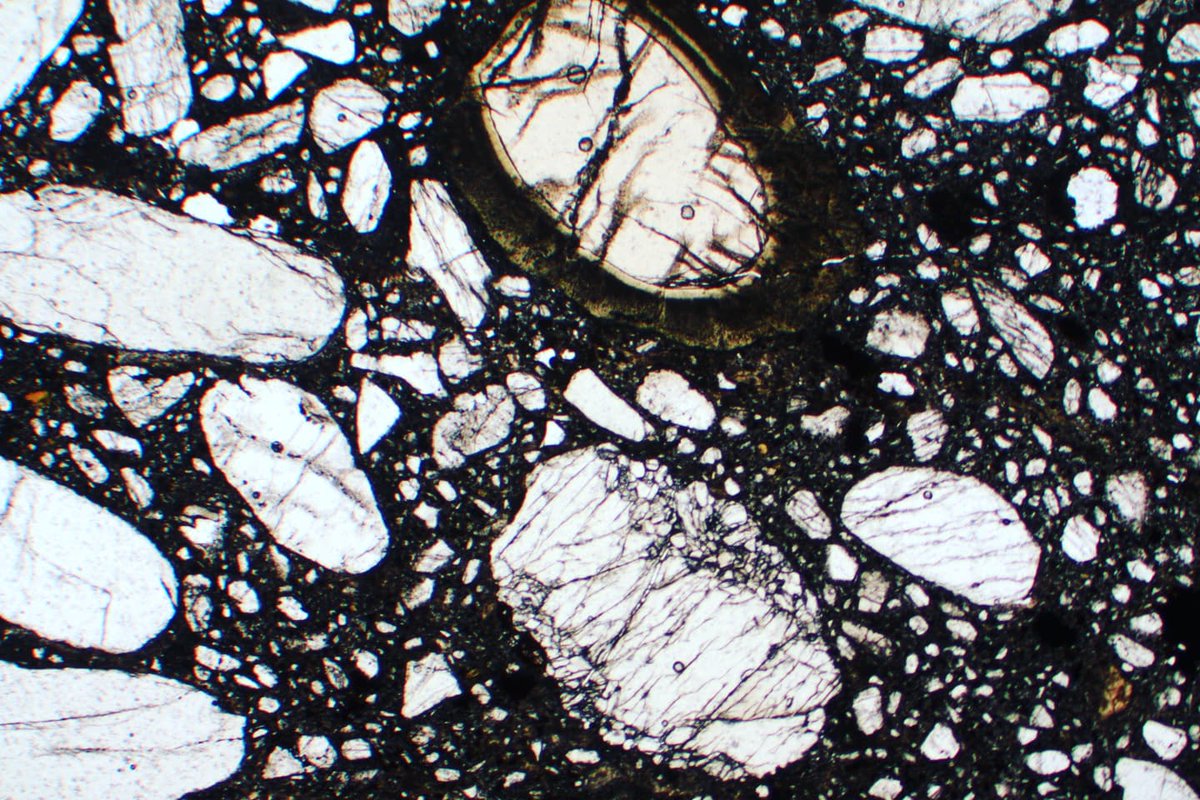
Olivine crystals (rounded and fragmented) and garnet (isotropic at XPL) with reaction rim set in a dark groundmass composed by carbonates. kimberlite from Udachnaya-East, Sakha-Yakutia (Russia). XPL and PPL image, 2x (Fov = 7mm)
#thinsctionThursday#kimberlite#alexstrekeisen
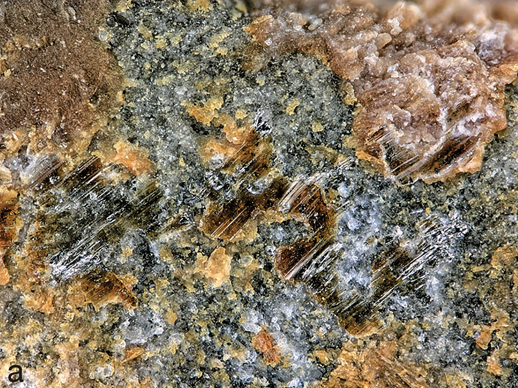
New mineral alert! My first new mineral, wildcatite, is officially published - a calcium iron tellurate hydroxide, CaFeTeO5(OH). It is named for the small gold prospect in which it was found, Wildcat prospect in Utah, USA, which I visited in 2018.
https://t.co/NM18reF6jY
(1/7)