🚨 Missed the eye-opening session on cloud native supply chain security by @sublimino at #DSC24? Don't worry, you can catch up on the recording! Explore the vulnerabilities & challenges of trusting the code we run in production.
Watch now: 🎥🔒 https://t.co/z3v0th27t3
It's official. One of the largest #CTF competitions from the CEE is back. We’ve just scheduled the qualification phase for #DefCamp Capture the Flag (D-CTF), on @cyberedu_ro!
🚩 Register for #dctf here 🚩 https://t.co/GTsUkGqqxJ 🚩
Good luck at hacking before getting hacked!
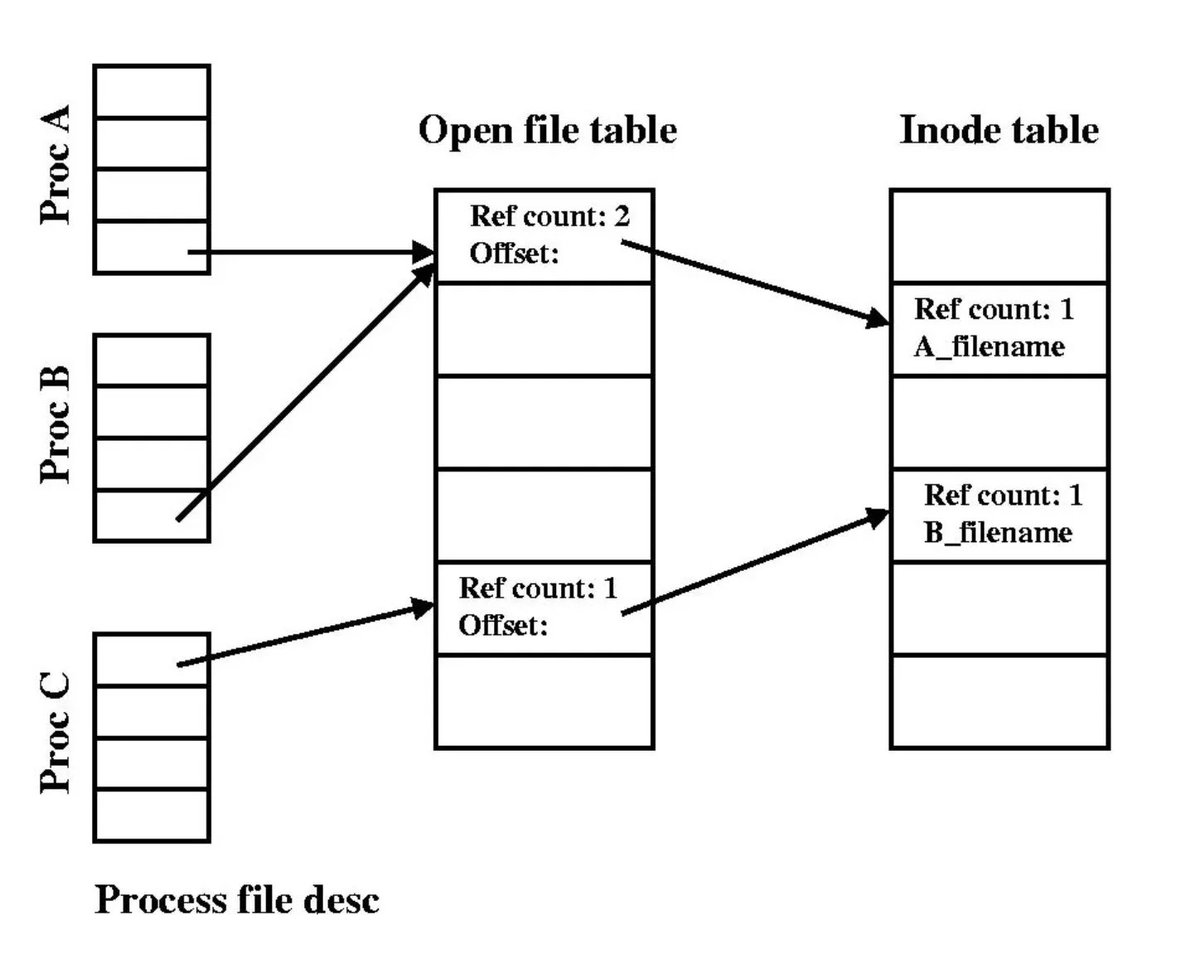
How does HashMap work in Java?
1. internal working - https://t.co/k9WY6VjMt0
2. get and put working -https://t.co/4GawuxQn2p
3. core java courses - https://t.co/Ri7U7mOtpq Top 5-10-advanced-core-java-courses-for-experienced-developers.html
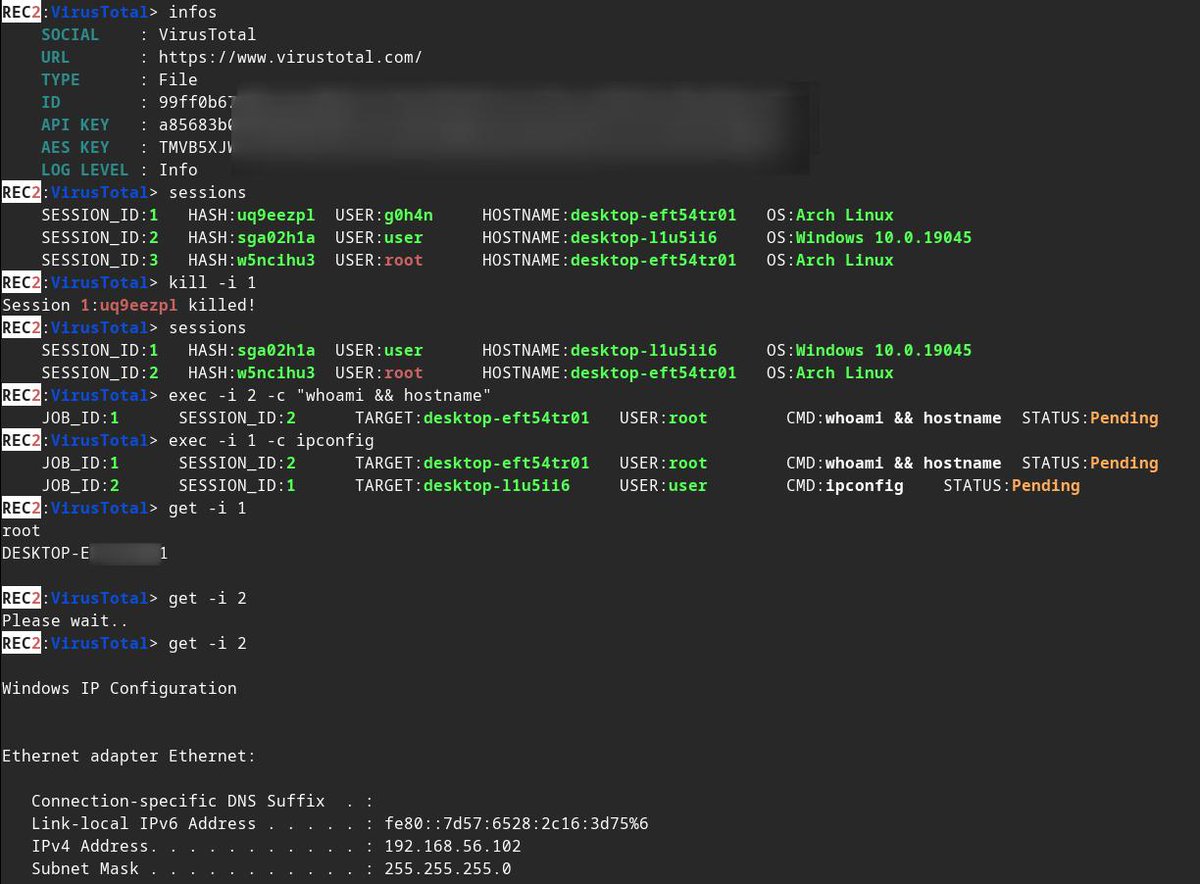
🦀 REC2
REC2 (Rusty External Command and Control) is client and server tool allowing auditor to execute command from VirusTotal and Mastodon APIs written in Rust.
https://t.co/FzU9LMoW5o
#infosec#pentesting#redteam
How do we transform a system to be Cloud Native?
The diagram below shows the action spectrum and adoption roadmap. You can use it as a blueprint for adopting cloud-native in your organization.
For a company to adopt cloud native architecture, there are 6 aspects in the spectrum:
1. Application definition development
2. Orchestration and management
3. Runtime
4. Provisioning
5. Observability
6. Serverless
Most companies start from Step 1 containerization and gradually adopt CI/CD, service orchestration. This microservice architecture significantly increases the number of instances to manage, so systematic testing and monitoring are required to increase plant observability.
In fact, a lot of companies stop at Step 4 without moving to service mesh and cloud-native networking due to the complexity and the required DevOps talent.
Over to you: Where does your system stand in the adoption roadmap?
Reference: Cloud & DevOps: Continuous Transformation by MIT
Redrawn by ByteByteGo
–
Subscribe to our weekly newsletter to get a Free System Design PDF (158 pages): https://t.co/uc5M7Cdq84
🔥 We have reproduced the fresh CVE-2023-42793 in JetBrains TeamCity.
Authentication bypass allows an external attacker to gain administrative access to the server and execute any commands on it.
Update your software ASAP!
Exploiting ASP .NET TemplateParser to get RCE in Sitecore (CVE-2023-35813) and SharePoint (CVE-2023-33160) by @mwulftange in two parts: part 1 at https://t.co/viBnUPO9kU is live now and part 2 will follow in a few days...stay tuned!
This is an interesting statistic: a page that didn't even reach the top three of most followed #OSINT pages on our platform has seen the more traffic than all of them combined! Can you tell us what's happening here? https://t.co/g6xaYqbOTv
OAuth 2.0 Flows
Authorization Code Flow: The most common OAuth flow. After user authentication, the client receives an authorization code and exchanges it for an access token and refresh token.
Client Credentials Flow: Designed for single-page applications. The access token is returned directly to the client without an intermediate authorization code.
Implicit Code Flow: Designed for single-page applications. The access token is returned directly to the client without an intermediate authorization code.
Resource Owner Password Grant Flow: Allows users to provide their username and password directly to the client, which then exchanges them for an access token.
Over to you - So which one do you think is something that you should use next in your application?
–
Subscribe to our weekly newsletter to get a Free System Design PDF (158 pages): https://t.co/uc5M7Cdq84