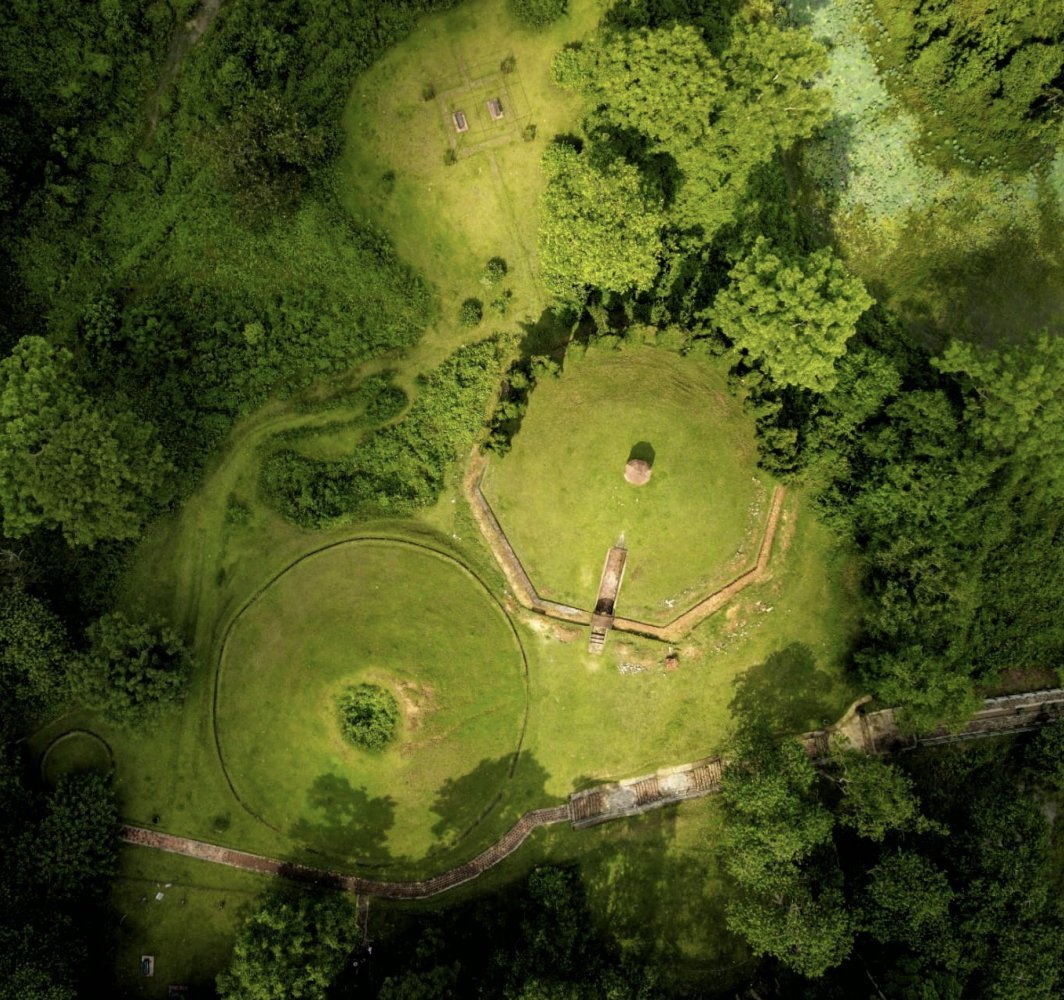
🔰UNESCO adds Assam’s Ahom Dynasty Moidams -burial system to World Heritage list. 🧵
➡️It will be India's 43rd UNESCO World Heritage Site.
➡️Now India has 43 World Heritage Sites as of 2024 – 35 cultural, 7 natural, and 1 mixed.
🔆It the first cultural property from the Northeast to receive the coveted tag, after Kaziranga and Manas National Parks, it is Assam’s 3rd World Heritage Site.
➡️History: The unique burial mounds, represented by pyramid-like structures known as "Moidams", were used by the Tai-Ahom dynasty that ruled Assam for around 600 years.
👉the Tai-Ahom clan, migrating from China, established their capital in various parts of the Brahmaputra River Valley from the 12th to the 18th century CE.
🔆Choraideo : One of the most revered sites among them was Choraideo, where the Tai-Ahoms established their first capital under Chau-lung Siu-ka-pha at the foothills of the Patkai hills.
➡️This sacred site, known as Che-rai-doi or Che-tam-doi, was consecrated with rituals that reflected the deep spiritual beliefs of the Tai-Ahoms. Over centuries, Choraideo retained its significance as a burial ground where the departed souls of the Tai-Ahom royals transcended into the afterlife. #UPSC🧵
An e- commerce revenue model where the seller has control over pricing but does not keep product in stock and instead transfers customer orders and shipment details to a third-party party supplier, who then ships the goods directly to the customer, is called :
#UPSC#upac2026
भारत में बांधों की स्थिति
भारत आज विश्व स्तर पर सबसे बड़े बांध श्रेणियों में से एक का प्रबंधन करता है।
यह 6628 निर्दिष्ट बांधों के साथ दुनिया में तीसरे स्थान पर है, जिनमें से 6,545 चालू हैं और 83 बांध निर्माणाधीन हैं।
इन बांधों की सकल जल भंडारण क्षमता लगभग 330 अरब क्यूबिक मीटर है।
वे राष्ट्रीय खाद्य, ऊर्जा और जल सुरक्षा सुनिश्चित करने के लिए महत्वपूर्ण हैं।
इन बांधों में से लगभग 26 प्रतिशत (1,681 बांध) 50 वर्ष से अधिक पुराने हैं।
इसमें 291 वैसे बांध शामिल हैं जो 100 साल से अधिक पुराने हैं। लगभग 42 प्रतिशत बांध 25 से 50 वर्ष पुराने हैं।
भारत का सबसे पुराना बांध तमिलनाडु में कल्लनई (ग्रैंड एनीकट) लगभग 2,000 वर्षों से काम कर रहा है जो स्थायी इंजीनियरिंग और रखरखाव का मिसाल है।
इनमें से लगभग 98.5 प्रतिशत यानी 6,448 बांध हैं जो राज्य सरकारों के स्वामित्व में हैं। ....
अधिक जानकारी के लिए PIB लिंक: https://t.co/mAl9bSz0I0
@MIB_India@airnewsalert
भारत में गुड़ सेक्टर: उत्पादन, महत्व और आजीविका
एक पारंपरिक, बिना रिफाइन किया हुआ और प्राकृतिक मीठा पदार्थ है। इसे बिना किसी रसायन का इस्तेमाल किए, गन्ने के रस को गाढ़ा करके बनाया जाता है।
इसे अक्सर "औषधीय चीनी" भी कहा जाता है, और पोषक तत्वों के मामले में यह शहद के बराबर होता है।
गुड़ का सेवन एशिया, अफ्रीका, लैटिन अमेरिका और कैरिबियन क्षेत्रों में बड़े पैमाने पर किया जाता है, जहां इसे अलग-अलग स्थानीय नामों से जाना जाता है।...
अधिक जानकारी हेतु PIB Link: https://t.co/5EkVOzKpUv
Image: Generated by AI
#Kisanvani
@MIB_India @air
The Superfood Sweetener: Jaggery Production and Processing in India
➡️India’s jaggery sector is supported by substantial sugarcane production. In 2024-25, total sugarcane output was estimated at 444.9 million tonnes (MT)
➡️India is one of the leading exporters of jaggery and confectionery products (including traditional Indian sweets and candies)In 2015-16, exports stood at USD 197 million with a volume of 292.8 MT
➡️Domestic demand for natural sweeteners has also increased. In the sweetener segment, jaggery and honey have recorded a compound annual growth rate (CAGR) of 15–20 percent during 2021-24
Read here: https://t.co/XimOvYZb1a
@DoC_GoI
(1/2)
Across open grasslands and savannas, cheetahs define the rhythm of speed and survival.
Built for precision and daylight hunting, cheetahs shape prey dynamics and reflect the health of grassland ecosystems.
Their survival depends on landscapes that remain open, connected, and undisturbed.
The future of cheetahs lies not only in protecting the species, but also in conserving the grasslands that sustain life across these landscapes.
Get more insights on Big Cats at the #IBCASummit2026.
#SaveBigCats
#SaveEcosystem
#SaveHumanity
#IBCAforBigCats
जिसे हम सदियों से आस्था की आँखों से देखते आए थे, अब विज्ञान ने उसकी पुष्टि कर दी है।
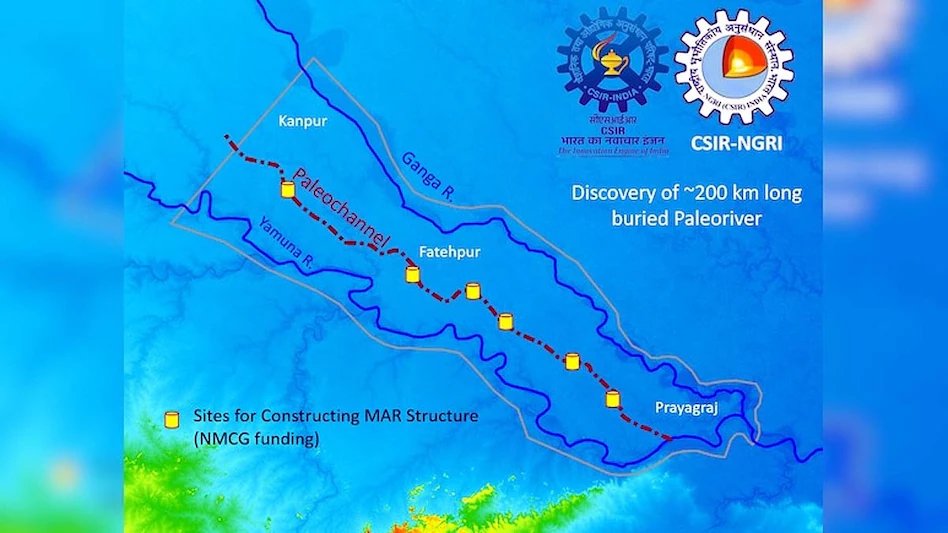
प्रयागराज के संगम को हमेशा से गंगा, यमुना और अदृश्य सरस्वती के मिलन का स्थान माना गया है। एक त्रिवेणी, जिसमें दो नदियाँ दिखती थीं, और तीसरी सिर्फ़ श्रद्धा में बहती थी।
अब हैदराबाद के CSIR-नेशनल जियोफ़िज़िकल रिसर्च इंस्टिट्यूट (NGRI) के वैज्ञानिकों ने इस पौराणिक मान्यता को एक ठोस वैज्ञानिक आधार दे दिया है। हेलीकॉप्टर से किए गए एयरबोर्न सर्वे और ज़मीन पर की गई कन्फ़र्मेटरी ड्रिलिंग के बाद, डॉ. सुभाष चंद्र की टीम ने पुष्टि की है कि गंगा और यमुना के बीच, ज़मीन से 10 से 15 मीटर नीचे, एक विशाल प्राचीन नदी दबी हुई है। इसकी चौड़ाई, गहराई और आधार स्तर, तीनों गंगा और यमुना के बराबर हैं।
यानी यह कोई छोटी सहायक धारा नहीं थी। यह स्वयं एक मुख्य नदी थी।
विज्ञान इसे "पेलियो रिवर" कहता है। आस्था इसे सरस्वती कहती है। दोनों एक ही सच की ओर इशारा कर रहे हैं।
प्रयागराज अब सिर्फ़ आस्था का संगम नहीं रहा, यह विज्ञान और परंपरा का भी संगम बन गया है। जहाँ हज़ारों वर्षों की स्मृति, और आज की तकनीक, एक ही कहानी कहती हैं।
माँ सरस्वती कभी सूखी नहीं थीं। बस छिप गई थीं। और आज, फिर से सामने आ रही हैं।
@cleanganganmcg
The largest of the big cats, the Tiger is a powerful predator found across forests, grasslands, and mangroves.
It helps keep ecosystems in balance by regulating prey and maintaining natural systems.
Across several communities, the tiger is revered as both a deity and a guardian of the forest.
Where the tiger endures, ecosystems remain alive.
Discover more about Big Cats at the #IBCASummit2026.
#BigCatAlliance #WildlifeConservation #SaveBigCats #SaveEcosystem #SaveHumanity
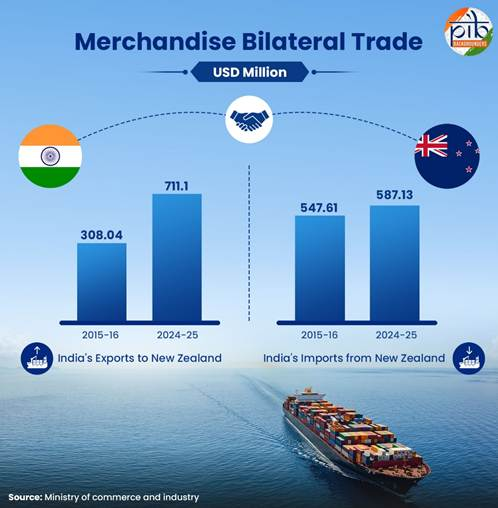
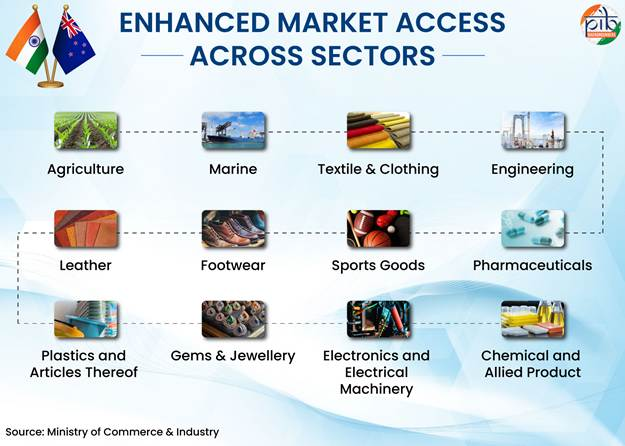
India – New Zealand Free Trade Agreement Signed
► India- New Zealand FTA eliminates duty on 100% of Indian Exports
► USD 20 billion investment commitment, strengthening long-term economic and strategic cooperation
► The agreement places special emphasis on strengthening MSMEs and women-led enterprises
► India protects its key interests in dairy and agriculture; Huge win for labour intensive sectors like textile and leather
► New Zealand facilitates Health and Traditional Medicine Services for the first time
► Student Mobility and Post Study Work Visa for STEM Graduates, Skilled Professionals; opens new visa pathway for 5,000 skilled occupations
Read here: https://t.co/PyJHRWIRCH
#IndiaNZFTA
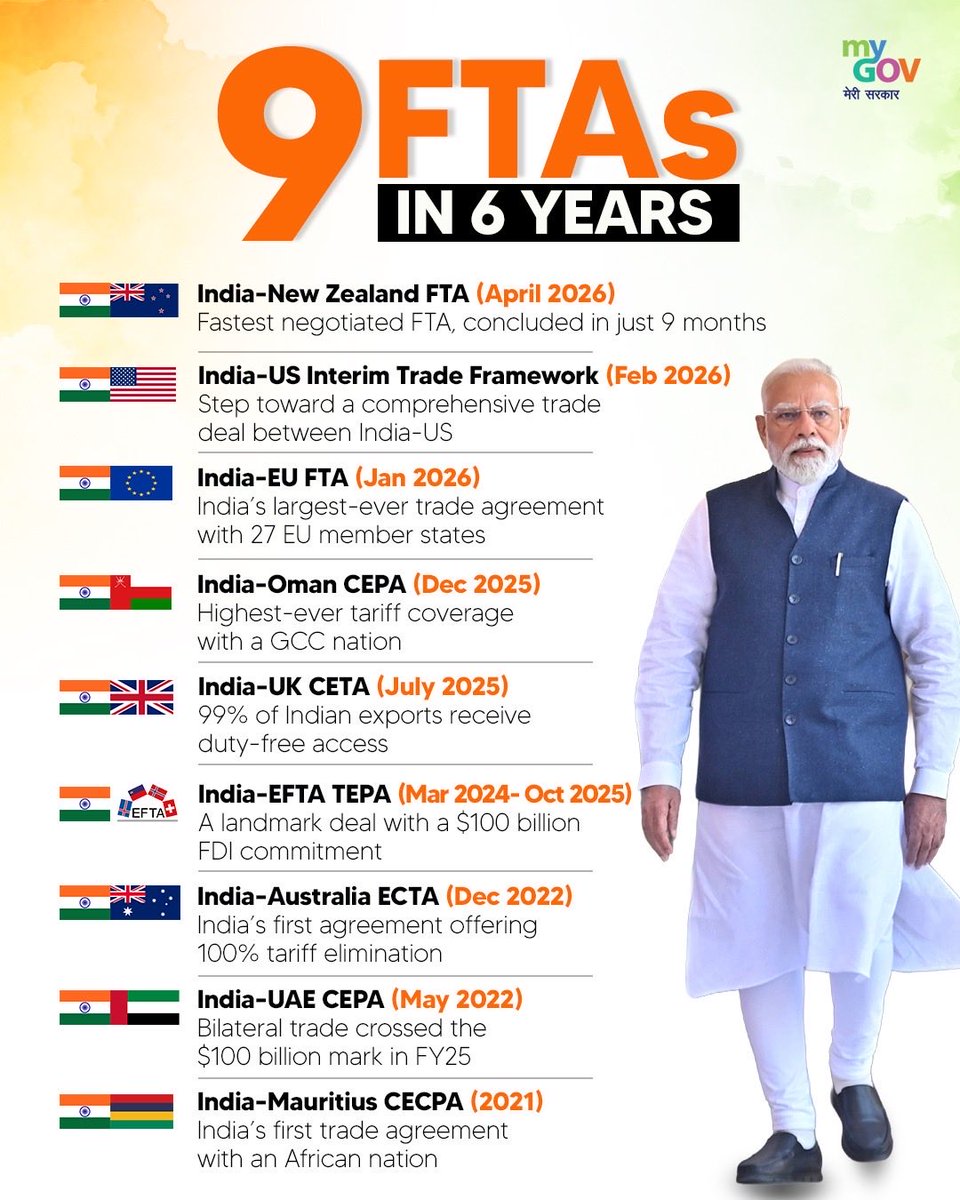
Expanding India’s Global Trade Footprint!
From Africa to Europe and the US, India has signed 9 major FTAs in just 6 years boosting trade, unlocking markets, and attracting investments. A strong step toward global economic leadership.
#IndiaNZFTA
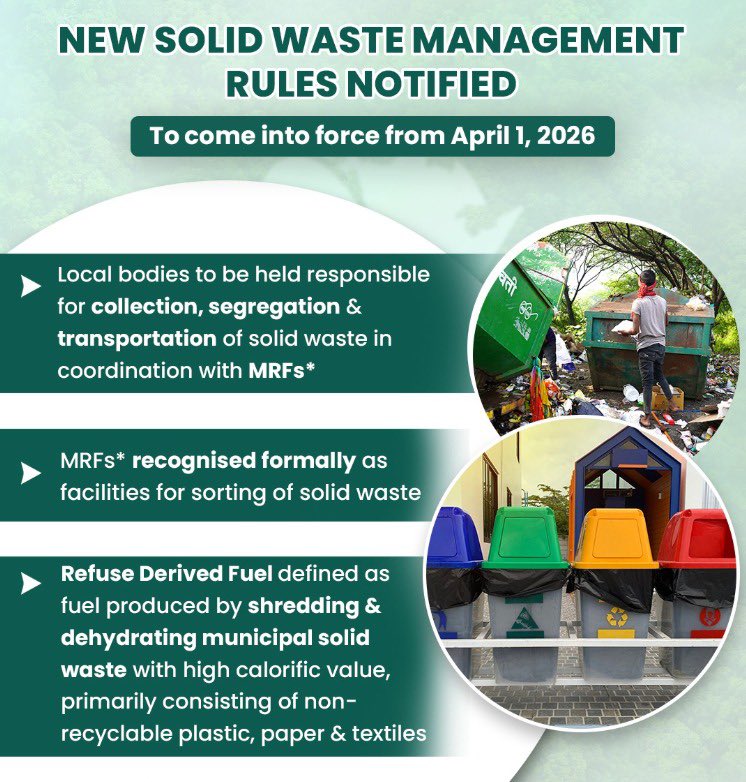
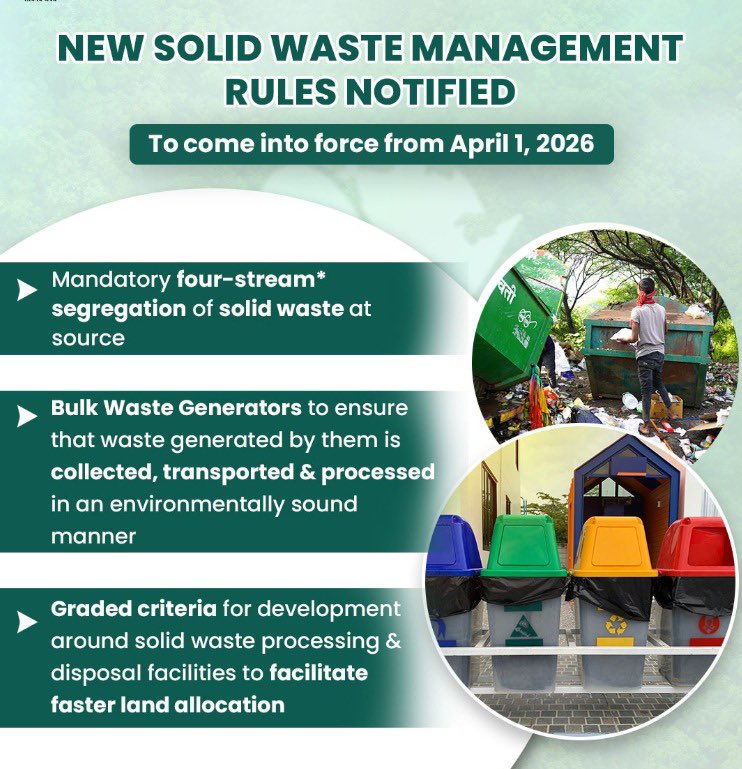
🚨 The Govt of India has notified the Solid Waste Management Rules, 2026, effective April 1. This marks a major step towards sustainable waste management.
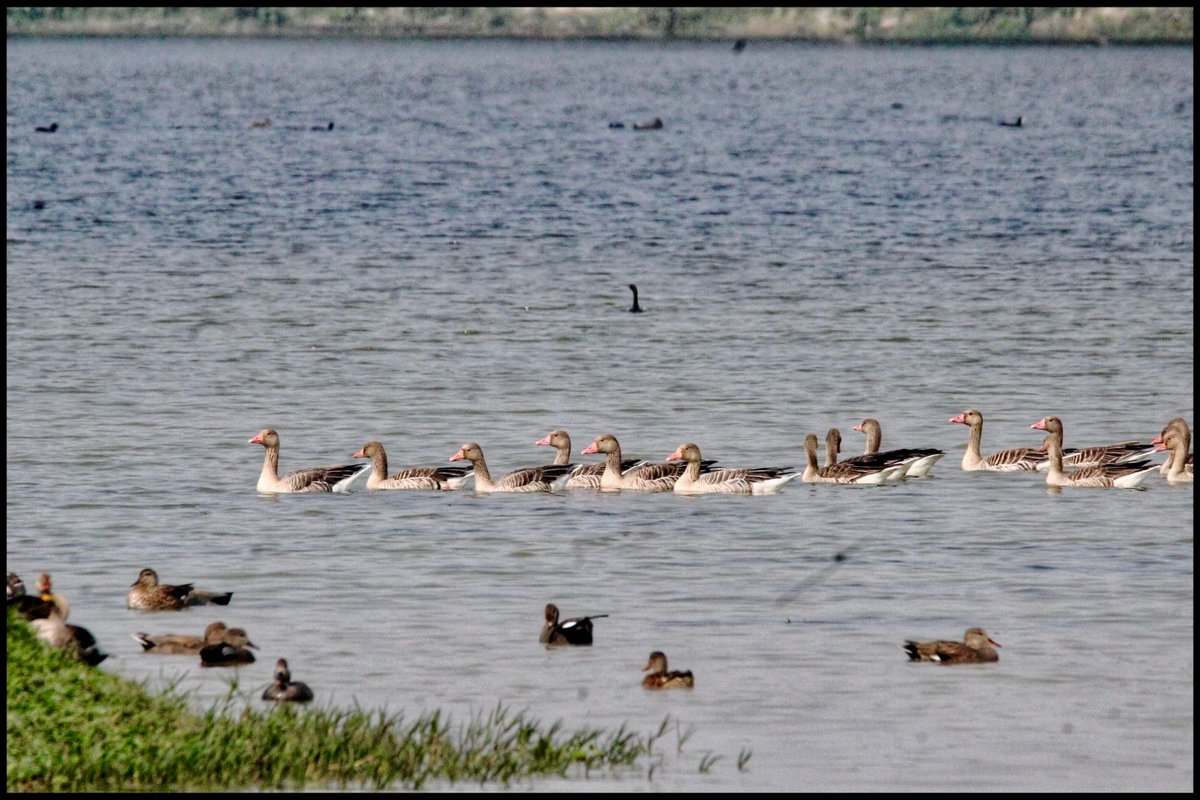
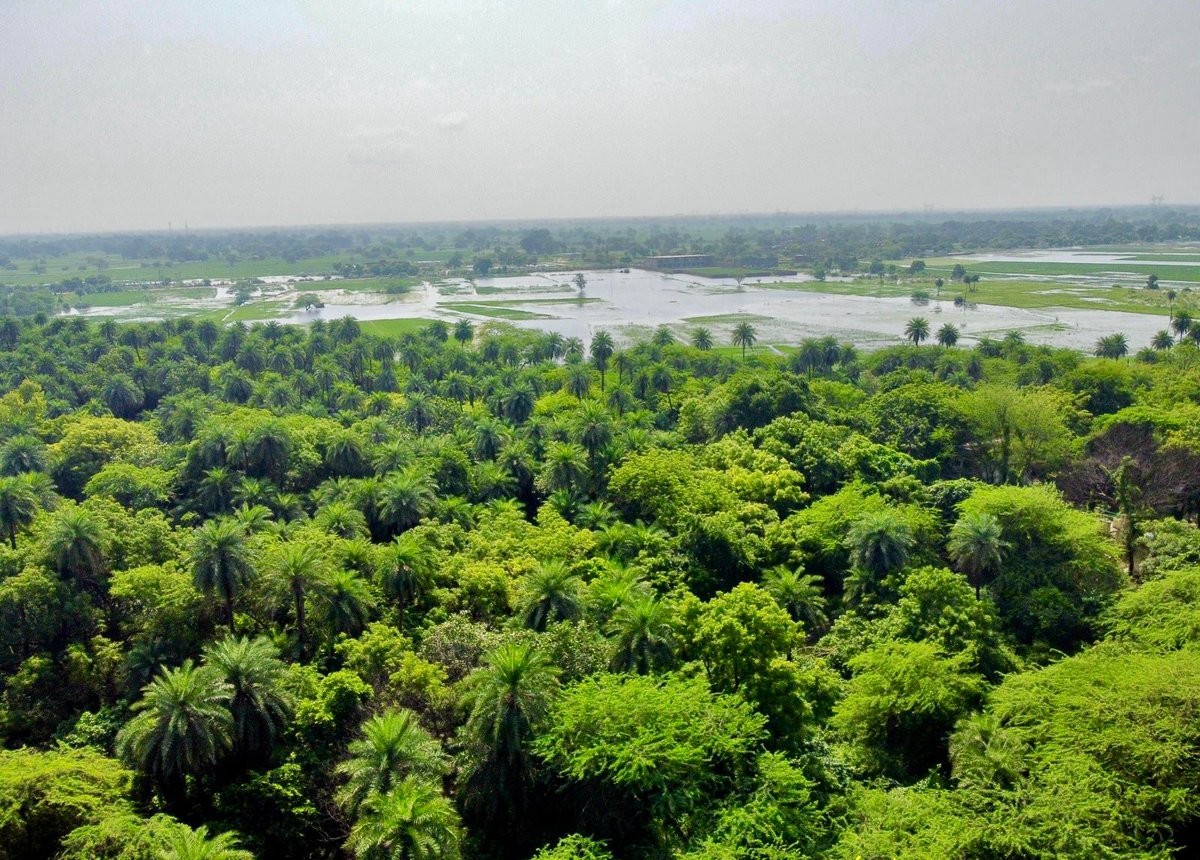
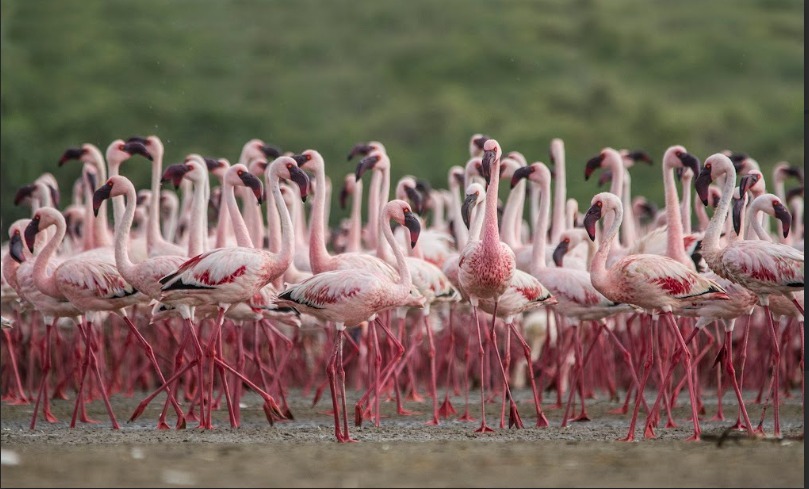
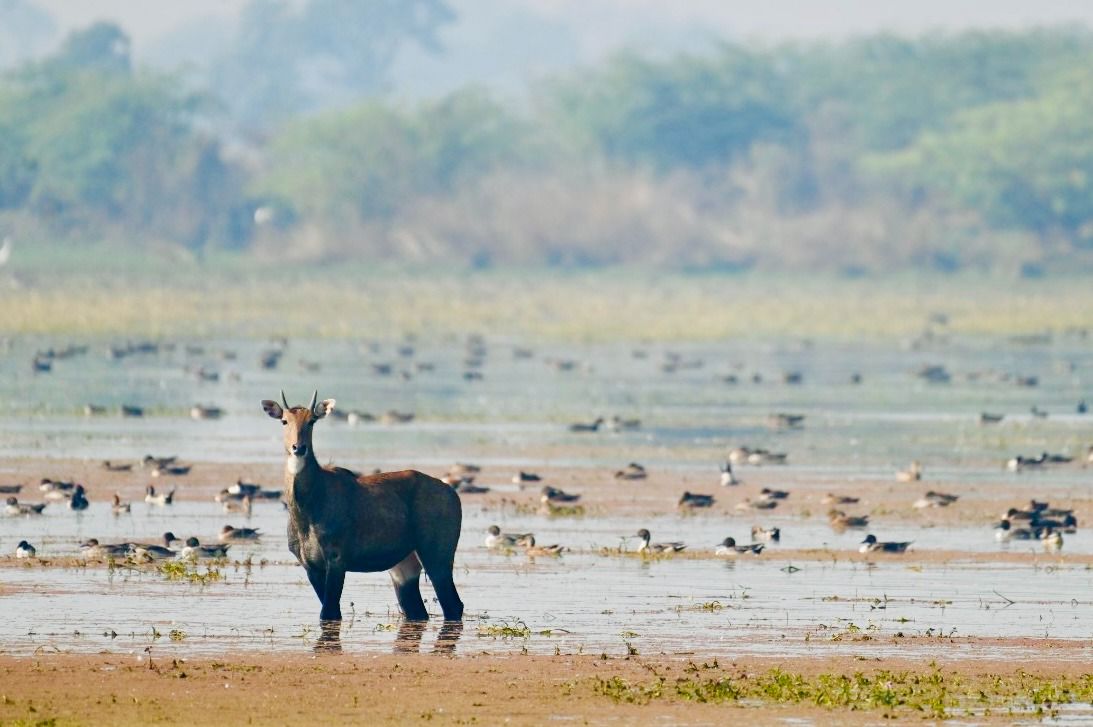
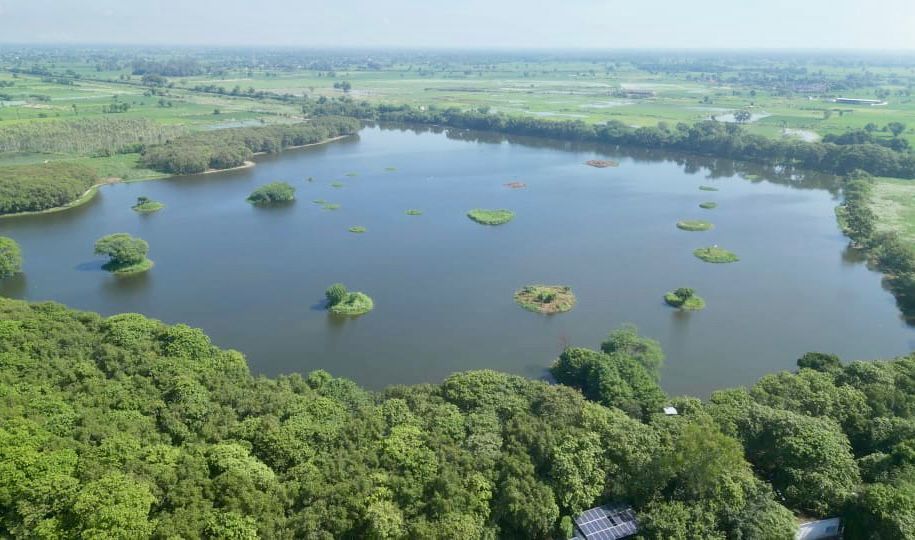
HMEFCC Shri @byadavbjp announces the designation of Shekha Jheel Bird Sanctuary as a Ramsar Site.
India’s #Ramsar tally rises to 99, with Uttar Pradesh reaching 12.
A boost to local livelihoods, global biodiversity and water & climate security.
The Union Budget is the annual update to the nation's operating system.
We analysed the thematic focus of budgets over the last 12 years.
The data reveals a clear, structural progression in policy priorities.
Phase 1: The Saturation of Basics (2014–2019)
The initial years were dedicated to fixing the "delivery pipeline."
• 2014-15: Swachh Bharat (Sanitation infrastructure).
• 2015-16: JAM Trinity (Financial inclusion for 100% households).
• 2018-19: Ayushman Bharat (Health assurance).
Strategic Logic: You cannot build a superpower on a foundation of exclusion. The state focused on securing the bottom of the pyramid first.
Phase 2: The Infrastructure Pivot (2020–2023)
Post-COVID, the strategy shifted from "Welfare" to "Asset Creation."
• 2020-21: The National Infrastructure Pipeline (NIP).
• 2022-23: PM GatiShakti & a massive 35% hike in Capital Expenditure.
Strategic Logic: Using public capex to drive recovery and lower the structural logistics cost of the economy.
Phase 3: The Human Capital & Consumption Push (2024–2026)
With the hardware in place, the focus has moved to the "Software", the workforce and the wallet.
• 2024-25: A direct assault on unemployment via the 5-scheme package for 4.1 Crore youth.
• 2025-26: Strengthening the Middle Class via tax relief (No tax up to ₹12 Lakh/Year under the new regime modifications).
Strategic Logic: Empowering the demographic dividend to drive consumption.
A longitudinal view shows that Indian budgets have moved from repairing the past to building the future.
What started with toilets and bank accounts has graduated to semiconductors and AI.
As we await the 2026-27 roadmap today, the trajectory suggests a continued focus on Fiscal Consolidation paired with Next-Gen Reforms.
Economic Survey Calls Out the Dangers of Cash Transfers
1. States blew money on freebies in good times; now problems emerge in bad times.
2. FY19 to FY25: Revenue gap worsens in 18 states; 10 states slip from surplus to deficit; fiscal deficit up 0.4% in 2 yrs.
A Wake-Up Call:
Economic Survey Highlights States’ Fiscal Indiscipline
a. States have been borrowing like there is no tomorrow – and distributing borrowed money as freebies.
b. State governments’ total debt in FY25 is 28% of national GDP. From FY19 to FY25, revenue deficit of states increased from 0.1% to 0.7% of GDP (7 times). And fiscal deficit of states grew from 2.8% to 3.2% in just two years FY24 and FY25.
c. First driver of this “renewed fiscal stress” is: “Lagging revenue growth relative to nominal GDP growth.” It means state government tax collections (revenues) are not keeping pace with GDP growth rates.
c. Second driver of this renewed fiscal stress is: “Unconditional cash transfers (UCTs).” UCTs have rapidly expanded across several states, and now constitute a growing share of state-level welfare spending. In FY26, states will spend an estimated ₹1.7 lakh crore on Unconditional Cash Transfers.
e. Direct Cash Transfers are given in addition to Subsidies. In FY24, states’ committed expenditures (which cannot be changed) – salaries, pensions, interest payments on debt, and subsidies was 62% of states’ revenue receipts. So, only 38% of revenues left for social & physical infrastructure spending. So, very little fiscal room is left for Cash Transfers, says the Economic Survey.
Benefits vs. Risks of Cash Transfers
a. The Economic Survey cites a detailed study undertaken across 7 states, which shows that cash transfers now account for 40~50% of the Monthly Per Capita Consumption Expenditure of at least half of India’s rural population.
b. While cash transfers provide immediate income support, their rapid scale-up in recent years raises concerns about fiscal management and medium-term economic growth, especially when they are not accompanied by investments in employment generation and skill development.
c. The Economic Survey cites reports, which indicated that “Unconditional Cash Transfers” adversely affect female labour force participation. In other words, women (50% of population) are disincentivized to join the workforce and make economic contributions.
d. Capital Expenditure becomes the first casualty when money is directed towards cash transfers. Growth impact of CapEx is stronger and more durable as those investments can keep generating employment and income year after year.
e. Fiscal indiscipline at the state level also casts a shadow on the sovereign borrowing costs. Markets don’t look only at the center’s fiscal health, but they take a collective view of the center & state finances. So, if the states spend beyond their means, sovereign bond yields could rise, increasing the borrowing costs of the central government as well.
f. The Economic Survey cites an extensive study covering 72 UCT programs across 34 countries, which shows that UCTs deliver short-term income stability, but no long-term benefits of poverty alleviation or improvements in educational outcomes or child nutrition.
g. The Economic Survey calls India’s direct cash benefit programs as “Unconditional Cash Transfers (UCTs)” because they are given without any conditions attached. It cites case studies of other countries that have made cash transfers “conditional” to clear, verifiable actions by recipients. Examples cited as follows:
h. Mexico & Brazil: Both these nations ran programs where families received cash only if children attended school and mothers & babies visited health clinics for regular monitoring. Payments were stopped if conditions not met.
i. Philippines: Unlike India, which has not created a review or exit mechanism for cash transfers, Philippines ran a program where benefits were time-limited. Families were expected to “graduate” once their conditions improved.
ENDQUOTE: Short-Term Gains vs. Long-Term Victory
In the Preface to the Economic Survey, Chief Economic Advisor Dr. Nageswaran quotes Lord of Death Yamaraj’s message from Katha Upanishad:
अन्यच्छ्रेयोऽन्यदुतैव प्रेयस्ते उभे नानार्थे पुरुषँ् सिनीतः । तयोः श्रेय आददानस्य साधु भवति हीयतेऽर्थाद्य उ प्रेयो वृणीते ॥
Every moment of life asks us to choose between Sreya, the enduring good, and Preya, the fleeting comfort. The mature mind chooses Sreya; the immature mind settles for Preya.
@arabicatrader
India continues to strengthen wetland conservation efforts.
With the designation of Patna Bird Sanctuary (Uttar Pradesh) and Chhari-Dhand (Gujarat), India’s #Ramsar network now stands at 98 sites, up from 26 in 2014—reflecting sustained commitment to protecting vital ecosystems.
Congratulations Team Uttar Pradesh and Gujarat and the Wetland community!
With World Wetlands Day close by, I am delighted to announce that there are two new additions to India’s Ramsar growing network.
Patna Bird Sanctuary in Etah, Uttar Pradesh, and Chhari-Dhand in Kutch, Gujarat are the new entrants to the coveted Ramsar sites list.
This international recognition reflects India’s strong commitment to protect our environment and conserve our rich wetlands.
Hundreds of migratory and resident avian species find their home in the two wetlands, apart from being the habitat of chinkara, wolves, caracal, desert cats and desert foxes besides endangered birds.
Under the visionary leadership of PM Shri @narendramodi ji, Indian Ramsar network has seen an expansion of over 276% - climbing from 26 in 2014 to 98 now.
Balanced Use of Fertilizers: A Key Enabler of Sustainable Farming
Aligning Productivity, Soil Health, and Environmental Responsibility
The Green Revolution marked a decisive turning point in India’s agricultural history. The introduction of fertilizer-responsive high-yielding varieties (HYVs) of rice and wheat during the mid-1960s, supported by expanded irrigation and the use of chemical fertilizers, transformed the country from a “hand-to-mouth” situation into a self-sufficient and, eventually, a food-exporting nation.
This rapid enhancement in foodgrain production not only ensured national food security but also significantly reduced hunger and improved rural livelihoods, positioning India as a model for other developing countries.
👉Key Takeaways:
▶️Balanced fertilization entails applying all essential macronutrients and micronutrients in appropriate proportions, quantities, timing, and methods, based on crop requirements, soil fertility status, and prevailing climatic conditions.
▶️The Government of India is proactively promoting the balanced use of fertilizers through multiple initiatives, including the Soil Health Card Scheme, Nutrient-Based Subsidy, neem-coated urea, customised and fortified fertilizers, and nano fertilizers.
▶️Regenerative agriculture strengthens balanced fertilization by improving soil health and enhancing nutrient use efficiency, while reducing losses and sustaining long-term productivity.
▶️Soil test–based recommendations, customised fertilizers, and integrated nutrient management approaches enable more precise and efficient fertilizer use.
Read here: https://t.co/vf8Ogn0iaa