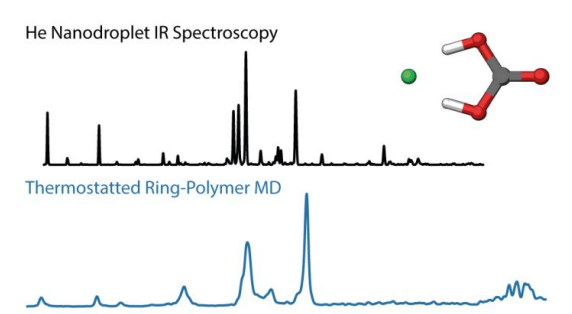
#JustAccepted: Carbonic acid, a molecule central to many chemical systems, is normally metastable in the gas phase, but work in JACS by @MP_FHI and @FHI_SabIA reveals a stable complex with a fluorine anion. https://t.co/auVOERkNBZ
Within CRC 1340 "Matrix in Vision" @ChariteBerlin we have a fully funded 3.5 year postdoc position available. If you are interested in doing HPLC and mass spec of glycosaminoglycans @FU_Berlin and @MP_FHI please apply!!!
https://t.co/9ZZ28lttph
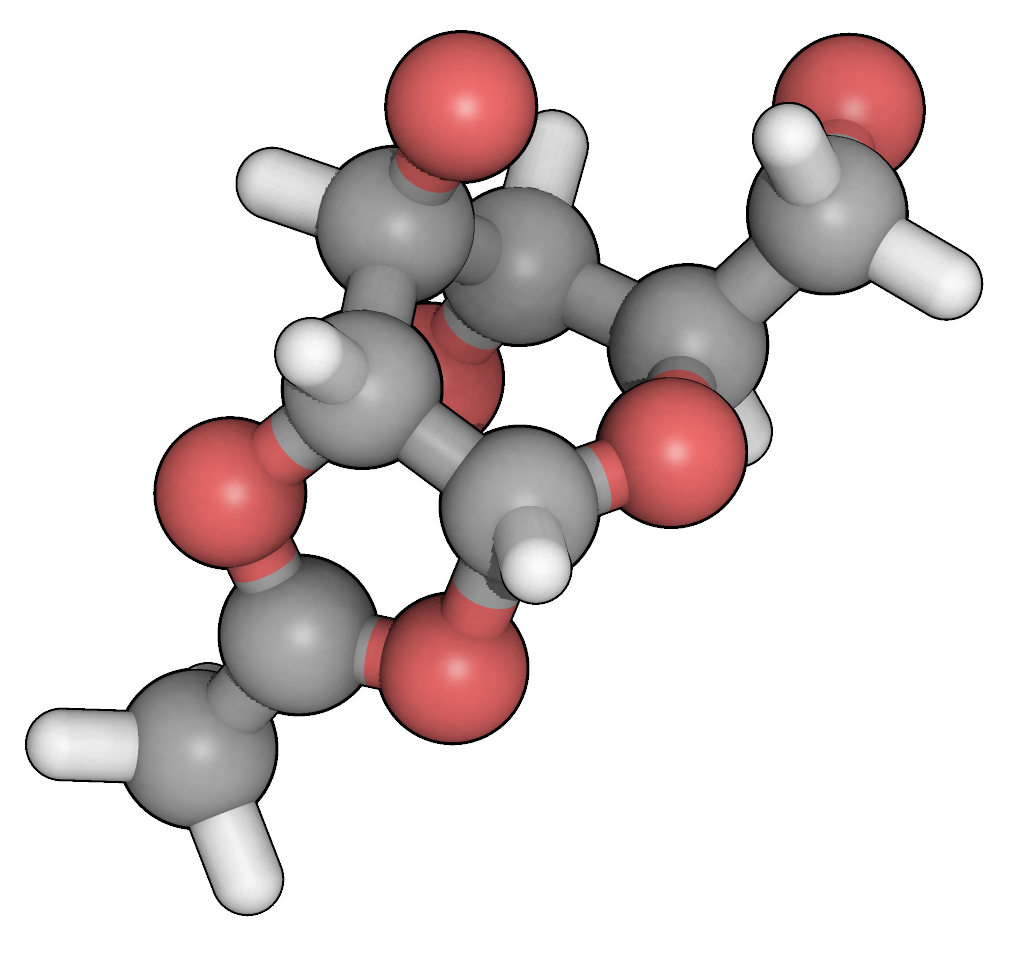
Our manuscript on the high-resolution structure of reactive oxonium ions just went on-line! Another great collaboration with @peterseeberger
Unravelling the structure of glycosyl cations via cold-ion infrared spectroscopy https://t.co/e9CpDmSCNI
Relaxing and recharging our batteries today - because tomorrow is #maxplancktag: young pupils visit us in the lab and Prof. Schlögl talks about fuels of the future. So excited. #wonachsuchstdu#maxplanck
Getting the collision cross-section calculation right in much ion mobility mass spectrometry is important and this publication states their method is suitable for other IMS techniques, taking into account effects inc. charge state, compound class etc https://t.co/4Tj7EYGeC9
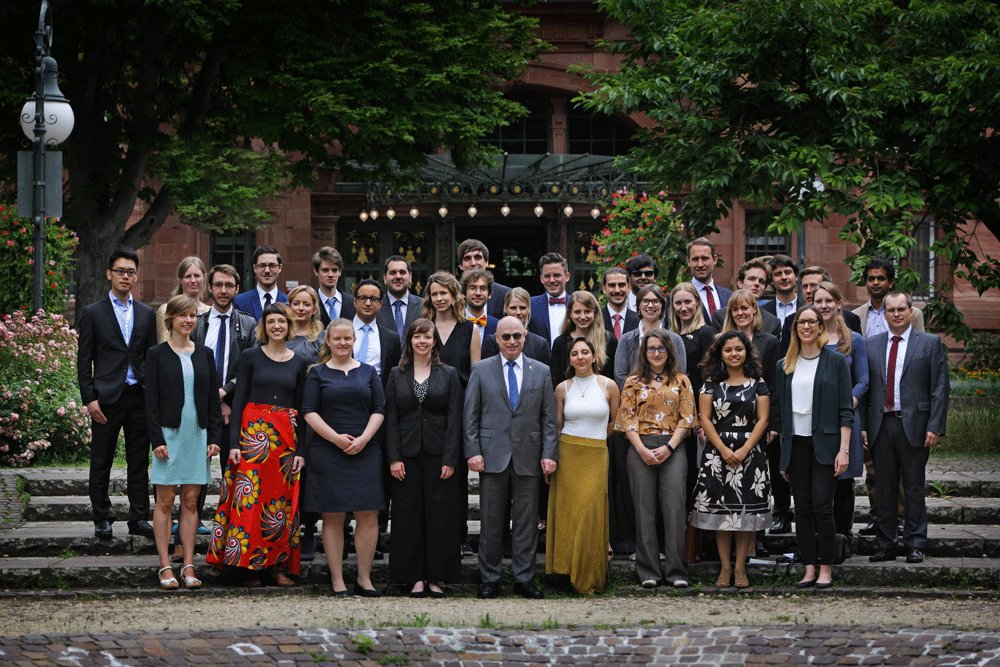
Cheez, pleeeeez! 😁Group pic of young Max Planck researchers honoured this year for their outstanding scientific achievements, with Max Planck President Martin Stratmann, snapped at our Annual Meeting in Heidelberg. Congrats everyone, you're amazing!!!🍾😊🎉 #MaxPlanck2018
Ausgezeichnet! 36 junge Wissenschaftlerinnen und Wissenschaftler werden bei unserer Jahresversammlung, die vom 12. bis 14. Juni in Heidelberg stattfindet, für ihre außerordentliche Arbeit geehrt https://t.co/6Ig4iQypqp #MaxPlanck2018#ScienceCareer
The multiple meanings
of ‘hoo’ in chimpanzee: new research shows that the ‘hoo’ call in #chimpanzees means three different things: alert, travel & rest, depending on behavioural context. Now hoo about that! 😉https://t.co/gsD1RzvSVY @maxplanckpress@royalsociety via @EurekAlert
Ice is at its slipperiest at -7°C (19.4°F): a new study by @maxplanckpress & @UvA_Amsterdam using macroscopic friction experiments explains the slipperiness of #ice & why it can be compared to a 'dance floor filled with
marbles' https://t.co/Yqvc2Bi97D via @LiveScience
Happy birthday, Max Planck!🎂 🎉Born in Kiel on April 23, 1858, the physicist & Nobel Prize Winner (1918) made many key contributions to theoretical physics & is known as the father of #quantumtheory. Oh, and there's a research organization named after him !😉@maxplanckpress