Its massively important to me, Todd Howard has said on multiple occasions that Ultima VII is one of his favorite games of all time. A truly reactive world where you can move anything, full noc schedules and a working day night cycle are what set that game apart.
People still don’t get it.
Bethesda’s object permanence is what makes their worlds feel alive and reactive. You can drop items anywhere, build crazy cheese wheel shrines, leave the world in whatever chaotic state you want… and it stays that way.
No other game (Cyberpunk included) has fully captured that level of true persistence without compromises.
Loading screens exist for a real technical reason here .. they let the game actually remember your impact on the world.
I’d rather quick loads than losing that immersion any day. The trade-off is worth it.
Any old school RPG fans still around?
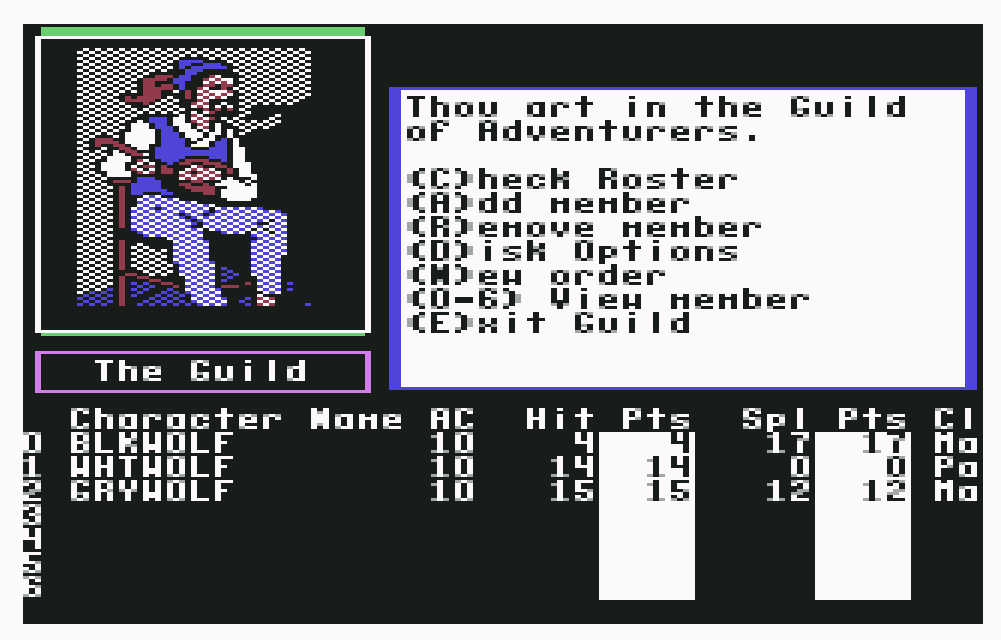
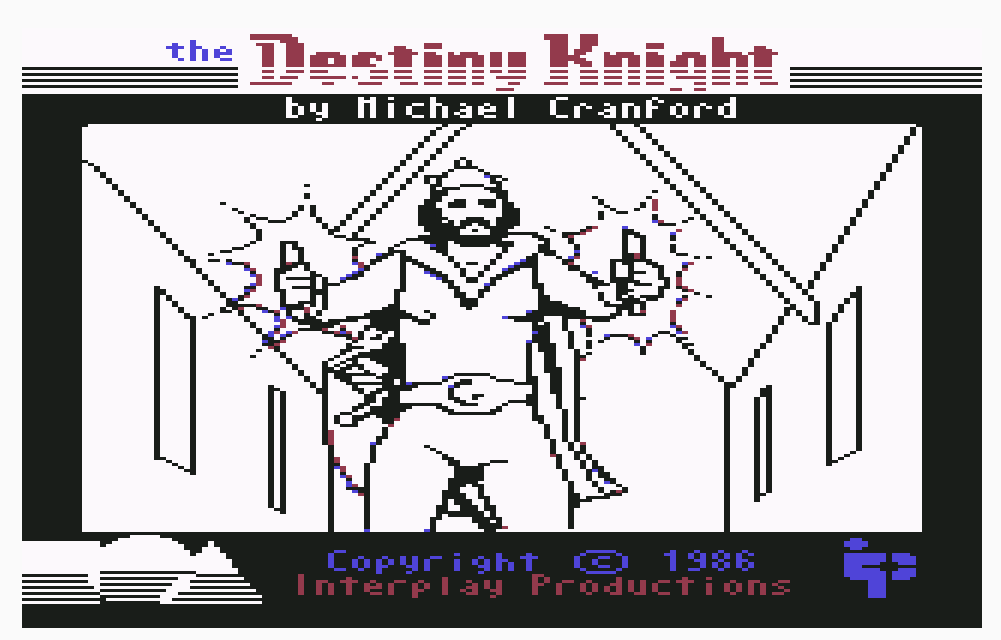
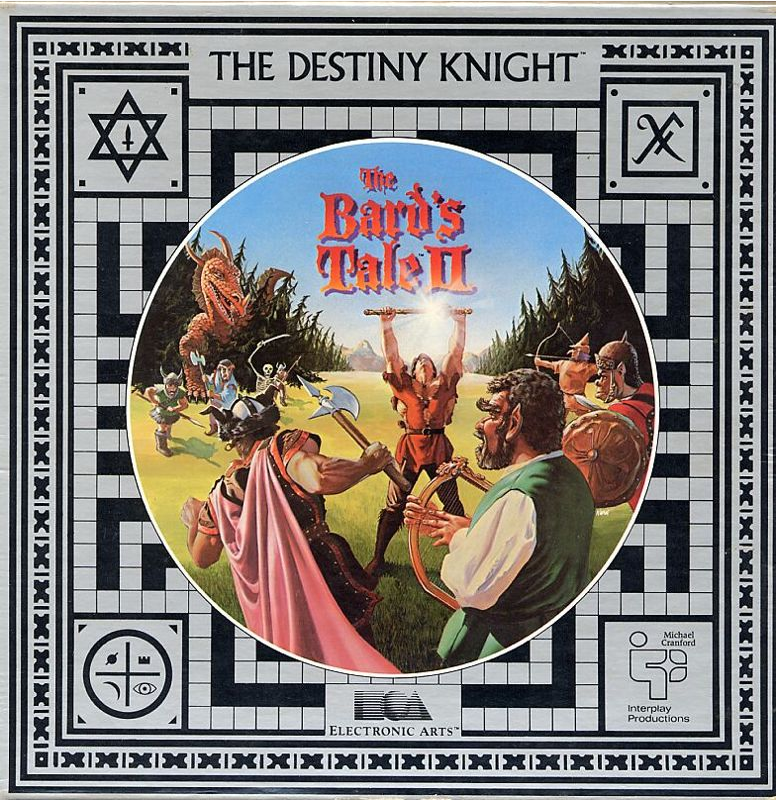
Bard’s Tale II turns 40 this year. It was first developed and published for the C64 in 1986, with other ports following. The last one arrived in 1992 (six years later!) for the NES.
I count this as part of the 80s top 4 RPG series alongside Ultima, Wizardry, and Might & Magic.
LucasArts gave us 13 incredible adventures between 1987 and 1998. Ironically, the release of Grim Fandango was seen by many as the end of the traditional adventure era. Tragic poetry...
Among the following13 classics, which is your all-time #1 favourite?
There has been a lot of debate in the gaming community lately about physical media - or better, the slow but steady demise of it.
Quite often I hear the argument that going entirely digital has so many benefits, not least of all that contrary to physical games, the digital world won't deteriorate over time. I find that argument very weak for two main reasons.
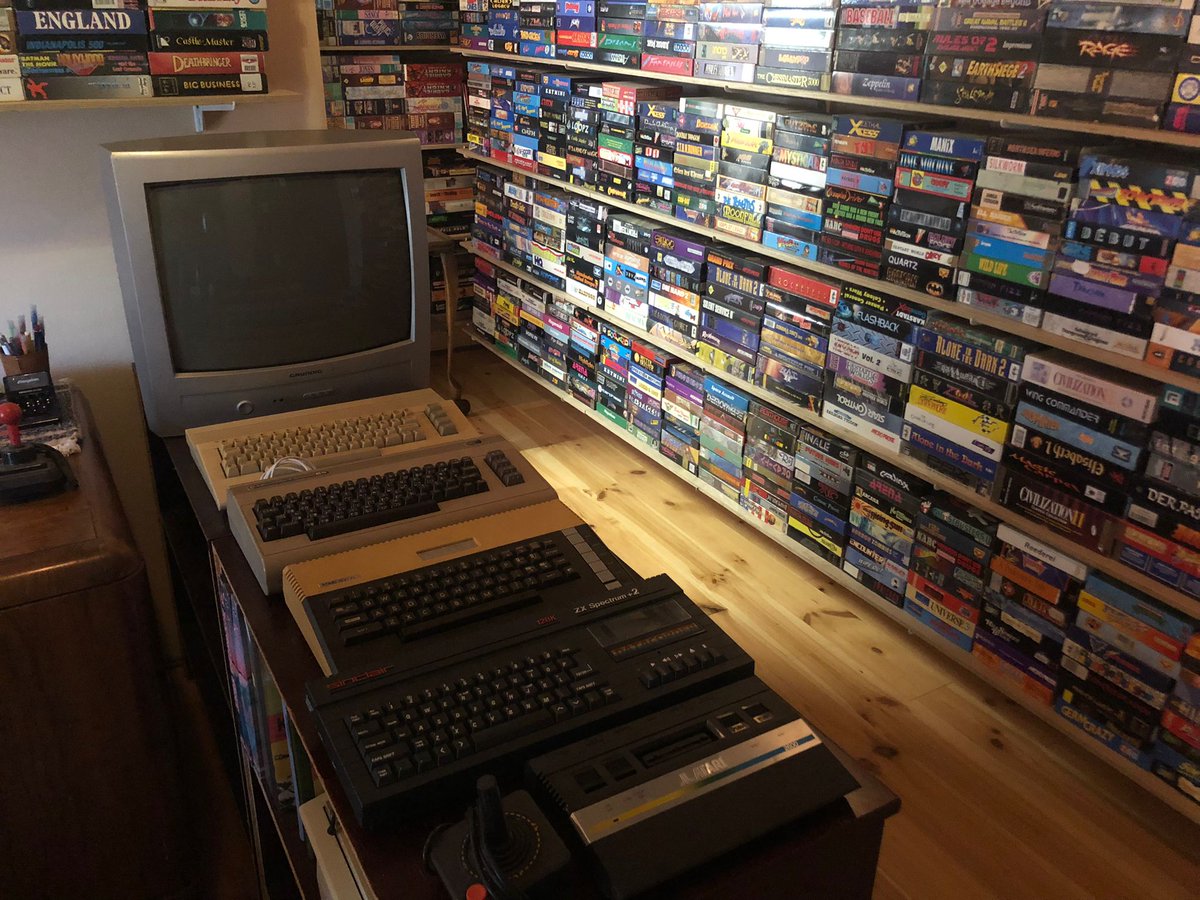
1) Over the years I have collected games for various systems, but mostly for C64, Amiga, Atari ST and PC. They range from the early 80s to the early 2000s. I also have some older consoles with games from the late 70s.
Out of that entire collection (around 4000 games) I have encountered 6 so far that have stopped working - indeed age has caught up with them it seems. But here's the thing, that's a whopping 0.15% of games - in other words an insignificant number. So that whole "physical media is prone to deterioration over time" feels a bit exaggerated.
2) We are sentient beings. We live in a physical world, we have senses like sight and touch. If you want to reduce a game to just bits and bytes on a random server on the other side of the planet, then I feel you are missing the point. A game that comes in a box, also comes with the associated memories - when did you get it, was it fun playing it, did you play it maybe with your brother, sister, or friends? Did you get it at a second hand shop? As a gift from your parents?
I can open and close a game box, I can touch it, see it, take out the manual, read it, turn the pages (smell them if I want to), I can take the disk and load or install it. It makes a sound when I put a 5.25" disk into a C64 floppy drive, or a 3.5" disk into an Amiga 500. Anyone who's ever done that knows that sound exactly in this very moment.
I can put the game box on a shelf, look at it, remember the last (and first) time I played it. I can stand in front of the shelf with an old friend and we go through the games, sharing stories about them because we can see them right there in front of us.
If we want to we can take them out, sometimes even find an old brochure with ads from that era, or the good old Pirate wheel from Monkey Island, the Ultima Map, the little metal crab from Full Metal Planete, and so on.
We form memories through emotions that come from experiences.
You can choose to reduce a game to just bits and bytes. And yes, in the end a game on a disk is also just bits and bytes - but that's exactly why the things "around it", the box, the poster, the manual, the cartridges/disks are an important part. If you strip all that away it loses a lot of its soul, it becomes entirely digital. And we are analog beings, not digital beings (yet).
You can say that physical box games and physical media are outdated, you can argue all that in favor of purely digital downloads. But I chose to read books in their printed format, watch movies on DVD/BlueRay, look at physical paintings and not some random NFTs, and play games that have a box, a manual, a story, and ultimately a memory associated with it.
And that's why I think the decision to reduce games to pure digital format is sad. They feel soulless and cold. Oh, and the people who "sell" (lease seems the more accurate term) you the digital product might one day decide to just shut down their business or remove some titles from their library. So much for the argument of "digital games don't deteriorate over time."