¿Minería en el páramo de Santurbán? La realidad es que se aprovechan de que las personas no conocen la zona y creen que todo es páramo.
La zona de La Baja está fuera del páramo y sus familias viven de la minería desde hace más de 400 años.
El páramo ya está protegido por la Ley de Páramos, que prohíbe cualquier extracción en todo el país.
El ministro @fabio_arjona solo acató la ley.
El verdadero problema es la minería ilegal, que lleva años contaminando con mercurio y arsénico sin que nadie denuncie.
Cumplir la ley y revocar una resolución viciada no es desproteger, es hacer justicia con datos y no con politiquería.
👇 Comenta “Santurbán” y compártelo.
#Santurbán #MineríaLegal #Colombia #MedioAmbiente #paulamineria
✨ Muy pronto conocerás nuestros cursos, talleres y diplomados en:
🔭 Astronomía
🧬 Astrobiología
🌌 Astrofísica
🚀 Ingeniería Espacial
📚 Educación Científica
🌎 Ciencias de la Tierra y del Espacio
No muchos saben que el fallecido ingeniero aeroespacial colombiano César Ocampo creó el algoritmo que diseñó la trayectoria de la misión @NASAArtemis, además de aquella de muchas misiones de NASA. Here is to you, César!
https://t.co/BEehfN4OMj
Lo que está pasando en el sur de Bolivar es inaudito @SenalColombia y @RTVCnoticias hicieron un documental para atacar al candidato @ABDELAESPRIELLA , pero ni siquiera fueron a la empresa @minecargoldsas y salieron a hablar cosas completamente falsas: 🧵
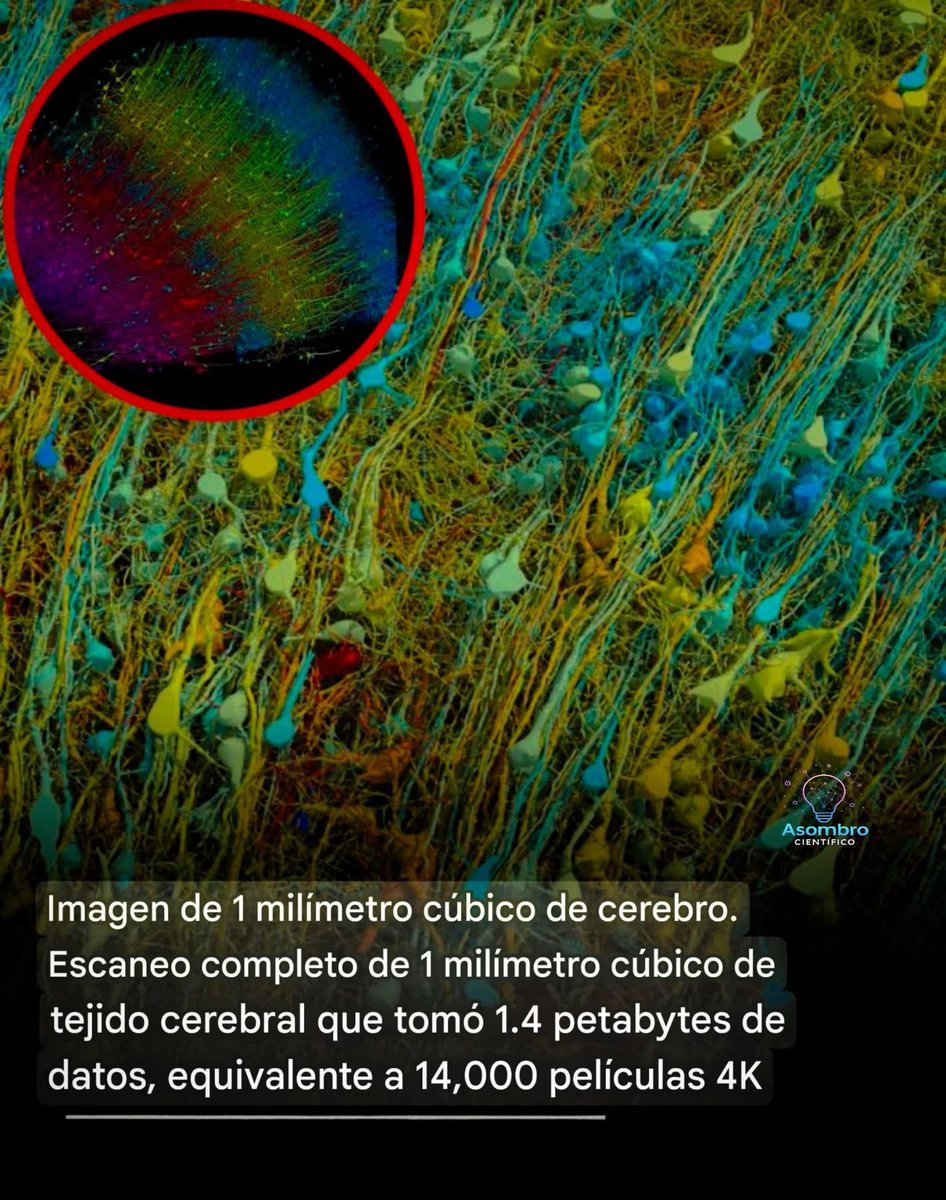
Mapearon 1 milímetro de cerebro humano… y descubrieron un universo microscópico.
En una colaboración histórica entre Harvard y Google Research, científicos lograron el mapa 3D más detallado jamás creado de tejido cerebral humano.
El fragmento analizado era diminuto: apenas 1 milímetro cúbico, aproximadamente la mitad de un grano de arroz.
La muestra fue extraída del lóbulo temporal durante una cirugía de epilepsia.
Luego fue preservada, teñida con metales pesados para hacer visibles sus estructuras y cortada en más de 5.000 secciones ultrafinas, cada una de solo 34 nanómetros de grosor.
Con microscopía electrónica de alta velocidad capturaron imágenes a resolución nanométrica.
El proceso generó 1.4 petabytes de datos el equivalente a unos 14.000 videos en 4K.
Después, algoritmos avanzados de inteligencia artificial reconstruyeron todo el volumen en 3D.
¿El resultado?
🔹 Aproximadamente 57.000 células (neuronas y células gliales)
🔹 230 milímetros de vasos sanguíneos
🔹 150 millones de sinapsis (los puntos donde las neuronas se comunican)
El mapa reveló hallazgos sorprendentes: conexiones extremadamente fuertes donde un solo axón forma hasta 50 sinapsis con otra célula, agrupaciones de neuronas en patrones espejo y extrañas espirales axonales cuya función aún es desconocida.
Las visualizaciones en colores muestran un auténtico “bosque” neuronal: neuronas excitatorias, inhibitorias, dendritas y axones entrelazados en una arquitectura de complejidad abrumadora.
Lo más impactante es que todo esto proviene de una simple pizca de cerebro.
Y el conjunto de datos es público, lo que permitirá a investigadores de todo el mundo estudiar con un nivel de detalle sin precedentes cómo funciona el cerebro humano y cómo pueden surgir enfermedades neurológicas.
Fuente: Harvard University & Google Research – Human Brain Connectome Project.
In the 1990s, a Harvard scientist made a wild claim:
"Aging is the loss of epigenetic information — and we can restore it."
The entire field dismissed him.
30 years later, the FDA just approved his gene therapy for the first human trial.
Here's why this changes everything: 🧵
Space could be a testing ground for age reversal @elonmusk. In 4 astronauts, epigenetic age of blood cells rose ~2 yrs by day 7 of orbit & returned to normal (or even younger) upon return 🚀 🌎
@mason_lab@davefurman
https://t.co/ePspgC6EVo
En nombre de nuestros distinguidos miembros de la Asociación Espacial de 🇨🇴 deseamos un 2026 pleno de felicidades, éxitos, buenaventuranza y mucho desarrollo espacial para todos nuestros amigos, seguidores y familias, y muy especial y espacialmente para nuestra amada Colombia!!
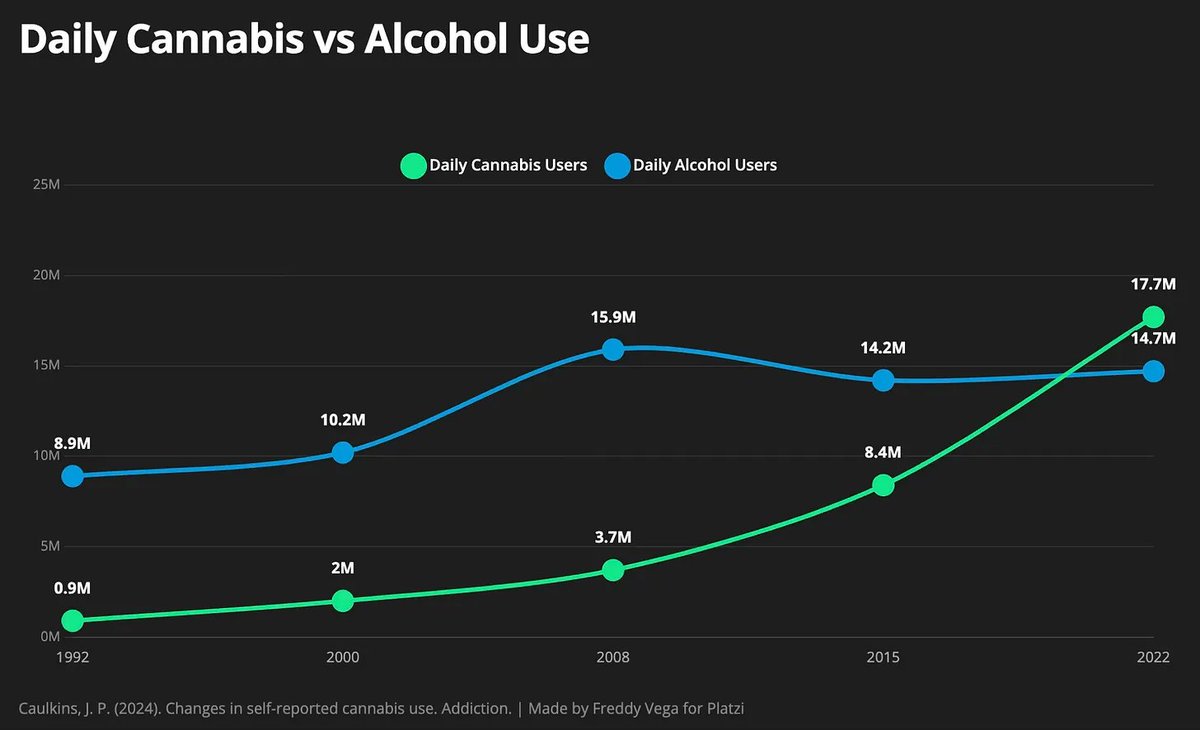
Hoy, mas personas (en USA) consumen marihuana a diario vs alcohol.
Hay un colapso global (sí, en tu país también) del consumo del alcohol que está trayendo consecuencias muy inesperadas.
Te cuento algunas 👇
@davidasinclair Interesting, but these analyses often compare ‘BreakfastVS. No breakfast’ without properly accounting for what people eat when they break the fast. The quality of that first meal(protein/fiber vs. sugar/ultra-processed foods) could completely change the impact on mood and stress.
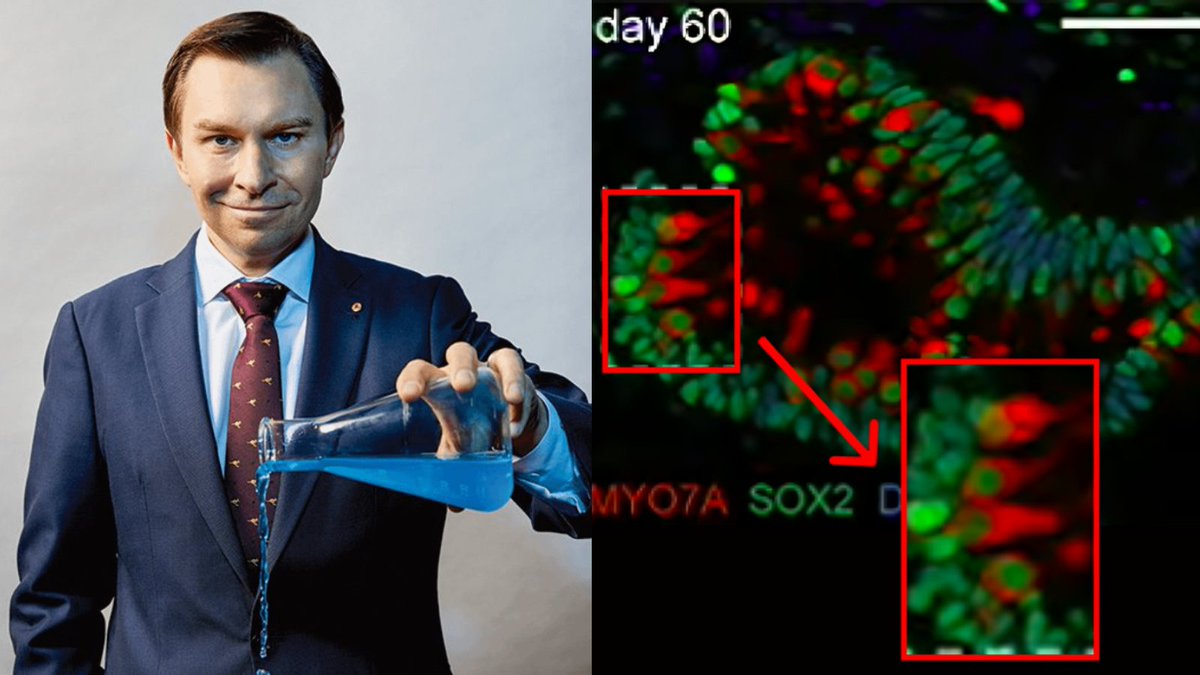
Old neurons firing again in a mini-human brain grown in a dish known as a cerebral organoid. The brain tissue has been rejuvenated by our lab's latest epigenetic age reversal treatment
This is not joke.
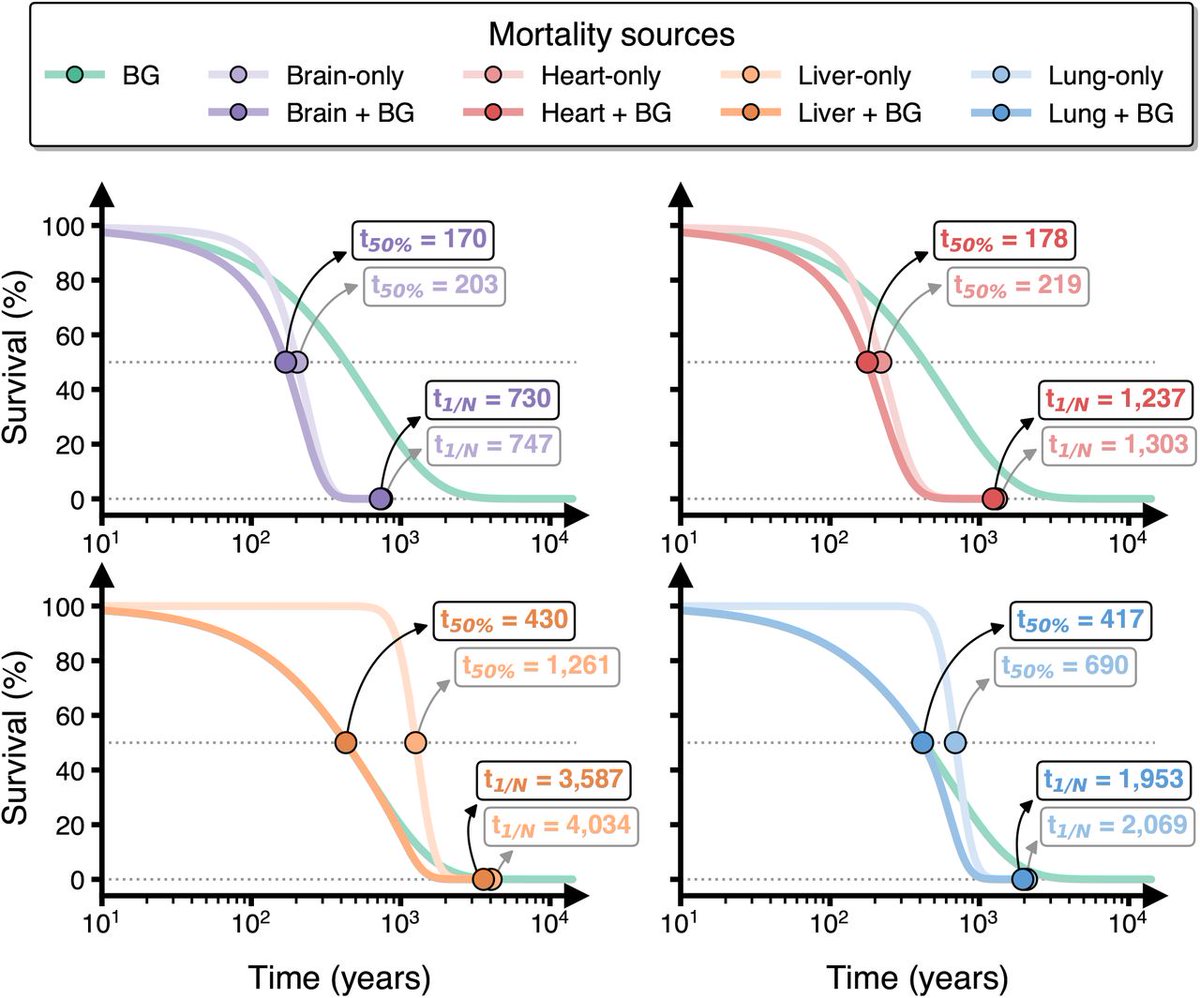
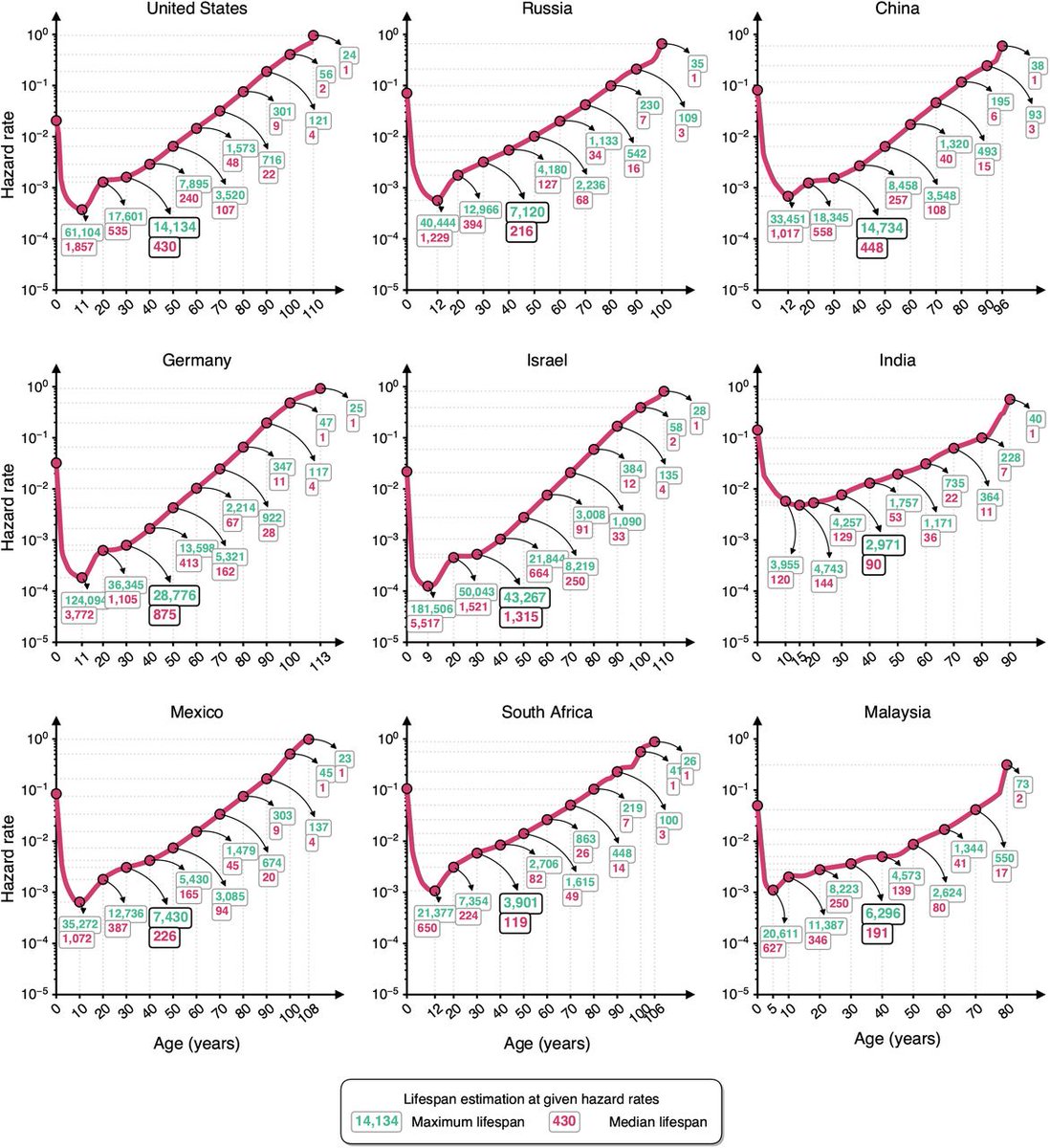
A new longevity model suggests humans could potentially live 430 years 🤯!
Scientists have created a new aging research suggesting that our bodies might be built for far longer life than we actually experience.
In this model, most of our organs could keep repairing themselves for centuries. Some tissues, like the liver and skin, can replace damaged cells again and again with almost no limit.
But post mitotic cells, especially neurons in the brain and muscle cells in the heart, don’t divide. They slowly build up tiny DNA mutations over time. Once those cells hit their limit, the entire body does.
Because of these “aging bottlenecks,” the model predicts a realistic human lifespan of around 134–170 years, roughly double what people reach today.
Under ideal conditions, without mutation driven aging, humans might biologically reach up to 430 years. For the brain alone, the model estimates a median lifespan limit of about 169 years.
Proliferating tissues (like liver and skin) could theoretically last thousands of years, since they keep replacing damaged cells. But those non dividing cells eventually accumulate too many irreversible DNA mutations, becoming the key aging bottlenecks.
Study: Somatic mutations impose an entropic upper bound on human lifespan (2025 preprint)
Mitochondria are alive. A swelling tide of evidence suggests they are not just organelles, but rather their own life forms.
The precise definition of “life” has been debated since the inception of biology, but molecular biologists tend to focus on characteristics like metabolism, growth and development, response to stimuli, reproduction, and the ability to process information or evolve.
Biophysicists often take a more rigorous approach, defining life by means of energetic terms. Physicists Erwin Schrödinger and Ilya Prigogine said that living organisms maintain order despite the universe's tendency towards increasing entropy, a measure of how dispersed or disordered the energy within a system is. Cells take in low-entropy inputs, such as food or sunlight, and expel high-entropy outputs, including waste.
Mitochondria satisfy any of these definitions.
Mitochondria carry their own genomes and express their own genes using biomolecules distinct from the cell’s nucleus. Mitochondria also replicate and divide through binary fission, much like bacteria.
From a thermodynamic perspective, mitochondria take in low-entropy inputs from their host cell, such as glucose or fatty acids, and expel high-entropy outputs, including carbon dioxide and water.
Mitochondria also pump out protons through their inner membrane to maintain an out-of-equilibrium thermodynamic balance, using the resulting gradient to produce the ATP molecules that fuel cellular functions, from DNA replication to protein synthesis.
Mitochondria also process information and interact with their environment, much like a human cell. They monitor steroid hormones, oxidative stress, heat, ATP levels, secondary metabolites, and many more molecules floating through their environment, the cell’s cytoplasm. Mitochondria then use this information to precisely control cellular functions. For example, when a virus invades a cell, the mitochondria are critical in sensing the intrusion and signaling a host cell to undergo programmed cell death to halt its spread.
And finally, mitochondria grow and reproduce in a manner distinct from the host’s replication process. Mitochondria independently copy their circular genomes, known as mitochondrial DNA, and divide through binary fission.
Notably, mitochondrial replication has several distinct properties from those observed during human cellular replication. Mitochondrial DNA mutates 100-1,000 times faster than the human genome and these mutations can significantly alter a mitochondrion’s fitness, thereby changing the fitness of its host cell. Mitochondria are thus agents of — and subject to — the forces of evolution.
Mitochondria are alive.
¿Todavía no has visto el documental SEANTIENCE?
Un documental que plantea cuestiones que rara vez nos hacemos ¿Tienen los animales más ignorados del planeta vidas interiores complejas?
Premio a la Mejor Fotografía en FICAA
Seleccionado en @suncinefest
https://t.co/TuOHRX0C0X
Quiero llegar al espacio y con #SERASpace tengo la oportunidad de participar por un cupo. Esto es un sueño desde niña y una meta para la que me he estado preparando durante mi trayectoria. Apóyame compartiendo!
https://t.co/s6f4uiFwfN