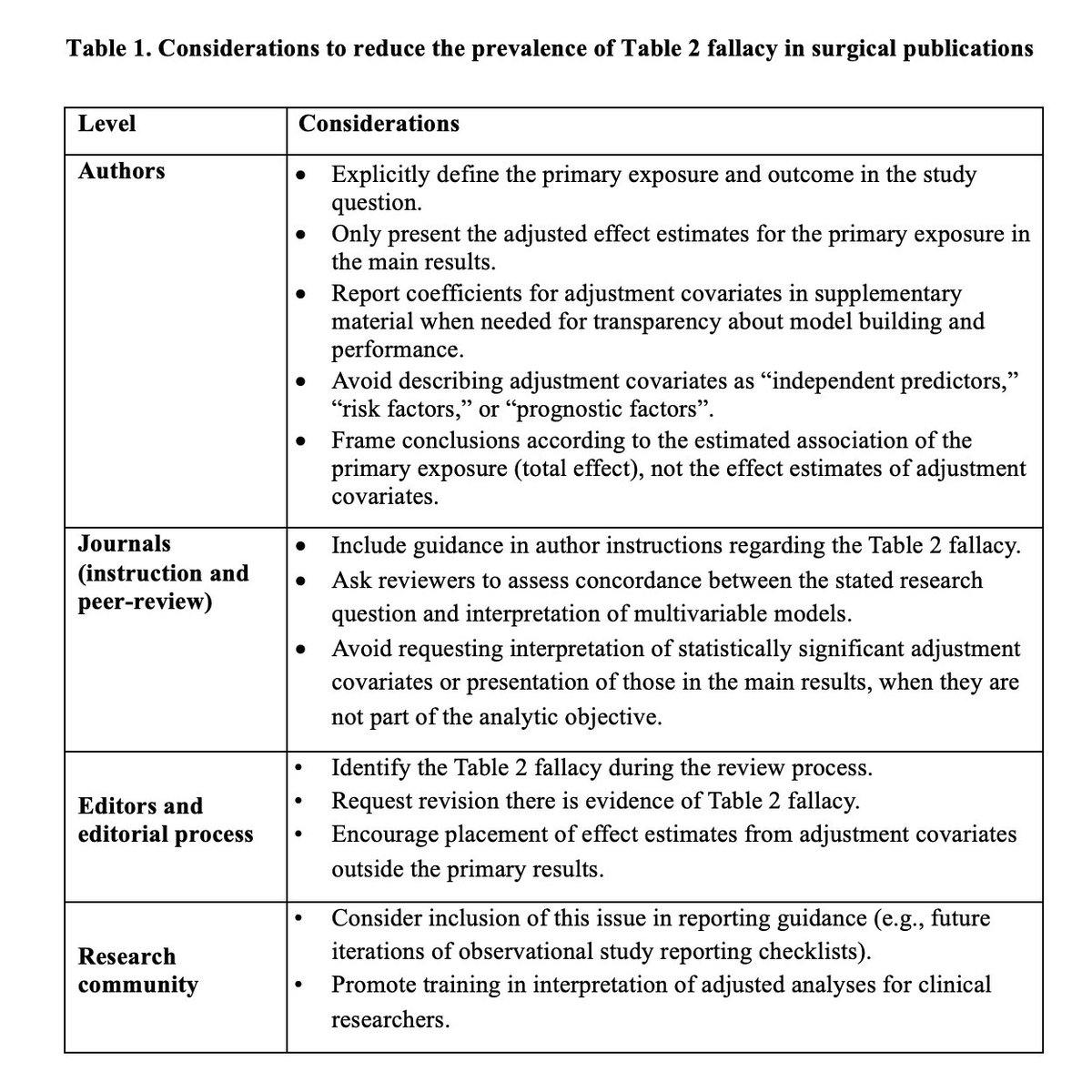
How can surgical researchers avoid the “Table 2 fallacy”? Clearly define the primary exposure, avoid interpreting adjustment covariates as independent risk factors, and align conclusions with the primary causal question. https://t.co/l5C5Re7G7g
A resource that quickly became bookmarked across call rooms everywhere.
This TSACO guideline series helped bring evidence-based, practical decision-making to some of the most common emergency general surgery problems surgeons face every day. From appendicitis and cholecystitis to pancreatitis and bowel obstruction.
For TSACO's 10-year anniversary, hear directly from Dr. Kevin Schuster.
Read here https://t.co/IkHepaLICz
Authors: @kevinMschuster, @Daniel_Holena, @AliSalimMD, @Ephava727, @vegansurgeon
Trauma surgeons know the sickest patients don’t stop at one complication.
This TSACO paper on postinjury multiple organ failure helped redefine how we think about inflammation, critical illness, and the downstream consequences of severe trauma. This is years after “damage control” first entered the lexicon.
For TSACO’s 10-year anniversary, hear directly from Dr. Lisa Kodadek.
Read here https://t.co/pmh5Z8OlKj
Authors: @LisaKodadek, @scarmic8, @anu_seshadri, @AppelbaumMD
Incredibly grateful for an inspiring few days with @VAsurgeons@adardik et al. Thankful to share our work and even more thankful to learn invaluable lessons from the best at #AVAS. @YaleSurgRes@YaleSurgery https://t.co/viyLHLbBiX
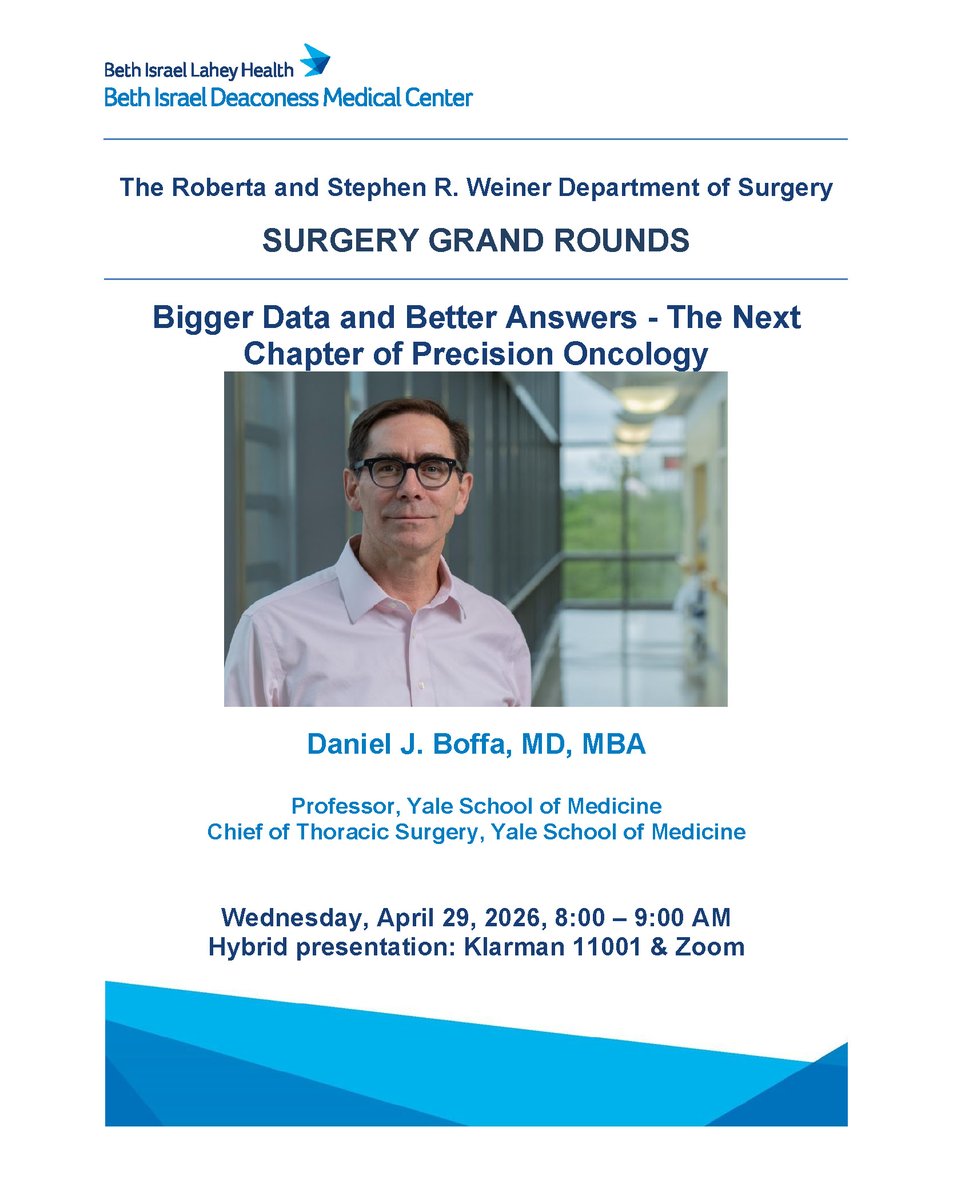
For Surgical Grand Rounds on Wednesday, April 29th, we will be joined by Daniel J. Boffa, MD, MBA, who will present: “Bigger Data and Better Answers - The Next
Chapter of Precision Oncology"
To virtually join, email [email protected] for more details.
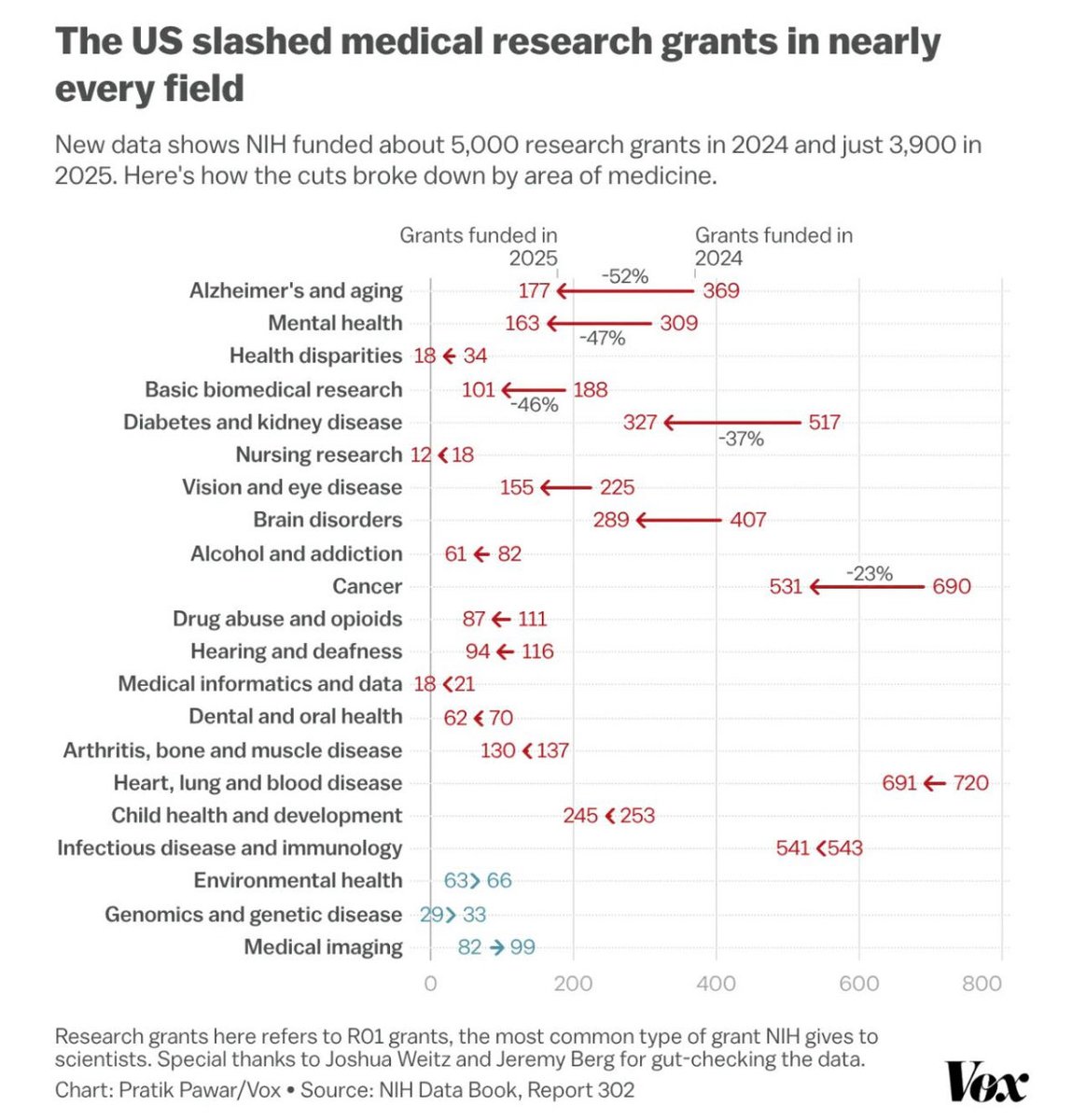
We were told NIH funding cuts were about eliminating DEI.
But the data now shows grants are down across nearly every field of medicine: cancer, diabetes, mental health, brain disorders.
With the greatest cuts hitting Alzheimer’s research, down more than 50%.
Methods corner: multivariable adjustment ≠ causal effects
Do you know about Table 2 fallacy?
🤔Misinterprets adjusted covariates as causal effects
📊1 of 5 studies in high-impact surgery journals
⚠️Risk of distorted clinical inference
Learn more https://t.co/7wDaQF70lK
Surgery is becoming a numbers game. As RVUs dominate priorities, academic surgeons report less time for teaching, research, and mentorship—jeopardizing the next generation.
https://t.co/SM5aWadIXd
@CMSGov "efficiency adjustment" is illogical & incentivizes surgeons to rush thru cases. Our patients grow more complex & so do the operations required to care for them. Inherently, we become less efficient. Patient care & resident learning are at stake. https://t.co/6M0EGQSJ08
Must-read in @nytimes today on Women in Thoracic Surgery (@WomenInThoracic) led by the amazing Dr. Mara Antonoff (@maraantonoff)!!
https://t.co/prbJykvlxj
This article features several renowned surgeons, who are pioneers, advancing the field of cardiothoracic surgery. One of them is my mentor, Dr. Leah Backhus (@leahbackhusmd), a phenomenal surgeon, researcher and educator whom I am so grateful to have had the opportunity to learn from ever since I was a fellow.