It’s amazing how fast they grow! Ensure your child’s safety by keeping them rear-facing for as long as possible. Every mile counts! 🚙💞 #TheRightSeat
YouTube https://t.co/plApSkqsGS
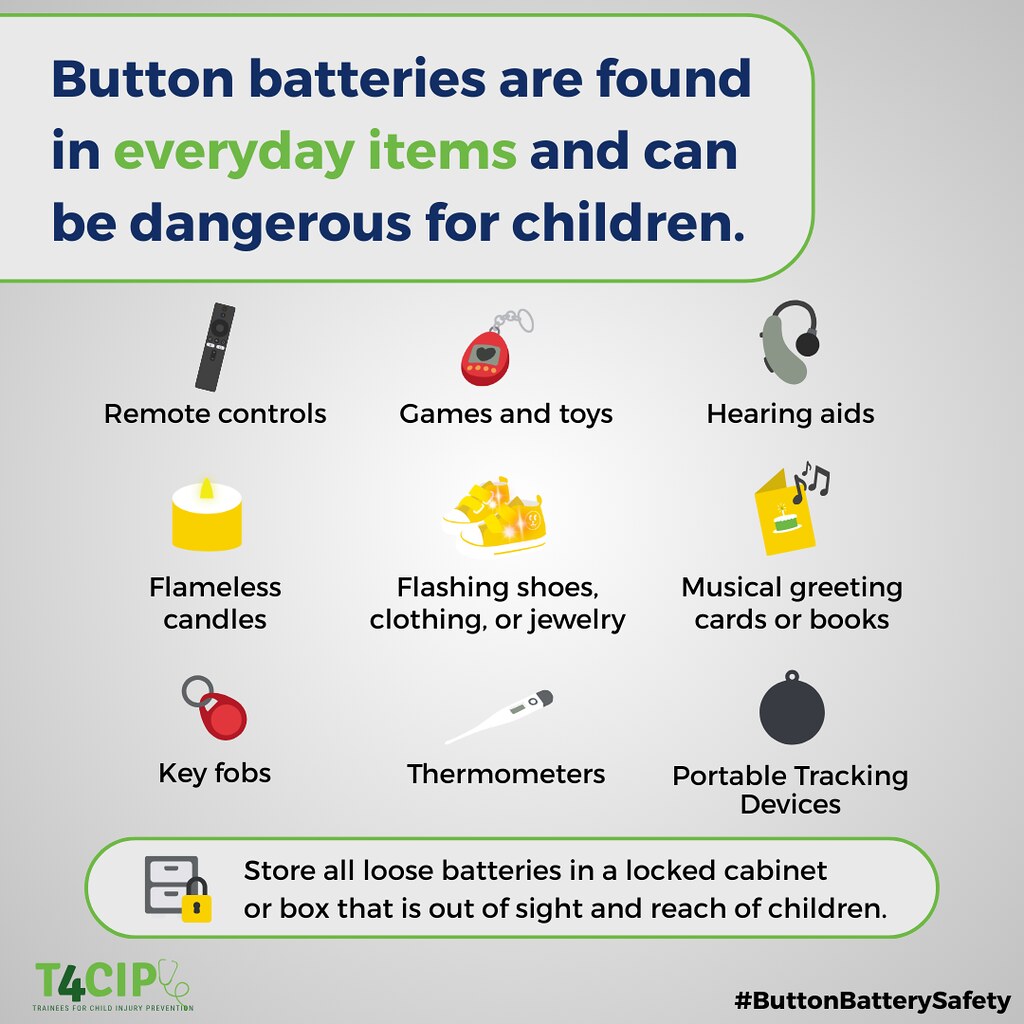
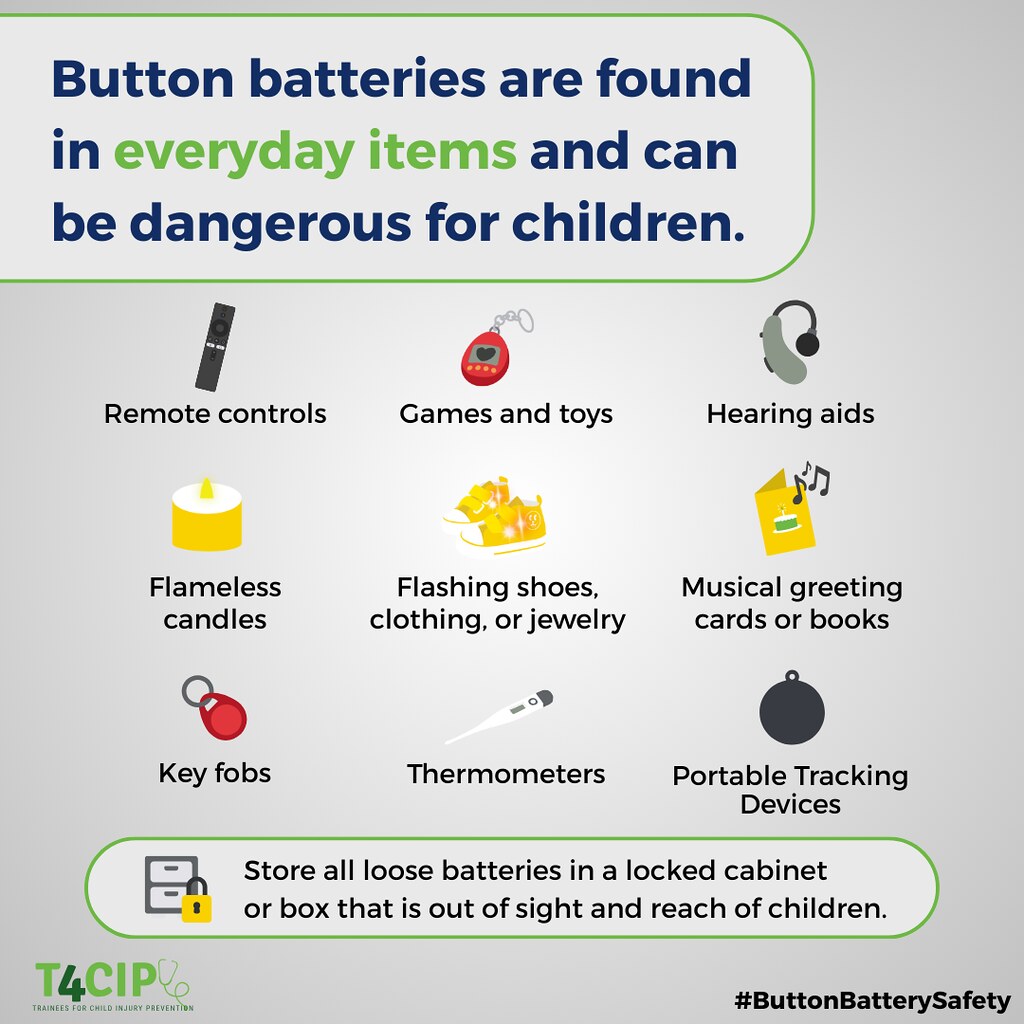
Button batteries are found in everyday items and can be dangerous for children:
Remote controls
Games and toys
Hearing aids
Flameless candles
Flashing shoes
Clothing, jewelry
Musical greeting cards/books
Key fobs
Thermometers
Portable tracking devices
& more!
#ButtonBatterySafety
What happens when you swallow a button battery?
The battery can get stuck in the esophagus (the tube that connects the throat to the stomach).
The battery creates an electrical current that damages the tissue. #ButtonBatterySafety
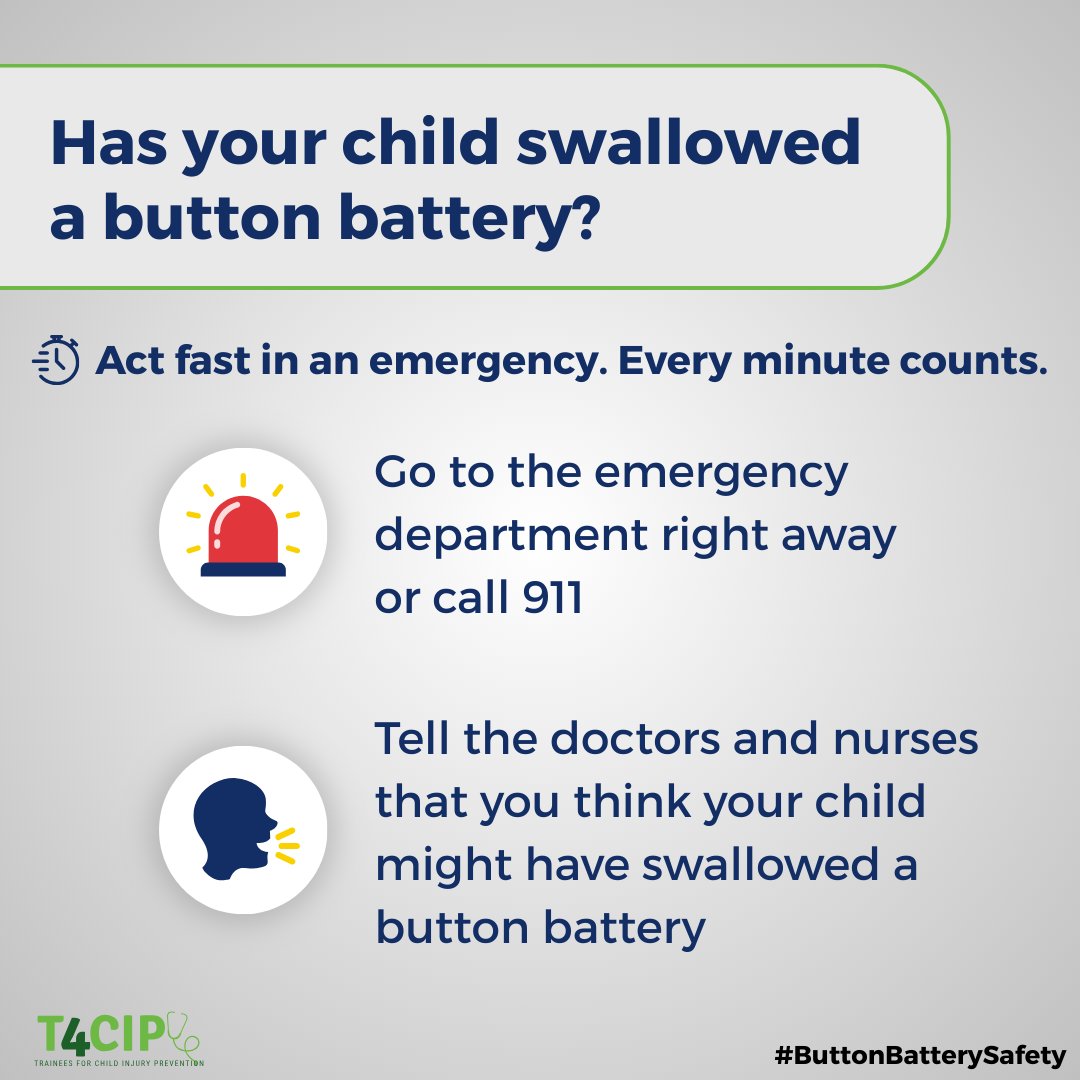
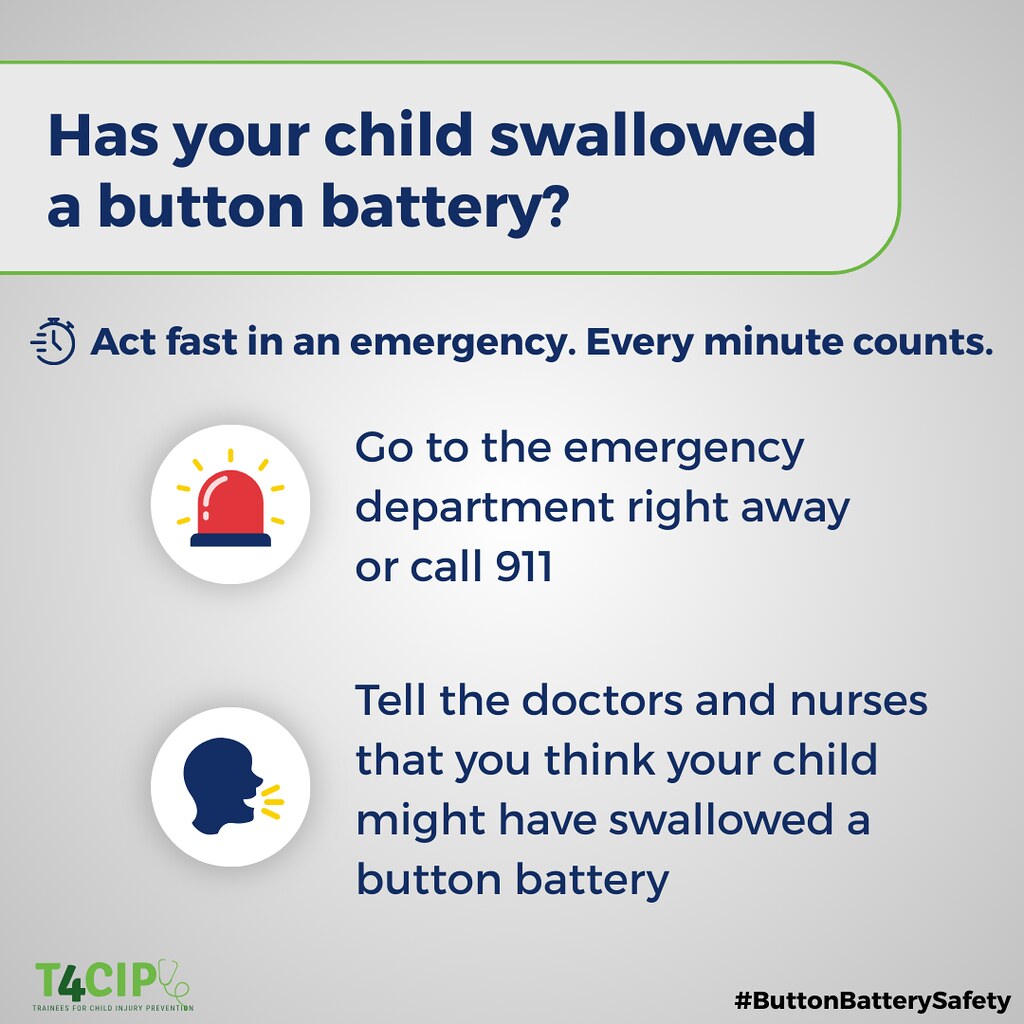
What should you do if you think your child has swallowed a button battery? Immediately call the Battery Ingestion Hotline (1-800-498-8666) or 911. #buttonBatterySafety
Did you know honey🍯can help stop more serious injuries from happening if your child swallows a button battery? If they are older than 12 months, you can give them 2 teaspoons of honey every 10 minutes (up to 6 times) while you are on the way to the ER #ButtonBatterySafety
How can you reduce the risk of button battery injury? There are many things you can do at home such as storing batteries out of reach, buying only buttons in child resistant packaging, and buying products that can only be opened with a tool #ButtonBatterySafety
This is what #healthcomm looks like. We couldn't find a free photo of what #ButtonBatterySafety storage looks like so I took a picture of one in my own home! We ended up using one of the photos from my mini photoshoot for a poster. 📸
If you have little kids (or they visit your home), button batteries are a big injury risk. Look for products with screw-secured battery compartments. Check them regularly to make sure the compartments are still tightly closed. #ButtonBatterySafety
A5: If you see or think your kid swallowed a #ButtonBattery, act quickly. Go to the emergency dept right away or call 9-1-1. Tell the medical team you think your kid swallowed a button battery. Learn about the honey protocol to reduce the injury severity. #ButtonBatterySafety
@T4CIP_ A1: So many items have button batteries! From children's books to bathroom scales, they're likely in most rooms in our homes. #ButtonBatterySafety
Did you know? Babies and young children can drown in as little as one inch of water. That’s why it’s important to never leave them unattended around water and always keep them within arm's reach of an adult. Get water safety tips at https://t.co/BTGEJIO4Ej.
Protect Your Skin, Save the Reefs! 🌊🌞 Hawaii requires reef-safe sunscreen—make the switch and help keep our oceans thriving! 🌿
🔗More Infor: https://t.co/lr8XElJqd4
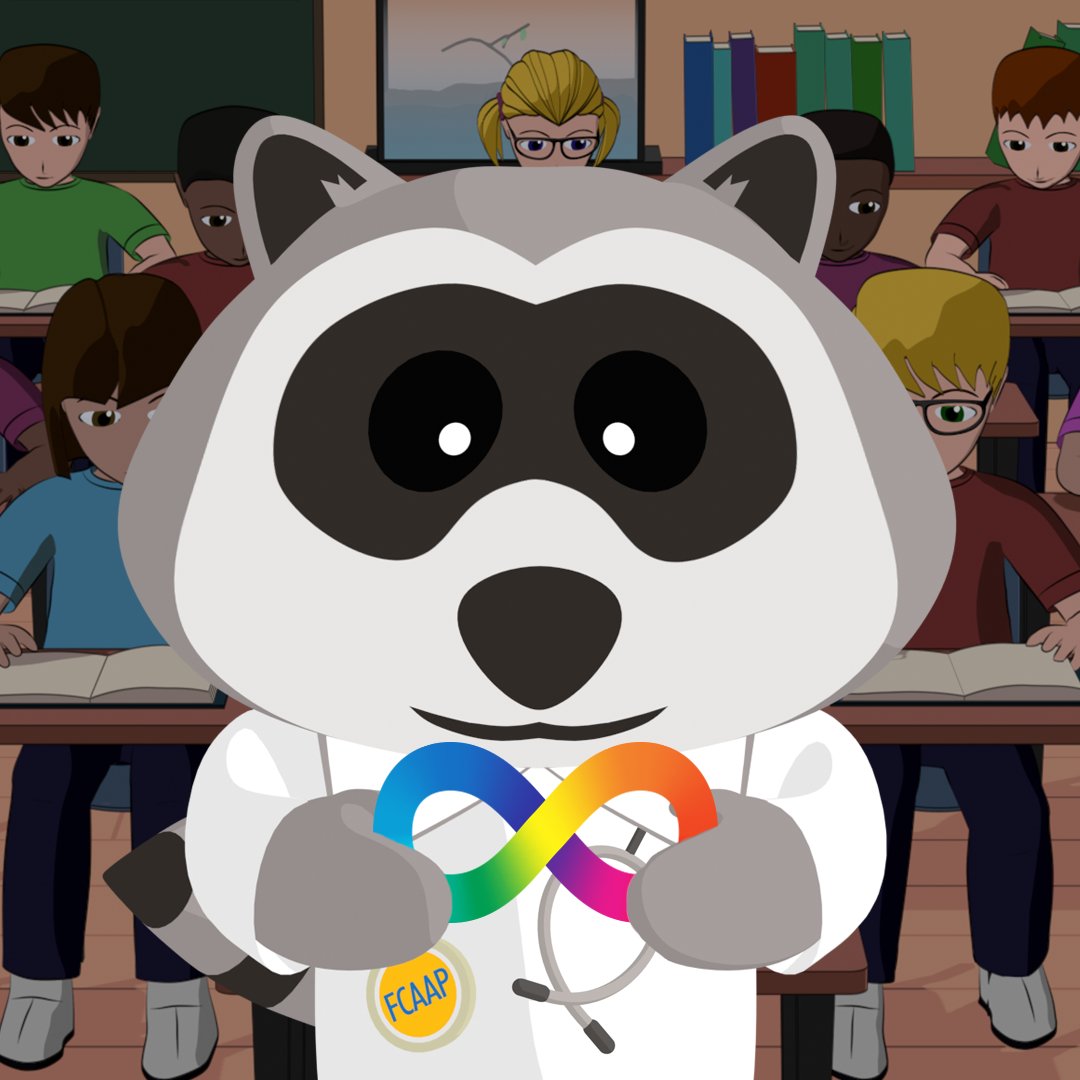
April is Autism Acceptance and Awareness Month. Here’s what you need to know and easy ways you can help your community get involved in celebrating neurodiversity. https://t.co/DPcr5CW4eo
What a #MagicalMatch Day for the @USFHealthMed students of the Class of 2025! I am so proud of all that you have achieved – it was wonderful to see you finish this journey and find out where you will do your residency training! https://t.co/66M1Fi6P9O #match2025
The "BRR" months are here! It's time to keep kids safe and warm in their car seats. Blankets are a good alternative to a heavy, puffy coat, which can cause the car seat harness to not fit snugly. For more information: https://t.co/BxZ11vNx8i
#DriveSafe#Winter#DrivingTips
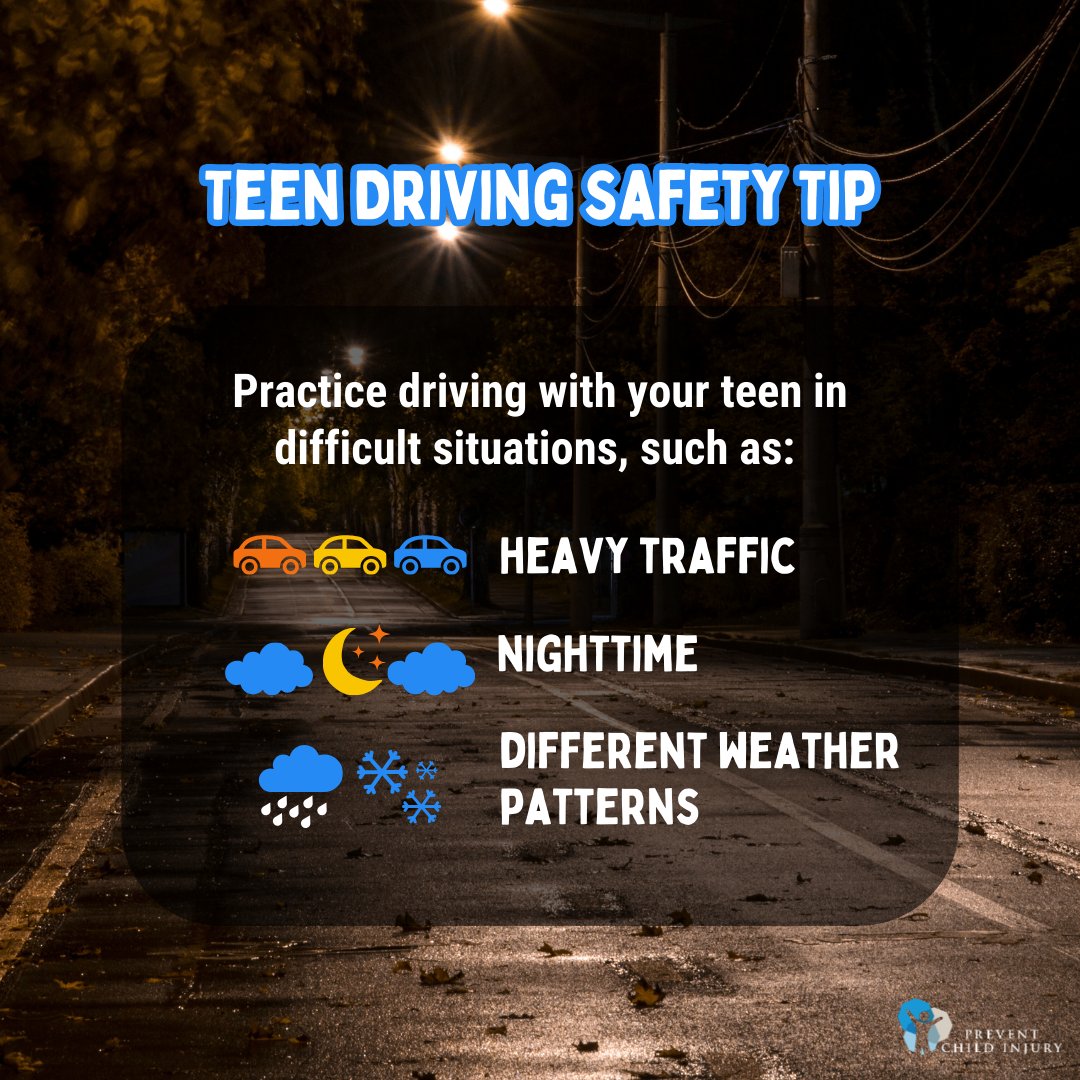
A8: Practice makes perfect! Set teens up for success by practicing driving in difficult situations before they’re on their own.
Practice with your teen:
🚦 In heavy traffic
🌃 At nighttime
⛈️ In different weather conditions (rain, snow, etc.)
#RulesForTheRoad
A6. Teens with neurodiversity or physical disabilities can still be safe drivers, but they may need help. Certified driving rehabilitation specialists (CDRS) can help navigate these challenges. You can find one here: https://t.co/IID0keZPWG
#RulesForTheRoad