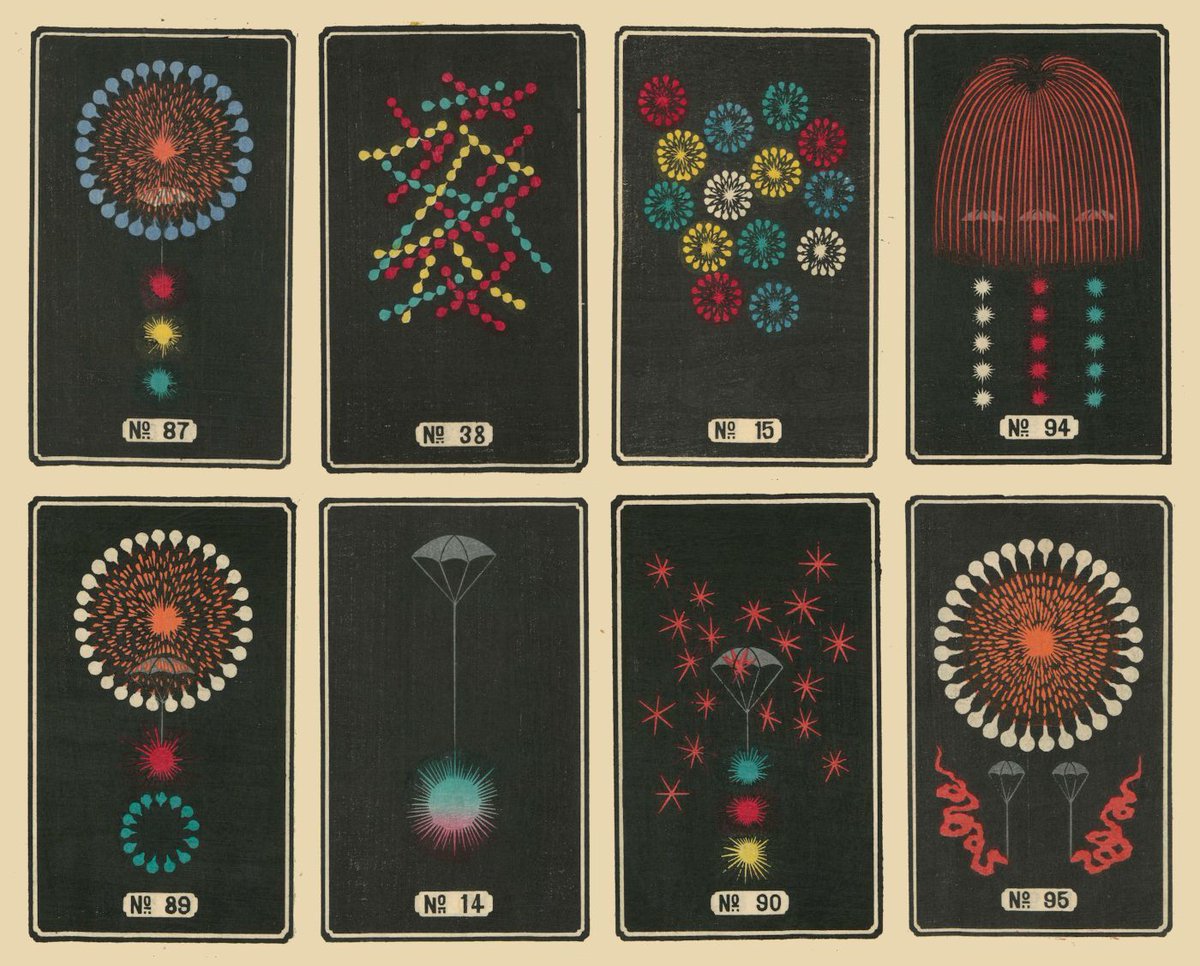
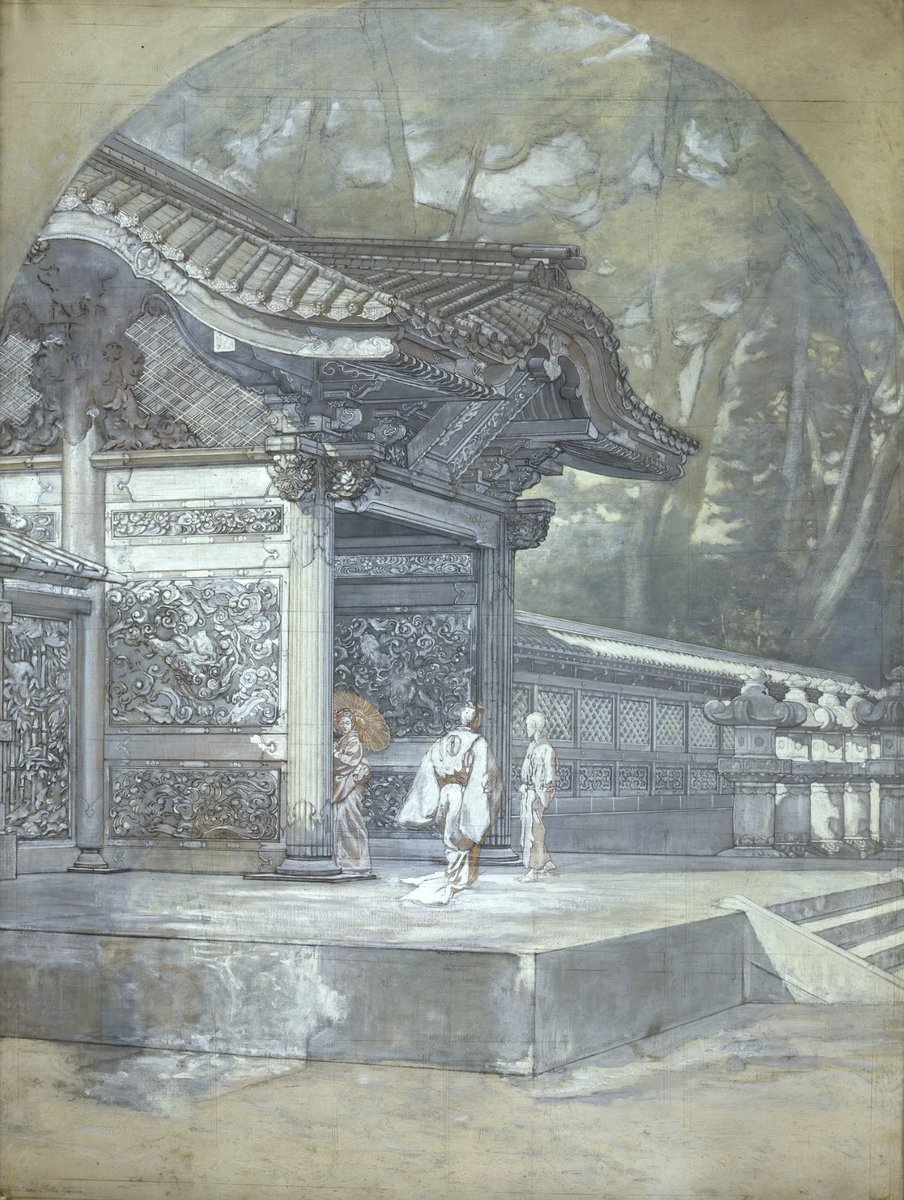
Illustrations from Japanese fireworks catalogues (ca. 1880s) — https://t.co/VPbGvAEb2t
#Fireworks appeared in Japan sometime around 1600 and were called hanabi — a combination of the kanji “fire” and “flower”.
A petition named "Don't Kill The Disc" is gaining momentum to fight back against PlayStation's decision to end physical game production.
More details: https://t.co/Bm9jkCqwwp
“Steeped in history and jaw-dropping opulence” – Fort Worth Magazine ✨
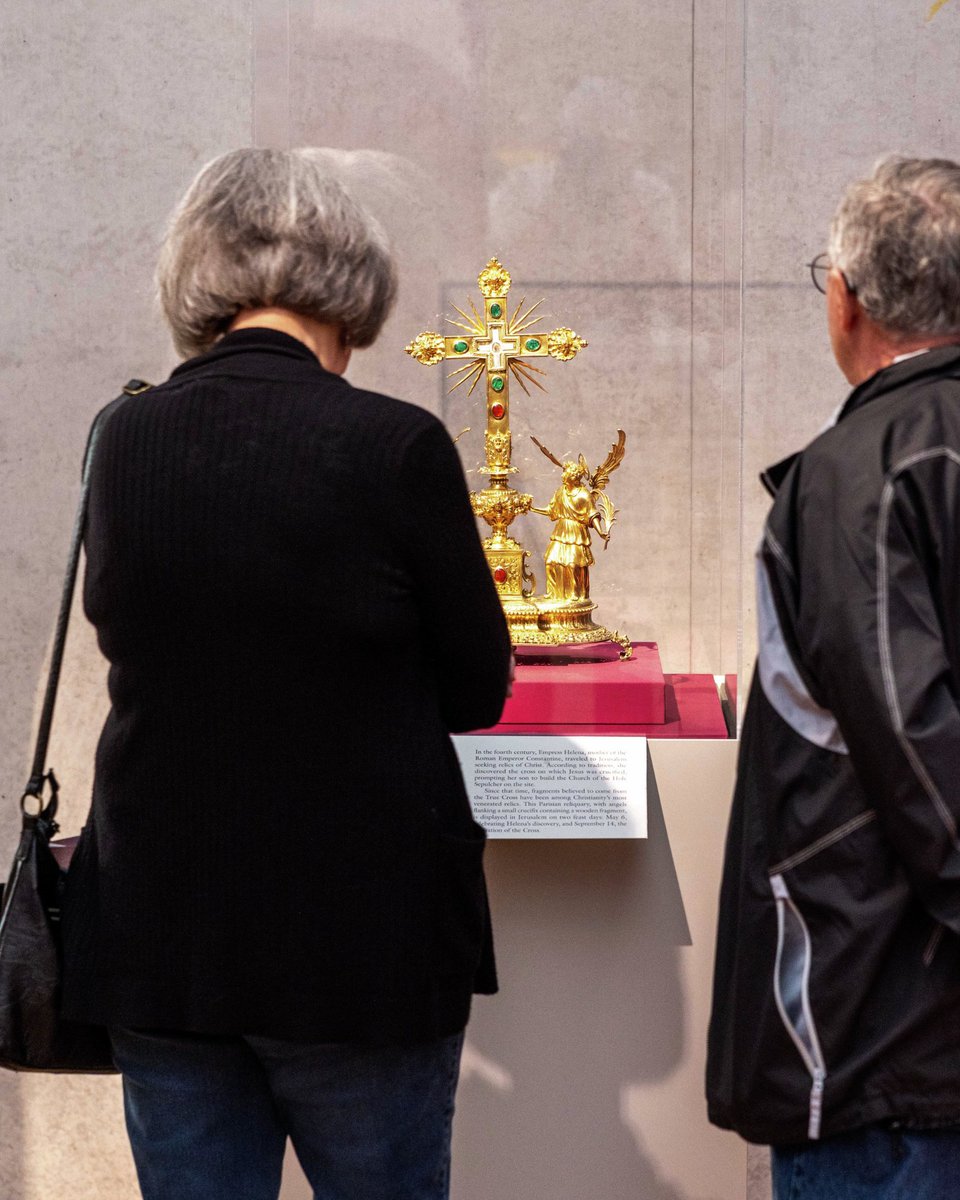
10 days remain to experience more than 60 masterpieces on view in “The Holy Sepulcher: Treasures from the Terra Sancta Museum, Jerusalem.”
Plan your visit: https://t.co/qiifD5uk8f
If you can’t hold it, YOU DON’T OWN IT. In the future we wont own anything, it will all be digital assets. So if your done with a game, album or movie, too bad. You can’t resell it or trade it. And if they happen to come up with a way to trade your online assets, they will find ways to FEE the crap out of you.
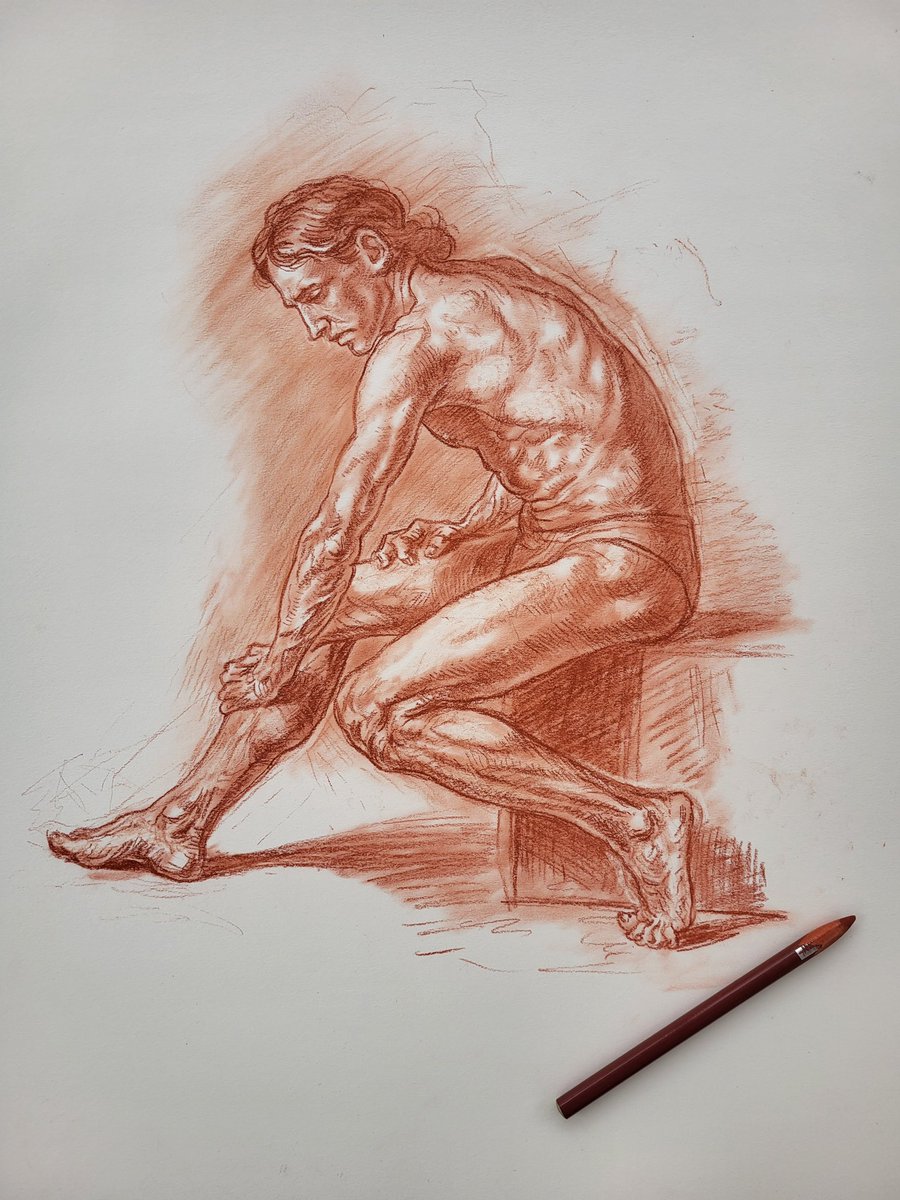
I made a site for artists to get museum-level references since Pinterest has been a bit frustrating lately.
Open forever.
Free forever.
No AI images ever.
https://t.co/xaA9w82BBN
The first Koban individual from Tlia, Georgia, was buried in what some archaeologists consider one of the ancestral centers of the Koban culture. The adult male was interred in a stone-lined grave, placed on his right side in a tightly flexed position with his head facing north.
The burial was exceptionally rich. Grave goods included a bronze ring, a finely decorated bronze axe with a hammer head, and a bronze vessel containing traces of barley-based funerary food. The deceased wore a twisted bronze torc around his neck, accompanied by twenty-four carnelian beads, an iron finger ring, and a wide bronze belt with an ornate buckle. A decorated bronze fibula was found on the left shoulder.
The man was also buried with weapons, including an iron-bladed akinakes with a bronze hilt and a small iron knife. Additional items included bronze plaques, a whetstone fragment, and a bronze-wrapped ceremonial staff approximately 120 cm long, decorated with punched patterns. The wealth and craftsmanship of the grave goods suggest the individual held a high social status within Tlia Koban society.
The second Koban individual was found at the Upper Rutkha burial ground in the Digor Gorge of the Urukh River basin in Ossetia. Discovered and largely looted in the late 19th century, the site yielded numerous artifacts that were subsequently distributed among the collections of museums around the world. It represents one of the earliest variants of the Koban culture, variously referred to as the Central Koban or Digor culture. The site contains a variety of burial structures dating from the Late Bronze Age to the Early Iron Age, including cremation burials, along with numerous and diverse grave goods. It is particularly rich in finely crafted bronze artifacts, including weapons (swords, daggers, and spearheads), ornaments (fibulae and plaques), belts, and pottery.
The existence of body painting among the Koban culture is supported by the discovery of clay and bone pintaderas (stamps) at archaeological sites in the Central Caucasus. These stamps, decorated with designs such as crosses, concentric circles, and spirals, were likely used to apply patterns to various surfaces, including the human body. Thus, pintaderas were apparently the tools with which ancient Caucasian peoples applied patterns to various objects, as well as to the face and body.
The third Koban individual was from the Nesterovsky site in Ingushetia. The Nesterovsky burial ground is one of the type-sites of the eastern variant of the Koban culture, was discovered and partially damaged in 1938. The Eastern Koban variant developed from the main Central Koban tradition through interactions with the Kayakent-Kharachoy culture, the latter likely representing a Northeast Caucasian-speaking population, possibly Nakh. Regarding the Nesterovsky burial ground in particular, E. I. Krupnov noted the presence of mixed Koban and Scythian elements.
Koban ceramics and metal artifacts have been discovered in Scythian burials, while Scythian-style akinakai and a masterpiece of the Koban variant of the Scythian animal style - sword chapes depicting an elk - have likewise been found in Koban graves. Metallographic studies have shown that, after adopting the akinakes from the Scythians, Koban craftsmen quickly learned to manufacture such weapons themselves, employing even more advanced production techniques.
The Scythians left a significant imprint on Koban culture, while the local Koban population also influenced Scythian cultural development - as seen in Kobanian ceramics and metal objects found in Scythian burials. The initial contact was likely military in nature and probably involved armed conflict, although clear archaeological evidence of such clashes has not yet been identified.
Aside from the Scythians, the Koban population maintained contacts with the tribes of the Colchian cultural-historical sphere to the south, including tribes inhabiting the territory of modern Svaneti, through passes like Donguzorun/Babis mta and Becho, while also participating, alongside the Scytho-Cimmerians, in campaigns against the Kingdom of Urartu.
The fourth Koban individual comes from a burial at Gaston Uota in the Digor Gorge of Ossetia. The site shows evidence of scalping carried out in the conventional manner, involving full-scale incisions across the entire hair-covered area. The Iron Age Caucasus shows evidence of headhunting and a head cult. The Chechen and Ingush goddess Tusholi, worshipped in the form of a fearsome mask, may reflect a connection to this custom.