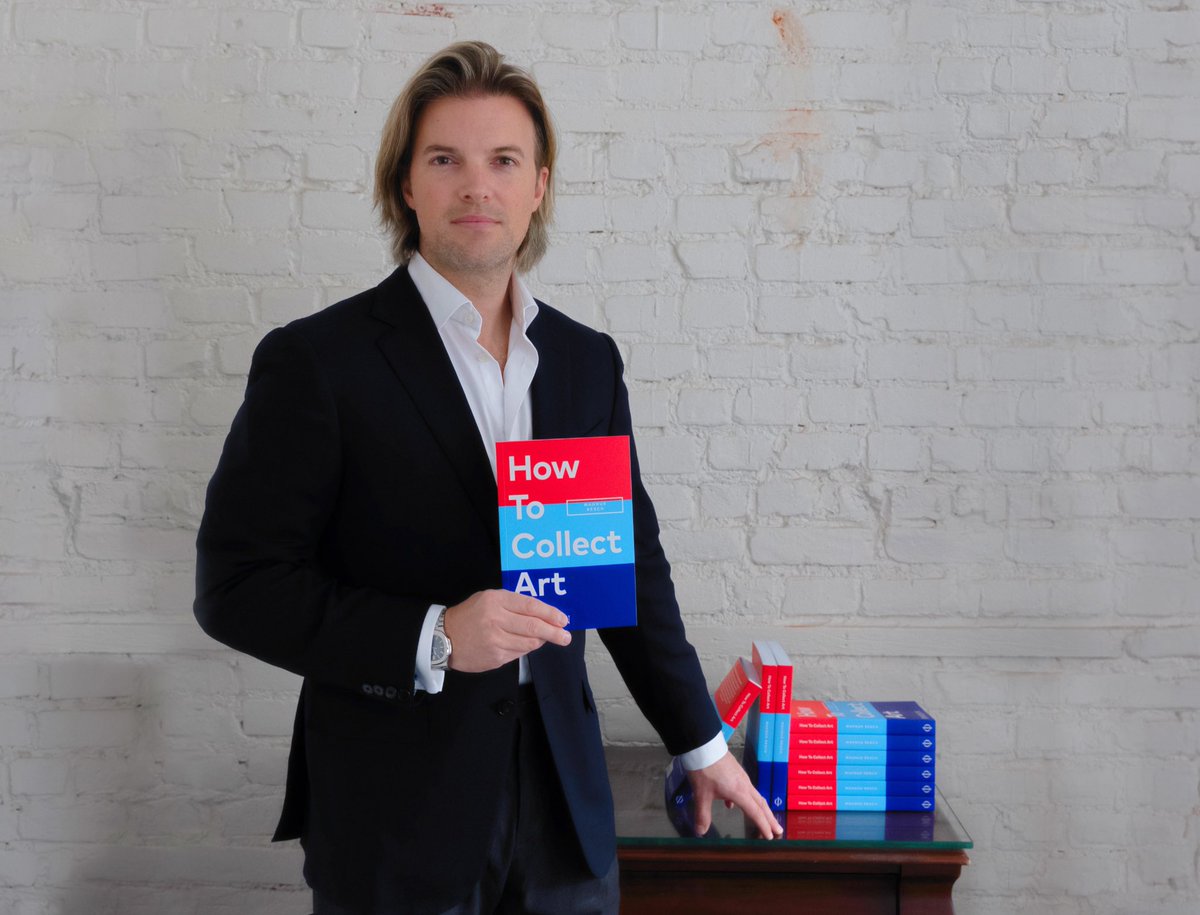
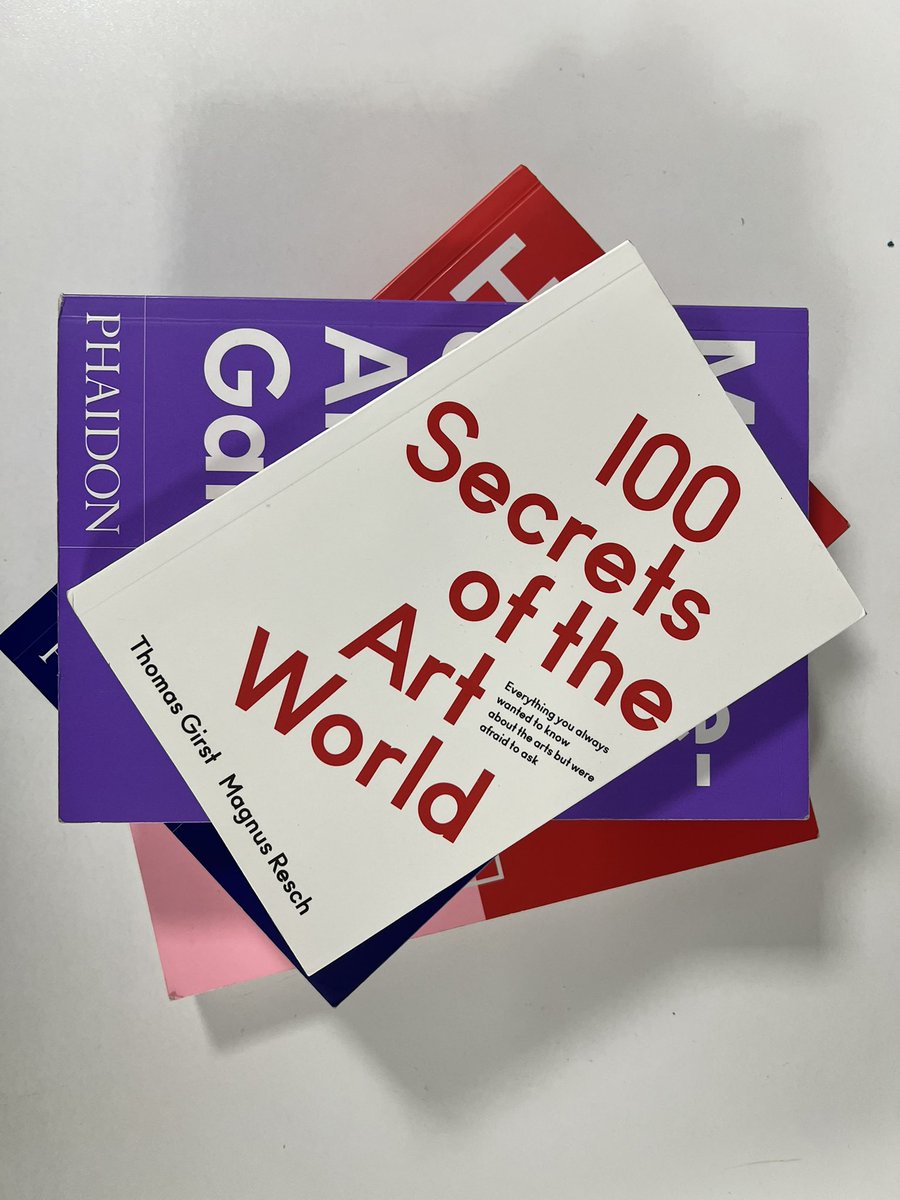
‘Magnus, what art should I buy? Where do I start?’ These questions come my way nearly every day. In response, I've compiled my answers into my latest book, HOW TO COLLECT ART. I have poured 20 years of art world experience into this to answer one simple question: what's the smartest way to collect art?
Early reviewers have dubbed HOW TO COLLECT ART "an essential handbook" (@CNN) and the "definitive guide to the art market and collecting in the 21st century" (@papermagazine). I firmly believe that anyone considering buying art should explore this book. It also includes advice from the world’s leading art market experts. Think about HOW TO COLLECT ART as art advisor in your pocket. It’s available now.
https://t.co/YvVqcZQkkk
@ArtOnBlockchain@charliejarvisny@jaclynlavy@pablorfraile@andreabonac@kukulabanze@proof_xyz@eli_schein@simcosclub@DeeZe@justinaversano@kennyschac
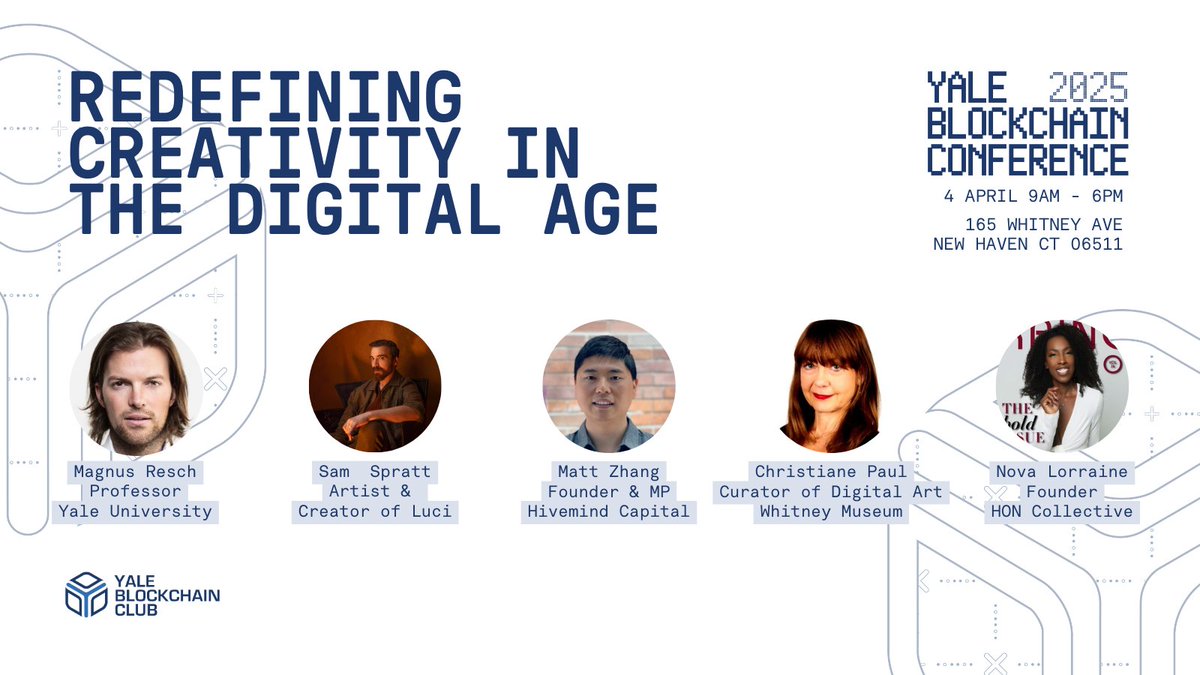
🖼️Redefining Creativity in the Digital Age – The future of creativity is here!
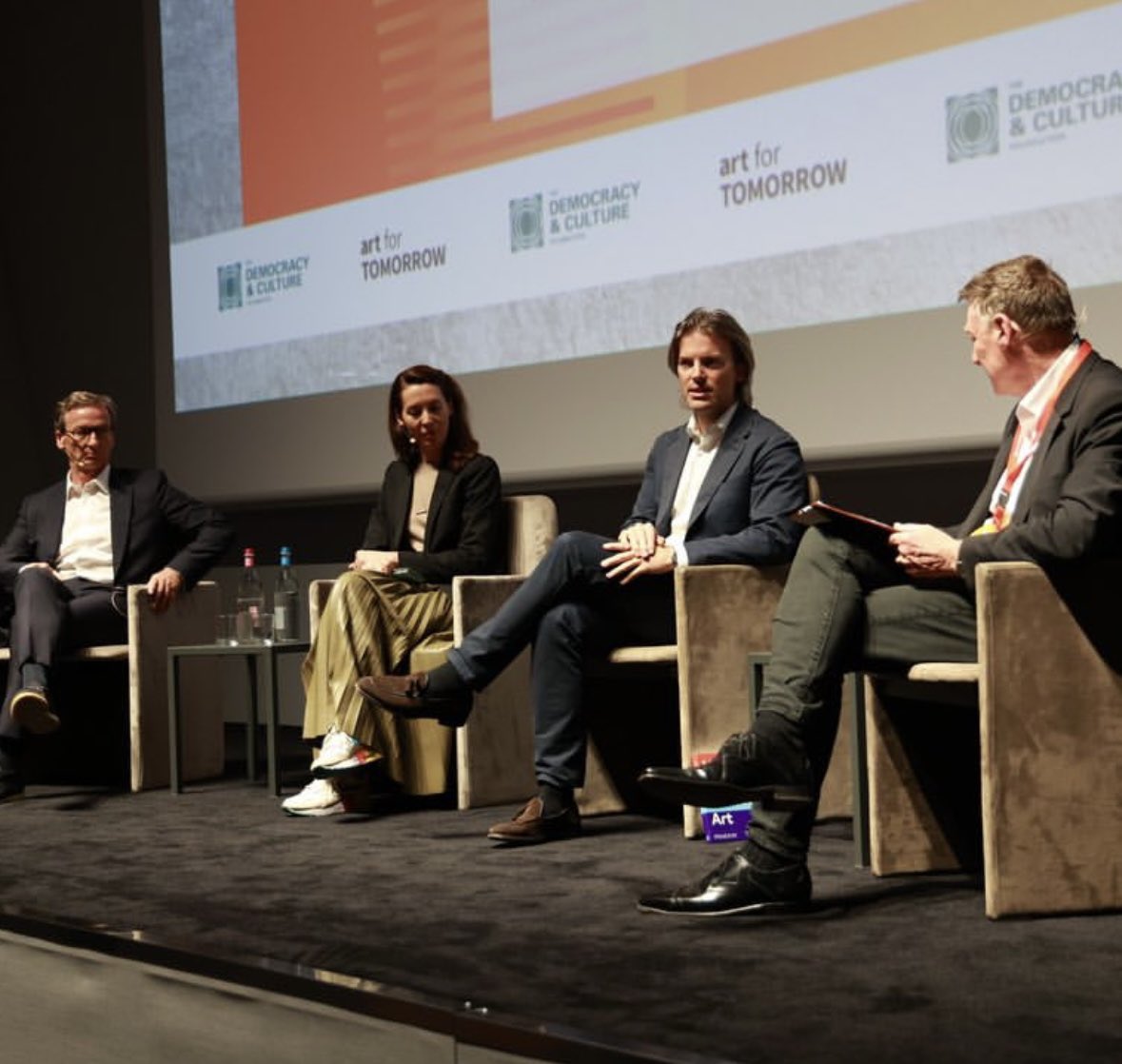
Join us at the Yale Blockchain Conference for an exclusive panel on how blockchain, digital art, and fashion are converging to shape the next creative era:
Magnus Resch, PhD (@MagnusResch) – Considered as one of the world's leading art market experts. He teaches art management at Yale SOM.
Sam Spratt (@SamSpratt) – Renowned digital artist, creator of the Lucid series, shaping the new era of art through blockchain and community-driven storytelling.
Matt Zhang (@zhang_matt) – Founder & Managing Partner of @HivemindCap, investing in the evolution of digital assets across venture, token trading, and digital art.
Christiane Paul (@ChristianePaul2) – Curator of Digital Art at the @whitneymuseum, leading the discourse on tech-driven creativity.
Nova Lorraine (@NovaLorraine) – Award-winning futurist and fashion designer, pioneering digital couture and mindful luxury
Don’t miss this inspiring discussion on the fusion of technology, art, and fashion! https://t.co/1O5tMfoRYB
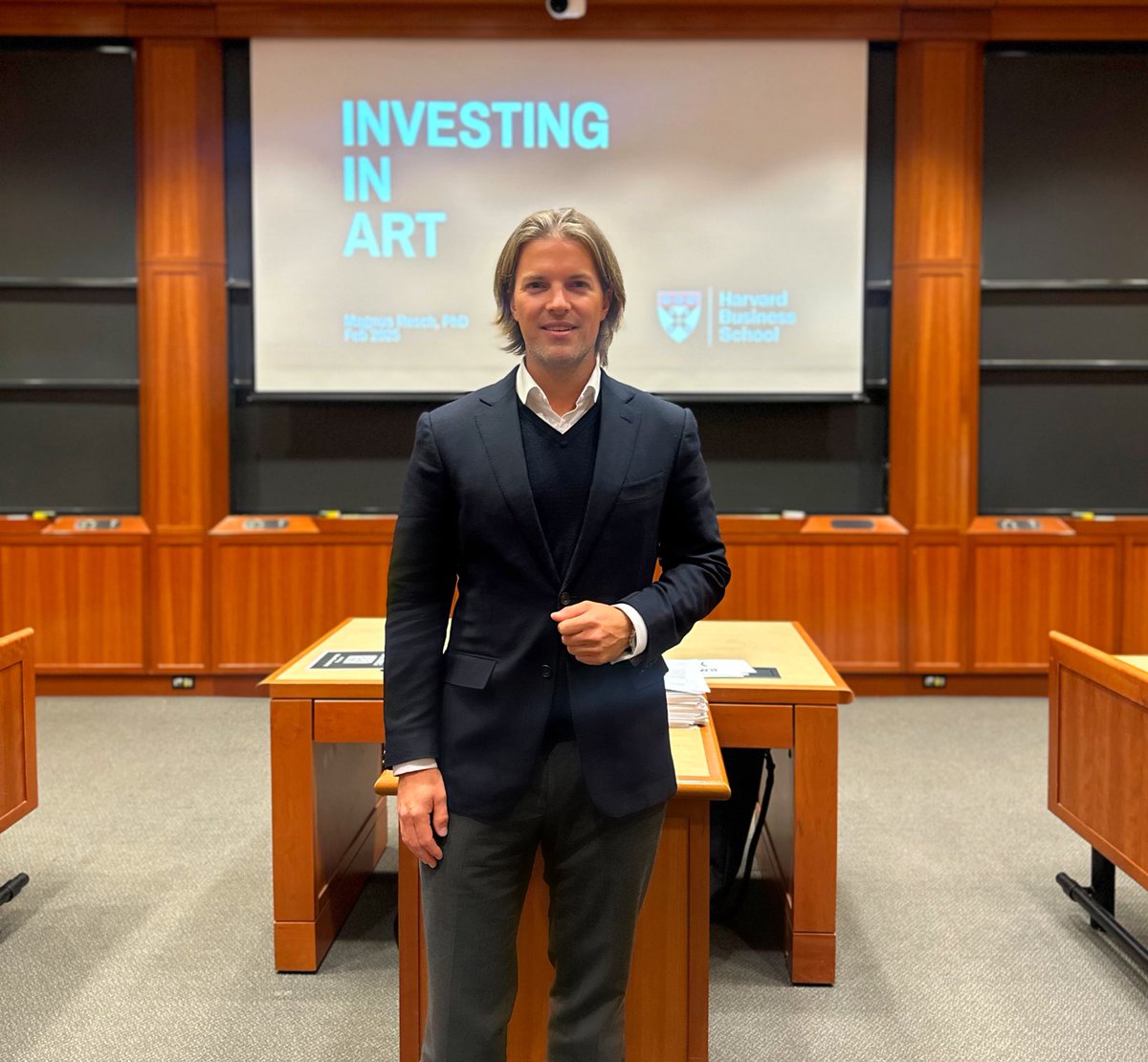
Excited to teach my @HarvardHBS case on art market transparency! Solving fraud, lack of buyers, high transaction costs & illiquidity is key. AI, NFTs & blockchain will drive growth, making the market 3x bigger. New buyers & smarter tools will shape a more open, accessible future.
Wrote this op-ed for @RobbReport. I explore how the $73T generational wealth transfer will reshape the art market-amid an art surplus, shrinking buyer pools & shifting tastes. But collecting isn’t just about returns-it’s about connection, support, meaning. https://t.co/239Mq42aXg
‘Magnus, what art should I buy? Where do I start?’ These questions come my way nearly every day. In response, I've compiled my answers into my latest book, HOW TO COLLECT ART. I have poured 20 years of art world experience into this to answer one simple question: what's the smartest way to collect art?
Early reviewers have dubbed HOW TO COLLECT ART "an essential handbook" (@CNN) and the "definitive guide to the art market and collecting in the 21st century" (@papermagazine). I firmly believe that anyone considering buying art should explore this book. It also includes advice from the world’s leading art market experts. Think about HOW TO COLLECT ART as art advisor in your pocket. It’s available now.
https://t.co/YvVqcZQkkk
@ArtOnBlockchain@charliejarvisny@jaclynlavy@pablorfraile@andreabonac@kukulabanze@proof_xyz@eli_schein@simcosclub@DeeZe@justinaversano@kennyschac
https://t.co/ENDdPQGqGw
The price of an artwork isn’t based on its complexity or originality but on the artist’s network. Cattelan, backed by Gagosian and top museums, always sells in the millions. Sotheby’s marketing hype drove this price—it’s never just about the work itself.
I wrote this op-ed for @artnews about how @friezeofficial and @ArtBasel are strangling galleries. While I respect the brands their hard working teams have built, I believe they are currently doing more harm than good for small and mid-size galleries.
https://t.co/Z2b8IJdXvl
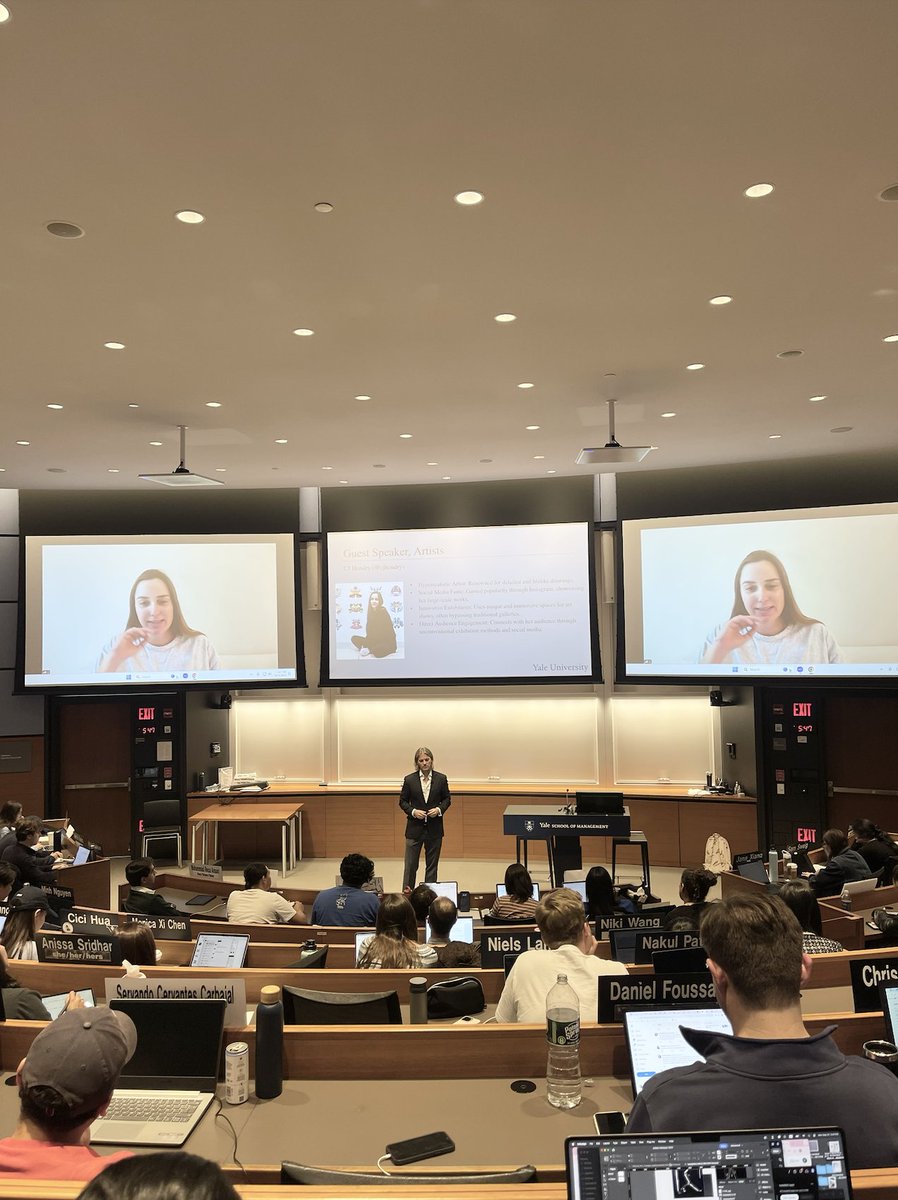
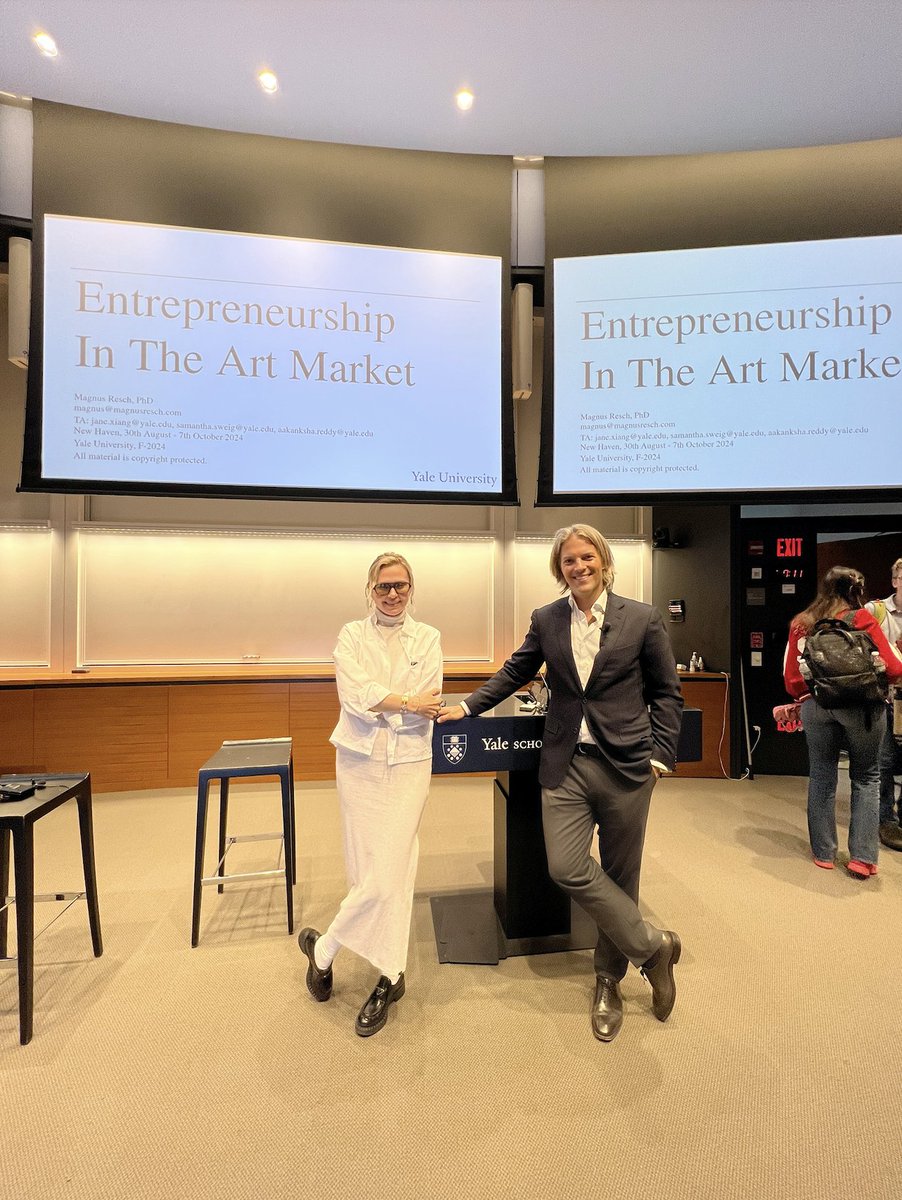
In his class Entrepreneurship in the Art Market, Prof. @MagnusResch explores the shifting role of art world gatekeepers as more artists go independent.
Magnus invites leading #art experts like Marc Glimcher, Max Teicher, and CJ Hendry to chat with students about the industry.
Vaulted by PROOF: Who’s in Control of the Art Market?
With the rise of Artist Managers and blockchain-enabled provenance, the traditional gallery model is breaking.
@MagnusResch and @pablorfraile share their perspectives on how markets will evolve as the power shifts from galleries to artists:
00:00 - Intro
02:48 - Picks of the Week
08:19 - Power Shifts
17:07 - Crossing the Chasm
24:23 - What’s in Your Vault
For years, tech platforms have been pining to disrupt the art market with A.I. or blockchain or a jazzy new platform. Puck’s Marion Maneker (@artmarket) offers a low-fi tech solution, developed during a chat with Yale professor @MagnusResch https://t.co/CvUTKmG2Of
While traveling through Europe, I spoke with several gallerists. It appears that European galleries are struggling severely. Based on my conversations: Alpha galleries' revenue down 20%, Beta galleries by 50%, the rest by 70%. This aligns with auction houses, which are down 30%.
In my latest for @TheSpectator we look at a question that I'm often asked: how do I build an #art collection? Art market expert @MagnusResch and I discuss and debate some ideas (and hard data) from his excellent new book on this very subject.
https://t.co/EU983XYGOP
Spoke to the @nytimes while @ArtBasel about the current state of the art market: "The mega-galleries won’t be hit so hard by what’s happening. The avenue of the stars is always crowded." https://t.co/HtOVa9jzWW
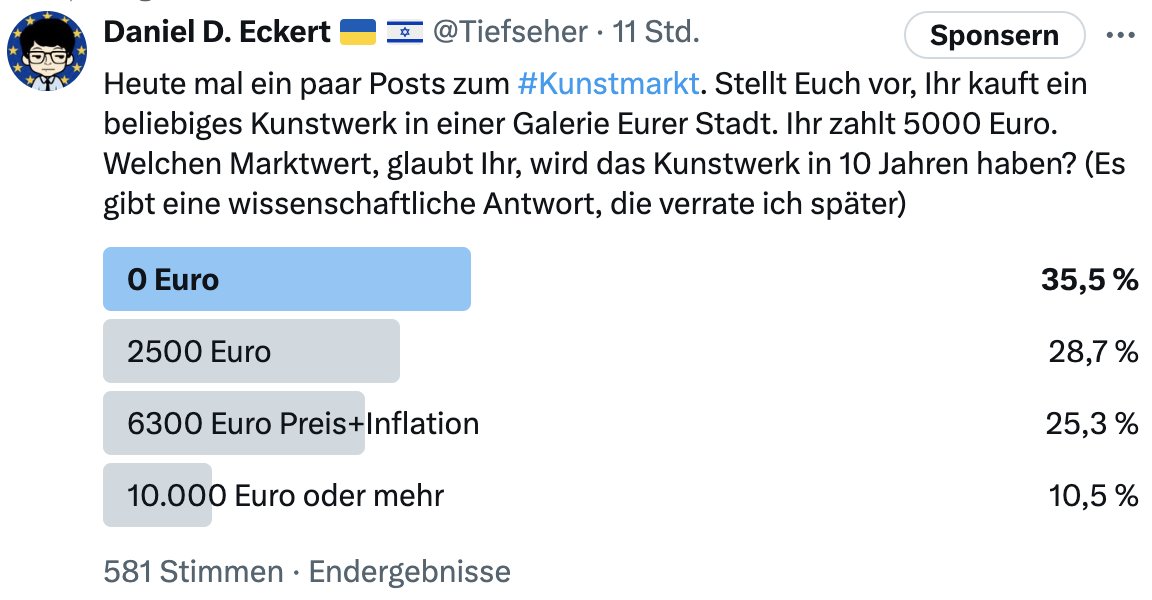
Viele @Tiefseher-Follower schätzen es richtig ein: Wenn ich ein beliebiges Kunstwerk in der Galerie kaufe, ist es am wahrscheinlichsten, dass der Marktwert des Œuvres in 10 Jahren 0 sein wird. Für 99% aller Werke gibt es keinen Markt. Quelle: SMART KUNST KAUFEN by @MagnusResch
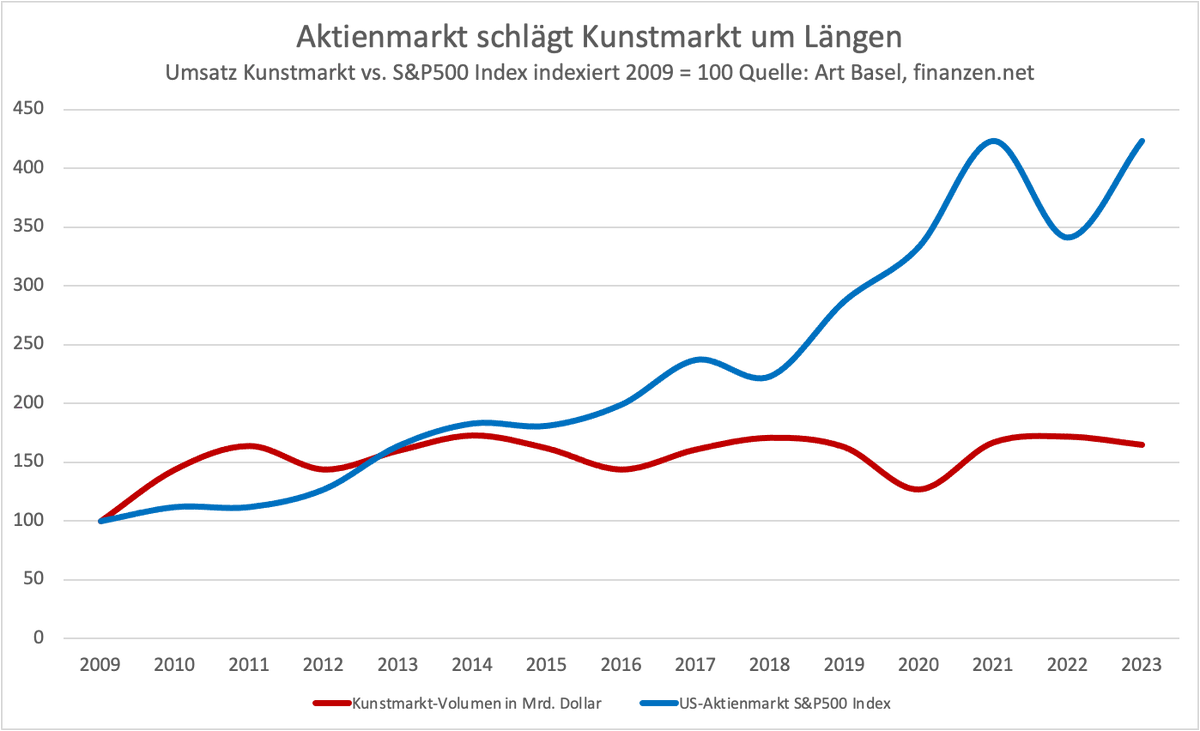
Auch ich lese immer von "neuen" Auktionsrekorden und Kunstwerken, die sich im Preis vervielfacht haben. Doch die Realität in der Breite des Kunstmarkts scheint eine andere zu sein: Jedenfalls waren die Gesamtumsätze 2023 mit rund 65 Mrd. Dollar kaum höher als 2011 cc @MagnusResch