What is unfolding in Iran is a clash between a state that treats isolation and sacrifice as strategic virtues, and a society no longer willing to bear the economic and human cost of the Islamic Republic’s ideological and regional ambitions.
https://t.co/6srTZn8Y9g
Turkey has stepped in to take control of shareholder rights at a bank accused by Washington of helping Tehran turn oil revenues into cash and gold: the latest chapter in a decades-long story linking Turkish banking, US sanctions and Iranian money.
https://t.co/hPNXNqRBk5
A bank owned by the Iranian state is still open in London, operating on a temporary permission from the British Treasury that expires on October 22. Renewing it, or letting it lapse, is Britain's answer to Washington's campaign to shut Iran's banks for good.
https://t.co/0zJu9UlMQg
This is a malicious, out-of-context misrepresentation of an anti-war educational report. Anyone who watches the full package, rather than relying on selectively cropped screenshots, can see the reality.
The report was published on May 4, 2025, during a period of heightened military tensions between India and Pakistan and renewed Russian nuclear rhetoric over Ukraine. Its explicit purpose was to examine the catastrophic global risks of nuclear escalation between established nuclear-armed states. It had nothing to do with Iran’s military conflicts or any proposed military strikes on Iranian soil.
The presenter explicitly stated on air that Tehran was selected purely as a familiar geographic reference point so an Iranian audience could grasp the abstract scale of nuclear blast radiuses and distances, much like how global educational tools such as NUKEMAP (https://t.co/7vS2qQoSg8) overlay detonations on cities like New York, London, or Paris. The presenter even followed the graphic with a direct disclaimer emphasizing that Tehran fortunately faced no such threat.
Far from normalizing violence, the entire piece is an uncompromising warning against the horror of nuclear conflict, detailing blast effects, mass casualties, nuclear winter, and worldwide starvation, before closing with Nikita Khrushchev’s warning that the living would envy the dead.
Weaponizing muted screenshots from an anti-war broadcast about Indo-Pakistani tensions to claim Iran International is normalizing the bombing of an Iranian city is textbook bad faith and deliberate defamation.
Watch the actual report in its full context here:
https://t.co/wMCaWgbuam
An image from this segment of Titr-e Aval has been circulating in recent days alongside a completely false and distorted narrative.
On 24 April 2025, at the height of tensions between India and Pakistan, part of our program focused on nuclear war and its catastrophic consequences. To help an Iranian audience understand the real scale of a nuclear explosion and the extent of its effects, we used a hypothetical scenario to show what area would be affected if a bomb with an explosive yield comparable to the atomic bomb dropped on Hiroshima were detonated in a city such as Tehran.
I explicitly explained this in the program at the time: the purpose of showing this hypothetical scenario was solely to make the scale and magnitude of such a catastrophe easier to understand — so that the audience could grasp what kind of destruction we are talking about when we refer to a “nuclear explosion.”
This method of illustrating the scale of a nuclear explosion is neither unusual nor unique to our program. Publicly available tools such as NUKEMAP allow users to model hypothetical nuclear detonations over cities around the world and visualize the estimated scale and range of their effects.
The program was not about an “attack on Iran,” nor was it predicting or advocating one. Quite the opposite: the entire discussion was about the horrific and catastrophic consequences of nuclear war.
Taking a single screenshot, deliberately removing all of this context, and constructing an entirely different narrative around it is no longer a “misunderstanding.” It is a deliberate distortion of the content and an attempt to exploit it in order to smear and discredit.
The full program is available. Anyone who genuinely wants to know what was actually said can watch it — rather than rely on a disgraceful narrative manufactured from a cropped image.
مهم: تصویری از این بخش از برنامه تیتراول این روزها با روایتی کاملا دروغین و تحریفشده دستبهدست میشود.
۴ اردیبهشت ۱۴۰۴، در اوج تنش میان هند و پاکستان، بخشی از برنامه ما درباره جنگ هستهای و تبعات فاجعهبار آن بود. برای اینکه مخاطب ایرانی بتواند مقیاس واقعی یک انفجار هستهای و گستره آثار آن را درک کند، به صورت فرضی نشان دادیم اگر انفجار هستهای هیروشیما در ابعادشهری مانند تهران رخ میداد، چه محدودهای را تحت تأثیر قرار میداد.
این نکته را همان زمان در خود برنامه صراحت توضیح دادم: نمایش این سناریو صرفاً برای قابلفهم کردن ابعاد و مقیاس فاجعه بود؛ اینکه مخاطب بداند وقتی از «انفجار هستهای» حرف میزنیم، درباره چه گسترهای از ویرانی صحبت میکنیم.
ضمن اینکه این شیوه برای توضیح مقیاس یک انفجار هستهای نه عجیب است و نه مختص این برنامه. ابزارهای عمومیای مثل NUKEMAP وجود دارند که دقیقاً با قرار دادن سناریوهای فرضی روی شهرهای مختلف جهان، ابعاد و گستره آثار یک انفجار هستهای را برای مخاطب قابلتصور میکنند.
موضوع برنامه نه «حمله به ایران» بود، نه پیشبینی آن و نه حمایت از آن؛ درست برعکس، تمام بحث درباره تبعات هولناک و فاجعهبار جنگ هستهای بود.
برداشتن یک اسکرینشات، حذف عامدانه تمام این توضیحات و ساختن روایتی کاملاً متفاوت از آن، دیگر «سوءبرداشت» نیست؛ تحریف آگاهانه محتوا و سوءاستفاده از آن برای تخریب و بدنامکردن است.
برنامه کامل موجود است. هرکس بخواهد بداند واقعاً چه گفته شده، میتواند آن را ببیند؛ نه روایتی شرمآور که از یک تصویر بریدهشده ساخته شده است
https://t.co/9zSyHsOFTt
Iran’s shadow banking network runs far deeper and wider than the network targeted by US sanctions last month, an Iran International investigation found, showing that Tehran used more than a dozen banks in China and the United Arab Emirates to access the global financial system.
The investigation identified 15 foreign-based banks that helped Iran conduct international transactions in recent years (8 were based in the UAE and
7 in China).
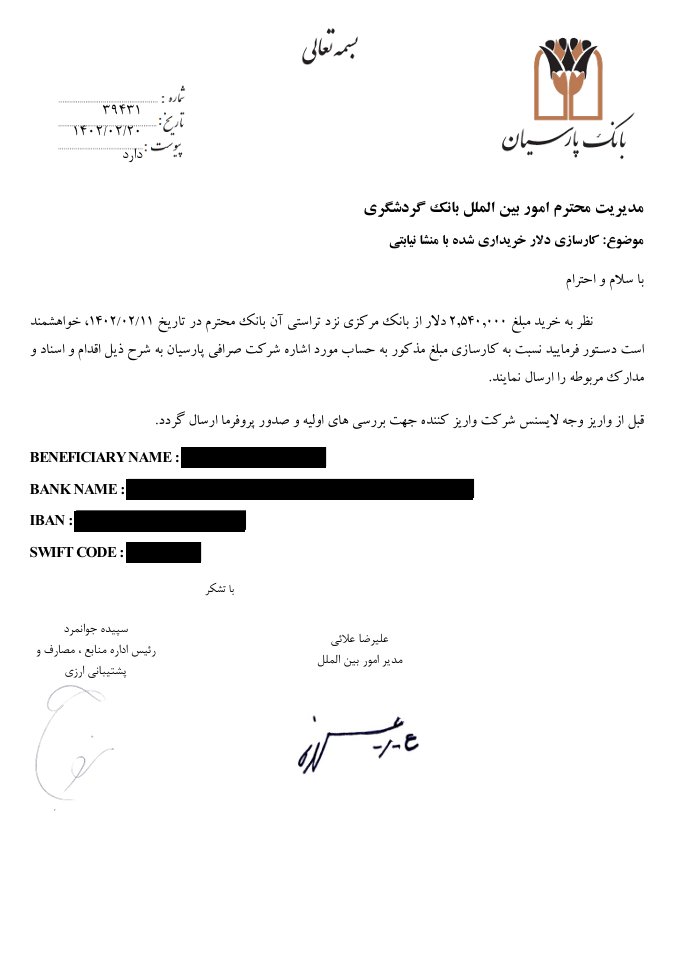
Iran International identified 33 instruction letters in the leaked documents that directed the movement of dirham, yuan and dollars, with a total value of roughly $36 million.
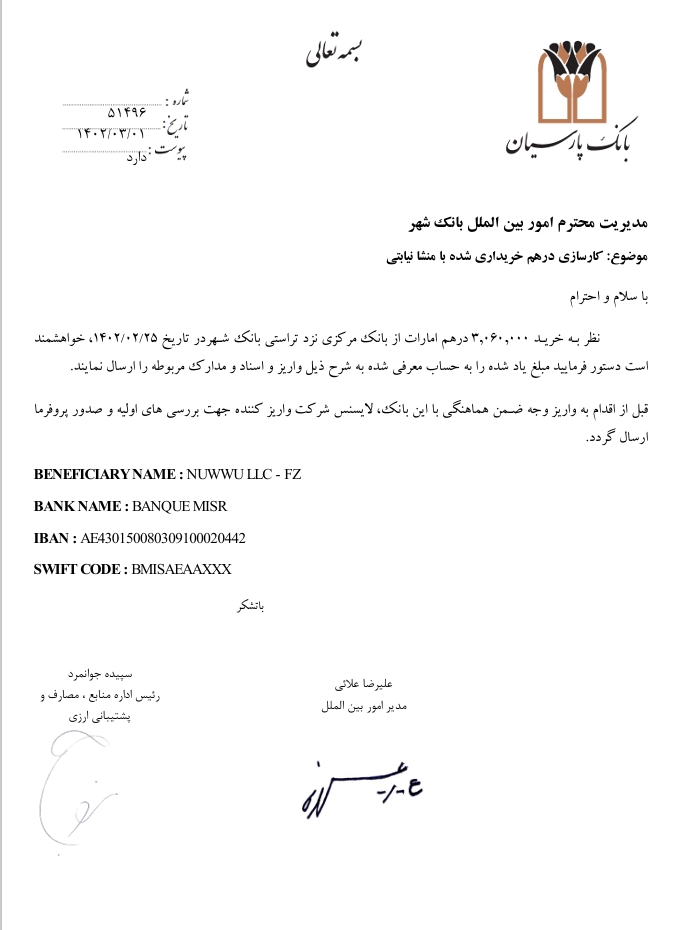
A Bank Parsian letter (attached) instructed Bank Shahr to transfer 3.06 million UAE dirhams from a trustee account to an account at Banque Misr.
Most of the beneficiary firms were general trading companies registered in Hong Kong and Singapore, where companies can be established relatively easily, while receiving banking services from mainland China.
https://t.co/jxWqjTDSmO
A major Tehran theater production has dropped a prominent actor after his support for Palestine triggered fierce backlash, exposing a rare reversal where a stance strongly backed by the Islamic Republic appears to have become a liability with the public.
Navid Mohammadzadeh, one of Iran’s most prominent film and theater actors, was removed Monday from the cast of the theater-orchestral production “Arash,” according to a statement from the production team.
The producers cited “multiple controversies,” unspecified personal problems and, unusually, “the lack of audience interest in him” as reasons for the decision, saying a replacement would be announced soon.
The wording was striking in a country where support for Palestine has been promoted for decades as a foundational political and ideological cause, while expressions of sympathy for Israel can carry legal consequences.
Continue reading the article on Iran International English.
https://t.co/KSo760QuLY
The US has opened a new front in its economic campaign against Iran by threatening to cut a major third-country bank out of the dollar system over alleged involvement in Tehran’s shadow-banking network.
https://t.co/g4BbH3Ne4T
خزانهداری آمریکا دسترسی شعبههای اماراتی بانک مصر به دلار را قطع میکند. کل ترازنامه این شعبهها ۶.۴ میلیارد دلار است؛ یعنی تراکنشهای مشکوک در دو سال و نیم معادل ۲۸ درصد کل ترازنامه بوده، نسبتی که خود فینسن آن را «بهشکل نگرانکنندهای بالا» خوانده است. این پنج شعبه بخشی از شخصیت حقوقی خود بانک مصرند: دومین بانک بزرگ مصر، صددرصد دولتی، با حدود ۸۵ میلیارد دلار دارایی و ۱۳ میلیون مشتری. آمریکا با این اقدام بخشی از یک بانک دولتی عربی و متحد خودش را «نگرانی درجهیک پولشویی» اعلام کرده است.
پای قاهره بیش از آنکه بنظر میرسد، در میان است: همین شعبهها ۱.۳ میلیارد درهم به بانک مادر در قاهره و گروه آن تسهیلات و اعتبار دادهاند و یکی از مجراهای تامین مالی آن به شمار میروند. قطع دلار این مجرا را هم میبندد.
مطلب کامل در وبسایت ایراناینترنشنال:
https://t.co/IzoaU0JDMm
محمد ماشینچیان عضو تحریریه ایراناینترنشنال با اشاره به عملیات «طرد اقتصادی» آمریکا علیه جمهوریاسلامی گفت هدف واشینگتن در دور تازه فشارها دیگر صرفا تضعیف اقتصاد یا تحت فشار قرار دادن جمهوریاسلامی نیست، این بار آمریکا در پی کلید زدن فروپاشی اقتصادی است.
او افزود اسکات بسنت، وزیر خزانهداری آمریکا، تجربه گستردهای در «جنگ ارزی» دارد و بانک مرکزی جمهوریاسلامی در مقایسه با رقبایی که بسنت پیشتر با آنها مواجه بوده، از توان بسیار کمتری برخوردار است.
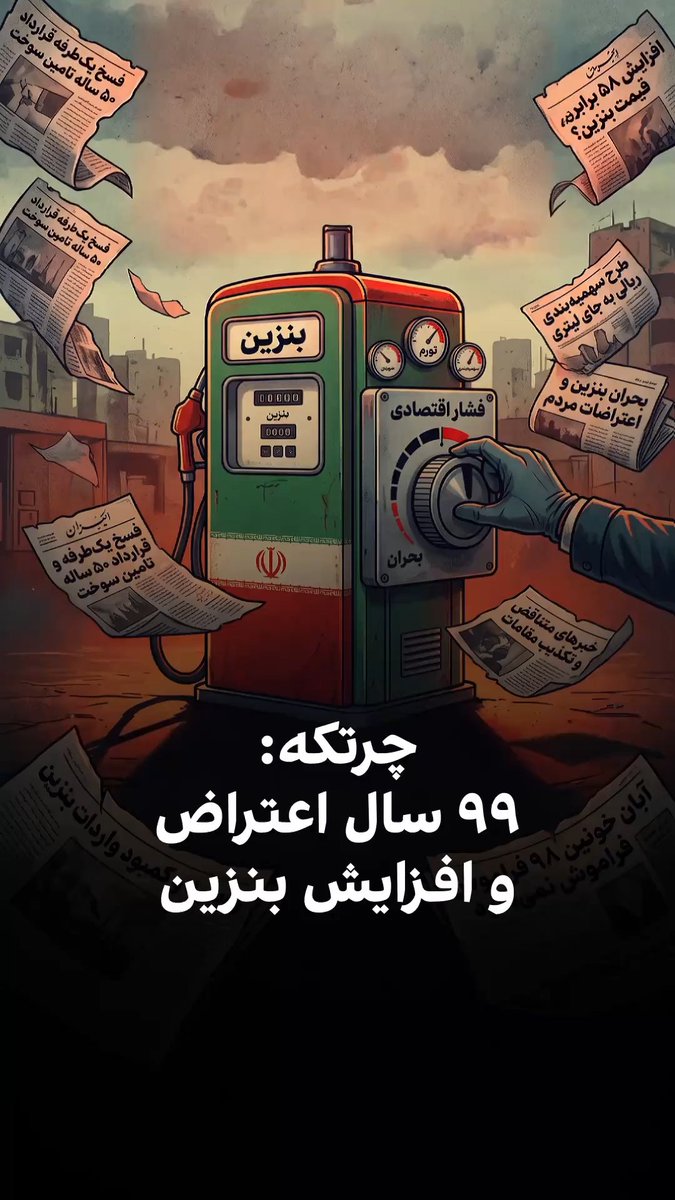
قیمت بنزین در ایران ۹۹ سال است که بهصورت دستوری تعیین میشود و تاریخ آن با اعتصاب، اعتراضهای خیابانی و حتی ترور یک نخستوزیر گره خورده است. اکنون جمهوریاسلامی در پی اجرای بزرگترین افزایش قیمت بنزین در این دوره است.در این قسمت از «چرتکه»، محمد ماشینچیان بررسی میکند جمهوریاسلامی برای اجرای این افزایش بیسابقه چه روشی در پیش گرفته است.
ویدئوی کامل چرتکه را در یوتوب ایراناینترنشنال تماشا کنید
https://t.co/sEnT02sHg6
Iranian crude loadings have fallen to about one-seventh of their pre-war level under the US naval blockade, while Chinese receipts of Iranian oil and fuel exports have also dropped sharply, tanker-tracking data reviewed by Iran International shows.
https://t.co/BJs4cXhrl3
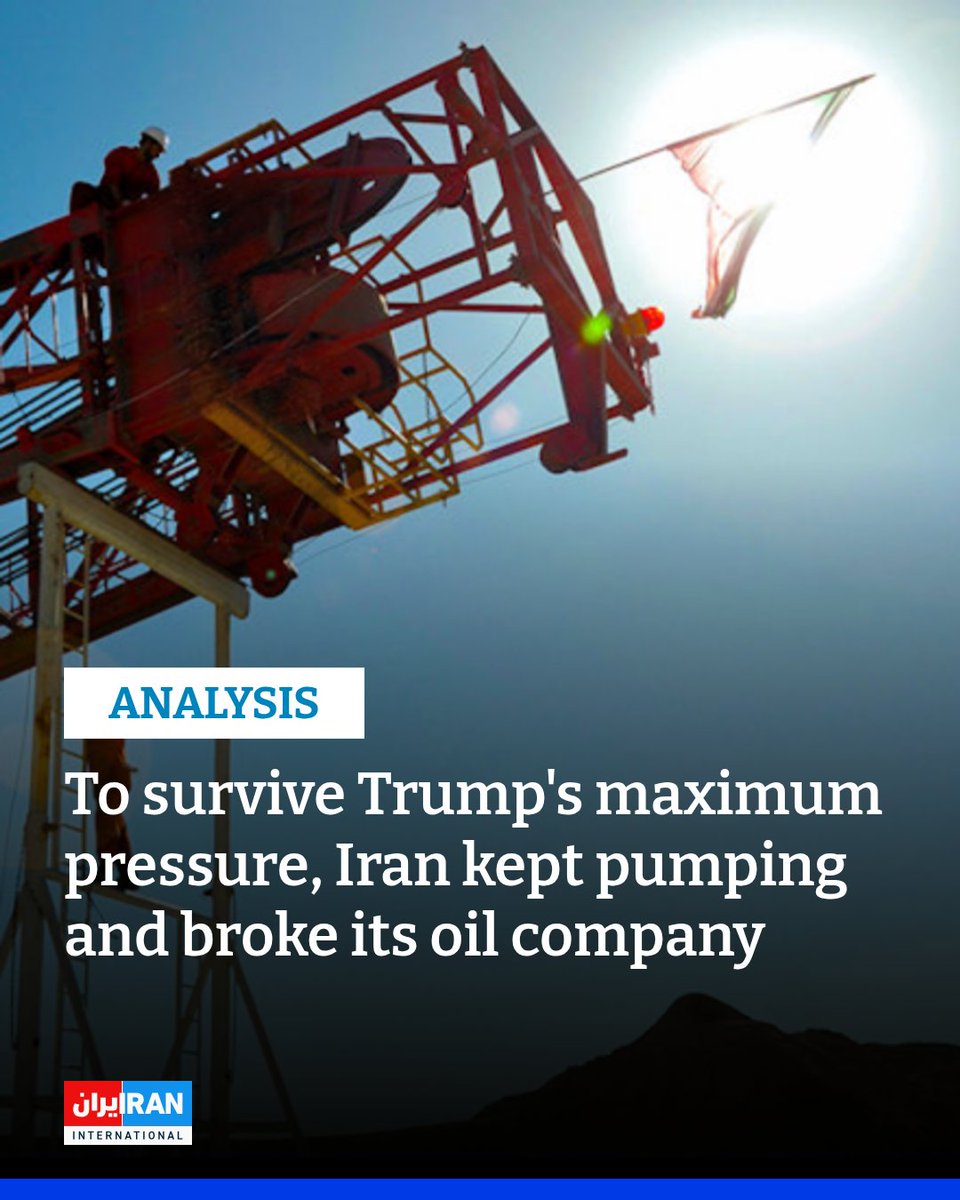
Donald Trump’s maximum pressure is usually scored by counting tankers and tracking the rial, but Iran’s budget points to a deeper cost: more than $80 billion in NIOC bank debt and sovereign-fund arrears, repeatedly deferred as Iranians shoulder the burden.
https://t.co/26sYjx9qrv
حسابهای شرکت ملی نفت بر سر ۱ میلیارد دلار بدهی مسدود شد؛ اما این فقط نوک کوه یخ بدهی این شرکت است. بدهی اصلی به بانک مرکزی و صندوق توسعه ملی است؛ یعنی به پسانداز ملی و سفره مردم. و قانون بودجه، هر سال فقط با یک جمله، بازپرداخت آن را عقب میاندازد. در این قسمت چرتکه، محمد ماشینچیان حساب کامل بدهی شرکت ملی نفت و بهای پنهان آن برای مردم ایران را بررسی میکند.
حسابهای شرکت ملی نفت بر سر یک میلیارد دلار بدهی مسدود شد؛ اما این فقط نوک کوه یخ بدهی این شرکت است. بدهی اصلی به بانک مرکزی و صندوق توسعه ملی است؛ یعنی به پسانداز ملی و سفره مردم؛ و قانون بودجه، هر سال فقط با یک جمله، بازپرداخت آن را عقب میاندازد. در این قسمت چرتکه، محمد ماشینچیان حساب کامل بدهی شرکت ملی نفت و بهای پنهان آن برای مردم ایران را بررسی میکند.
A month-long banking outage helped Iran’s Central Bank claim inflation had nearly halved, even as prices stood 84 percent higher than a year earlier and food costs continued to rise sharply.
https://t.co/Qfw2ipRNLP
Consumer prices in Iran are nearly 89 percent higher than a year ago, as the country compresses into weeks the kind of inflation shock Americans experienced over all of 2022.
https://t.co/hXpktnYQbe
Iran’s official unemployment rate is 7.5 percent — but that figure excludes anyone who has given up looking for work. Include those pushed out of jobs by the war, and the real rate rises to 34 percent, leaving roughly one in three Iranians in the labor market out of work. Iran International’s Mohamad Machine-Chian explains.