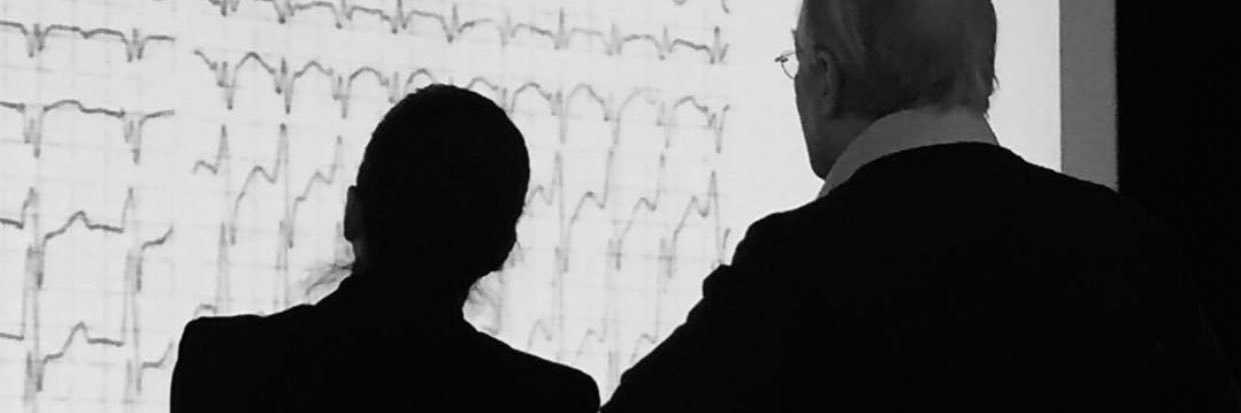
📊 How do you confirm capture and ensure effective pacing in #LBBAP? Watch this tutorial session from #EHRA2025 to find out more [55 minutes] 👉https://t.co/ZnA8gGZXln
Prof Marek Jastrzebski dives into advanced ECG interpretation, showing how precise analysis supports capture verification and pacing efficacy.
#CRM #Epeeps #Cardiology
#acc26 Six reasons why CHAMPION AF should not change oral anticoagulation for AF
I will have a formal post up on @theheartorg but here is a short summary
1) Stroke and Ischemic Stroke went the wrong way.
All S -> 33 vs 50 [HR 1.46 95% CI, 0.94-2.27)]
IS -> 27 vs 45; [HR = 1.61; 95% CI, 1.00-2.59)]
Look at those upper-bounds.
2) NI would not have been met for efficacy had they used a margin with both rate ratio and risk difference, which is standard practice.
The margin of 4.8% is based on event rates at 12%, which is 1.4 in relative terms (40% higher). But when event rates come in lower, as they did: 4.8% vs 5.7%, the 4.8% margin is too lenient.
The 0.9% higher rate of the primary endpoint has a 95% CI of (-0.8-2.6%), so 2.6% is less than the margin of 4.8%. Now do it with relative risk.
It's in table 2. The relative risk is 1.20. The 95% confidence intervals were 0.87-1.66. Note that 1.66> 1.40 so LAAC is not noninferior based on rate ratio margins
3) The primary safety endpoint is flawed because it excludes periprocedural bleeding and uses nonmajor bleeds, such as gum bleeds and bruising. It's open label trial so who which group will complain of more nonmajor bleeding?
4) When counting all events, Watchman barely reduced major bleeds. Also in the main results table is that major bleeds were 83 vs 87 (5.5% vs 5.8%; HR 0.92 95% CI 0.68-1.24)
5) Net Clinical Benefit was also flawed because they used nonprocedural bleeding and nonmajor bleeds.
A normal patient would simply say, there were 17 more strokes and only 4 less bleeds. Hardly a good trade.
6) Bayes: trials don't give answers, they update priors. For Watchman, you have PREVAIL failing against warfarin, CLOSURE AF clearly failing against best med Rx (mostly DOACs) so priors are pessimistic. To go from pessimistic priors to enthusiastic posteriors you'd need hugely positive data. CHAMPION is not that.
Don't believe the stories that CLOSURE failed due to them using other LAAC devices. In the AMULET IDE trial, Watchman and Amulet were similar. Also, if you believe that German operators are worse than US authors, you need to travel more.
Conclusion: Oral anticoagulation for AF is one of the most evidence-based practices in all of medicine. To upend that would take much stronger data.
Don't be bamboozled by this trial, which was designed to be positive before the first patient was enrolled.
#ACC2026
We just published this in The Journal of the American College of Cardiology -- Advances (JACC Advances) "State of the Art Review". It is a REALLY interesting read, using quotes from Thomas Kuhn's book "The Structure of Scientific Revolutions" (the book that coined the word "paradigm" and "paradigm shift"). Here is the first quote: “Scientific revolutions are inaugurated by a growing sense, again often restricted to a narrow subdivision of the scientific community, that an existing paradigm has ceased to function adequately in the exploration of an aspect of nature to which that paradigm itself had previously led the way.” —Thomas Kuhn
Full text pdf: https://t.co/VABMBGgqFF
This is a really important paper. STEMI vs Non-STEMI thinking needs to go. It's "occlusion MI"
Here is the thing though: almost all of the occlusion MI NSTEMI's can be seen on the ECG--if people could read ECGs properly
Table 2 examples seem so obvious to me. Not because I am smart, but because ECG reading was a top priority at Indiana U.
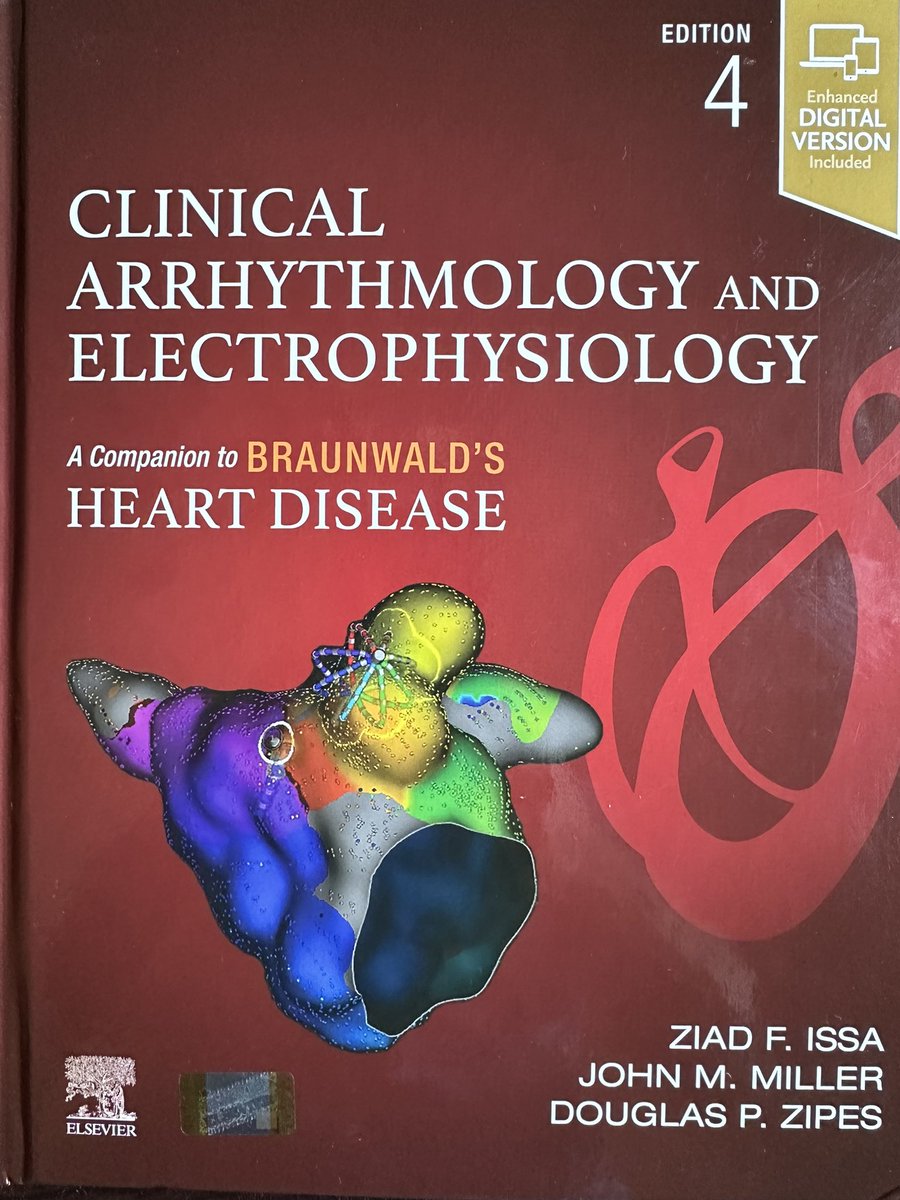
The Electrocardiogram at 125 yr: It Keeps on Giving https://t.co/stBNrINfJg via @YouTube
A masterful and historical review of The EKG by the master Dr. John Miller, with many pearls and findings for all cardiologists.
#epeeps#CardioTwitter#Cardiology#CardioEd
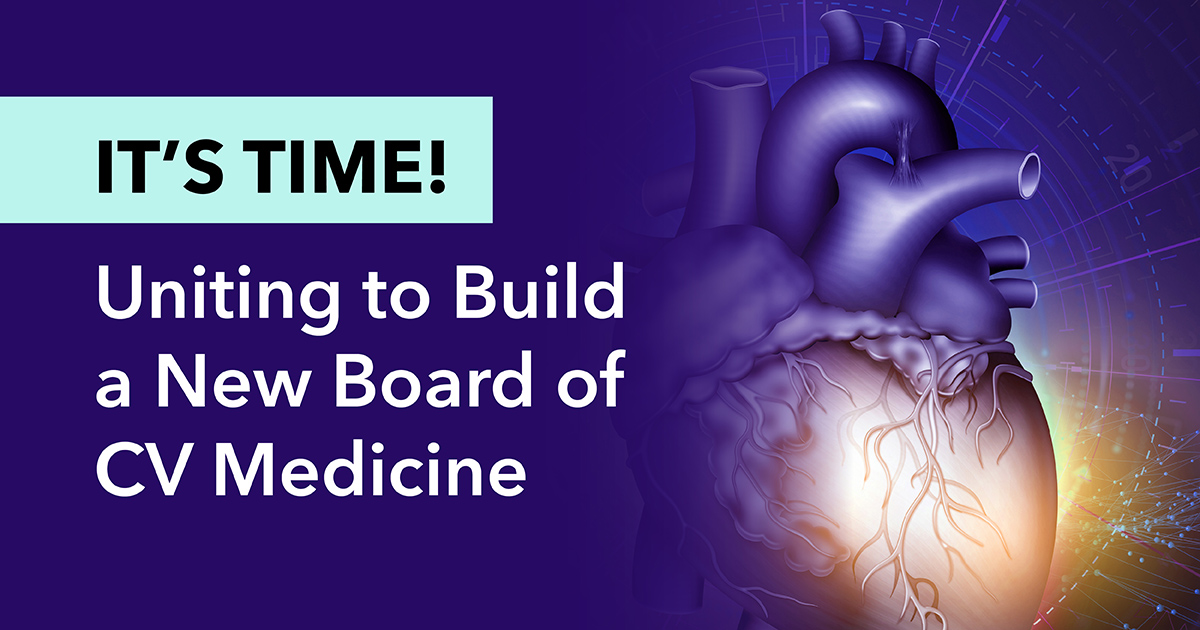
It’s time for a board of our own!
ACC, @SCAI, @HFSA & @HRSonline are uniting to request a new, independent medical board for CV medicine that would move away from #MOC and pursue a new competency approach to continuous certification. Learn more: https://t.co/4hyiInfTwD.



![radcliffeCARDIO's tweet photo. 📊 How do you confirm capture and ensure effective pacing in #LBBAP? Watch this tutorial session from #EHRA2025 to find out more [55 minutes] 👉https://t.co/ZnA8gGZXln
Prof Marek Jastrzebski dives into advanced ECG interpretation, showing how precise analysis supports capture verification and pacing efficacy.
#CRM #Epeeps #Cardiology](https://pbs.twimg.com/media/GxWUXe-XIAAIOR6.jpg)