Today the NCAJ had a fruitful engagement with His Excellency the President at Statehouse focusing on a Whole-of-Government Approach to avert traffic deaths and accidents.
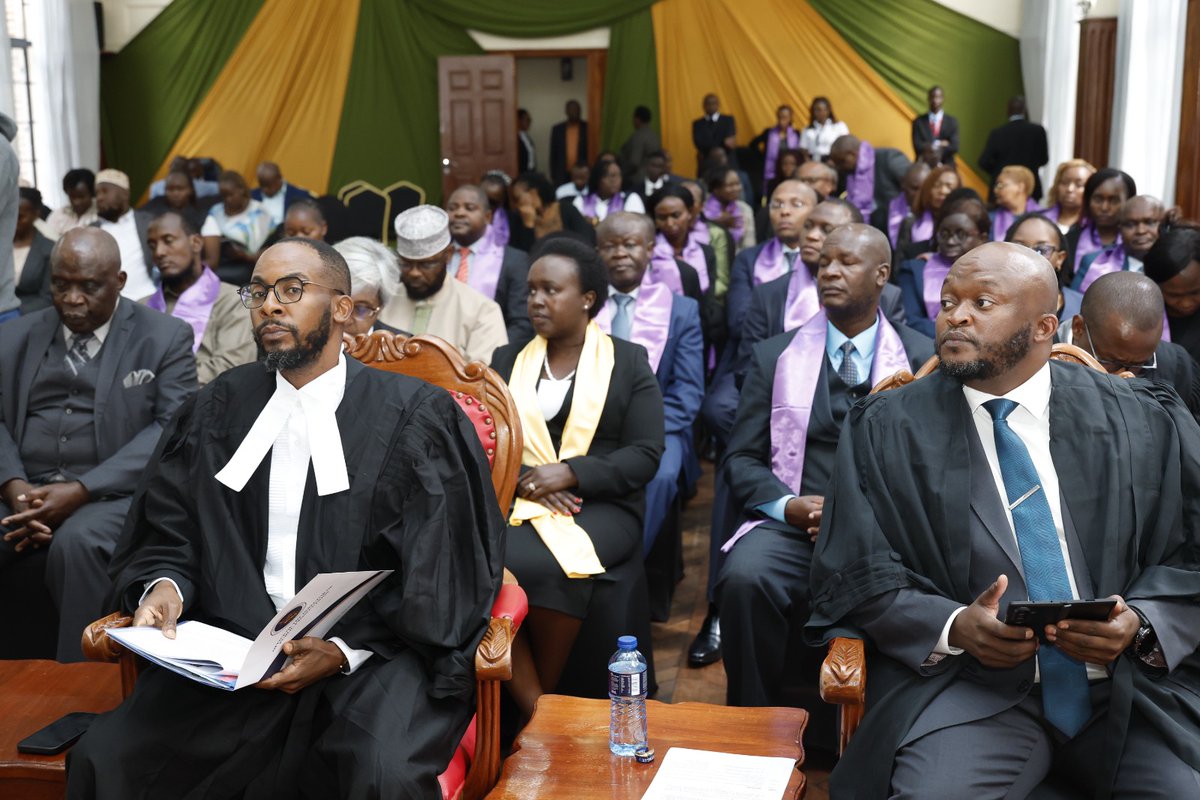
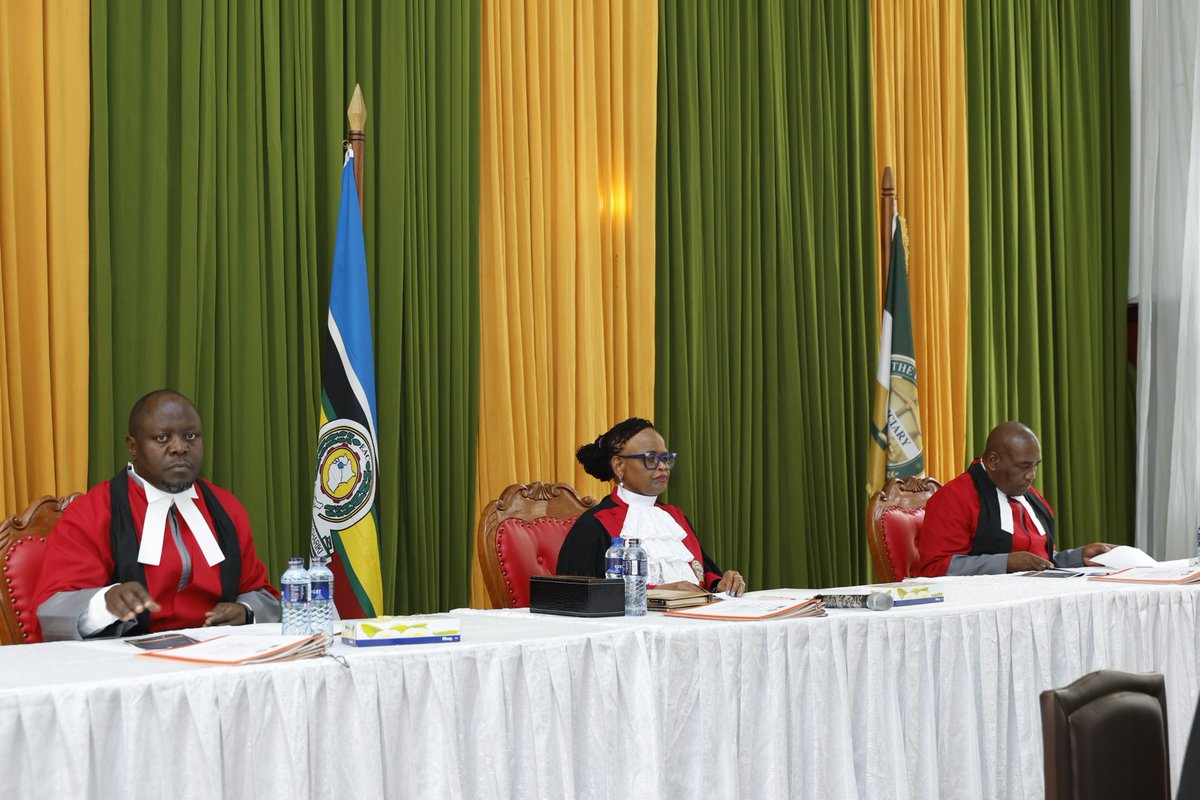
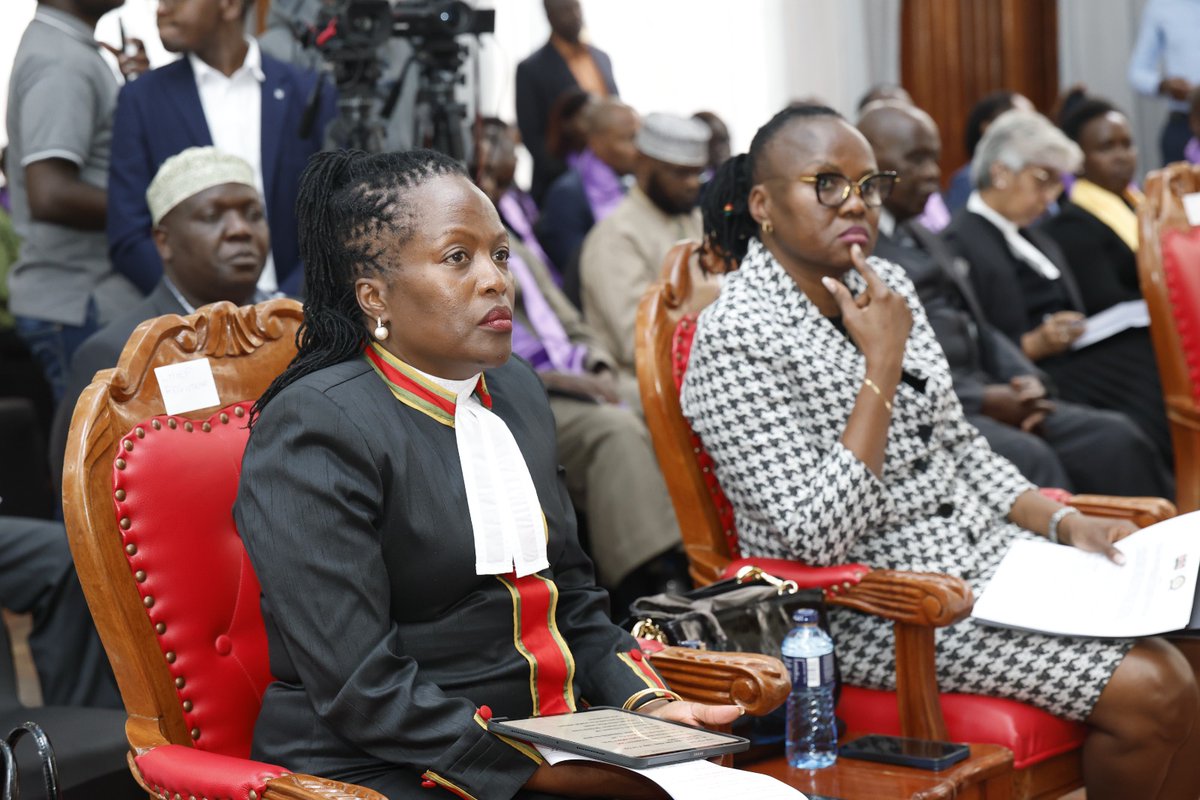
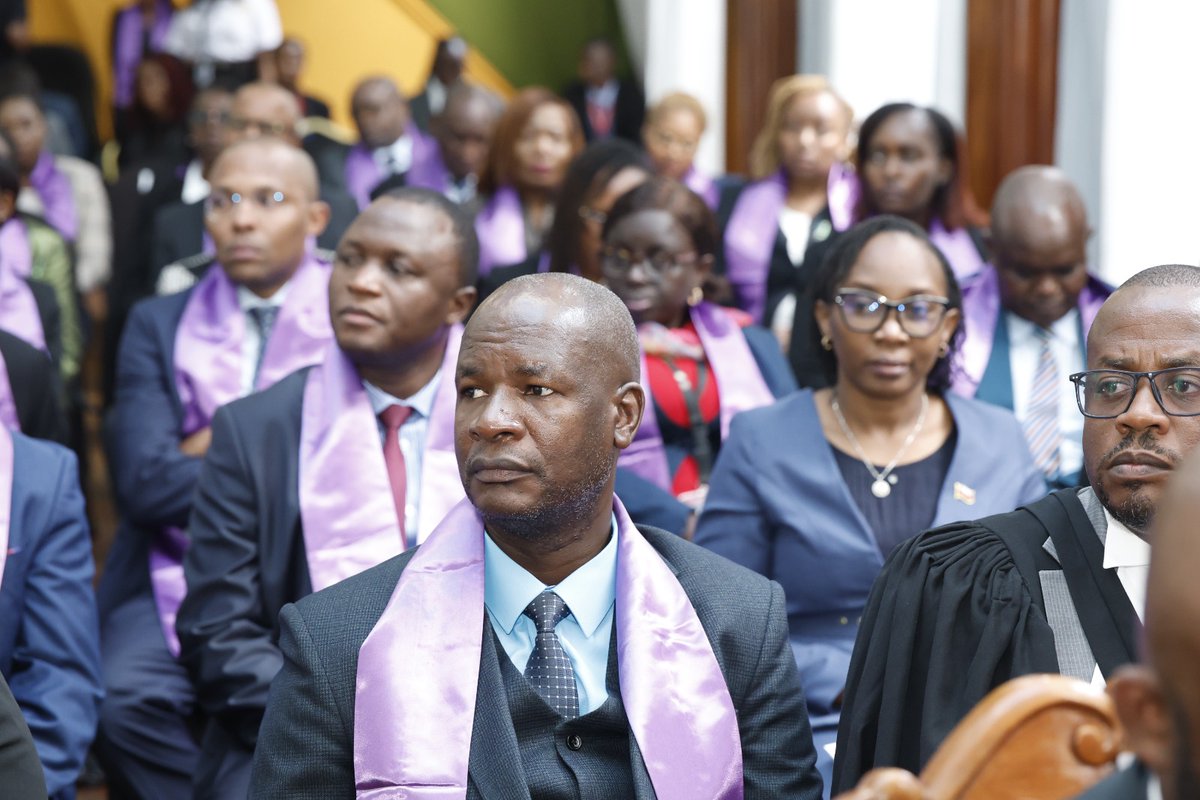
I presided over the Special Closing of File proceedings in honour of seven of our departed judicial officers who passed away over the last two years.
We gathered as a Judiciary family and the legal fraternity to remember and celebrate the lives of Hon. Chief Kadhi Athman Abdulhalim Hussein, Hon. Monica Kivuti, Hon. Bernard Rugut, Hon. John Tito Kunyuk, Hon. Timothy Ole Tanchu, Hon. Jacqueline Muthoni Ojwang, and Hon. Zenah Atetwe Rashid Jalenga.
Each of them served Kenya with devotion, humility, and integrity - touching lives, strengthening communities, and upholding the administration of justice with honour. Their dedication, courage, and compassion have left an indelible mark on our institution.
As we closed their files, we affirmed that their legacy will forever remain part of the enduring story of our Judiciary. We stand with their families, honour their sacrifice, and commit ourselves to the ideals they lived by: service, dignity, and justice for all.
May their souls continue to rest in eternal peace.
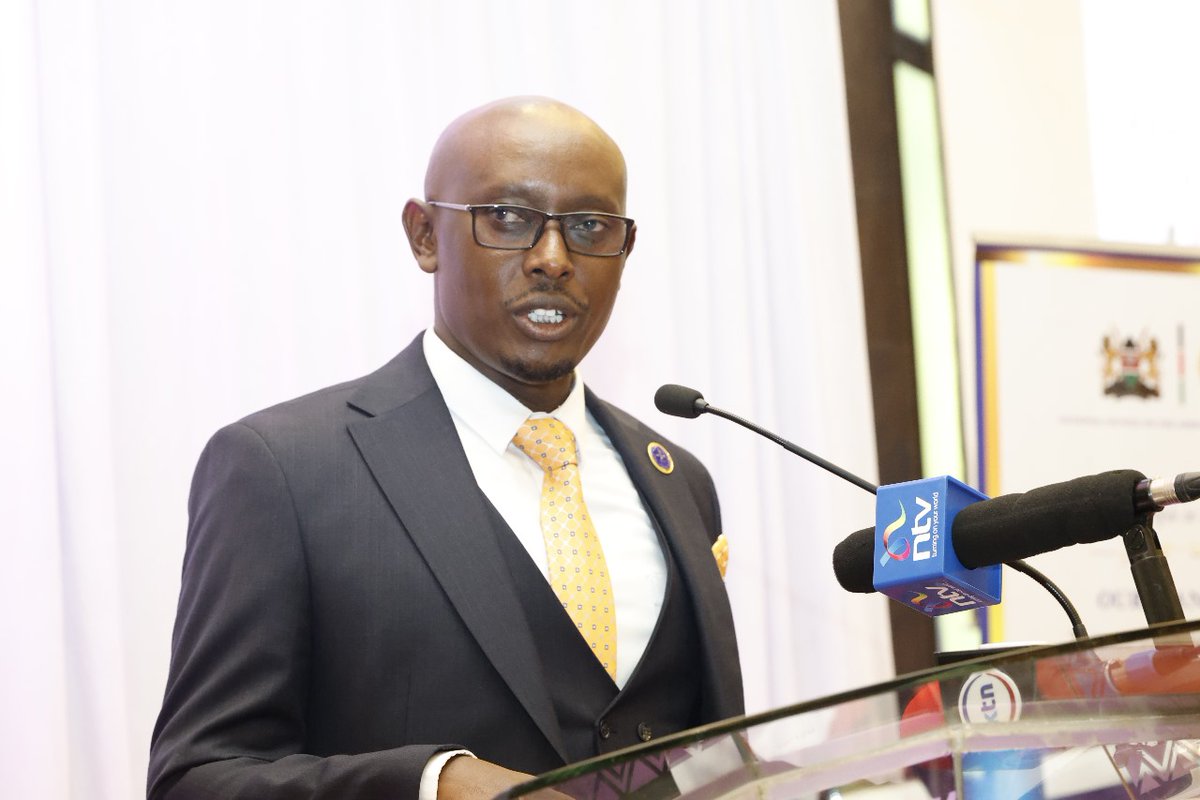
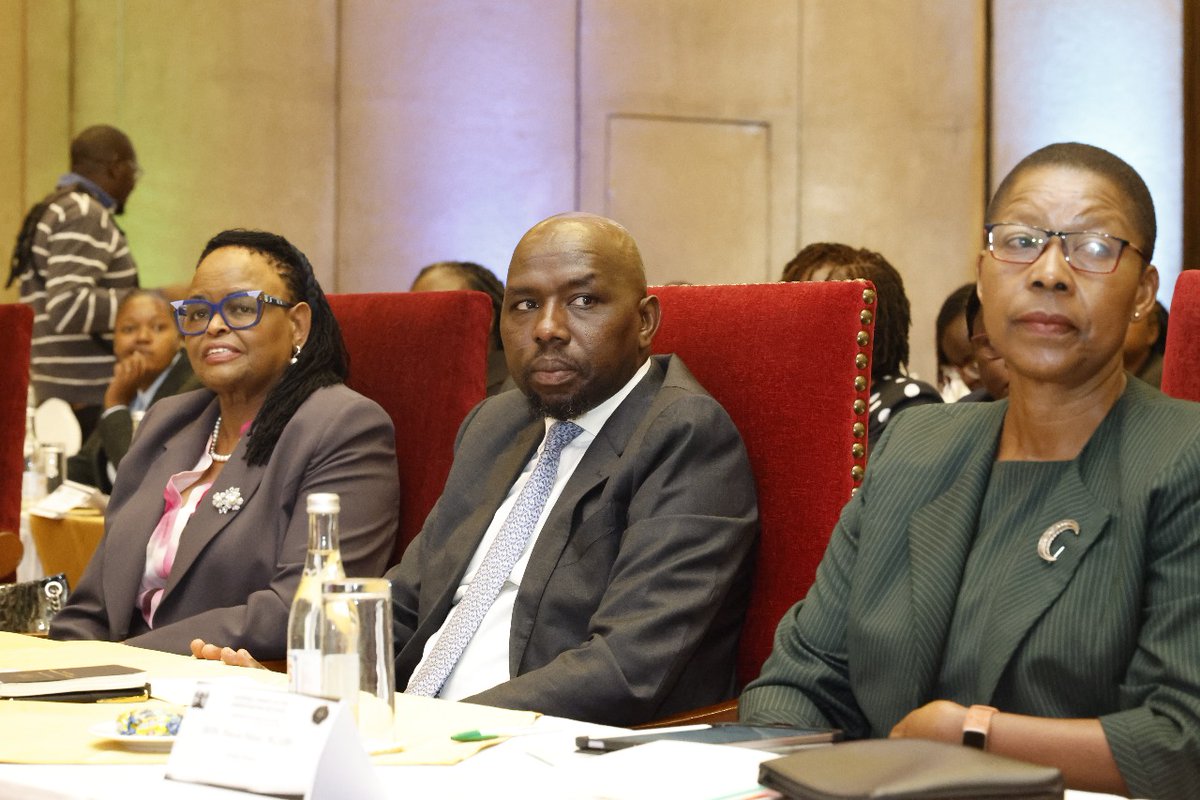
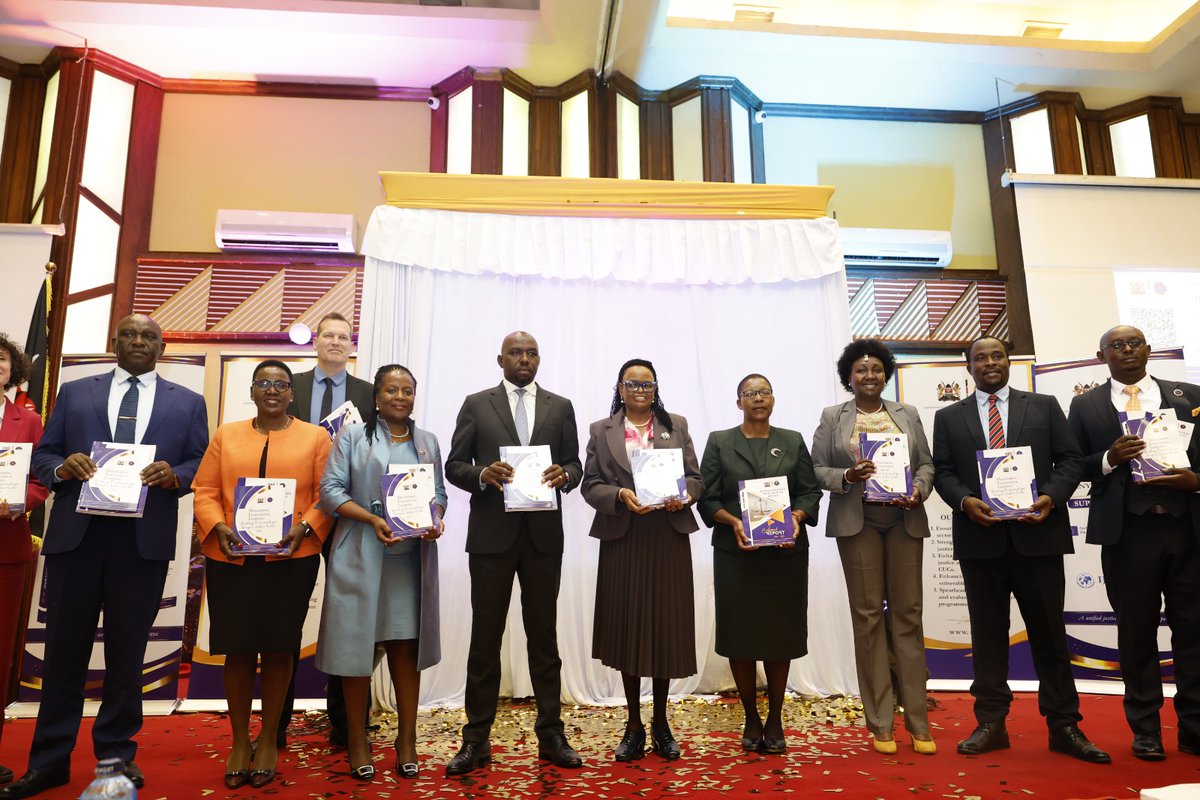
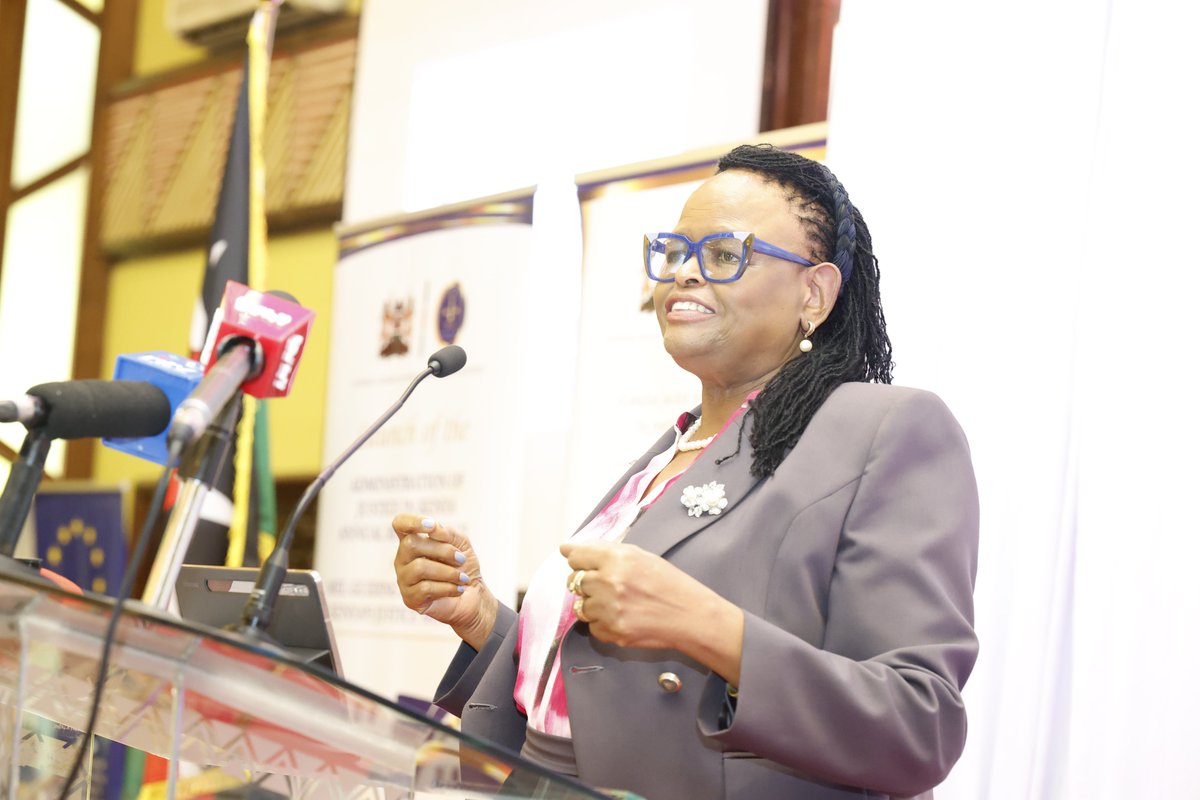
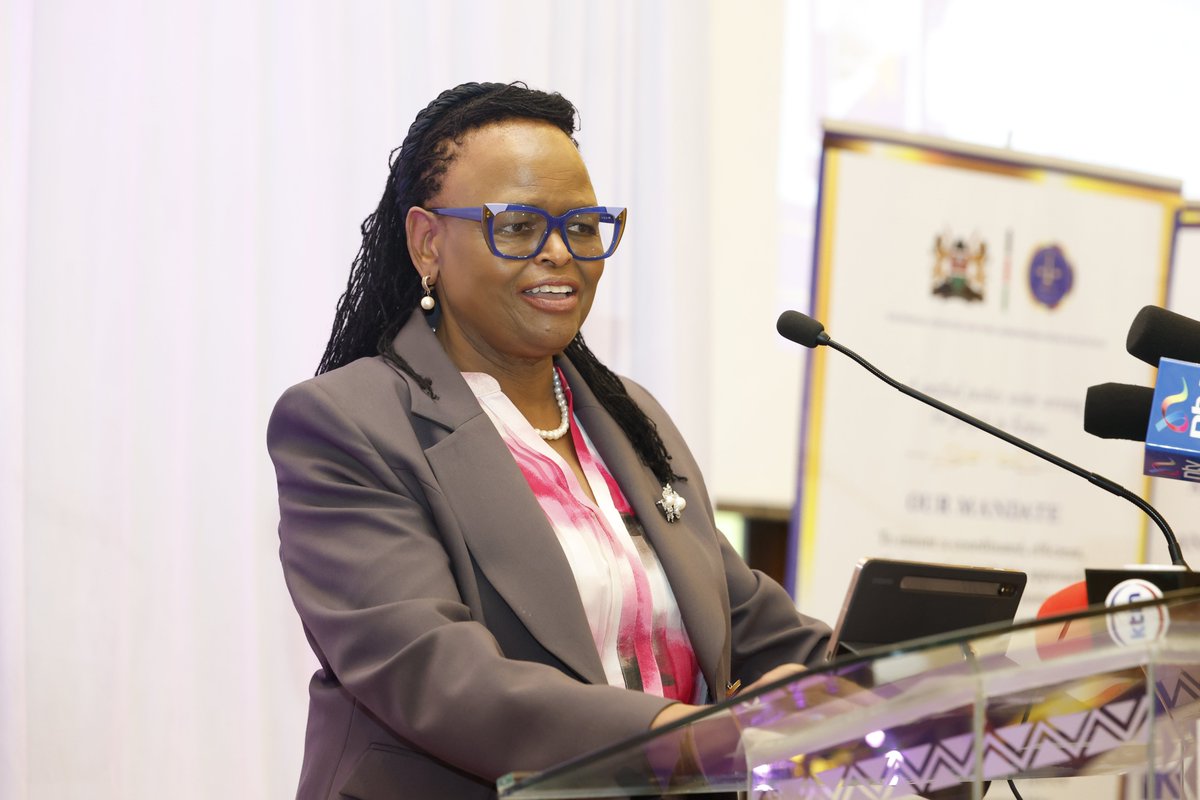
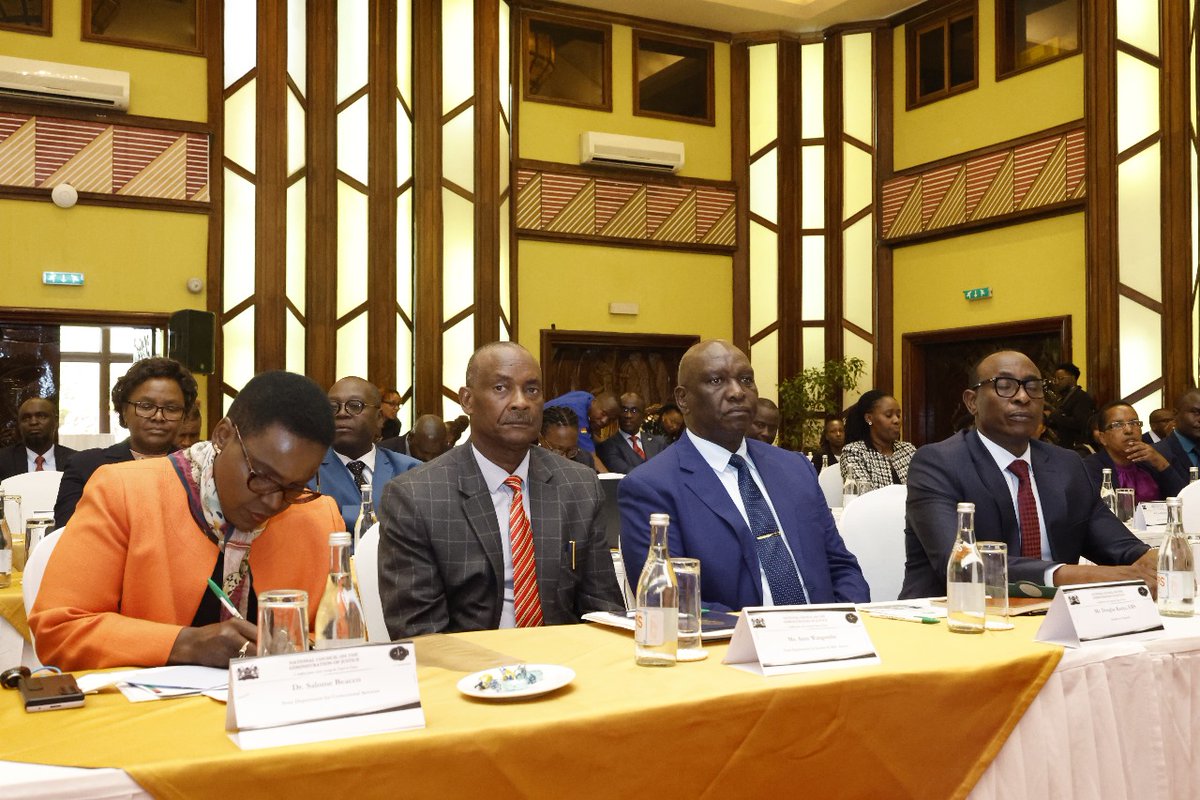
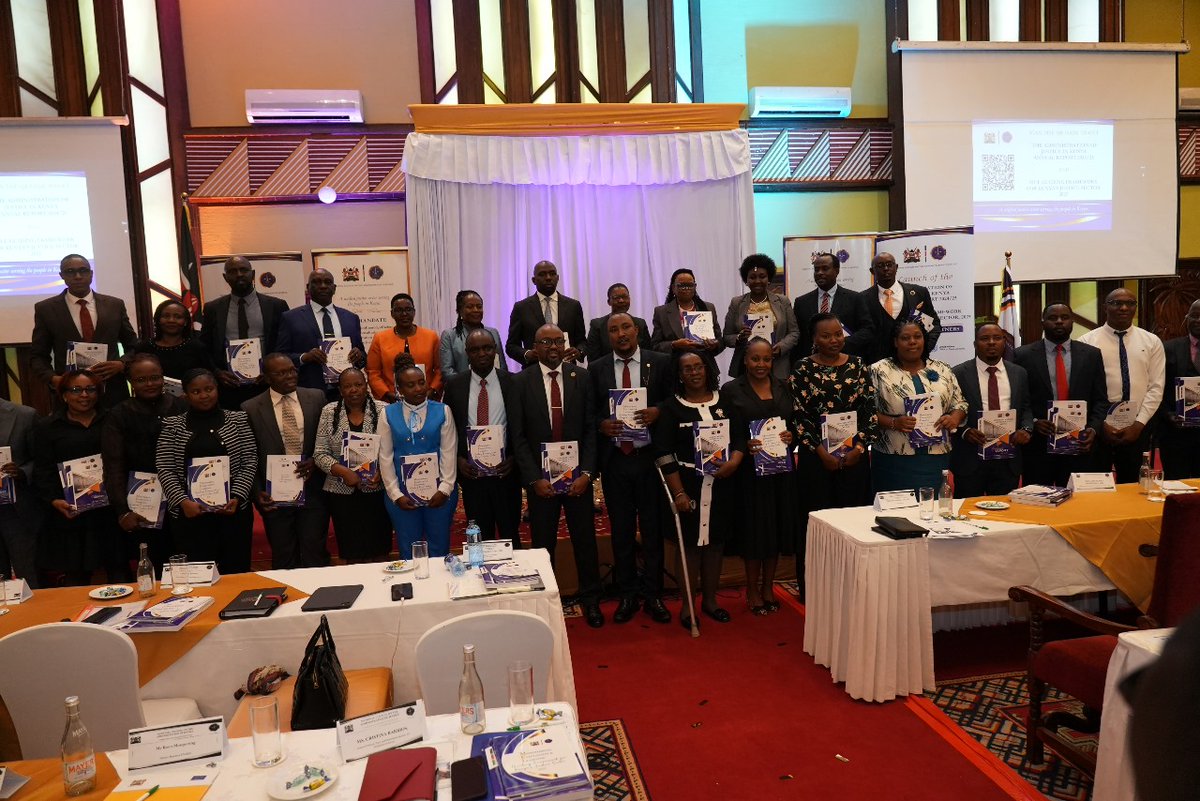
I was honoured this morning to preside over the launch of two landmark justice sector documents, the Administration of Justice in Kenya Annual Report 2024/2025 and the Monitoring, Evaluation and Learning (MEL) Guiding Framework for Kenya’s Justice Sector. These publications reflect our collective commitment under the National Council on the Administration of Justice (NCAJ) to strengthen coordination, transparency, and accountability across the justice chain.
The Annual Report highlights the sector’s achievements over the past financial year in advancing access to and the administration of justice. Notable milestones include the development of the Anti-Corruption Strategic Guiding Framework and the Strategic Guiding Framework for Greening the Justice Sector. These frameworks underscore our shared resolve to fight corruption, promote ethical leadership, and protect the environment as an integral part of justice.
The MEL Guiding Framework marks a transformative step toward evidence-based governance within the justice sector; ensuring that reforms are measurable, data-driven, and responsive to the needs of the people we serve.
As we look ahead, we remain committed to deepening reforms that enhance the sector’s efficiency, including through digital integration and legislative reforms. I took the opportunity to urge the National Assembly to fast-track the passage of the NCAJ Bill and the Penal Code and Criminal Procedure Code Amendment Bills, which are crucial to our quest to build a people-centred, transparent, and transformative justice system that upholds the rule of law and strengthens public trust in our institutions.
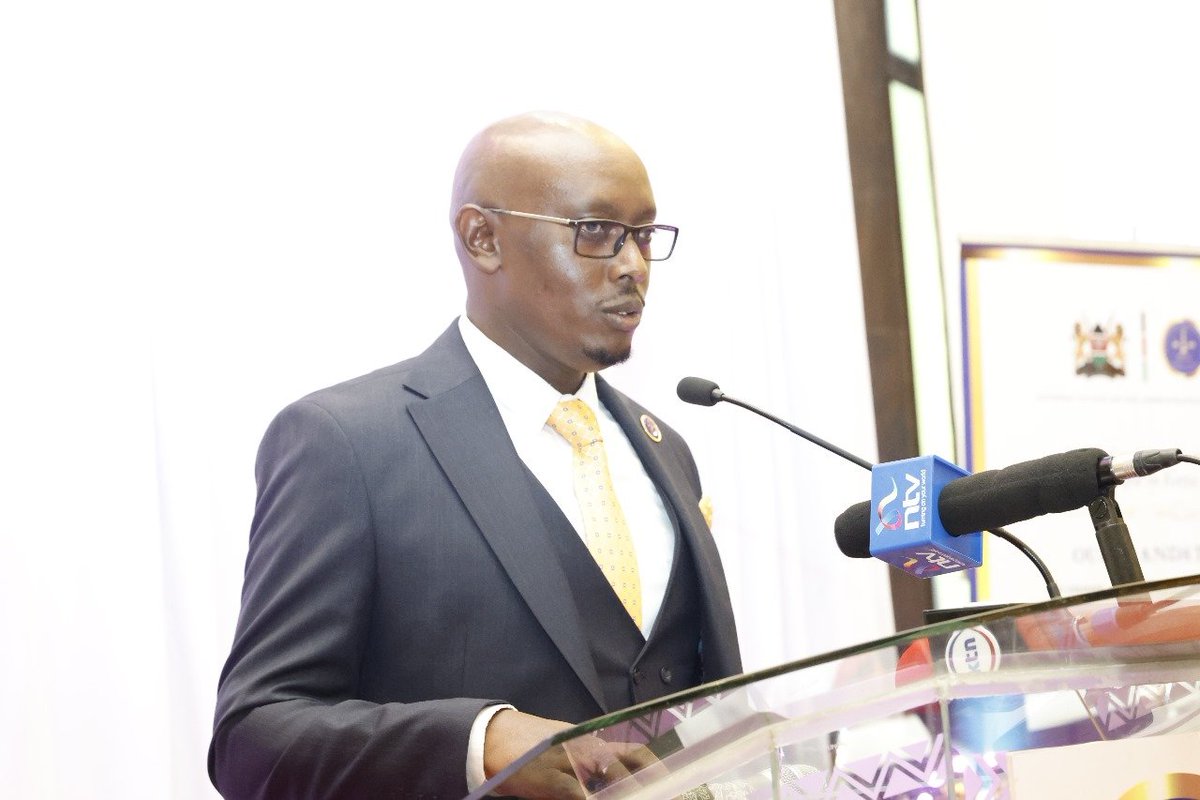
The Annual Report for FY 2024/25 is a celebration of our collective achievements as the justice sector. It provides a comprehensive account of our joint efforts to enhance institutional performance, strengthen coordination, and advance access to justice for all Kenyans. CJ Koome.
By institutionalising monitoring, evaluation, and learning across all justice sector agencies, we ensure that progress is not left to perception and rhetoric, but is anchored in measurable outcomes. CJ Koome.
Further, upscaling the digitalisation of the justice sector, enhancing administration of justice at the grassroots and development of people-centered justice sector guidelines are other priority areas. NCAJ Executive Director Dr Moses Maranga.
The report highlights, enactment of Penal Code & CPC amendment bills & NCAJ Bill, upscaling anti-corruption interventions, enhancing justice on GBV and upscaling the fight against GBV, providing legal aid services for vulnerable population and observance of human rights.
It further provides priority programmes for the subsequent reporting period. Information is sourced from Council’s decisions, justice sector institutions, and Court Users Committees (CUCs). NCAJ Executive Director Dr Moses Maranga.
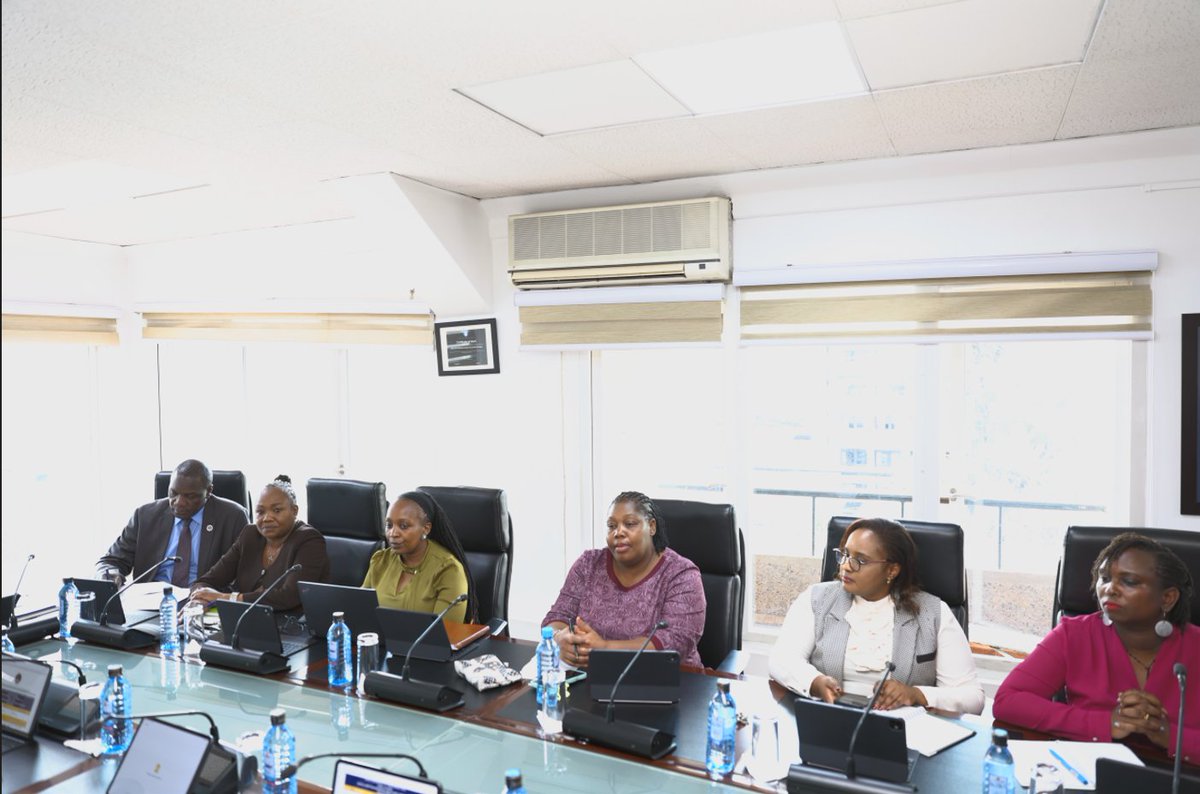
The meeting provided a platform to review existing frameworks governing traffic enforcement and explore practical ways to strengthen institutional collaboration. Discussions centred on several key reform areas, including improving coordination in managing traffic-related offences under the Traffic Act (Cap 403), evaluating the implementation of instant traffic fines by the NTSA, and assessing their legal and operational implications on prosecution.
The Committee is also reviewing the proposed Guidelines on Efficient Handling of Traffic Cases aimed at harmonizing institutional practices and promoting consistency in the management of traffic cases. They are also tasked with deliberating on strategies to enhance public education on traffic laws, road safety, and the responsibilities of motorists and pedestrians.
The NCAJ Working Committee on Traffic Reforms is a specialised sub-committee under the National Council on the Administration of Justice. It draws membership from key justice and transport sector institutions, including the Judiciary, ODPP, NTSA, National Police Service, Law Society of Kenya (LSK), Kenya Law Reform Commission (KLRC), Council of Governors, Directorate of Children Services, Nairobi Metropolitan Area Transport Authority, Kenya Association of Manufacturers, Motorists Association of Kenya, and the Ministry of Transport.
Highlighting the ODPP’s commitment to innovation, DPP Ingonga noted that under the ODPP Strategic Plan 2023–2027, the institution is pursuing a comprehensive digital transformation agenda aimed at automating case tracking, streamlining decision-to-charge processes, and integrating operations with NTSA and Judiciary systems through platforms such as the e-Court Traffic Module.
Sustaining the fight against corruption and economic crimes is our collective priority. The NCAJ will be launching guidelines aimed at enhancing the efficiency in handling corruption and economic crimes cases in magistrates’ courts.
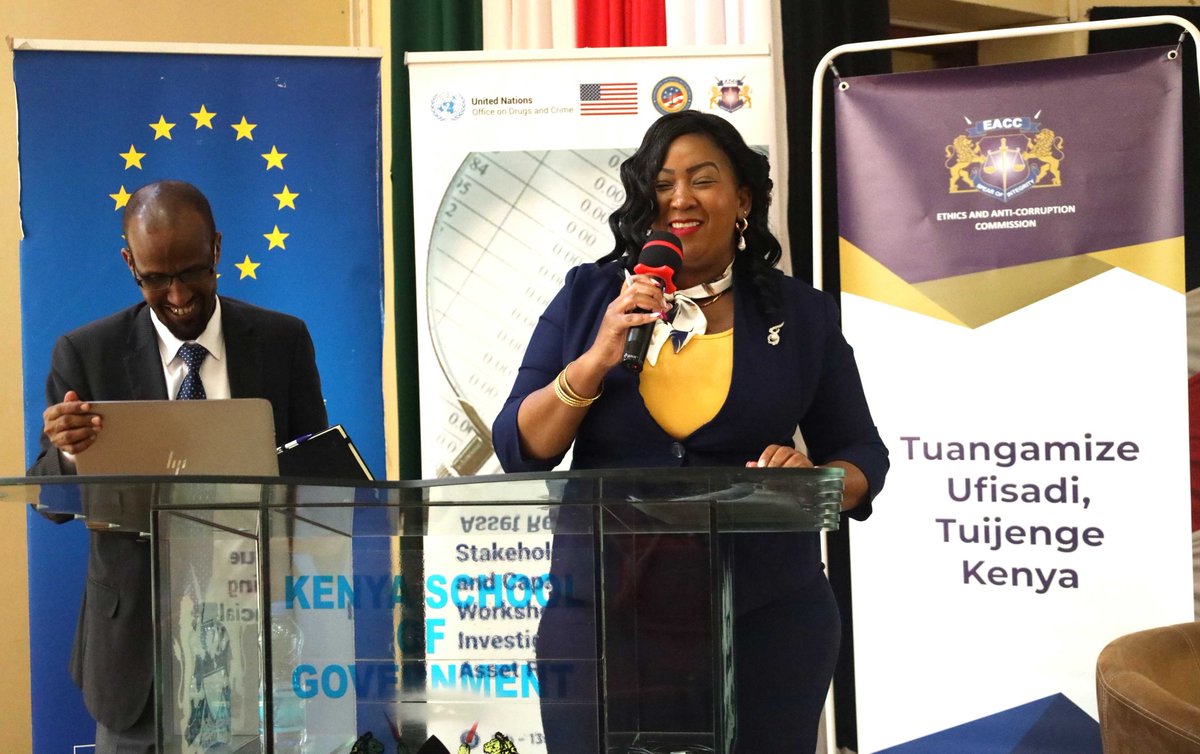
Strengthening cross-border coordination in combating Transnational Organized Crime (TOC). Dr. Marang’a, ED NCAJ & Ms. Mubichi, HOD Criminal Justice, attended the Regional Conference on TOC in Nairobi. The Keynote Speaker was Mr. Ingonga, the DPP & NCAJ Vice-Chairperson.
Enhancing the administration of Justice in Kenya by opening up justice pathways.
A team from the IDLO Global team led by Mr. Romualdo Mavedzenge, Director programmes, Mr. Netsanet Demissie Belay, the Regional Manager-Africa and Ms. Teresa Mugadza, the country manager.
"Survivor Rights are Non negotiable.
Survivors are drivers of change."
@NCAJ_KE Executive Director - Dr. Moses Maranga -
At the National Survivors' Conference, Dr. Moses Maranga reminded us, justice must be built with survivors.
#StandWithSurvivorsKE
Enhancing the Administration of Justice for Children.
Courtesy visit to the PS State Department for Children Welfare Services, CPA Carren Ageng’o by the NCAJ Team led by Justice Matheka and also comprising the Executive Director NCAJ Dr Marang’a
Comprehensive Review of the Penal Code & Criminal Procedure Code
The NCAJ team led by Hon Justice Ngenye and comprising Ms Nyamosi (ODPP) Mr Maundu (Office of the Attorney General), Mr Thuku (NPS), Dr Marang’a and Ms Mubichi (NCAJ Secretariat) engaged JLAC on the Amendment bills.
Transforming Access to Justice by Entrenching a Robust Justice System M&E
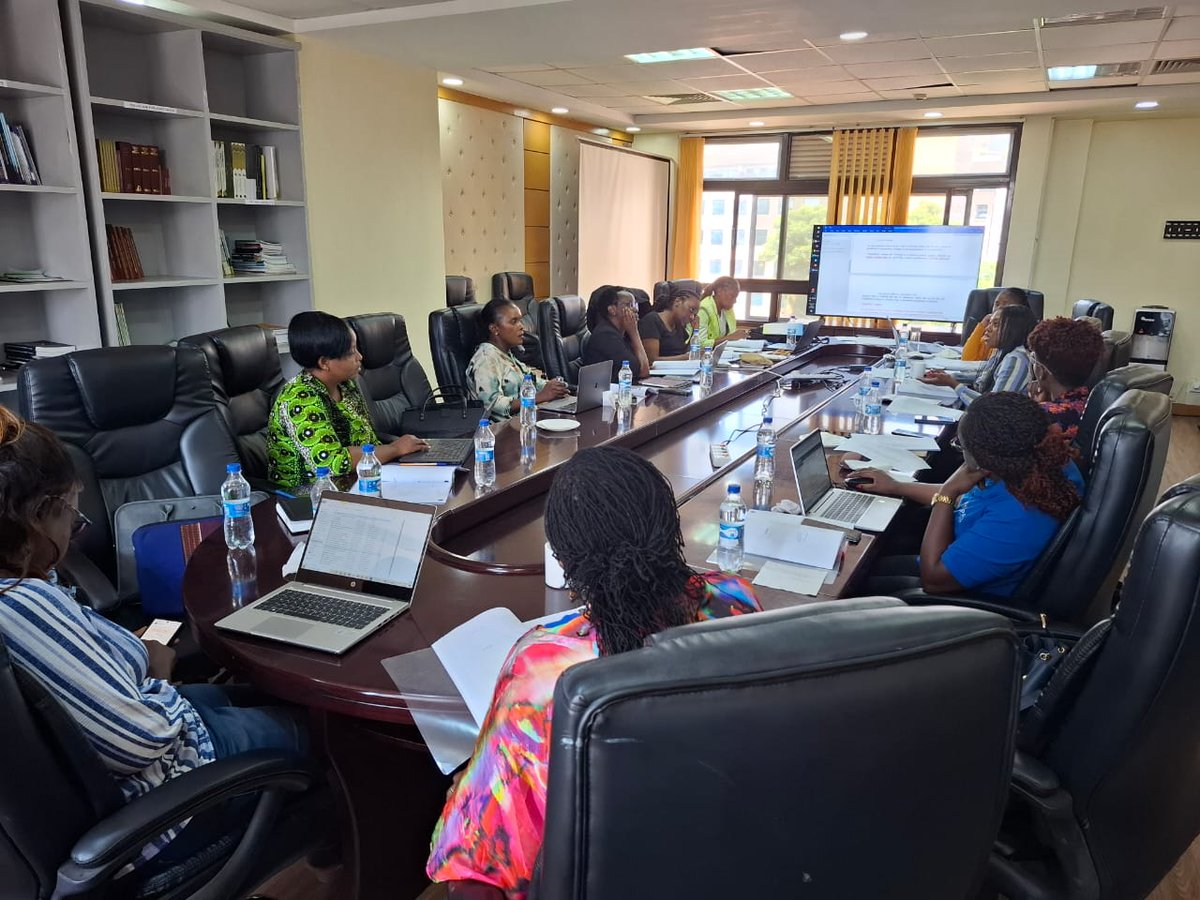
Experts of Justice System Strategy, Monitoring and Evaluation convened at NCAJ Offices to strengthen the draft M&E Strategy that will aid in transforming the delivery of justice to Kenyans.
Addressing Sexual and Gender Based Violence in Kenya
Members of the NCAJ committee on the review of laws on sexual offenses and GBV convened at NCAJ offices to finalise the Sexual Offenses Amendment Bill 2025.