PhD | 🇺🇦 🌻| let’s talk drug discovery to solve diseases of aging| Caspases, complement, capillaries |Here for all things retinal, vascular, and aging-related
Today marks 30 years since Ukraine signed the Budapest Memorandum. Pressured by a coordinated position from Russia and the United States, Ukraine gave up the world’s third-largest nuclear arsenal in exchange for modest financial compensation and security assurances. This decision, in hindsight, was one of the early steps that emboldened Russian aggression against Ukraine.
Recently, I was asked what lesson Ukraine should take from the Budapest Memorandum. I believe it is the U.S. that must learn the lesson: don’t mess up again.
Russia is a rogue state, aligned with China, North Korea, and Iran. Don’t make the mistake of misjudging who your true friends are again.
Microglia are not necessary for maintenance of blood-brain barrier properties in health, but PLX5622 alters brain endothelial cholesterol metabolism: Neuron https://t.co/9kkZXE4gaQ
Caspase-1 Inhibition Ameliorates Photoreceptor Damage Following Retinal Detachment by Inhibiting Microglial Pyroptosis - The American Journal of Pathology https://t.co/6Mbh8x2uOP
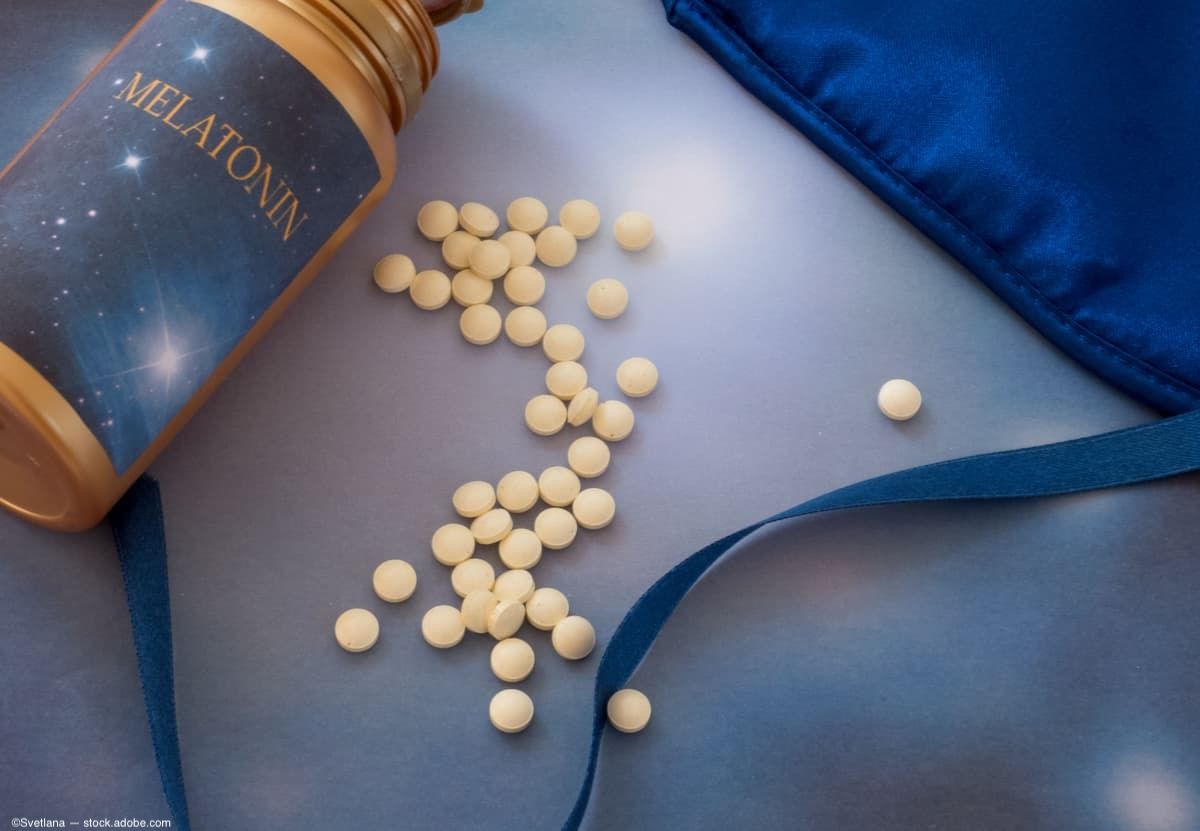
A team of researchers from the Case Western Reserve University School of Medicine and the Cole Eye Institute have found that melatonin may also reduce the risks of age-related macular degeneration (AMD).
Read More: https://t.co/a51l4ynV66
A Non‐Apoptotic Pattern of Caspase‐9/Caspase‐3 Activation During Differentiation of Human Embryonic Stem Cells into Cardiomyocytes - https://t.co/yMGqyYXLJI
Beyond excited to share my first paper from my PhD @DPhaz Lab @IMS_MRL now out in @embojournal! Special thanks to Sam from @TVPLab and @dougall_norris for co-leading this project with me. We found that many cell culture models, despite living in 18% oxygen, are hypoxic! 🧵below:
https://t.co/mG8PFGudGT
New study identifies nonapoptotic mechanisms of caspase-9 regulation of osteogenesis and bone homeostasis. α/β hydrolase ABHD2 identified as a potential novel cleavage target of #casp9.
Happy to share how diaPASEF proteomics identifies caspase-9 as a positive regulator of osteoblastic cell migration https://t.co/XOnssYH8Yd Thanks Petr Benes group for the collaboration on @JProteomeRes paper!
Eye diseases long thought to be purely genetic might be caused in part by bacteria that escape the gut and travel to the retina https://t.co/7dM1rGdEUc
Using an electroretinogram (ERG), a diagnostic test that measures the electrical activity of the retina in response to a light stimulus, researchers have deployed AI to identify specific features to classify Autism.
Read More: https://t.co/1ApbCesUY8
There is a human tissue that builds itself up and breaks itself down every ~28 days using non-scarring wound healing and instead of studying that and learning everything we can about it we think it's gross and look for other less relevant models to understand wound healing.
Today the @uk_biobank is releasing ~500K whole genome sequences. A tremendous feat in (1) enormity and (2) data sharing. https://t.co/vJ0P6RsC2C @ScienceMagazine@ce_offord
This is an exciting new study from @WeAreQvin, who are tackling the gender gap in health research by investigating the clinical potential of menstrual blood as a diagnostic tool for hormone and HbA1c testing. https://t.co/1nwGbC7BGl
🩸💪 Qvin announces the publication of our study in Fertility and Sterility Reports demonstrating that menstrual blood can test for hormones and HbA1c just like venous blood.
Study by Dr. Sara Naseri, Dr. Maria Avrutsky, Carlo Capati, Khevna Desai, Dr. Alvero, Dr. Blumenthal.
Large new whole genome GWAS study in #AMD finds familiar hits implicating complement in disease risk, as well as a novel hit on ORMDL2
https://t.co/p3M7y5QVzf
Jason M. L. Miller @JasonMLMiller et al. @UMKelloggEye show that medium depth influences O2 availability and metabolism in human retinal pigment epithelium cell cultures.
https://t.co/vivLfHCqz8
Our study reveals that biallelic PTVs in CASP2 lead to an NDD with lissencephaly-pachygyria. Interestingly, CASP2 alongside PIDD1 & CRADD, which are also associated with similar clinico-radiological presentation, collectively form the PIDDosome complex. https://t.co/1VxrIhN7O4