A cluster hire is now open for tenure-track Assistant and Associate Professors in earthquake science at @ntu_ase and #EOSsg.
We welcome applicants working across observational, computational, and theoretical seismology, earthquake geology, rock mechanics, and seismic hazard and risk modelling.
Application review will begin on 27 April 2026 and continue until the positions are filled. Learn more and apply here: https://t.co/6PrpDvl3AS
Our new paper is published #EPSL
Led by Dr. Yue
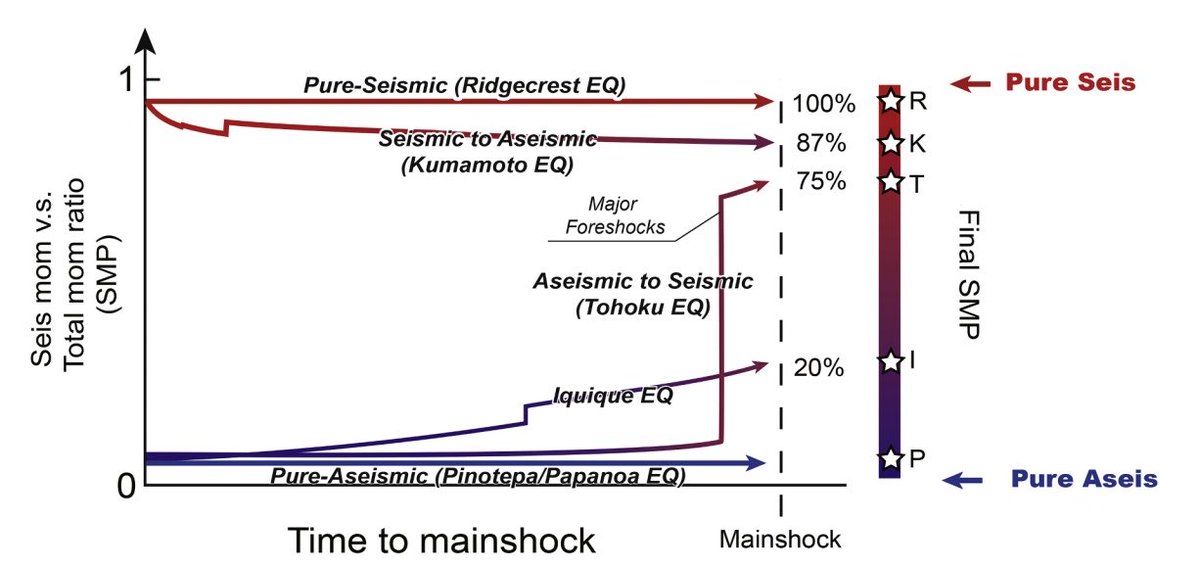
Post-Foreshock Transient Slip in the 2016 Kumamoto Sequence: A Fourth Foreshock Mode
https://t.co/tZr6q78CyQ
What if tectonic plates aren’t as solid as we thought?
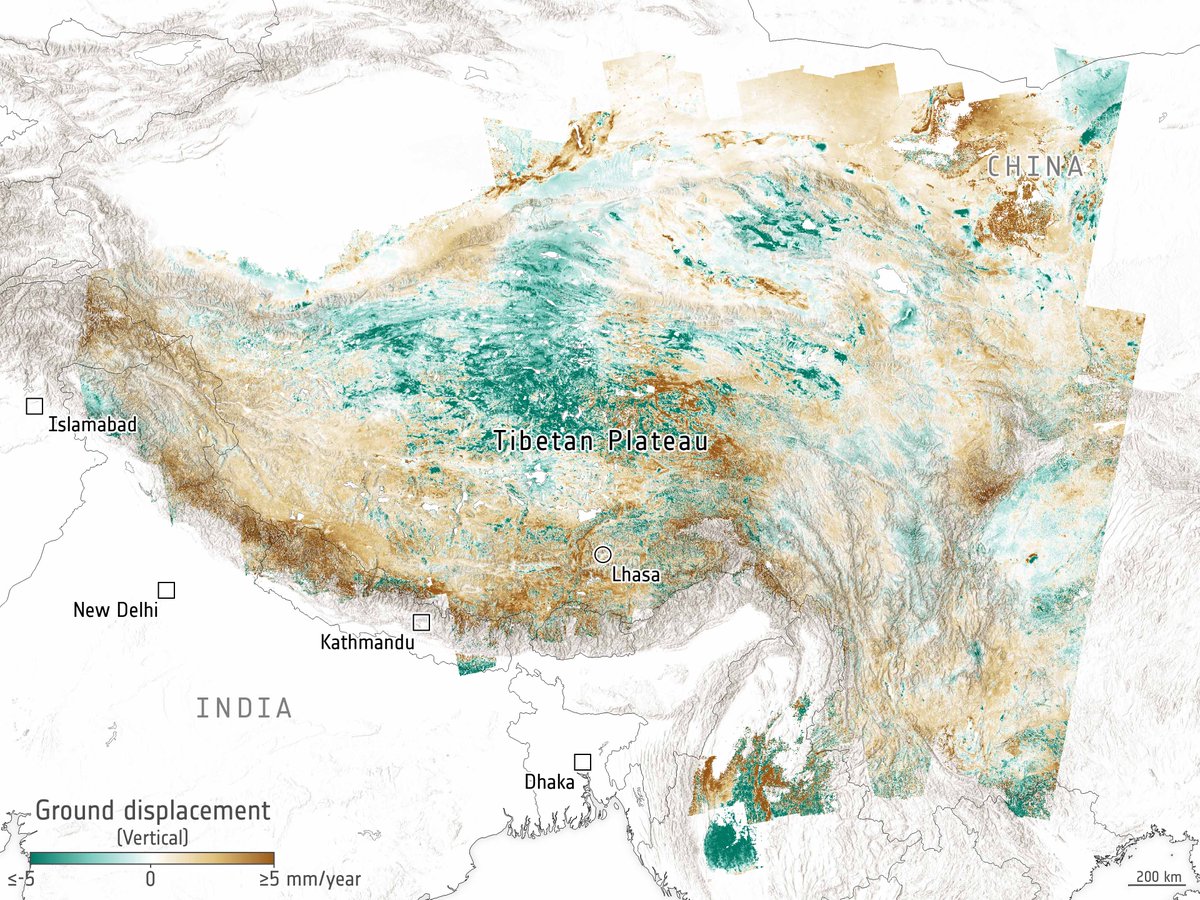
Thanks to satellite data from @CopernicusEU Sentinel-1 and other data sources, scientists have mapped how the Tibetan Plateau stretches and shifts, showing that Earth’s crust and upper mantle behave more like flowing material.
📸ESA (Data source: Wright, T. et al, 2026)
https://t.co/wSLNLhorZD
It is a team work! We mapped stress shifts in 2025 Dingri Earthquake from earthquake cycle observations.
Please check the NC paper👇
https://t.co/PmV46JBj8y
A good summary on this 👇
https://t.co/8LEqFTt0pO
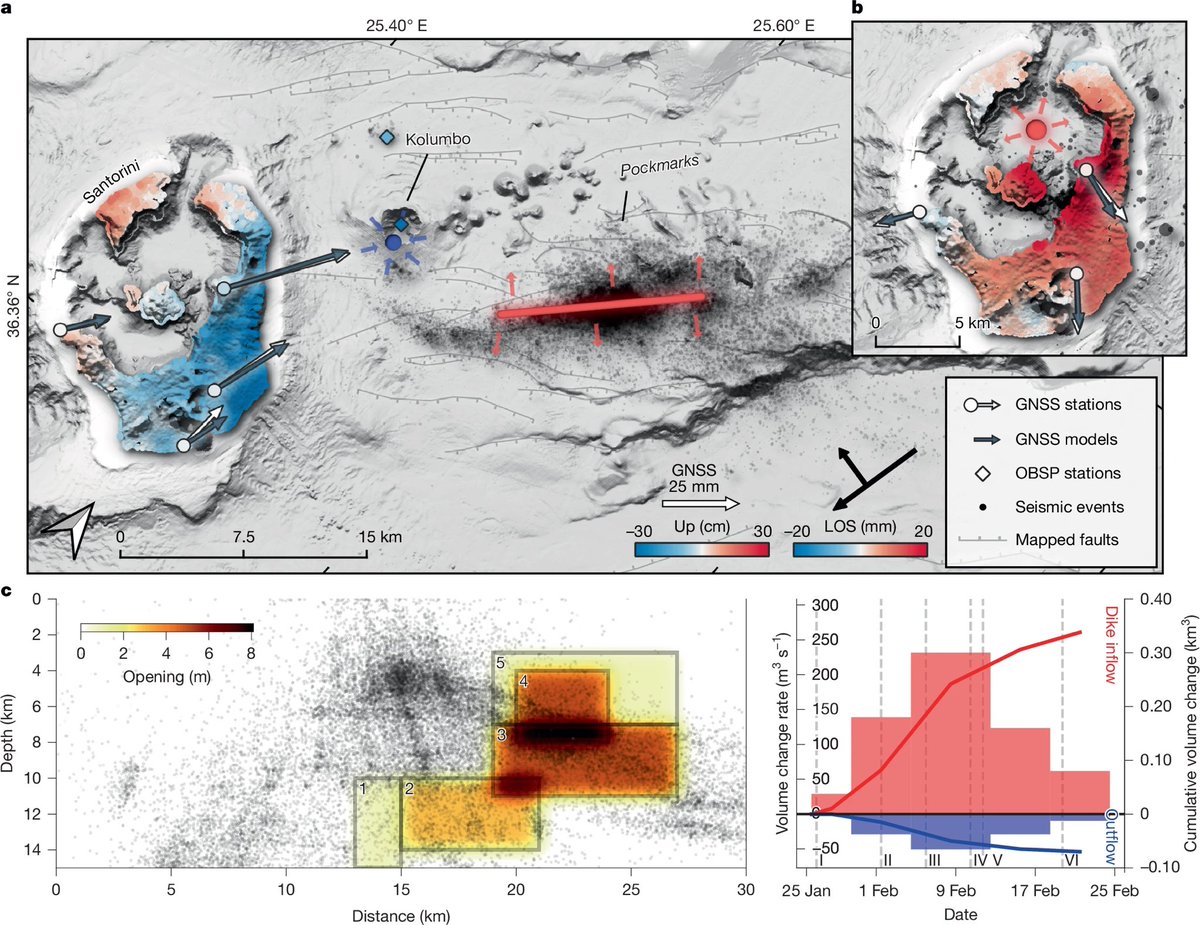
New paper alert. Volcanic crisis reveals coupled magma system at Santorini and Kolumbo. Great work led by Marius and Jens, thanks all for working on that together! It can be found in today’s issue of Nature.
https://t.co/9v9mYeDwuN
Jared Bryan et al. ,Crustal stresses and damage evolve throughout the seismic cycle of the Ridgecrest fault zone.Science389,1256-1260(2025). https://t.co/E3CqCmcKmm
Temblor's analysis of the July 2025 magnitude 8.8 Kamchatka quake explores some mysteries, and finds that the 10-day foreshock was exceptionally productive. Find out more in our latest, led by CEO @rstein357
https://t.co/8JX2G8gbKR
Preliminary teleseismic back-projection images of the Mw 8.8 Kamchatka Peninsula, Russia earthquake on 29 July 2025, generated using publicly available data from seismic stations in Australia (AU), Europe and Asia (EA), and North America (NA).
Odd rupture process of 2025 Myanmar earthquake revealed by tele-P waves: not only supershear rupture but also a Boomerang-like backrupture. Three segments were ruptured. (Inoue et al.) https://t.co/YIE674x9sL
🚨 With Sentinel-1A & 1C in action, the 6-day ifg is back! 🌍📡
Our quick InSAR results capture ground displacement with horrible fringes.
Meanwhile, our thoughts are with those affected by the recent earthquake in #Myanmar. Stay strong. 🙏
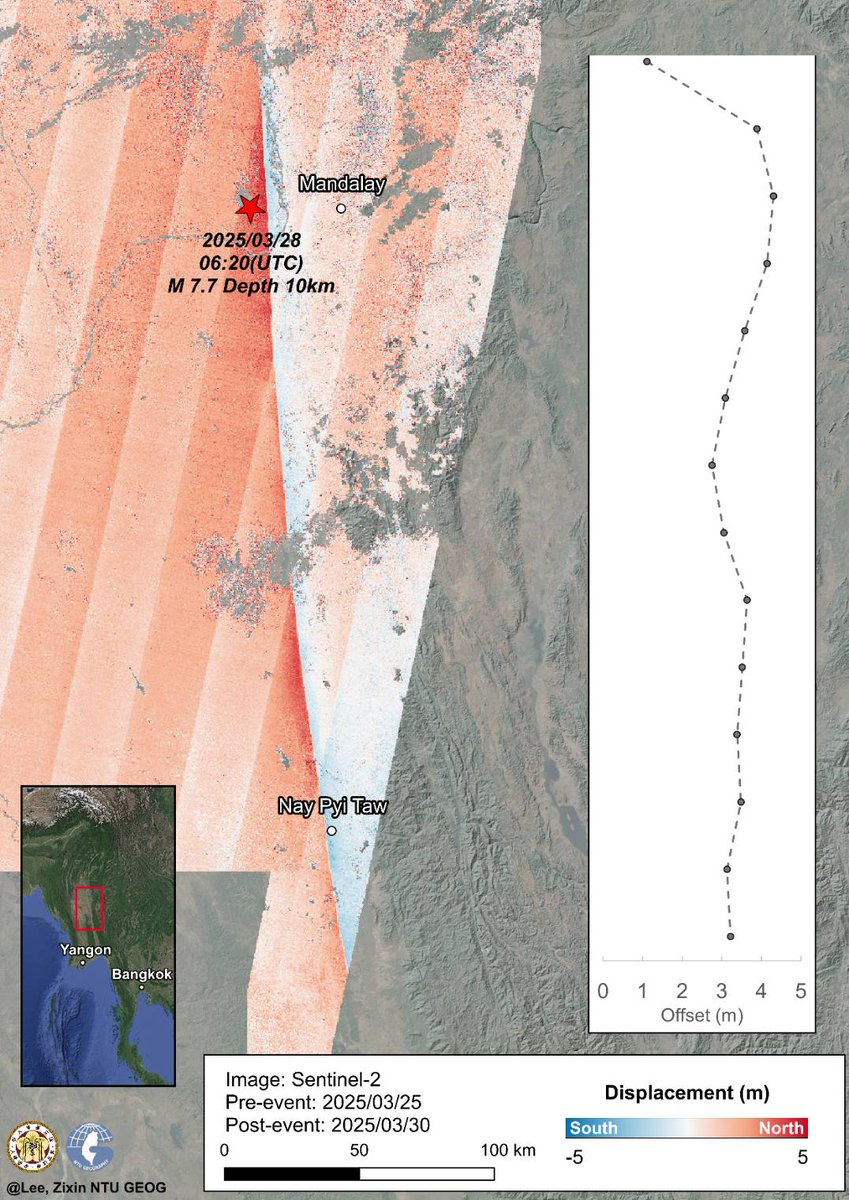
Preliminary coseismic displacements and fault offset of 2025 Myanmar earthquake from @CopernicusEU@ESA#Sentinel2 images, processed by @NTU_TW GEOG
#Copernicus
1. Rupture propagated from N to S
2. Maximum offset >4m
3. Two peaks of fault offset
4. Rupture length >300km
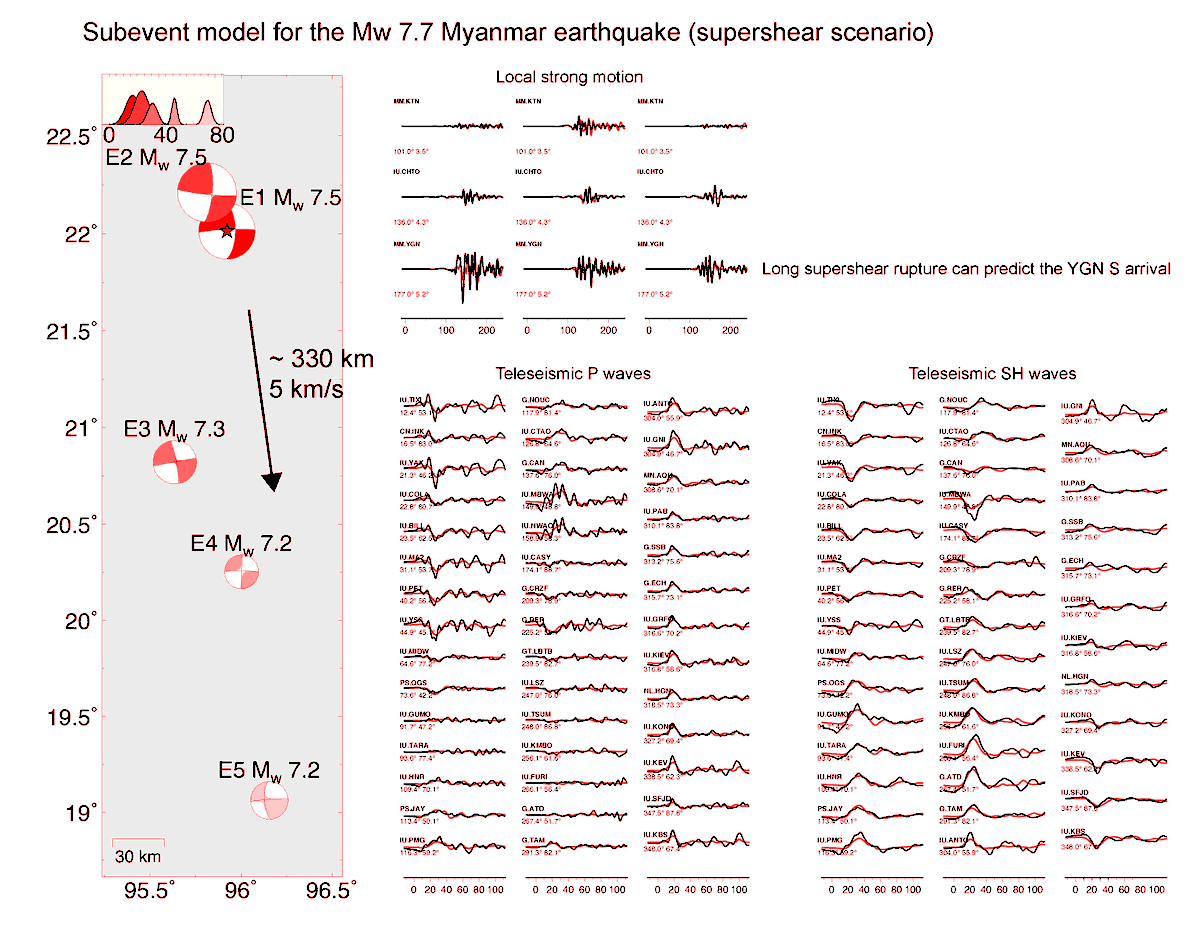
#MyanmarEarthquake may be a long supershear event (~5 km/s, ~350 km rupture), evidenced by S wave arrivals on the strong motion data, which explains strong shaking felt far away. Supershear amplifies damage, calls for urgent rescue needs & infrastructure strengthening.