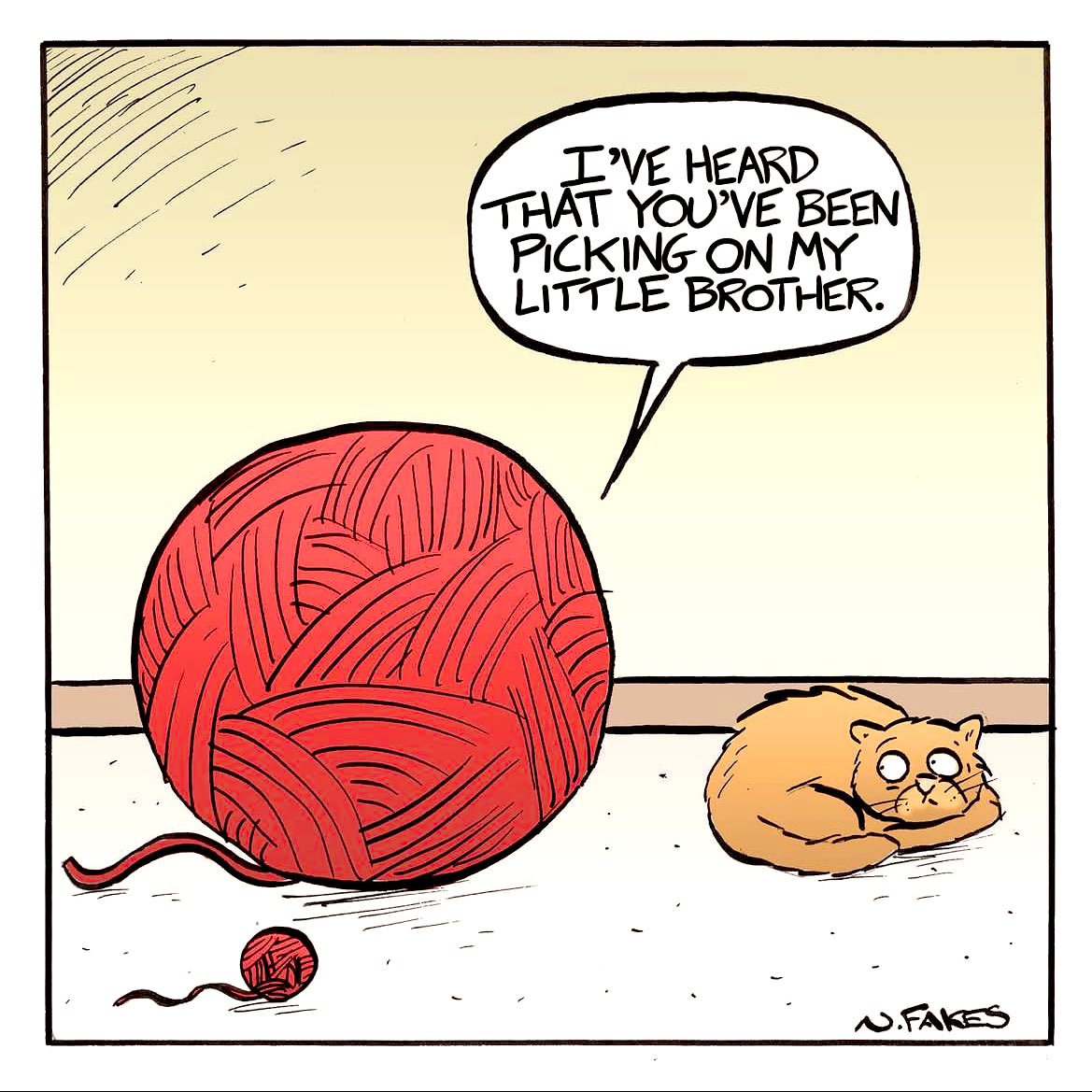
Institutional bullying is an unfortunate reality in many sectors, including the NHS
It's crucial for leadership to take a stand against this toxic behavior, fostering a culture of respect and support.
🖐️SPEAK UP AGAINST #bullying#EndBullying#NHSLeadership
Organisations are designed to produce specific, repeatable processes through specialised roles, norms, & behaviours. When we start working in a new organisation, we learn the social cues to start conforming & fitting in.
It's why, when we set out to lead change, we're likely to find resistance. All of those subtle forces built up over time are designed to support existing behaviours & norms. For large scale change, we need to shift from a "manager mindset" rooted in the status quo, to a "changemaker mindset" that can move things in a different direction. Three shifts are needed:
1) From building consensus to building coalition: build a smaller coalition of people who are already enthusiastic about change & can begin to build new norms & expectations
2) From working in an atmosphere of predictability to one of uncertainty: we won't know if things will work until we've tried them - expect them to go wrong & leave room for testing & error
3) From a focus on implementation to exploration: if we don't explore, we won't find better ways of doing things - or better things to do
We need both a manager & a changemaker mindset. We have to be able to mode shift between them:
https://t.co/U62mJMmbRI. By @Digitaltonto
🚨 NEW ADVISORY STATEMENT 🚨
Management of Adults Presenting to the Emergency Department Who May Require an Emergency Laparotomy 🔗 https://t.co/g1yGE9hCal
🔗 All position and advisory statements: https://t.co/zi6byqCoJ1
#rcemPAS#MedTwitter#EmergencyMedicine
@luke_montecillo@UHSussex Good luck Luke! It was lovely to work with you at both trusts. You are an excellent nurse and UHSussex are lucky to have you back! Will miss you x
Let's make sure all girls can dream all the dreams!
The dream gap is wider for poor girls. I was taught that there were jobs for good girls, and then there were jobs for girls like me. For poor girls from poorer families. (1)
Just over 2 years ago, Martha Mills died in hospital of sepsis. Her tragic death was avoidable and is leading to the introduction of Martha’s law - a right for families to get second opinions.
She died because of a hospital culture – where questioning and challenge were not routine and speaking up was difficult. The law may be changing but its our culture which needs to change.
Everyone of us who works in hospitals, has to ask ourselves, what more can I do to help change the way we work so that others don’t die for the same reason Martha died. We owe it to her. She deserves nothing less.
In this week’s Mail’s health section, I look at why Martha died and how future deaths could be avoided.
@ShepherdCat@SamGoodhand Can’t prescribe, can’t request imaging, we write suggestions not diagnosis or management plans, some might not have advanced physical assessment courses/ regular updates on their professional development, some don’t cannulate. it varies a lot depending on the individual or team
@SophieNHSRN@CharlotteNHSRN Look after yourself and don’t put too much pressure on you. Delegate and remember one day at time. Enjoy going to work and embracing the chaos. Be kind and avoid feeling the guilt (almost impossible at times!)
The next paper in this issue of #NICCJournal aimed to evaluate the demand and efficacy of the critical care outreach service during the COVID-19 pandemic https://t.co/eLTGl25yXX
'What we are witnessing across the NHS is the Mid Staffs scandal playing out at national level, if not worse.'
Book your space on our virtual conference to explore what quality looks and feels like for patients and staff. #KFQuality23 https://t.co/04RJnRCyjp