📣Join us for the upcoming Plantae webinar on June 17 at 5:00 am Eastern time, hosted by the 2025 Plantae Fellows.🌱
👉Free registration at https://t.co/r9HBPPWgN7.
#plantscience
I’m also pleased and excited to share that I will be working with Ali and others as Plant Physiology AFEs starting in 2026. Looking forward to servicing my community.
@pete_crisp will be presenting his talk "The DNA hypomethylome: unlocking crop epigenomics to uncover and engineer hidden diversity" as the 2024 Goldacre Award winner at the ASPS conference. Peter is also featured in the November edition of Phytogen out
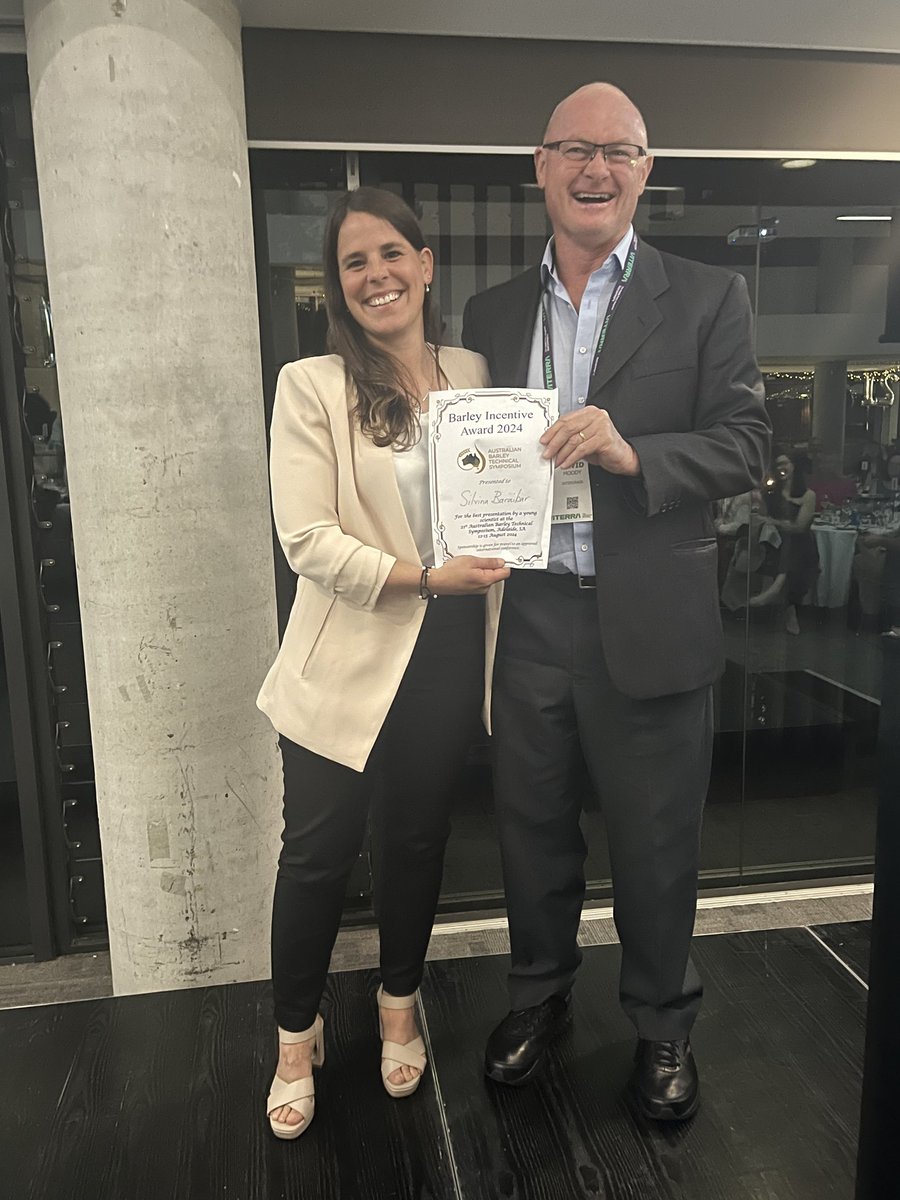
Very proud of James Nix, PhD student @bobfurbank and I supervise, for receiving a poster presentation award at the Asia-Oceania international congress on photosynthesis in Kobe @BiologyANU@futurecropsAU It was an amazing conference! We will see everyone in 4 years in Australia!
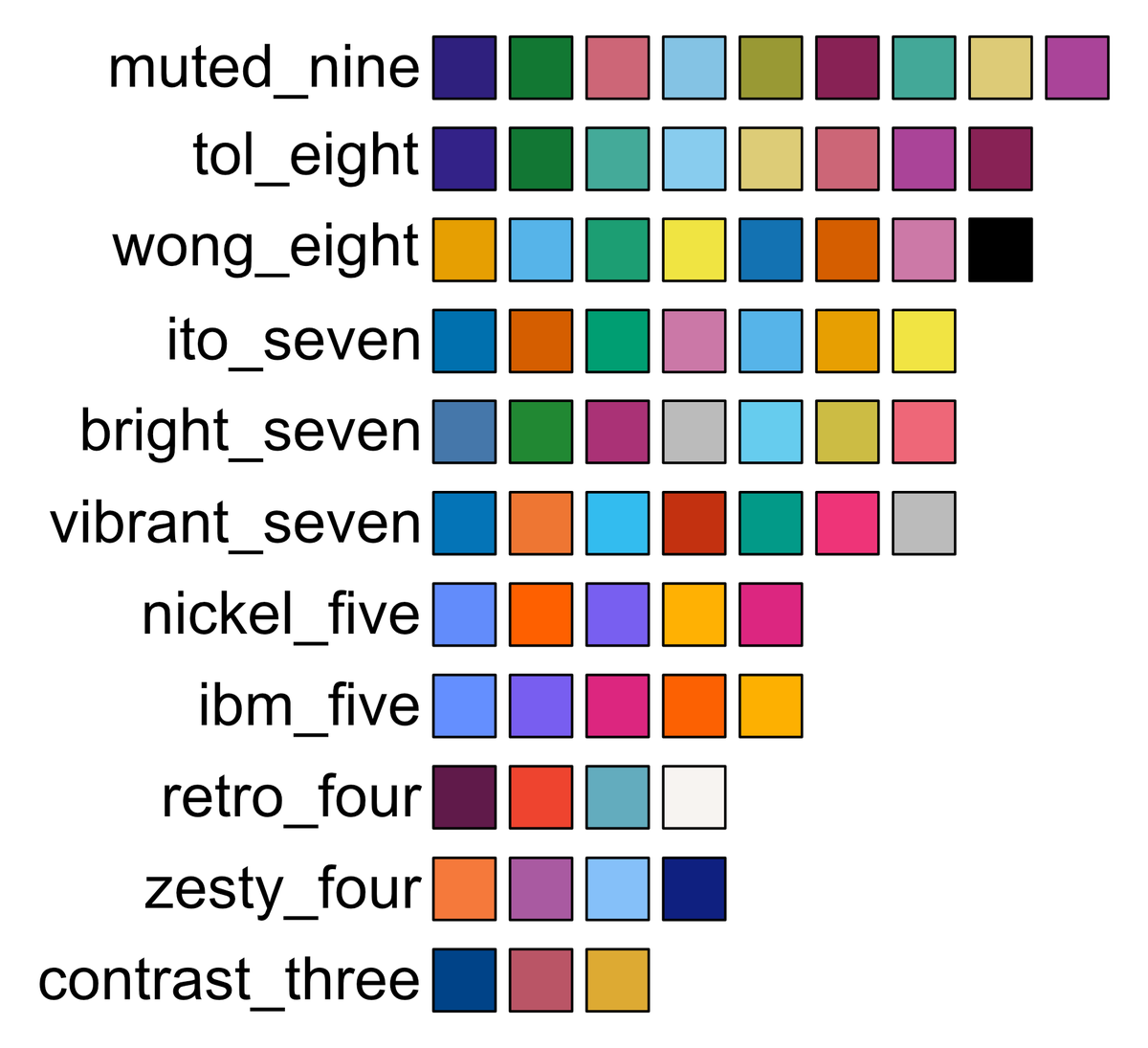
Very helpful! But consider colorblind-friendly color palettes 🎨
ggpubfigs only supports colorblind-friendly color palettes, so it is something users don't even need to think about :D
https://t.co/74GHhAD41T
https://t.co/6gdiRFn0dx
Congratulations to Plant Biologists, Dr @Hendry_S and Dr Michael Taleski who have been awarded the highly prestigious @arc_gov_au#DECRA Fellowship in the 2025 round. https://t.co/W2IdDaxzGa
🎉 Thrilled to share that my first invited insight article, "Unlocking fertility in the female gametophyte: a DEAD-box RNA helicase is essential for embryo sac development and seed setting," is now out in @JXBot@AsadRiaz76 ! 🌱🌾https://t.co/Gy5AdNfym0
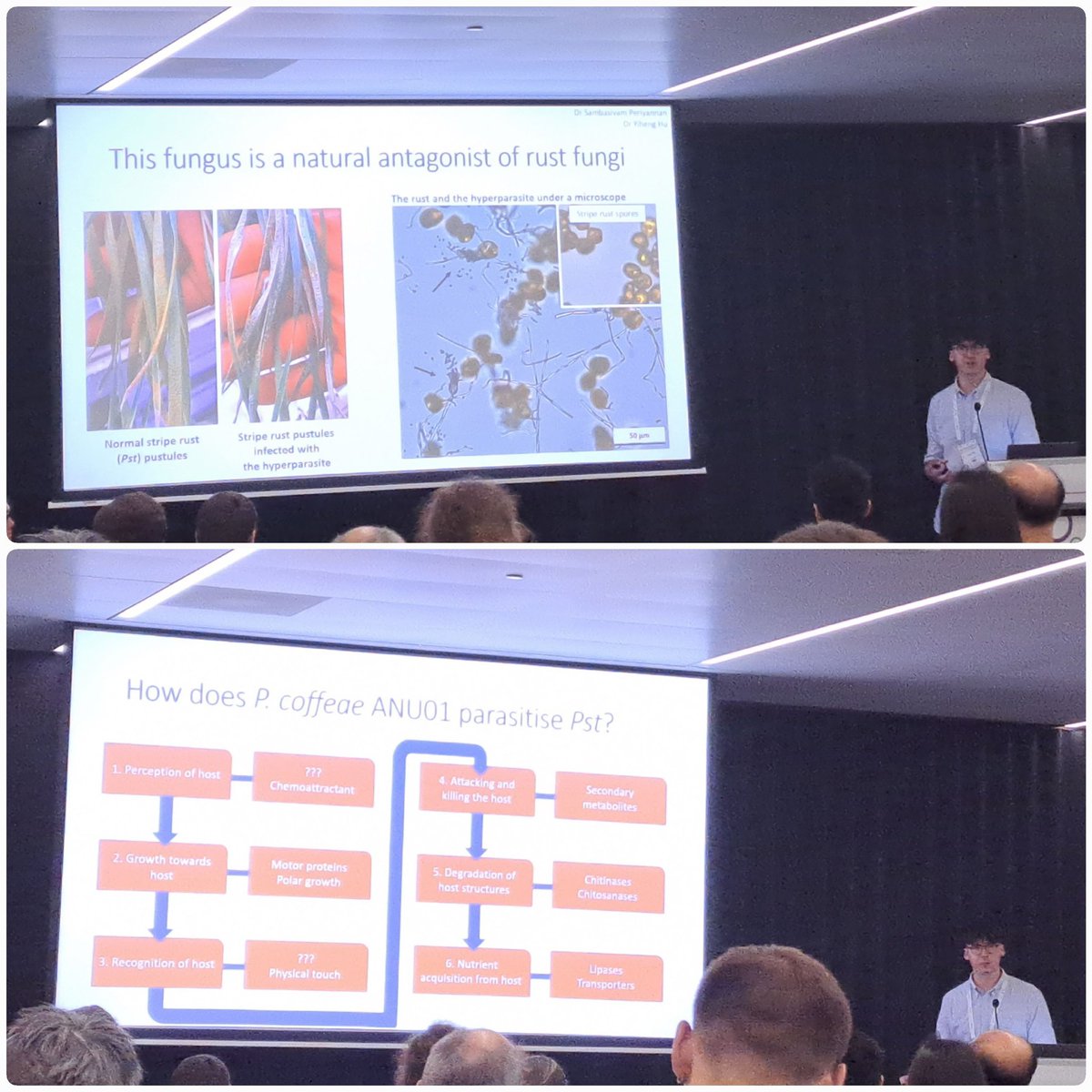
Had such a great time at #IMC12 in Maastricht. Very thankful for the opportunity to present my work on rust hyperparasites and antagonists 🍄🍄, see great science and make new friends 🍻🍻🍻🍻. Now to go home for more CRISPR and plenty of SEM 🔬
Photo cred: @NirodhaWeerara1 🙏🙏
Preprint Alert🌱
Our latest work by @RenChengzhi et al reveals that two distinct oscillatory auxin signals coordinate lateral root development, adapting root architecture to environmental changes like light and temperature. 🌞🌡️
Dive into the details here: https://t.co/PIapzNLFW9
30 Essays to Make You Love Biology
Day 15. "Theory in Biology: Figure 1 or Figure 7?," by Rob Phillips.
This essay beautifully argues that theory should drive biological experiments, and not vice versa.
"Most of the time, if cell biologists use theory at all, it appears at the end of their paper, a parting shot from figure 7. A model is proposed after the experiments are done, and victory is declared if the model ‘fits’ the data."
But such an approach is misguided. As Henri Poincaré once said: "A science is built up of facts as a house is built up of bricks. But a mere accumulation of facts is no more a science than a pile of bricks is a house."
Physicists, mathematicians, theoreticians: Come work on biology. You can drive progress and guide experiments without ever picking up a pipette.
Join us for the upcoming Plantae webinar on June 18 at 7:30 am Eastern Time, hosted by the 2024 Plantae Fellows.
Free registration at https://t.co/SLnmN7wFc8
#plantscience
Plant Science Research Weekly -- Sealing the deal to graft healing: PAT1 as a novel regulator of graft formation (Nat. Plants) @CharlesMelnyk@MingFen30366917 (Summary by Marvin Jin @MarvinJYS) https://t.co/ewkzSb5lu3
#PlantaePSRW
Oh so good. Share this with anyone struggling to write a paper.
"Seek diverse perspectives, embrace feedback, and remember that, in the realm of academic writing, we are all perpetual learners, forever refining our craft."
https://t.co/44YdmOZnZs
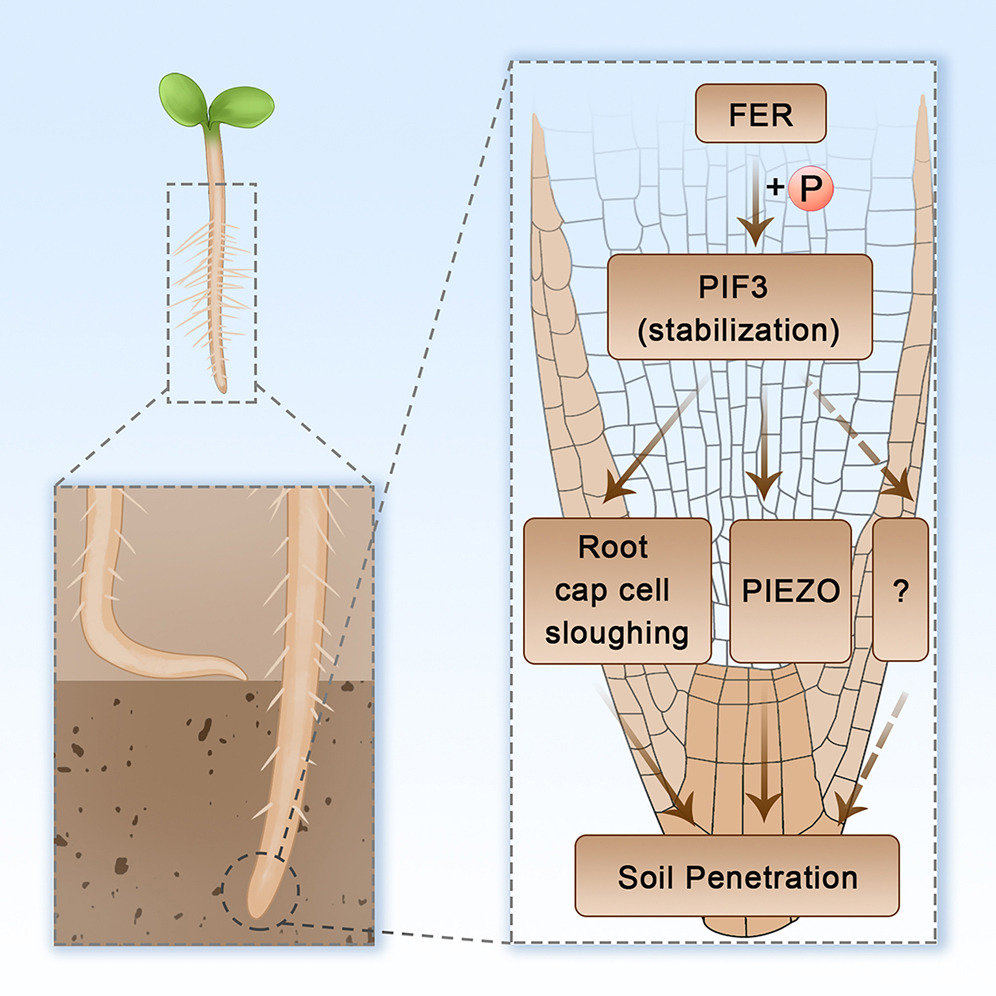
The soil emergence-related transcription factor PIF3 controls root penetration by interacting with the receptor kinase FER @Dev_Cell
https://t.co/hWzDC2bttE