@RetailPro369 This is such a fun example! Even the names on the cans, like Karen and Steve, make each line feel personal to its audience. It's interesting how much the packaging does the targeting before you even read the flavor.
@RetailPro369@MalloryRiske Love this! As a college student, the shower caddy is so relatable. It's smart of e.l.f. to show its products in a real dorm routine instead of a typical beauty shot.
@RetailPro369 Such a good example! I didn't realize AI search picks brands based on how well they answer specific questions. It makes me curious which fashion brands are doing this well.
Working toward a career in fashion, this changed how I read labels. Most shoppers say biodegradability matters, yet only 15% of tossed textiles get reused. My take: check fiber content and wear what you own longer. Would you pay more for 100% cotton? X5 @RetailPro369
Did you know the average person may swallow about a credit card's worth of plastic every week? A big contributor is our clothes. Synthetic fabrics shed tiny plastic fibers every wash, while cotton naturally breaks down. #Sustainability#Microplastics
JetBlue captured the dad who circles Arrivals until you land. It connects and entertains instead of selling, while showing off its seatback TVs. Their goal is brand affinity. It works because it fits their family-friendly image, proof a relatable moment beats a promo.
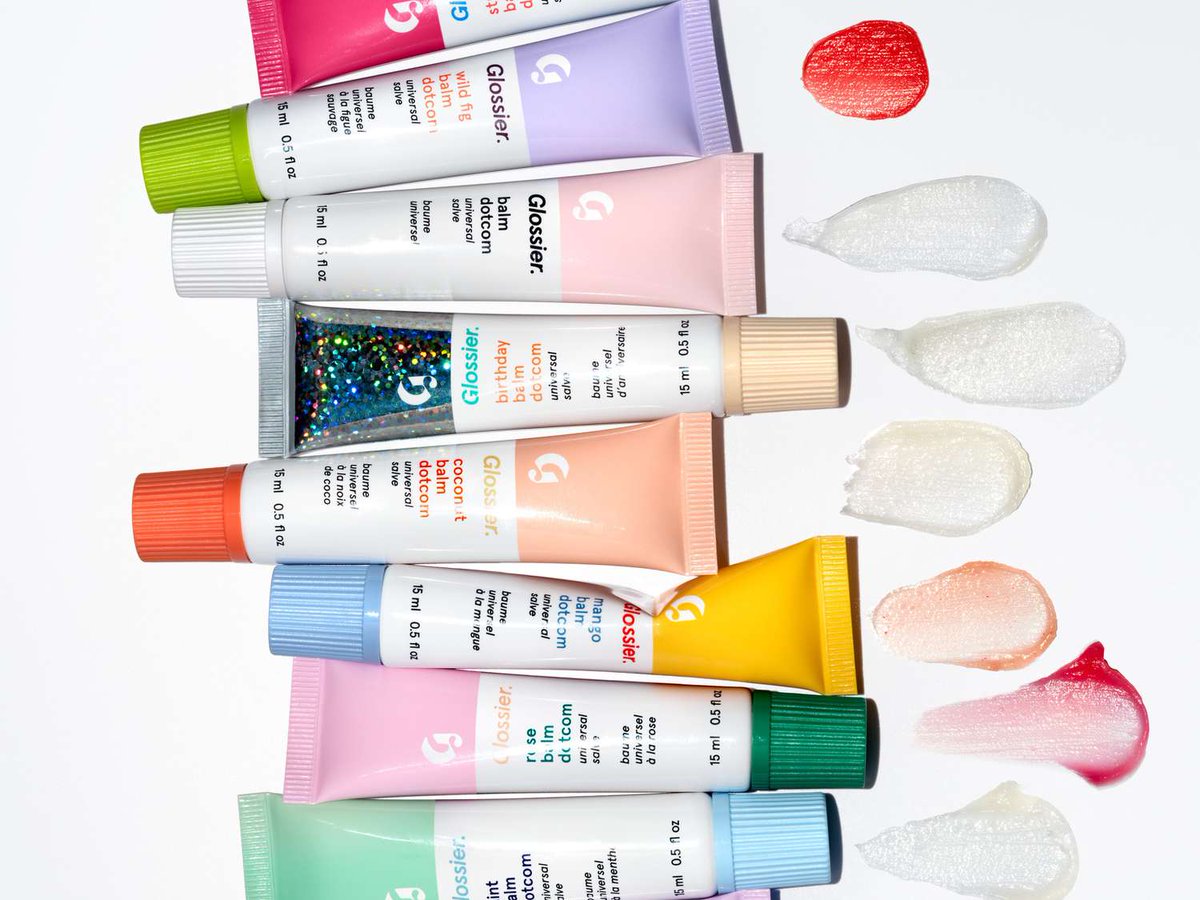
Here's the shift: when someone asks ChatGPT, "what's a good tinted moisturizer," or searches "the balm dot com," Glossier shows up because their branding IS the search term. Being the trusted, citable answer now matters more than ranking #1. X4 @RetailPro369
SEO and User Experience are still treated as separate jobs, but they're not. Glossier's website proves this: minimal filters, benefit-first product copy, and consistent brand language across its platforms and reviews. Search engines and AI tools reward this consistency.
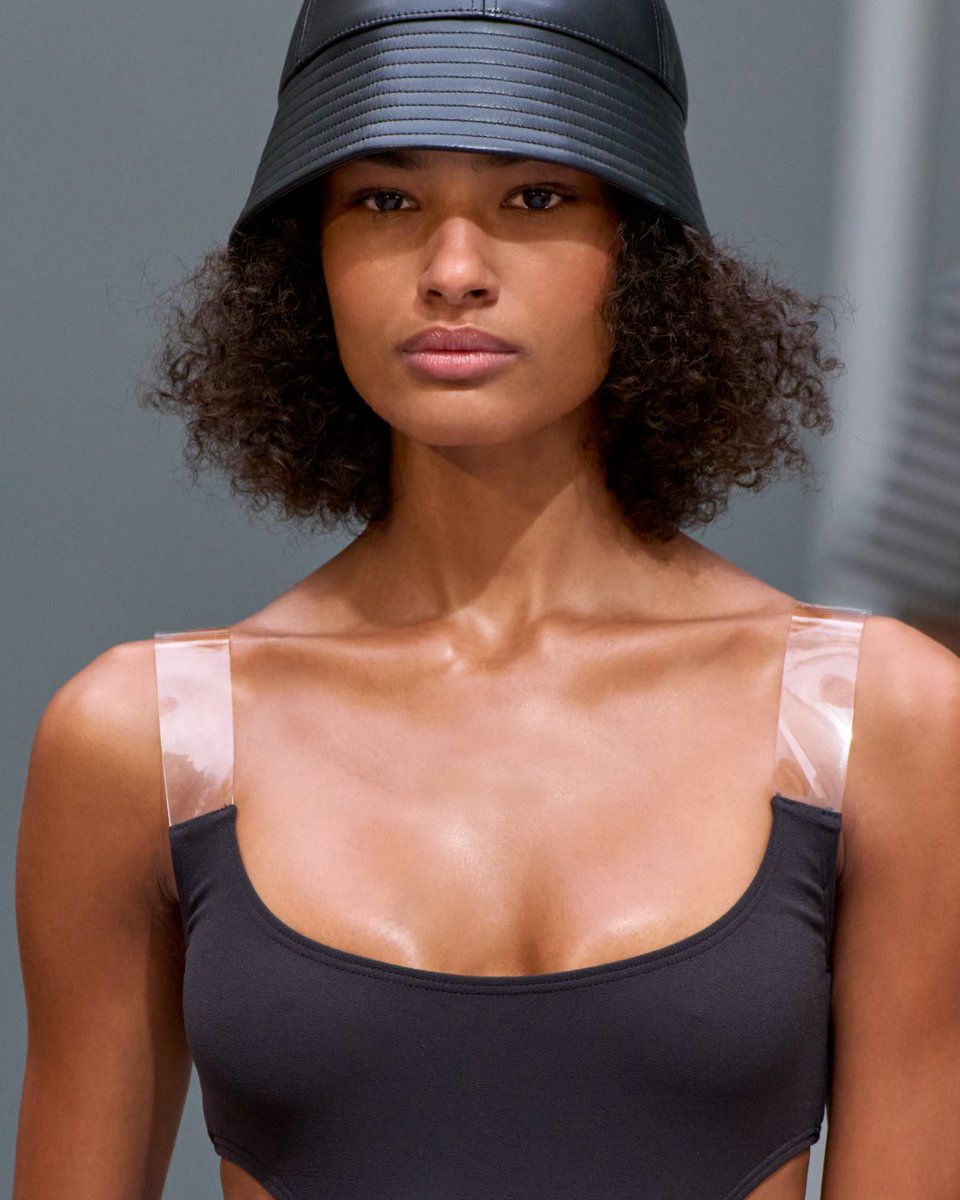
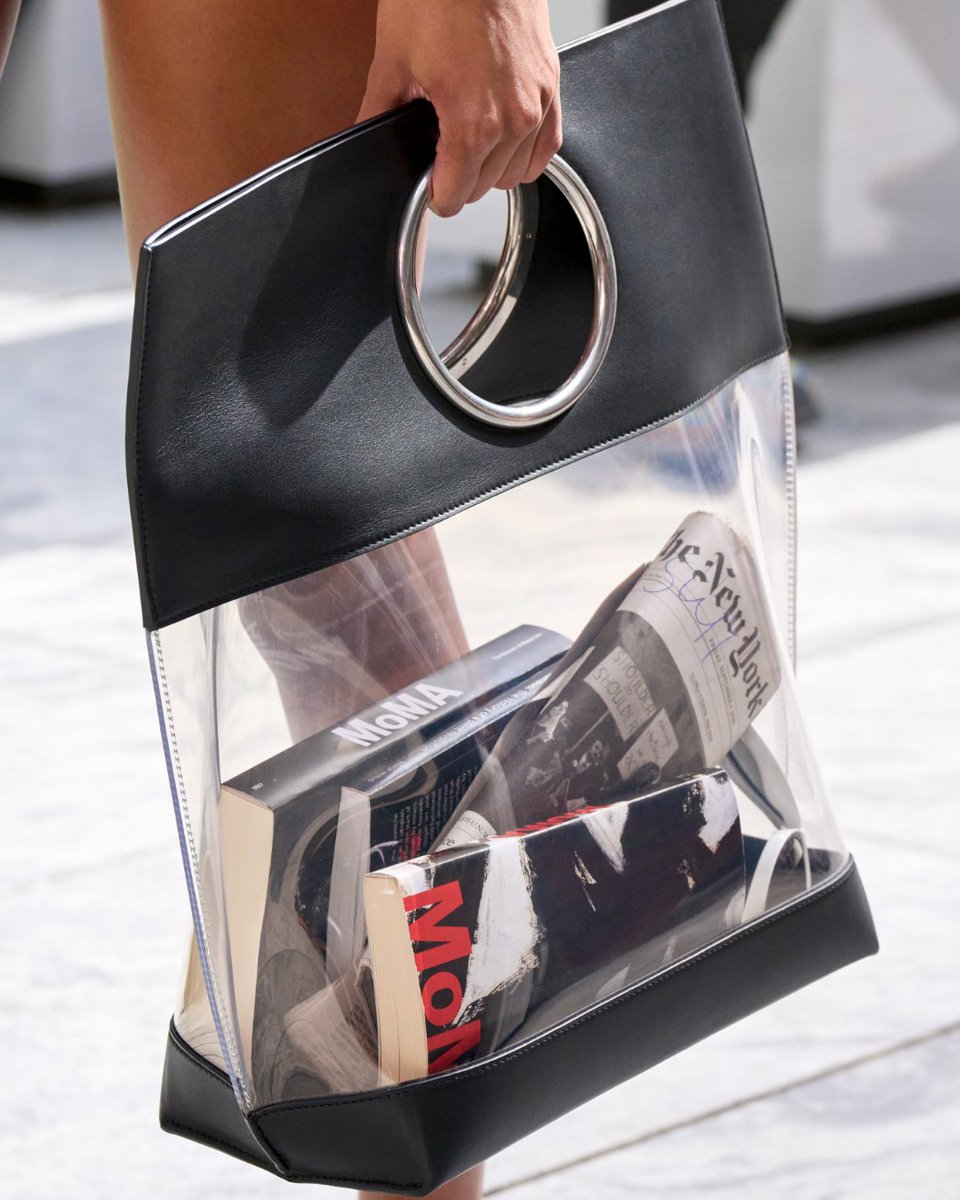
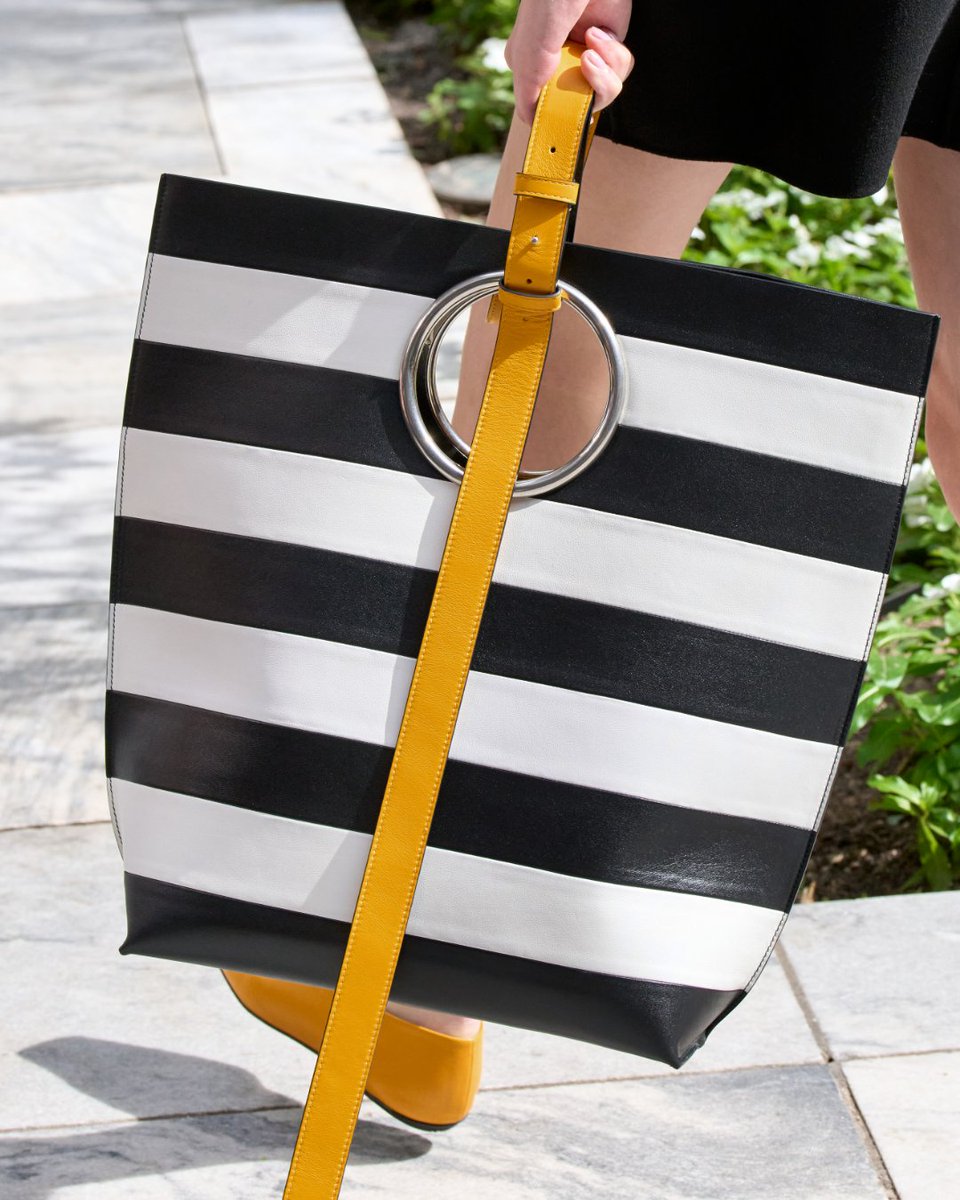
Beyond MK's core affluent shopper, this speaks to the aspiring Gen Z career starter: 22-26, building her first professional wardrobe. She's budget-conscious but design-literate. This works because it sells aspiration, not price, building brand affinity before she can afford it.
Compare this to Zara, which wins on new styles every week and price, but has no big quality story attached. Quince is betting that "affordable luxury" builds more loyalty long-term. Which wins you over: fast and cheap, or premium for less?
X3 @RetailPro369
Do you ever notice how Quince blew up while charging half of what J.Crew does for similar cashmere? It's not just "cheap"; it's positioned as luxury without the markup. That's price/quality positioning: compete on better value or high quality, not just a lower price tag.
@Celesnogueras Love this post! VS clung to one narrow ideal for too long, while Aerie/Savage X Fenty scooped up the inclusivity space. This is proof that positioning has to evolve with your customer base, not stay frozen in time.
The payoff is millions of dollars in sales within 4 minutes of a single drop. No huge ad spend required, just a tight feedback loop between founder and superfans. The promotion is built on belonging, not banners.
X2 @RetailPro369
Most activewear brands promote through ads. Set Active promotes through access. Founder Lindsey Carter built “Linny’s Circle,” a personal broadcast channel on Instagram, where her most engaged followers get early looks, direct updates, and a real voice in what she makes next.
Set plans their drops 8 months out and deliberately evolve past their own trends before competitors can copy them. Constant newness and scarcity keep their community checking back instead of scrolling past.
@RetailPro369 arke understands Gen Z consumers well. Parke launches “drops” every so often that have trendy colors, patterns, styles, etc. The Gen Z consumer likes the engage with these drops and get the “limited edition/time” products. S3