Carbohydrate strategies for elite long distance endurance 🚴
PRE-COMPETITION 🔋
⏱️ Event < 90 min = 6 - 12 g/kg in 24-hr prior
⏱️ Event > 90 min = 10 - 12 g/kg/day in 36 - 48-hr prior
❌ Do not exceed 75 g carbs in final pre-race meal
⏰ Consume pre-race meal at least 2-hr prior to race
❌ Do not consume high doses of carbs 60 - 30 min prior to race
🥤 Mouth rinse may be preferable
DURING COMPETITION 🎽
⏱️ Events > 150 min = 60 - 90 g/hr
⏱️ Events 60 - 150 min = 30 - 60 g/hr
⏱️ Events ≤ 60 min = carb mouth rinse
POST-COMPETITION 🏆
After glycogen depletion…
⏰ Muscle glycogen takes 24-hr to recover
⏰ Liver glycogen takes 11-hr to recover
⏳ Within 4-hr = 1.0 - 1.2 g/kg/hr carbs
⏳ Within 24-hr = 8 - 10 g/kg
📈 Sustaining 8 g/kg/day for 36 - 48-hr can lead to muscle glycogen supercompensation
CARBOHYDRATE PROPERTIES 🔬
👉 Combined glucose + fructose (2:1) to reduce GI discomfort
👉 Highly branched cyclodextrin = low osmolality, fast gastric emptying, reduced GI discomfort
👉 Gels = fast gastric emptying / absorbing
🥤 6% glucose or 8 - 10% glucose+fructose solution is advised
🥤 Some athletes see benefits with high concentration solutions ~ 200 g/L
SYNERGISTIC NUTRIENTS 🧂
🥤 Carbs 0.8 g/kg/hr + 0.2 - 0.4 g/kg/hr protein post-exercise to speed glycogen recovery
🧂 Sodium = 30 - 50 mmol/L to enhance glucose uptake and utilisation
☕️ Caffeine = 6 - 9 mg/kg 60-min prior to exercise to increase fat oxidation and spare muscle glycogen
⏱️ In 4-hr post-race = 1.2 g/kg carbs + 8 mg/kg caffeine accelerates muscle glycogen recovery
GASTROINTESTINAL FUNCTION 🛠️
Training the gut protocol ⬇️
🗓️ 10 training sessions over 2-wks
🫀 60% VO2max for 60-min
⏱️ 30g carb gel at 0, 20, 40-min
= reduced GI discomfort + enhanced performance 🏆
INDIVIDUAL DIFFERENCES 🙋♂️
Test where possible and personalise strategies based on following factors…
👉 Age / Weight / Sex / Preference
ALTITUDE 🏔️
Athletes may benefit from improving GI function, prioritising glycogen loading and increasing habitual carb intake 📈
HEAT & HUMIDITY 🥵
👉 Amplified demand for endogenous carbohydrate
💧 Shift to fluid sources of carbs to maintain hydration status
🧊 Practice carb ice slushy ingestion
COLD ENVIRONMENTS 🥶
⚠️ Increased risk of glycogen depletion and hypoglycaemia
🌡️ Consume carb solutions with warm water to elevate core temp
🩸 Real time blood glucose monitoring may be useful
COMPETITION ANXIETY 😰
Anxiety can affect appetite, increase GI issues and increase glycogen depletion due to catecholamine release 🧠
Athletes who experience anxiety may benefit more from advanced carb loading strategies and increased total carb intake ✅
Carbohydrate intake for endurance performance is far from simple, it’s not just about eating a big bowl of pasta the night before 🍝
The ISSN Position Stand on nutrition and weight cutting for combat sports 💥🥊
Nutritional strategies and manipulation of dietary intake must take place in combat sports to optimise performance and weight cut safely ⚖️
But what are the best strategies to employ that are supported by science? 🧐
This new review and position stand by the ISSN highlighted these areas 🔍
Here are the 16 key findings ⬇️
1. Differing weight categories, weigh-in times + competition frequencies ➡️ influence the nutritional and weight cut strategies for training and competition 🏆
2. As match duration ↗️ (>4 min) contribution of the aerobic system can rise to >70%, yet anaerobic alactic pathways and anaerobic glycolytic pathways support high-output bursts💥
3. During the off camp/general prep phase, athletes should maintain a weight ranging 12 - 15% max above the weight division requirement ⚖️
4. Supplements including creatine, beta-alanine, HMB and caffeine have been shown to ⬆️ performance and/or recovery during preparation phases, competition, and post-competition 💊
5. During fight camp, strategic decreases in calorie intake are necessary for an efficient longitudinal weight descent. Individual caloric needs can be determined using indirect calorimetry or validated equations 📉
6. Protein should be prioritised during longitudinal weight loss to preserve lean body mass + timely delivery of carbohydrates supports training demands. Daily macros should not drop below…
🥔 Carbs 3 - 4 g/kg
🥩 Protein 1.2 - 2.0 g/kg
🥑 Fat 0.5 to 1.0 g/kg
7. Suitable losses in body mass range from…
👉 6.7% at 72 h
👉 5.7% at 48 h
👉 4.4% at 24 h
…prior to weigh-in ⏰
8. Sodium restriction and water loading are effective for inducing polyuria and acute water loss🧂
9. During fight week, water-bound glycogen stores can be depleted through exercise and carbohydrate restriction, resulting in 1 - 2% loss in body mass, with equivalent losses from a low-fiber intake of <10 g/day for 4 -days 🌾
10. During fight week, acute water loss strategies including…
🥵 Sauna
🛁 Hot water immersion
🤕 Mummy wraps
…can be used effectively with appropriate supervision (optimally ~2 - 4% of body mass within 24 h of weigh-in)⏱️
11. Post-weigh-in, rapid weight gain strategies are utilised to recover lost body fluid/mass before competition with the intent of gaining a competitive advantage 📈
12. Oral rehydration solutions (1 - 1.5 liters/h) combined with a sodium range of 50 - 90 mmol/dL should take precedence immediately post-weigh-in🥤
13. Fast-acting carbs at a tolerable rate of ≤ 60 g/h should follow oral rehydration solutions. Post weigh-in intake of fiber should be limited to avoid gastrointestinal distress 🍌
14. Post-weigh-in carbohydrate intake at 8 - 12 g/kg may be appropriate for combat athletes that undertook significant glycogen depletion strategies during fight week. About 4 - 7 g/kg may be suitable for modest carbohydrate restriction 🍝
15. Post weigh-in, rehydration/refueling protocols should aim to regain ≥10% of body mass to mitigate declines in performance and the negative effects of rapid weight loss 🔋
16. The long-term effects of frequent weight cuts on health and performance are unknown, necessitating further research 🔬
ISSN are the undisputed champ of these types of scientific papers 🏆
The #IOC statement on "fairness, inclusion & nondiscrimination" based on gender identity and sex is spot on—if you ignore the last 200 years of scientific knowledge on the biological basis of performance.
➡️https://t.co/k0oz724WJM
First group of students decided to modify my slides during today's practical. I only realized this during the practical after. I melted.
"Best teacher!"
The Black Hole Trail, a 150-meter-altitude mountain bike trail through the abandoned tunnels of the Mežica Mine in Slovenia.
[📹 jono jones]
https://t.co/14tTg5Jj6w
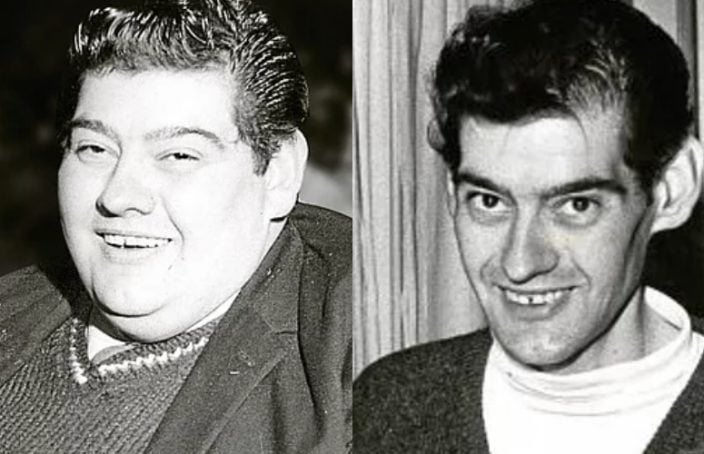
Scottish man Angus Barbieri fasted for 392 days, from June 14, 1965 to July 11, 1966. He lived on tea, coffee, soda water, and vitamins while living at home in Tayport, Scotland, and frequently visiting Maryfield Hospital for medical evaluation. He lost 276 pounds and set a record for the length of a fast.
This is a beautiful study, answering many of the questions we clinicians and our patients are asking:
🤔What happens if I stop the GLP1?
Here's one punch line that we all could've guessed:
⭐️Exercise mitigates #weight regain when anti #obesity#medicine is stopped⭐️
But there's a lot more to observe here:
🧵1/
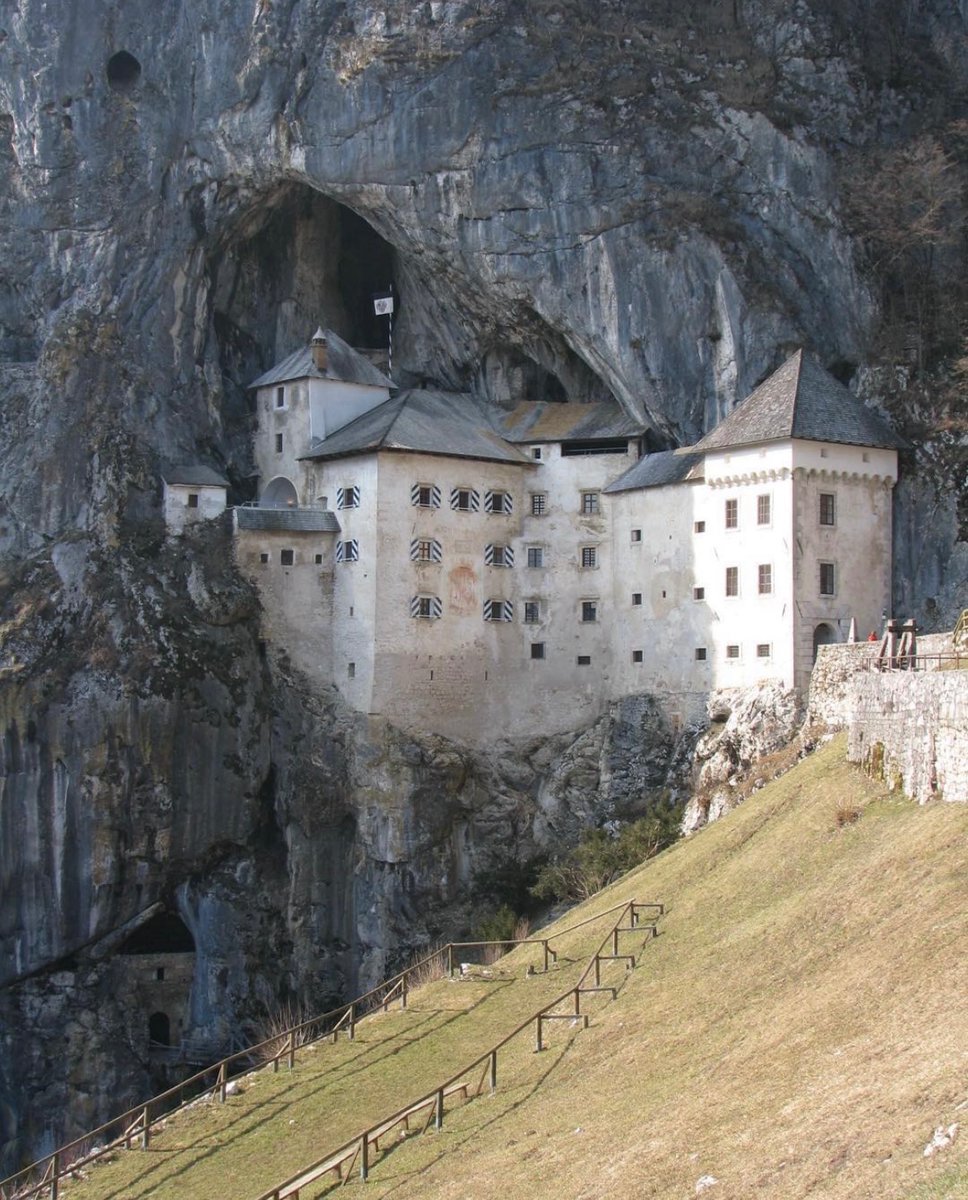
The Predjama Castle in Slovenia has been perched in the middle of a 123m high cliff for more than 800 years. It's the largest cave castle in the world, with a network of secret tunnels behind it that allowed the robber baron Erasmus to continue with his robberies.
This is a fantastic video by Keith Baar on the tendon (and connective tissue in general) characteristics, training and nutritional supplements. A must-watch! https://t.co/wrJQzcbA2j
When you see thousands of people celebrating rape and murder by a proscribed terrorist organisation as the police stand and watch in major European cities, you know things are bad.
But this is only going to get worse. We import more people who think this way every...
I can hardly stomach all the videos of what's going on in Israel, but especially the ones where Israeli women are being kidnapped, tortured, raped and then paraded around.
All while chanting Allahu Akbar (God is great)... I'm sick
Scottish man Angus Barbieri fasted for 392 days, from June 14, 1965 to July 11, 1966. He lived on tea, coffee, soda water, and vitamins while living at home in Tayport, Scotland, and frequently visiting Maryfield Hospital for medical evaluation. He lost 276 pounds and set a record for the length of a fast.