The individual surgeons in a group will each tend to occupy their own unique spot on this scale.
It's one reason why a daily group 'sign-out' is useful -- it tends to moderate the surgeons that are outliers on either end.
How best to diagnose blunt traumatic aortic injuries is always an interesting academic discussion. This systematic review concluded that contrast-enhanced CT scan should be the reference standard. Of note, CXR is not a reliable diagnostic modality.
@AndrewMCameron@SAGES_Updates The robots performance will only improve. Eventually the surgeons role will be to help diagnose, explain risks and benifits, coordinate perioperative planning, access the abdomen, assist with critical decision making, and be there to help/rescue if things don’t go well.
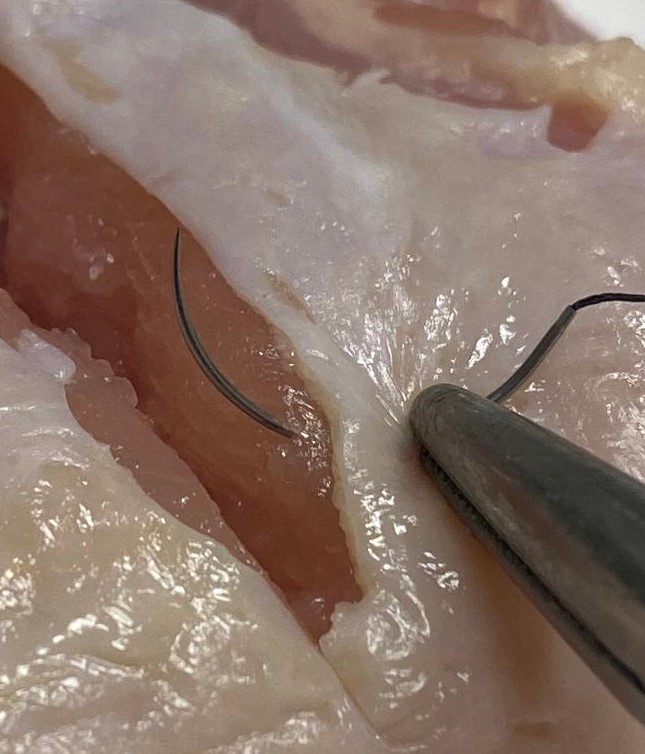
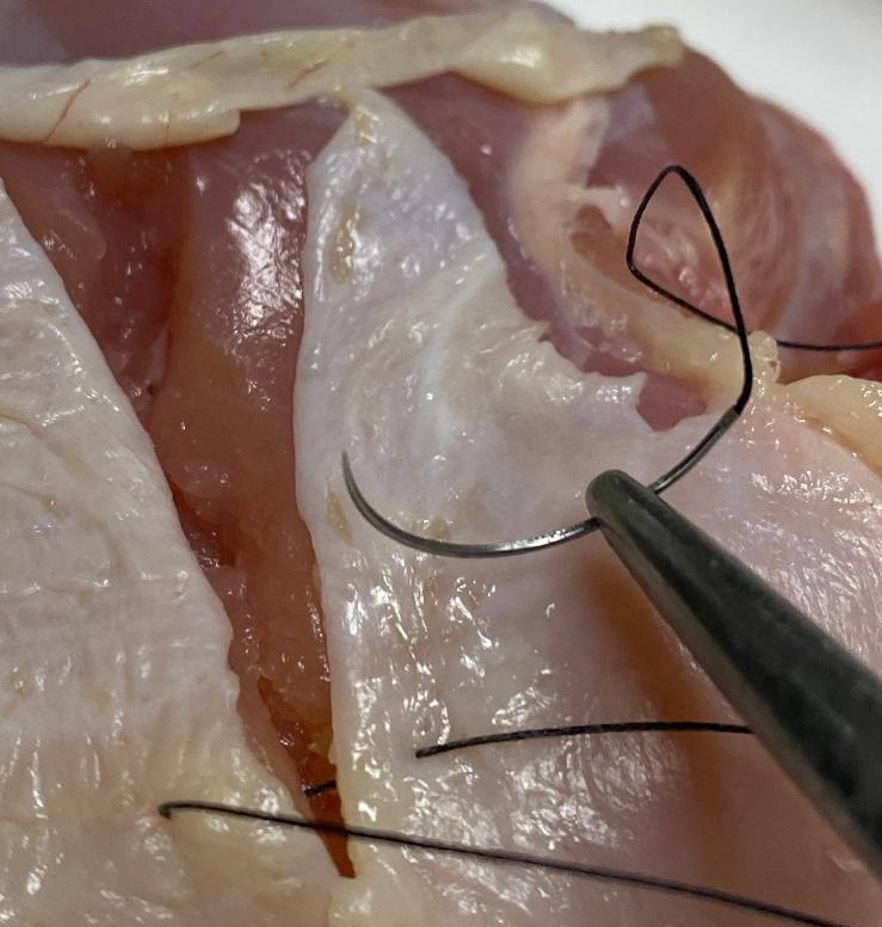
🧵regarding some techniques for reloading the needle holder for the next suture throw.
In particular: the methods for doing this one-handed (without your forceps), why you would want to be able to do this, how to do it, and how to adjust the needle without grabbing it.
(1/ )
After 21 years at my dream job, I’m very sad to announce my early retirement from the National Institutes of Health. My life’s work has been to scientifically study how our food environment affects what we eat, and how what we eat affects our physiology. Lately, I’ve focused on unravelling the reasons why diets high in ultra-processed food are linked to epidemic proportions of chronic diseases such as diabetes and obesity. Our research leads the world on this topic.
Given recent bipartisan goals to prevent diet-related chronic diseases, and new agency leadership professing to prioritize scientific investigation of ultra-processed foods, I had hoped to expand our research program with ambitious plans to more rapidly and efficiently determine how our food is likely making Americans chronically sick.
Unfortunately, recent events have made me question whether NIH continues to be a place where I can freely conduct unbiased science. Specifically, I experienced censorship in the reporting of our research because of agency concerns that it did not appear to fully support preconceived narratives of my agency’s leadership about ultra-processed food addiction.
I was hoping this was an aberration. So, weeks ago I wrote to my agency’s leadership expressing my concerns and requested time to discuss these issues, but I never received a response. Without any reassurance there wouldn’t be continued censorship or meddling in our research, I felt compelled to accept early retirement to preserve health insurance for my family. (Resigning later in protest of any future meddling or censorship would result in losing that benefit.) Due to very tight deadlines to make this decision, I don’t yet have plans for my future career.
The NIH has been a wonderful place because it allows scientists to take risks, form unique collaborations, and do studies difficult to conduct elsewhere. I’m proud of what we’ve accomplished and I’m fortunate to have had such wonderful colleagues and scientific collaborators. I hope to someday return to government service and lead a research program that will continue to provide gold-standard science to make Americans healthy.
I’m excited to share that I am running for Congress in Texas’ 32nd District, here in the heart of Dallas where I live with my family. I’m an Air Force veteran, a trauma surgeon, & a gun safety advocate. Join our team today: https://t.co/5ebvEJebDS #DrBrianWilliamsforCongress 1/6