For my first post, I’m sharing a letter @NVIDIA signed on why open models matter.
AI will transform every industry, power every company, and be built by every country.
Open models strengthen safety and cybersecurity, accelerate innovation and diffusion, and enable sovereignty.
The world needs both frontier closed models and frontier open models.
https://t.co/AUKzoQ5Ikb
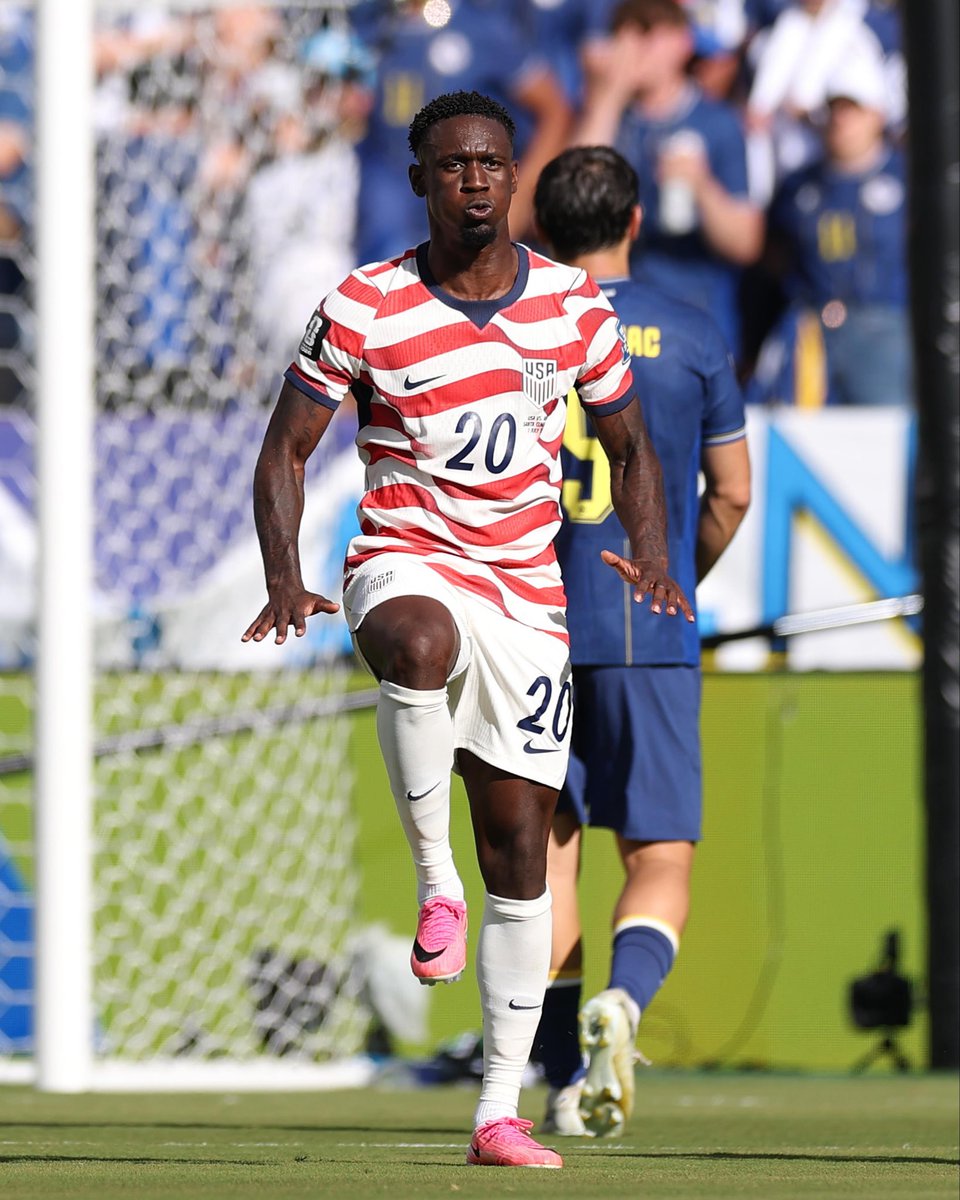
My debut World Cup… it hurts to wait 4 years to compete at the highest level our sport has to offer. I want to say sorry to our fans it was not good enough when it mattered most and we let you down
Soccer in America will only become bigger the belief, the talent, and the passion is continually growing and I know the best days are in front of us, the future belongs to those who never stop believing, this moment will fuel us. We will be back
Why not us?
For the nation. For the flag.
🇺🇸🦅
B
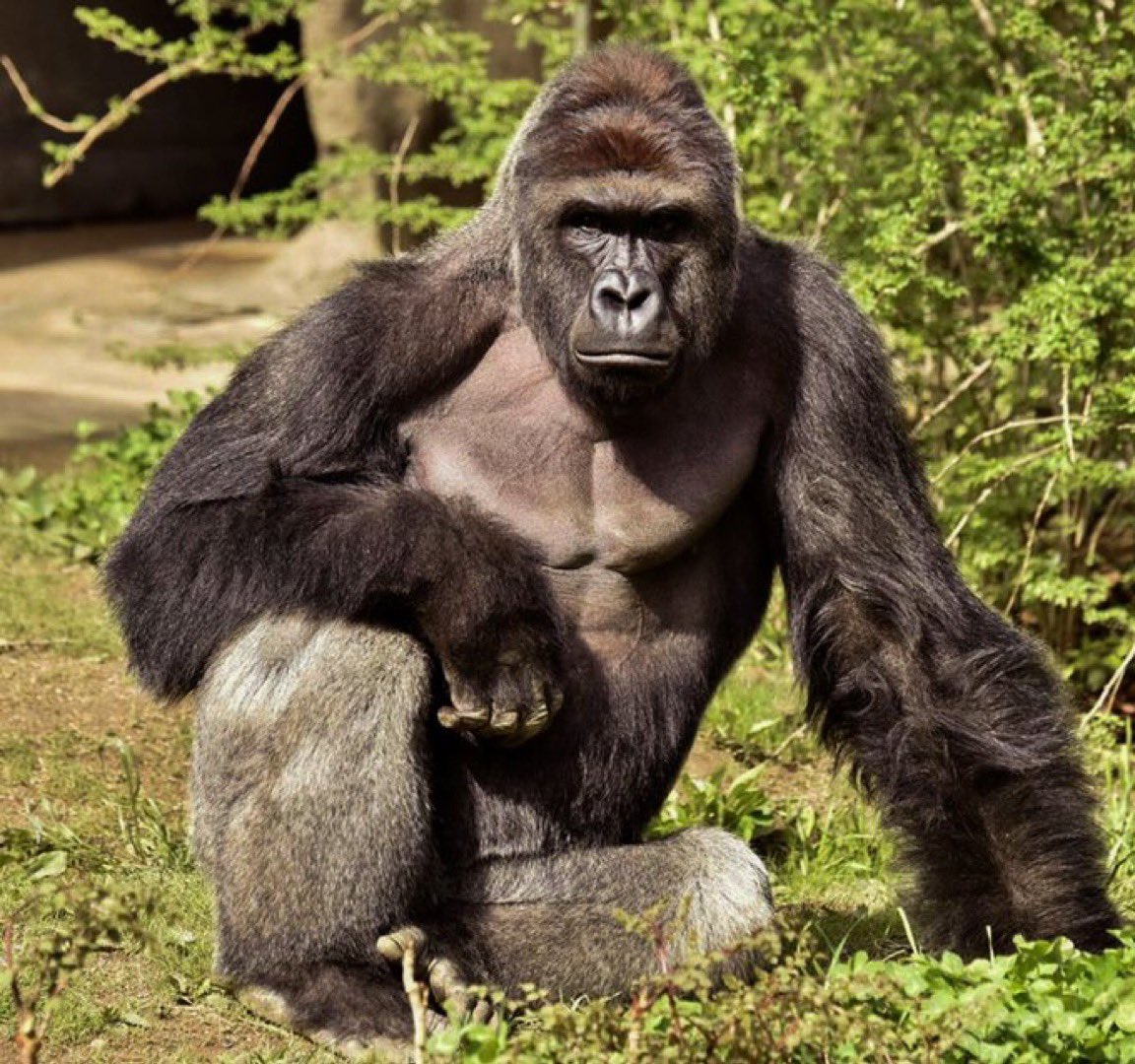
Today, we remember a legend.
On this day in history, Harambe would have celebrated another birthday. An icon that became part of internet history, American culture, and an entire generation’s timeline.
Tomorrow marks 10 years since we lost him. Ten years since the moment the world stopped scrolling and collectively mourned something bigger than a meme.
He became a symbol of loyalty, strength, chaos, unity, and the strange beauty of the internet bringing millions of people together for one cause: never forgetting Harambe.
Everyone remembers where they were when they heard the news. And somehow, a decade later, his legacy still lives on.
Gone, but never forgotten.
Rest easy to a true patriot. 🕊️🇺🇸
May 27, 1999 — May 28, 2016
Forever in our hearts.
Watching @ZohranKMamdani's oafish, unprovoked attack on Ken Griffin blow up in his face in real time tells us so much about how contemporary leftism has been reconfigured by its elite practitioners.
Firstly, Mamdani is not a "have-not." He is a Bowdoin graduate, the son of a Columbia professor and an internationally celebrated filmmaker, whose path to a New York City mayoralty ran through exactly the credentialed-creative pipeline that produces most of his voters.
His base is not the working class. It is the downwardly mobile but college-educated, who were promised a particular kind of life by their degrees and are furious it didn't arrive, and who have decided the people standing between them and that life are not the radicalized professors who sold them seductive fictions or the ideologically captured universities that took their money, but a hedge fund manager in Miami.
This is what I'd call Privilege Populism. The aesthetics of class struggle, performed by people whose parents or grandparents technically already won the class struggle, but with the appropriated symbolism recast in the direction of people who won it slightly more.
It is war between the "haves" versus "have-mores," as some others have put it.
The Mamdani's inciting video, gleeful in its innumeracy about about whether a $500 million pied-à-terre tax can actually fund anything it claims to, defiant in its ignorance about the dynamic effects of such taxation on human behavior and wealth outmigration, is the genre's mature form.
Griffin's response is the part worth watching. He didn't argue or issue a statement offering a philosophical defense of capitalism. He simply pointed to his Miami construction project and said: this is the way.
Then he said the part that should make every blue-state mayor uncomfortable: that what's happening in New York is "triggering the trauma I went through in Chicago."
I watched that trauma play out for twenty years. Progressive politicians perform to excite the grievances and resentments of credentialed creatives, the productive class that subsidizes the city quietly relocates, the tax base hollows out, and the people who stay behind look at the resulting societal decline around them and misinterpret it as proof that they must vote even further to the left than before in order to improve things.
In a warped but unignorable way, liberal mismanagement of states like Illinois and New York helped nurse the conservative governance triumphs of Florida and Texas.
The Privilege Populists never figure this out, because the point is never truly to improve the lives of the "have-nots." It's to *perform* therapeutic acts of Resistance for them, on camera, against "villains" who can afford to leave and do.
I believe AI will deliver enormous gains to the global consumer: better products, better services, better healthcare, and tools that make ordinary people more capable, even superhuman. The upside is so large, and the geopolitical stakes so real, that we should move decisively toward it, not choke it off.
But people do not experience technological change as an aggregate statistic. They experience it through their bills, their communities, and their jobs.
So the issue is not whether AI will create value. It will. The issue is whether the path to those gains asks particular communities and workers to absorb too much of the cost upfront.
The institutions building AI cannot externalize the local costs of scaling and call future abundance the answer. If datacenters place major new demands on power and land, they should invest enough to strengthen the grid, ease pressure on bills, expand the tax base, and create durable jobs. And if AI compresses some of the entry-level work people used to learn on, firms should help build new on-ramps and training pathways into the new work that growth is creating.
This is not an argument for slowing the buildout down. It is an argument that rapid technological progress has to be socially durable.
Hello, Moon. It’s great to be back.
Here’s a taste of what the Artemis II astronauts photographed during their flight around the Moon. Check out more photos from the mission: https://t.co/rzM1P0QbOl