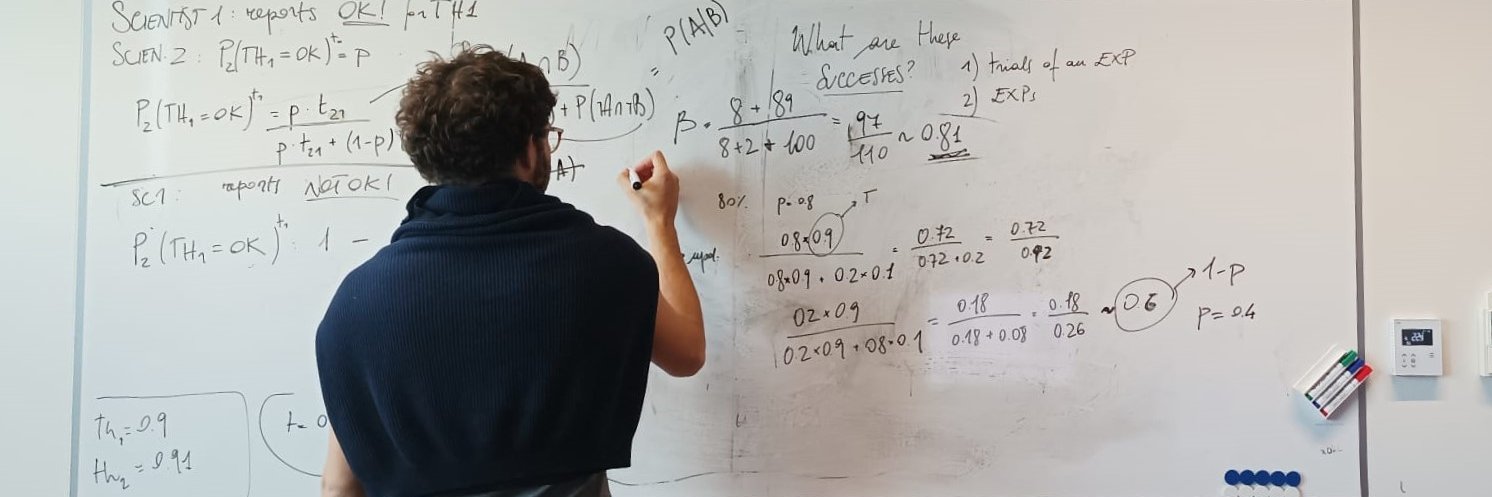
The first paper of my PhD is accepted for publication (JASSS)! It is joint work with my awesome colleagues @xaviosorm , Wybo Houkes, Dunja Seselja and Christian Strasser, and it is about disagreement, data, and scientific communities. On @PhilSciArchive
https://t.co/RFZWMsATTX
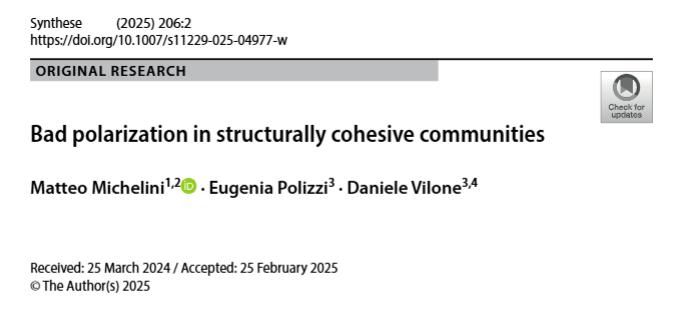
My paper on belief polarization has just been published in Synthese (@SpringerNature): https://t.co/1aMyEYQrbK
I wrote it with @EugeniaPolizzi and @DanieleVilone (@LABSS_CNR), and it talks about the minimal conditions for polarization given that beliefs are socially adaptive.
@xaviosorm presented joint work with @MatteoMich20 . Their approach, great, the results, fantastic: dense communication structures can be beneficial for heterogeneous communities; but a lot of diversity hinders the utility of dense information-sharing strategies.
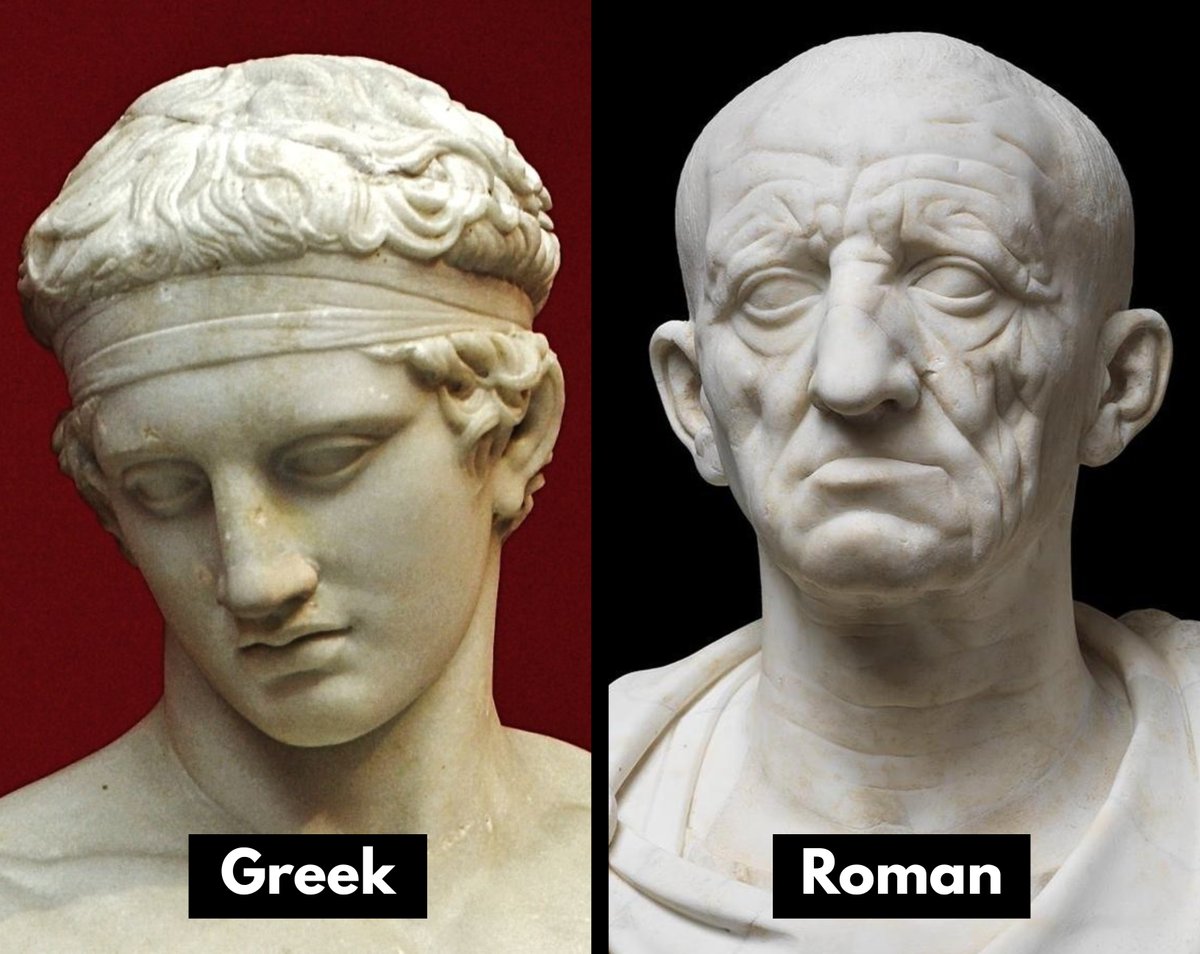
Want to know the difference between the Ancient Greeks and the Ancient Romans? Just look at their statues.
Art always tells you what a society wants to believe about itself.
So, from the Soviet Union to the Marvel Cinematic Universe, here's what art says about who we are...
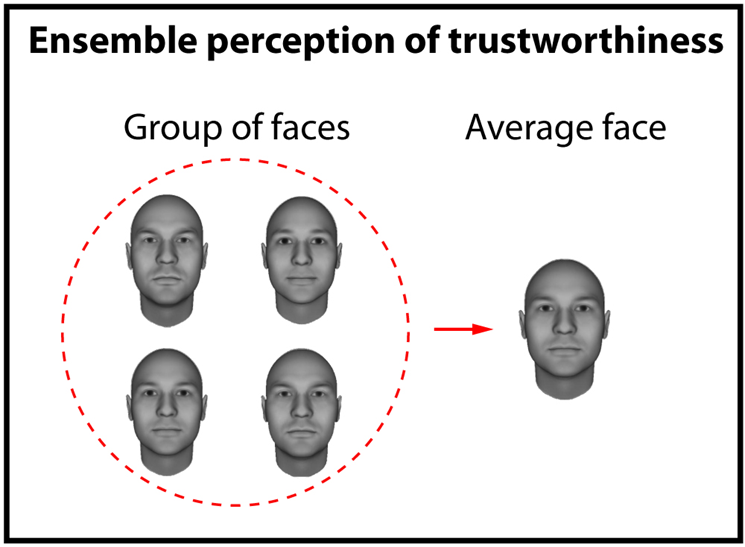
Trustworthiness impressions are fundamental social judgments. How do we achieve them when we encounter crowds of faces? Our new work with @C_AMSutherland, @barbala_o, @MauroManassi shows that we can extract summary statistics of trust from groups.
https://t.co/aKjdZkzjvW
🧵1/6
The first paper of my PhD is accepted for publication (JASSS)! It is joint work with my awesome colleagues @xaviosorm , Wybo Houkes, Dunja Seselja and Christian Strasser, and it is about disagreement, data, and scientific communities. On @PhilSciArchive
https://t.co/RFZWMsATTX
The model is idealized and, as such, carries limitations that are discussed in our sensitivity analysis. However, it explores an interesting mechanism (that of disagreements based on differerent diagnostic values), and explains why something quite counterintuitive may happen.