A great reminder from @kjaer_andreas @ @SNM_MI : Radioligand therapy is not just “an ADC with radiation.”
For ADCs, internalisation is usually essential: the payload must get inside the cancer cell.
For RLT, the target mainly acts as a radiation anchor. Internalisation can help, but it is not always required. Radiation can also treat nearby tumour cells through crossfire - an advantage when target expression is heterogeneous.
In theranostics, target biology matters - but so does physics, residence time and dosimetry.
Great session “Basics of Cancer Biology of Theranostics,” in the session “Identifying and Validating New Molecular Targets and Therapeutic Contexts.” featuring Claudin (@ShadiEsfahani ), GRPR (Vikas Prasad), LRRC15 (David Ulmert) and CAIX (@drmfhoman). With Hossein Jadvar @RadiologyUSC & @PackardAnnie . #SNMMI26
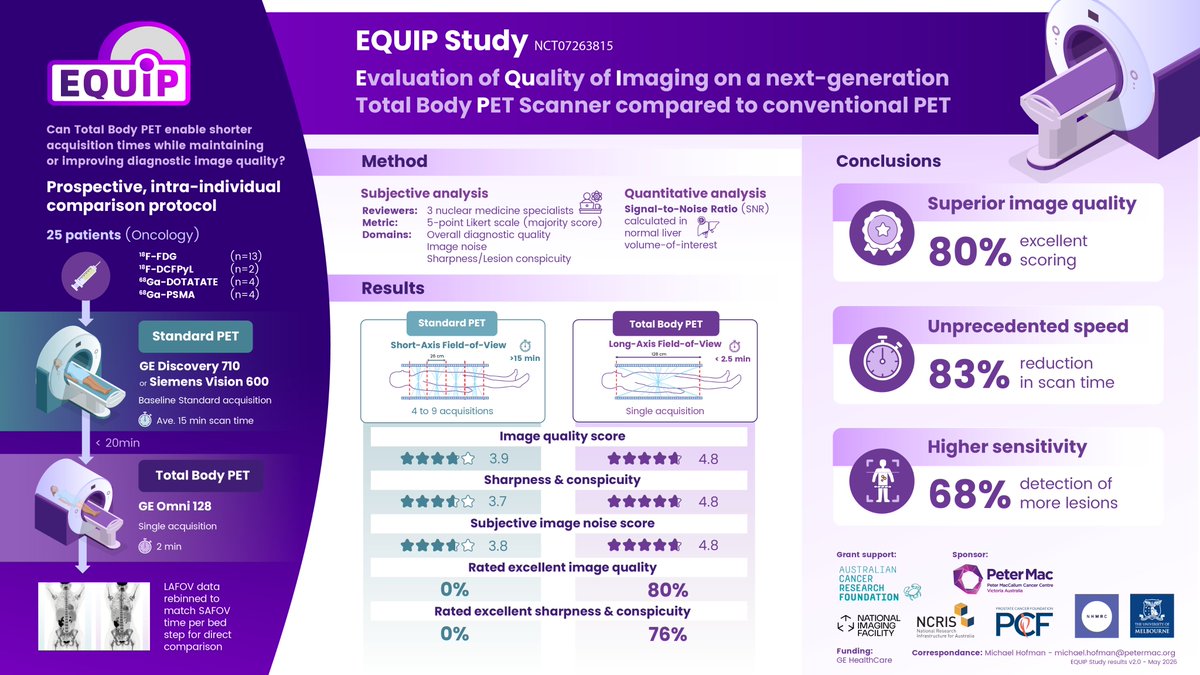
Excited to share results from the EQUIP study, just presented at @SNM_MI in Los Angeles. #SNMMI26
Last November, we installed the world's first @GEHealthCare Omni Total Body PET/CT - a 128cm long-axis field-of-view system with next-generation digital detectors. These are the first clinical results from anywhere in the world on this device.
The short version: better images, in a fraction of the time.
We enrolled 25 patients in a direct intra-individual comparison - same patient, same tracer injection, scanned first on a conventional PET/CT and then immediately on the Total Body system. Tracers included F-18 FDG, Ga-PSMA & DOTATATE, F-18 DCFPyL, and I-124.
Striking results:: 83% reduction in acquisition time (2.5 min vs 15 min) - with superior image quality, and significantly better sharpness and lesion conspicuity. Remarkably, in 68% of patients, reviewers identified small lesions on Total Body PET that would have been missed on conventional imaging.
Congratulations to Dr Alicia Corlett for an awesome oral presentation, Dr Cameron Pain, @pj_physics and all the co-investigators. Thanks to @Cancer_Research , @NIFAus, @unimelb and @PCF_Science for supporting this research. This was an investigator-initiated trial, funded by GE HealthCare. Link to abstract and images in comments..
Lutetium-177 PSMA RLT has shifted the paradigm in mCRPC, but we always need a reality check
🔬 The Good: Unparalleled theranostic precision: tumour shrinkage, major Quality of Life improvements
🛑 The Catch: Disease recurrence remains virtually inevitable. Why? It struggles to suppress micrometastatic or heterogeneous disease.
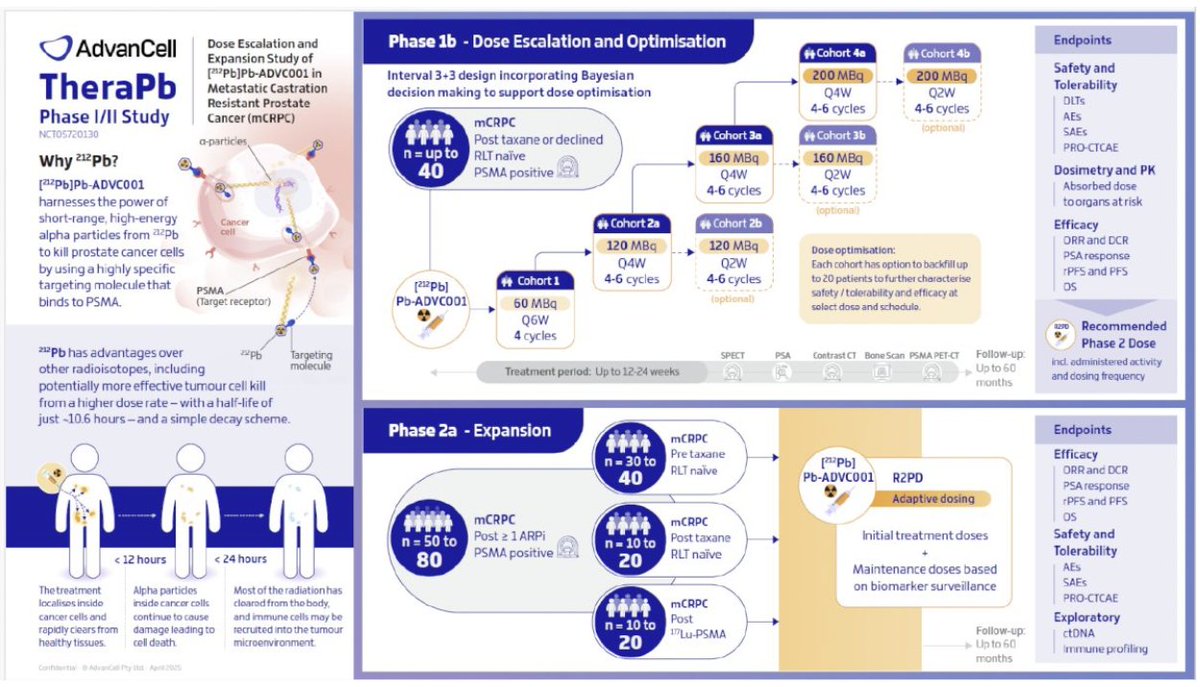
🔮 The Future: Moving to earlier-line therapy, adaptive dosing, & next-gen alpha or Auger-electron emitters (like Terbium-161 and Lead-212).
The goal? Turning favourable initial responses into durable cures.
Full insights just published in European Urology Focus 👇
https://t.co/81KhC1fLZC
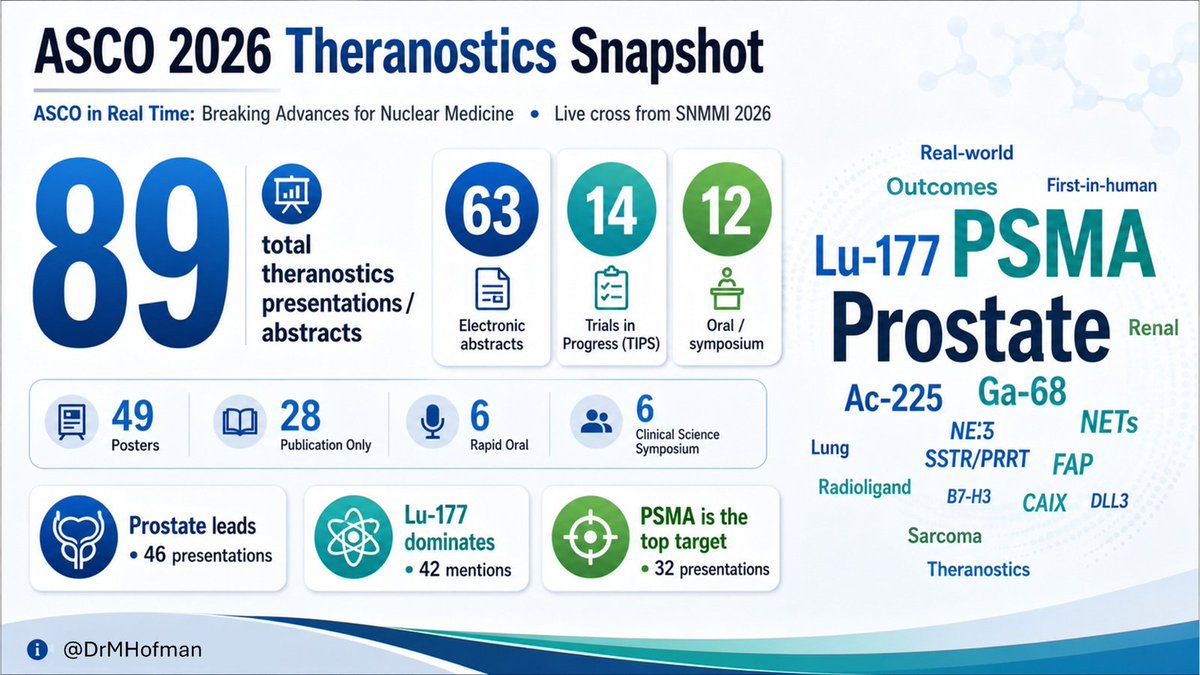
10 years ago there may have been zero or maybe one ☢️ nuclear medicine abstracts at @ASCO. Theranostics is now🔥.
This year, ~90 presentations and a dedicated oral session.
For those attending @SNM_MI , we are doing a live cross with @HJacene . Mon June 1, 2026 4:45 PM room 515A
@DrMHofman Congrats. Agree that it is important to get out this message. When we first did in 2023 qith similar facts and histological validation we received harsh critics. However, thorough science prevails.
Proud moment and HUGE news from #EAU26: #PRIMARY2 shows PSMA PET/CT can safely halve prostate biopsies in men with equivocal MRI, avoiding biopsy in 49% without missing cancer. https://t.co/OOGooac59C
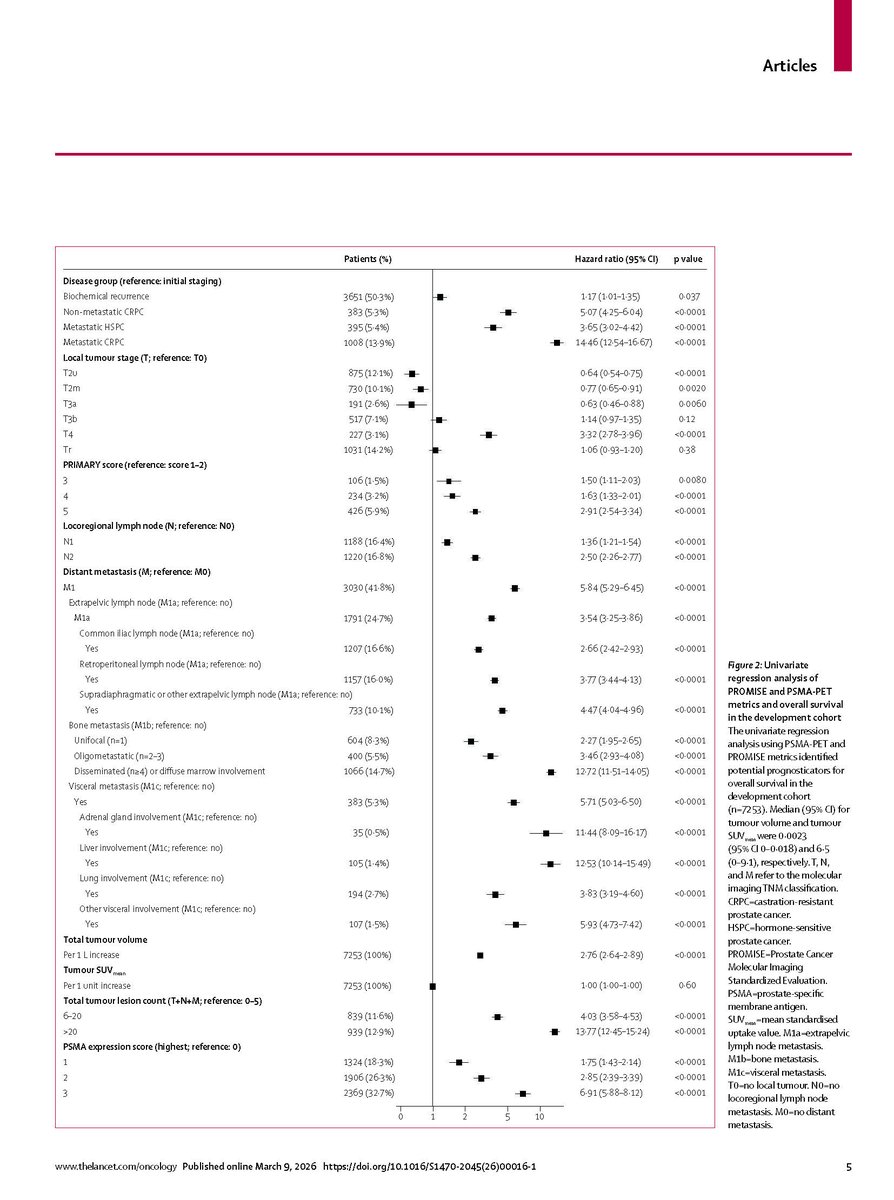
🔥@TheLancetOncol : PSMA-PET risk groups redefine prognosis in prostate cancer: in 11,154 patients; visual and quantitative nomograms predicted 3-, 5-, and 7-year survival. Major step for PET-based trial design, and guideline integration. https://t.co/g6m1qzIJnO
Tumor Sink Effect in 68Ga-PSMA-11 PET: Myth or Reality?
"Tumor sequestration affects 68Ga-PSMA biodistribution in normal organs. Patients with a very high tumor load showed a significantly lower uptake of 68Ga-PSMA in normal organs, confirming a tumor sink effect. "
An important principle with radioligand therapy that our current clinical trial approaches don't address.
https://t.co/B00VN9aHU7
@DrAGafita
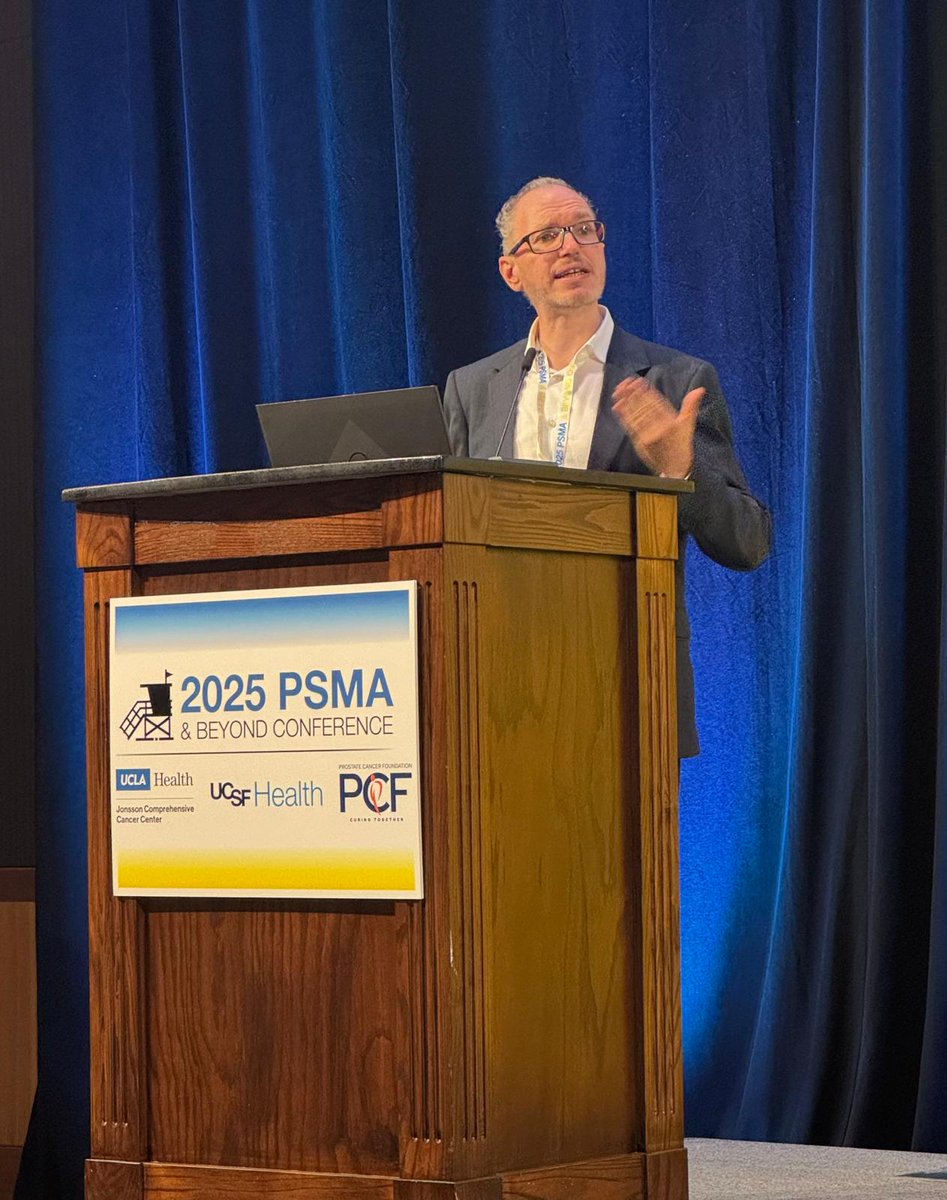
Evaluation of PSMA PET/CT derived predictors for treatment response to 177Lu-PSMA-617: Results from The U.S. Expanded-Access Program. Presented by Koichiro Kimura, MD @UCLA. #SNMMI25 written coverage by @zklaassen_md@GACancerCenter > https://t.co/lq7rX7C9pR #SNMMI2025@SNM_MI
@SNMMI25
Dr Andrew Scott gave Henry Wagner lecture and honored Dr Saul Hertz as founder I-131 therapy and the beginning of our Industrial Revolution now occuring in radiopharmaceutical development and theranostics
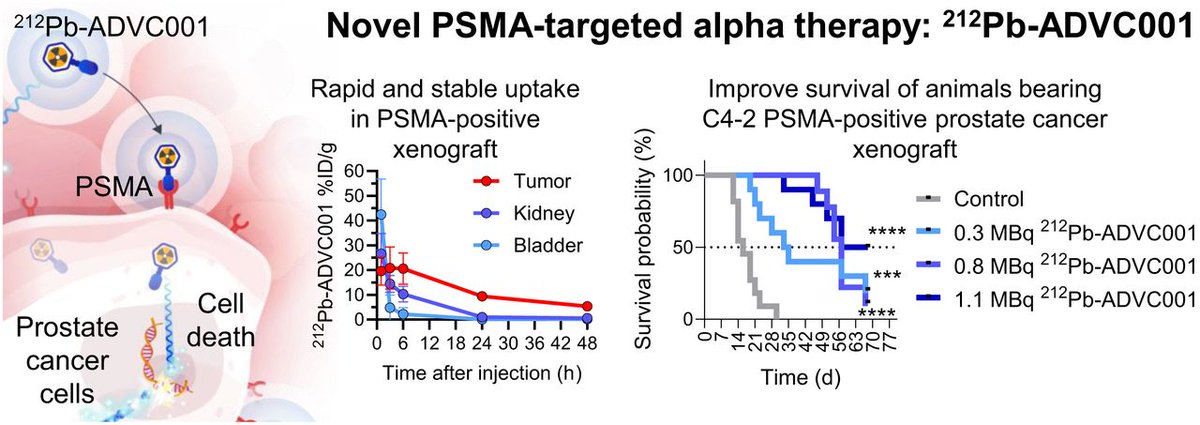
How about Lead-212? Presentation by David Pattison, MBBS, MPH, FRACP, highlighting 212Pb as a promising alpha-emitter for PSMA-targeted therapy in #mCRPC—offering potent tumor kill, short-range precision, manageable safety, and even immune activation potential.. #SNMMI25 written coverage by @RKSayyid > https://t.co/x2UkPLVC6X @SNM_MI #SNMMI2025
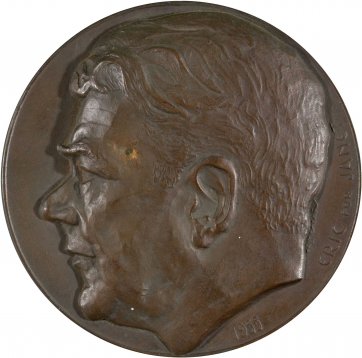
Huge congratulations to @DrMHofman for receiving the prestigious 2025 @TheRACP Eric Sussman Prize, presented for the best contribution to the knowledge of any branch of internal medicine, adult or pediatrics, for his work in prostate theranostics.
https://t.co/6aaxmECgZl
The 63rd Annual Meeting of the German Society for Nuclear Medicine (Deutsche Gesellschaft für Nuklearmedizine - DGN) kicked off yesterday in Bremen! 🇩🇪
If you're attending, stop by the EANM desk! 👋
BIG NEWS! Yesterday the FDA expanded the indication for lutetium-177 vipivotide tetraxetan (Pluvicto), allowing its use before taxane-based chemotherapy. The new approval triples Pluvicto’s eligible patient population. More here: https://t.co/rFs5M8lO6v




![urotoday's tweet photo. Phase III trial of [177Lu]Lu-PSMA-617 combined with ADT + ARPI in patients with PSMA-positive metastatic hormone-sensitive #ProstateCancer #PSMAddition. Presented by @DrScottTagawa @WeillCornell. #ESMO25 written coverage by @RKSayyid @UAUrology > https://t.co/7zXJ29P3we @myESMO https://t.co/huJ2sGwlQa](https://pbs.twimg.com/media/G3o-JEwXkAEF4bq.jpg)
![urotoday's tweet photo. Phase III trial of [177Lu]Lu-PSMA-617 combined with ADT + ARPI in patients with PSMA-positive metastatic hormone-sensitive #ProstateCancer #PSMAddition. Presented by @DrScottTagawa @WeillCornell. #ESMO25 written coverage by @RKSayyid @UAUrology > https://t.co/7zXJ29P3we @myESMO https://t.co/huJ2sGwlQa](https://pbs.twimg.com/media/G3o-H2lXwAAE3du.jpg)
![urotoday's tweet photo. Phase III trial of [177Lu]Lu-PSMA-617 combined with ADT + ARPI in patients with PSMA-positive metastatic hormone-sensitive #ProstateCancer #PSMAddition. Presented by @DrScottTagawa @WeillCornell. #ESMO25 written coverage by @RKSayyid @UAUrology > https://t.co/7zXJ29P3we @myESMO https://t.co/huJ2sGwlQa](https://pbs.twimg.com/media/G3o-GorWoAAUL_I.jpg)









![urotoday's tweet photo. Phase III trial of [177Lu]Lu-PSMA-617 combined with ADT + ARPI in patients with PSMA-positive metastatic hormone-sensitive #ProstateCancer #PSMAddition. Presented by @DrScottTagawa @WeillCornell. #ESMO25 written coverage by @RKSayyid @UAUrology > https://t.co/7zXJ29P3we @myESMO https://t.co/huJ2sGwlQa](https://pbs.twimg.com/media/G3o-KTjXoAEYi0H.jpg)