Doubling Down on Africa a thread...
We've raised our second Africa fund @PartechPartners putting another $270M at work to support African entrepreneurs challenging the status quo.
Why are we bullish? (1/8)
🎙 New Episode: Building Africa’s Largest Proptech – Nawy
We chat with Mostafa El-Beltagy, Co-founder & CEO of @nawyegypt 🏘
From digital brokerage to real estate powerhouse — Nawy is redefining proptech in Africa. 🚀
🎧 Growth, leadership & the story behind it all below👇🏾:
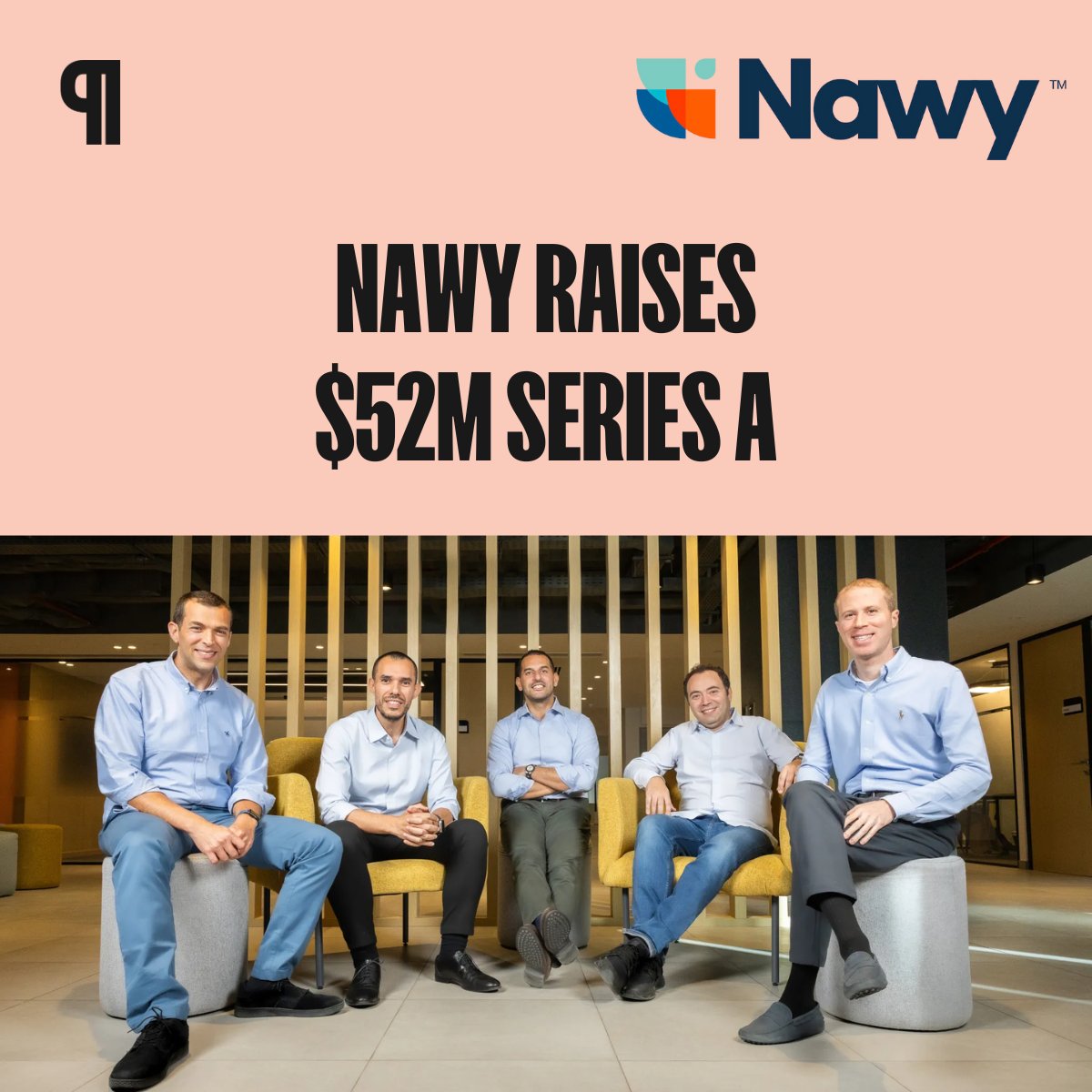
Excited to announce we at @PartechPartners led the $52M Series A into Africa's largest proptech, Nawy. We are proud to play a role in the making of this category leader and grateful to partner with this exceptional team🏘️🌍✨
Check out my interview with the CEO below👇
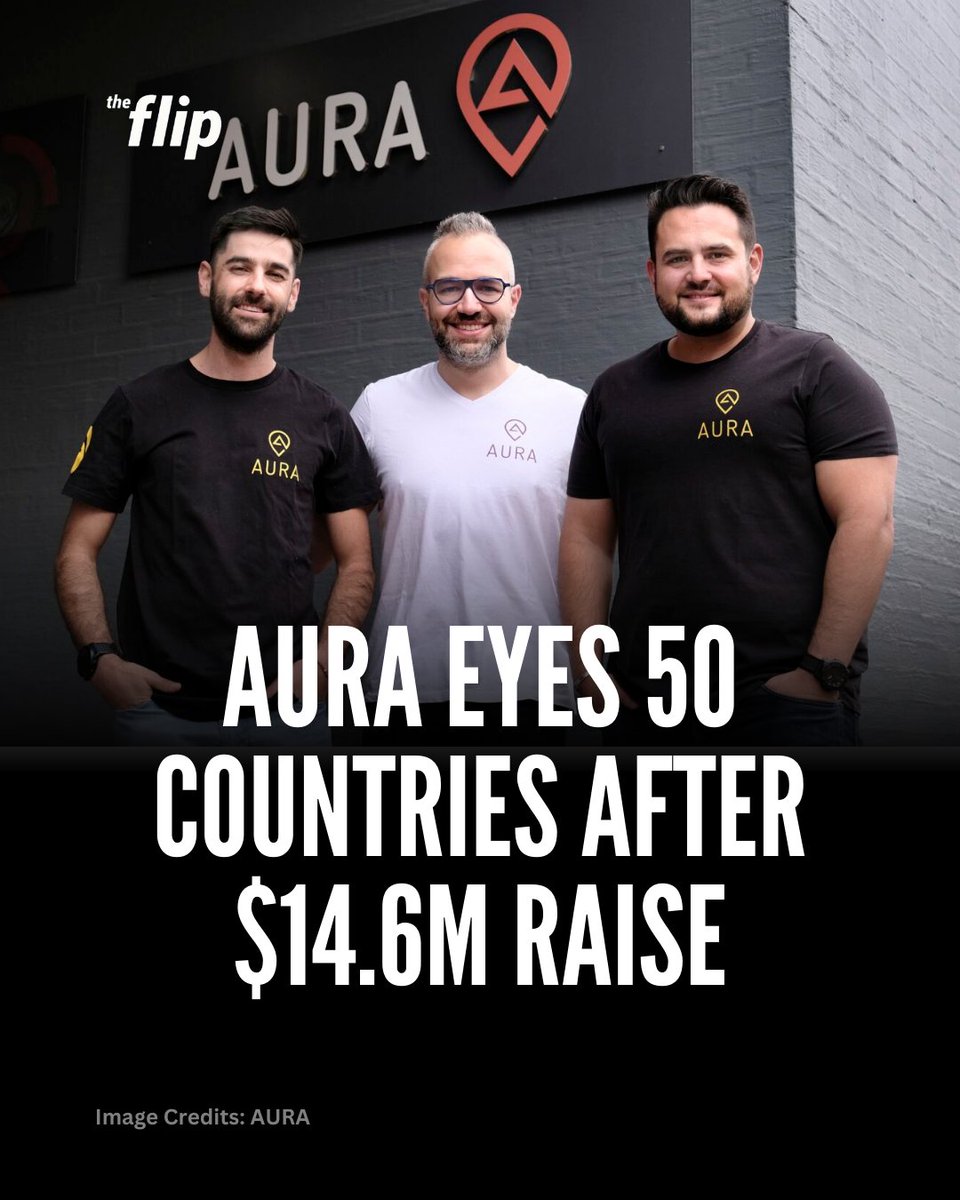
This South African startup just raised $14.6M to expand to the U.S.
And it's doing it with a model built in Africa's fragmented security market.
Here’s how AURA is scaling emergency response—one panic button at a time:
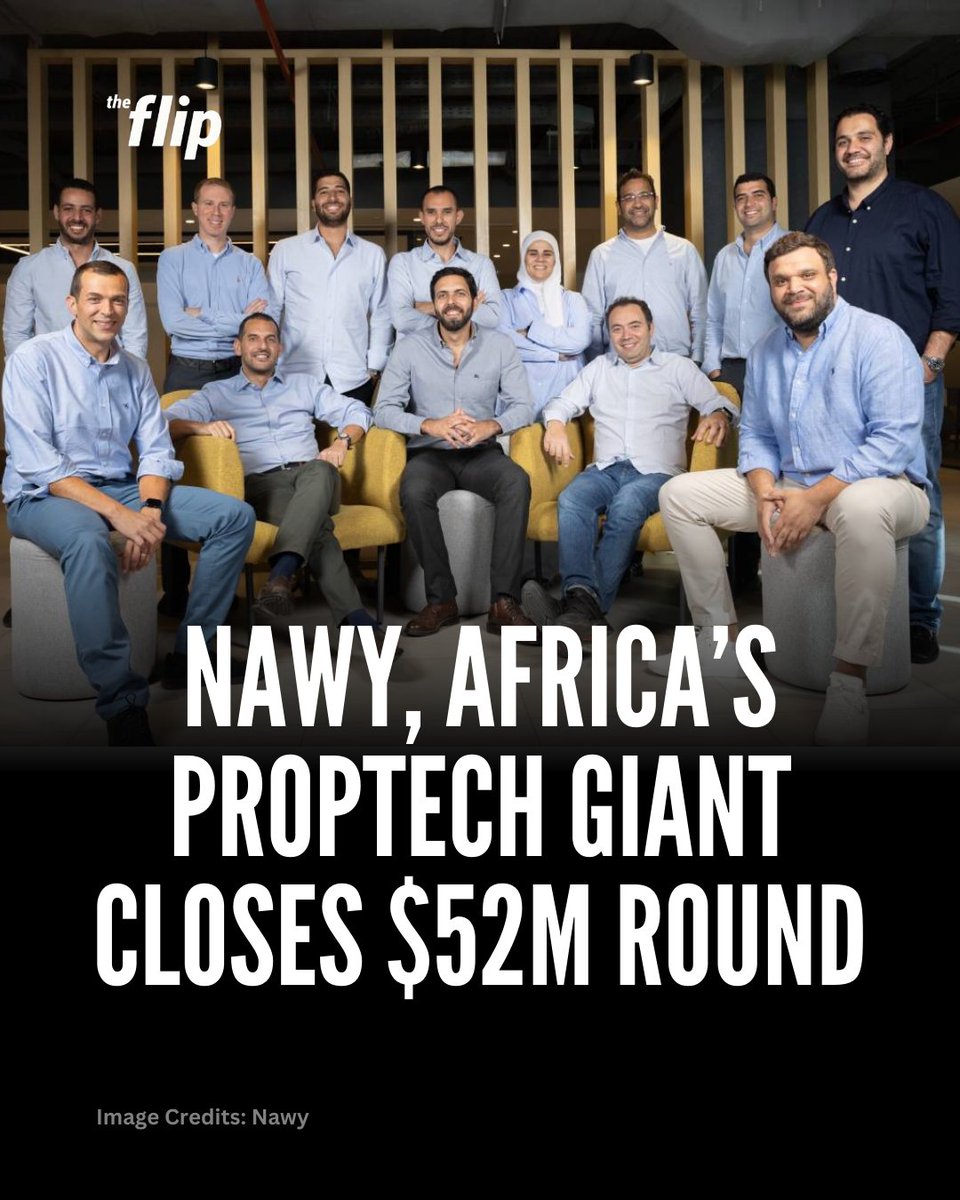
Africa’s largest proptech just raised $52M to expand across MENA.
The deal includes $23M in debt—one of the biggest Series As on the continent.
Here’s how Egypt’s Nawy is powering $1.4B in real estate transactions from Cairo:
We’re excited to lead Nawy’s $52M Series A round! Founded in 2019, Nawy has rapidly evolved into the continent's leading real estate technology company, revolutionizing how people buy, sell, invest, finance, and manage properties across Africa. (1/7)
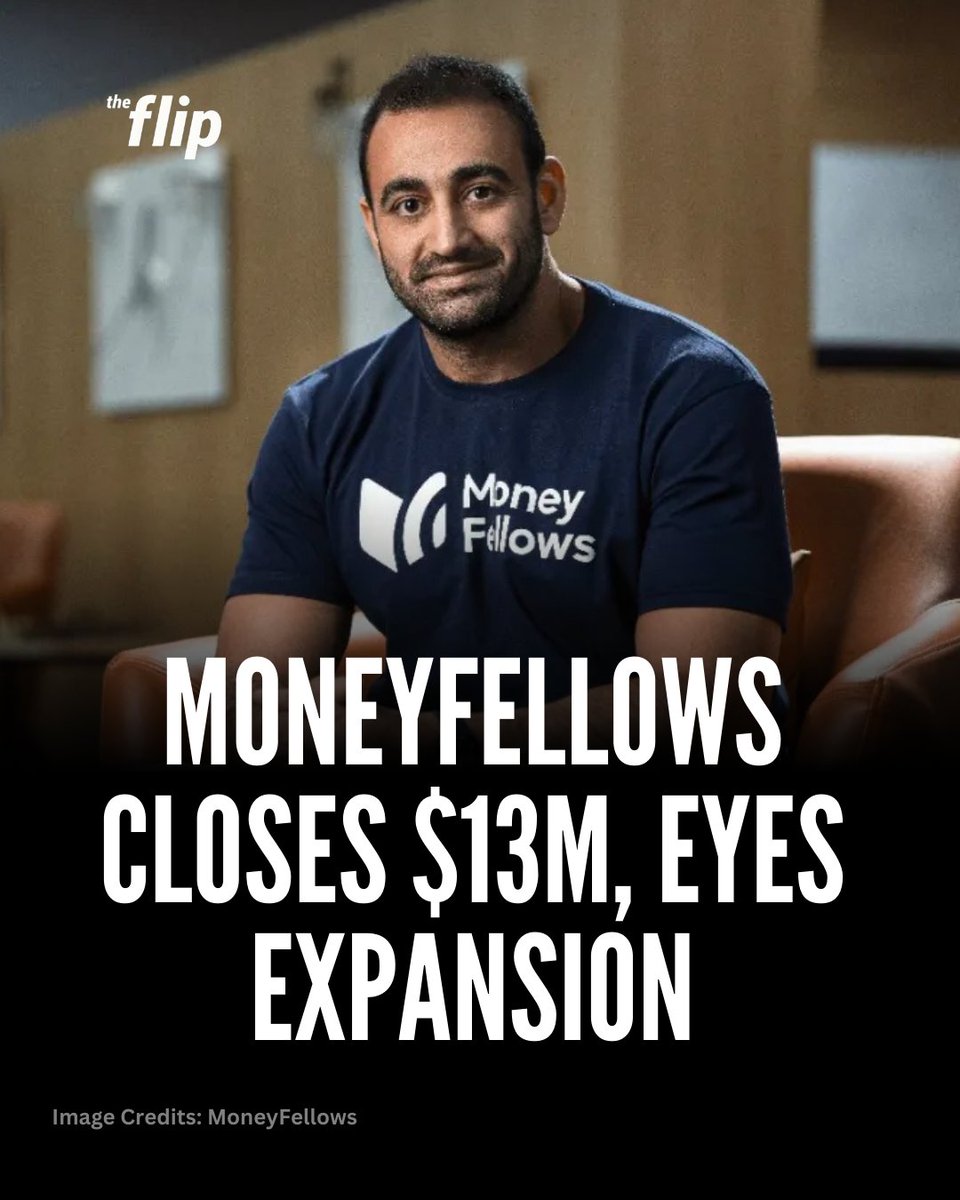
Most digital lenders burn capital to grow.
MoneyFellows recently raised $13M while lending billions with no debt.
Here’s how this Egyptian fintech cracked one of the oldest financial systems on Earth:
We did only one "climate tech" deal so far: Beacon power services.
Data + software + bunch of smart solutions for utility grids. Recuring revenues, very good commercial investment, strong impact on electricity grid performance when used. No capex. But it's a rare bird for sure !
It's Earth Day 2025🌍 and we need to talk about climate tech in Africa.
It's become a huge part of African venture and tech, growing from <15% of total startup funding in 2021 to 45% in 2025 so far. For a category holding up almost *half* of all startup funding on the continent, the discussion and debate around it is dangerously quiet.
First, we must agree on a couple of facts:
1. The climate challenge is about gases in the atmosphere
2. Africa does not shift the needle in those greenhouse gas emissions
I think most climate funds have recognized these two facts. I don't think we've reacted effectively because the ecosystem's climate mandate is top-down and rigid: impact-driven LPs rode the wave of a global climate movement and pushed conditional capital through African fund managers.
And it's not the impact LPs' faults either. Their government constituents rightfully care about climate change and they deserve that their taxes go towards global problems they want to see solved. So practically, we now have early-stage African funds asking pre-seed founders to track greenhouse gas (GHG) emissions. It's like reaching out to someone who's drowning, then handing them a spreadsheet asking for GHG emissions.
But even worse, if we circle back to the above two facts, those GHG reductions don't even matter from a planetary perspective. But there's no way for an African fund manager to shift the demands of a DFI's taxpayer - they can only dilute what it means to meet that obligation. And trust me - that's the actual discussion that's going on in the whispered halls of African VC.
So we see an expansion of the climate mandate in African tech:
1. The impact-oriented drift towards climate resilience and adaptation
2. The commercially-oriented drift towards energy solutions
Again, both aren't without merit. It's true that we need to prepare the continent for the devastating effects of climate. It's also true that there's a growing demand for clean energy, especially PV solar and EVs.
However, what's also undeniable is that both these approaches detach themselves from our first set of facts: climate change is about gases in the atmosphere and Africa is an inconsequential emitter. We are are not providing venture-backable solutions to climate change - we are providing solutions for a need to "fund climate-tech"
Still, it's mostly well-meaning people doing hard work and I don't have the right answer. However, I know this is a house of cards that is facing political headwinds while holding up half our of funding base. It's an existential discussion.
I do have some thoughts on what a more Africa-aligned climate startup would look like, but what you do think?
--
Shoutout to @yishan's thoughts on the subject more generally: https://t.co/k3DzpSeXV2
It's Earth Day 2025🌍 and we need to talk about climate tech in Africa.
It's become a huge part of African venture and tech, growing from <15% of total startup funding in 2021 to 45% in 2025 so far. For a category holding up almost *half* of all startup funding on the continent, the discussion and debate around it is dangerously quiet.
First, we must agree on a couple of facts:
1. The climate challenge is about gases in the atmosphere
2. Africa does not shift the needle in those greenhouse gas emissions
I think most climate funds have recognized these two facts. I don't think we've reacted effectively because the ecosystem's climate mandate is top-down and rigid: impact-driven LPs rode the wave of a global climate movement and pushed conditional capital through African fund managers.
And it's not the impact LPs' faults either. Their government constituents rightfully care about climate change and they deserve that their taxes go towards global problems they want to see solved. So practically, we now have early-stage African funds asking pre-seed founders to track greenhouse gas (GHG) emissions. It's like reaching out to someone who's drowning, then handing them a spreadsheet asking for GHG emissions.
But even worse, if we circle back to the above two facts, those GHG reductions don't even matter from a planetary perspective. But there's no way for an African fund manager to shift the demands of a DFI's taxpayer - they can only dilute what it means to meet that obligation. And trust me - that's the actual discussion that's going on in the whispered halls of African VC.
So we see an expansion of the climate mandate in African tech:
1. The impact-oriented drift towards climate resilience and adaptation
2. The commercially-oriented drift towards energy solutions
Again, both aren't without merit. It's true that we need to prepare the continent for the devastating effects of climate. It's also true that there's a growing demand for clean energy, especially PV solar and EVs.
However, what's also undeniable is that both these approaches detach themselves from our first set of facts: climate change is about gases in the atmosphere and Africa is an inconsequential emitter. We are are not providing venture-backable solutions to climate change - we are providing solutions for a need to "fund climate-tech"
Still, it's mostly well-meaning people doing hard work and I don't have the right answer. However, I know this is a house of cards that is facing political headwinds while holding up half our of funding base. It's an existential discussion.
I do have some thoughts on what a more Africa-aligned climate startup would look like, but what you do think?
--
Shoutout to @yishan's thoughts on the subject more generally: https://t.co/k3DzpSeXV2
NEW: Y Combinator-backed digital bank @djamoci has raised $17M, the largest VC round ever for an Ivorian startup.
🌍1M+ users across Ivory Coast and Senegal
💼 10,000+ small businesses
💵 $4.5B+ in total transactions
📈 5x revenue growth since 2022. https://t.co/PfEdiUMNOy
@jasonlk I agree, it's also a mystery to me We're doing it and it's working really well. Our customers achieve 50X+ ($0.11->$5) revenue per customer of traditional marketing automation.
https://t.co/mhWraE95tT
The only other company I've seen that gets it is Hightouch