🌟 WE ARE HIRING! 🌟
Principles of Regeneration and Ageing in a cutting edge science-driven environment & core funding
Outstanding POSTDOCS; BIOINFORMATICIANS & RAs: join us at CIMR-Chinese Institutes for Medical Research, Beijing.
APPLY here: https://t.co/ASX0l9FPHq Please RT
Check out our latest preprint, where we show that adaptive immunity is dispensable for appendage regeneration in super regenerators, axolotl & zebrafish! : https://t.co/KrkqdrUebr thanks to Lizbeth, all authors and our collab Knopf lab
This study provides new insights into axolotl age resilience and offers a model for understanding how long-lived vertebrates maintain reproductive capacity through 🕰️
New Year, New Paper for the Yun Lab! 🌟We find that Axolotls exhibit limited reproductive senescence and retain fertility throughout lifespan (https://t.co/fHQ7sNSElS). Kudos to Yuliia Haluza, in this great collab with @Tanaxolotl
Remarkably, they preserve early stage oocytes until advance ages, with old females spawning large numbers of viable larvae within the average lifespan. Interestingly they show follicular atresia concomitant with enlargement of egg size in late ages, likely a resilience strategy
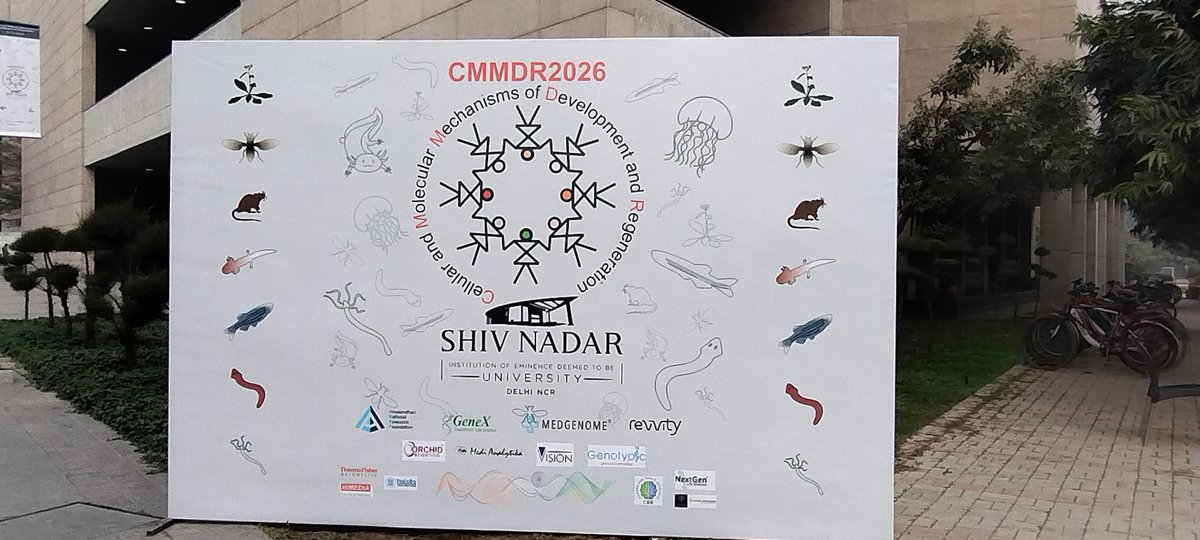
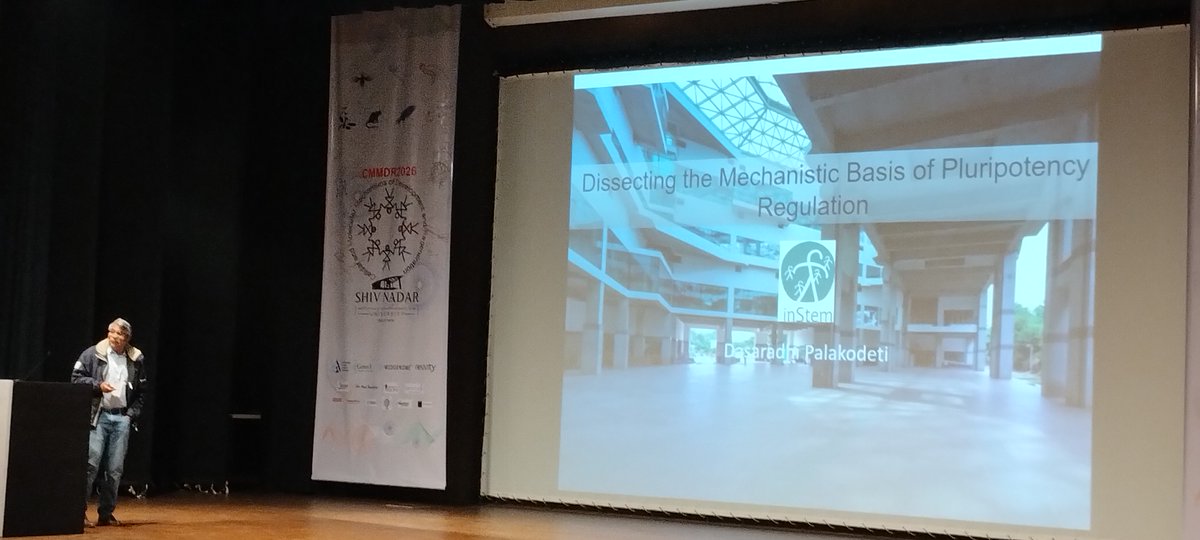
#CMMDR26 has begun!✨
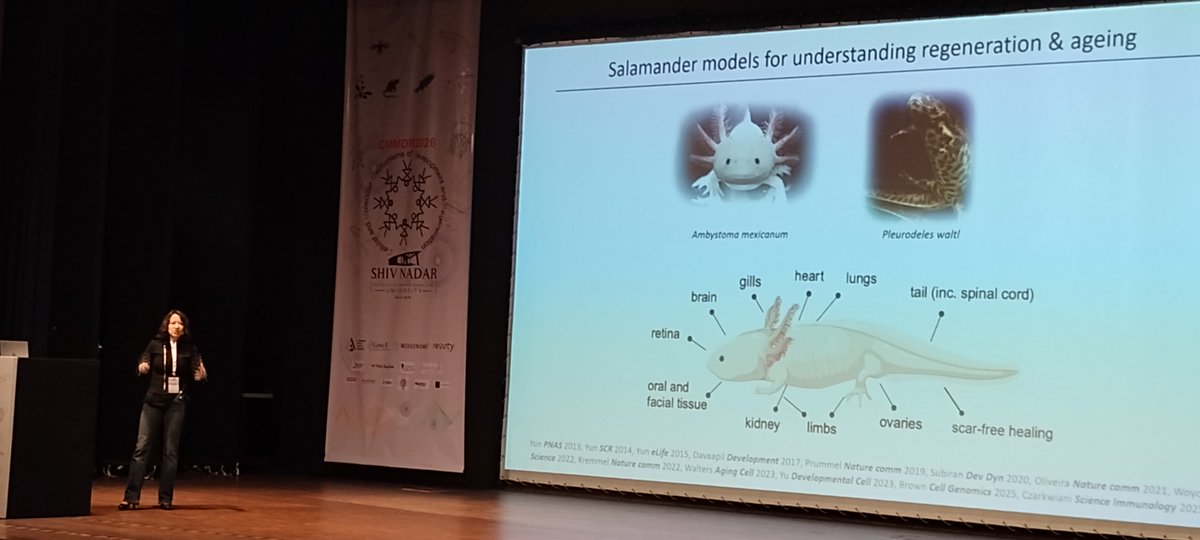
The Conference on Molecular Mechanisms in Development & Regeneration (6–9 Jan), opened with remarks by Dr Sanjeev Galande and a great first talk by Dr Maximina Yun on salamander models of #regeneration & aging.
Stay tuned!
#DevelopmentalBiology
Research we covered in our #ARDD2025 field notes (linked below) is now published.
@MaxYunLab showed axolotls can regenerate their thymus de novo after complete removal. Not partial regrowth from remnants like mammals can often manage, but full reconstruction.
FOXN1, the transcription factor mammals need for thymus development, turns out to be dispensable for axolotl thymus regeneration. Midkine signaling appears to drive it instead.
This is relevant for longevity because in mammals, the thymus shrinks with age, taking T cell production and immune function with it. Axolotls skip this process entirely, maintaining their thymus throughout life with roughly flat mortality risk.
Understanding how they pull that off could eventually point toward ways to restore thymic function in aging humans.
The growth factor #midkine, but not the transcription factor Foxn1, may drive #thymus regeneration following complete removal of the organ in juvenile axolotls.
Learn more in Science #Immunology: https://t.co/sLTPHF698U
Very proud of organizing the EMBO Regeneration Workshop 2026 in Krems, in the heart of Austria, together with @simoesfili, Anna Jazwinska, @solana_jordi, Mansi Srivastava, @MaxYunLab and Juanma González-Rosa! #EMBORegeneration Registration is now open!
https://t.co/ApxR4HaVtv