Teach psych @Hult_Business, PhD student in applied cognitive neuroscience @UCL_ICN. Healthy obsession with things on rails. Tweeting about trains and brains.
Wow: Most popular stand-alone personality traits used in psychology – self-esteem, grit, etc. – can be subsumed to the Big Five. https://t.co/u3haPXRE7l
@falleneconomist We talk about Harari in Intro to Psych as well - as an example in psych of how cherry-picking scant evidence to speak authoritatively and conclusively creates misinformation and neuromyths
@z_groove@DrEenfeldt I time nutrients for performance in my sport. Most people don't need to do that, and even with that consideration I can create a deficit eating palatable foods. You can still get results eating foods you enjoy. Calorie deficit isn't a fallacy
@z_groove@DrEenfeldt But my point here is - I'm not an outlier with a magic body type, a calorie deficit isn't a fallacy for fat loss, and you can absolutely create a deficit while still eating foods you enjoy. I compete in strongman and my events got quantitatively better during the deficit
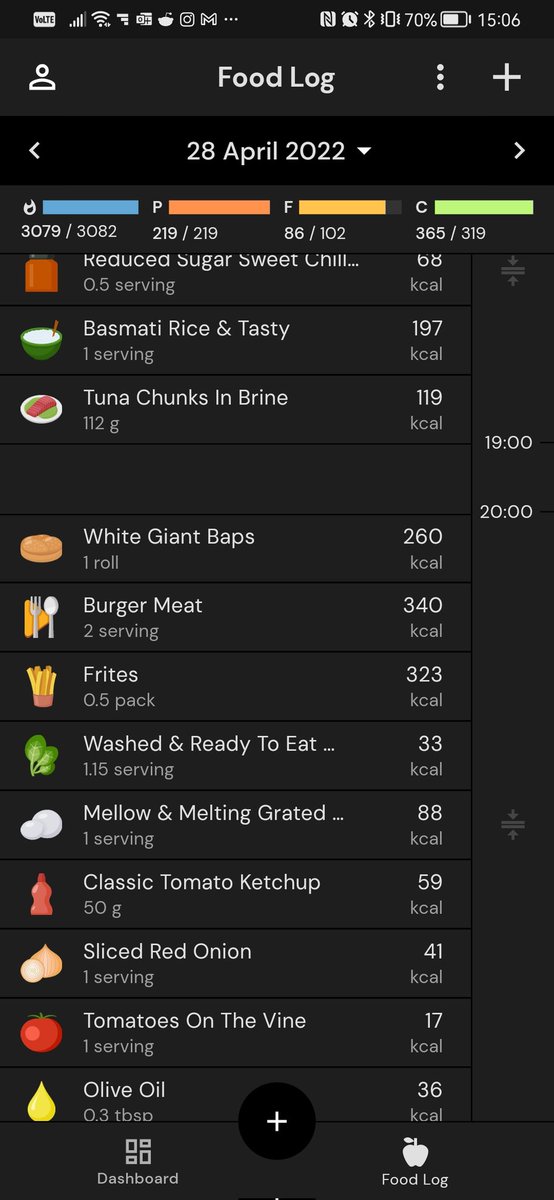
@z_groove@DrEenfeldt As you can see my diet isn't exclusively crisps and coke (and I don't particularly prefer coke over diet coke, especially given extra calories) - I make sure I have adequate, quality protein for training and time nutrient intake for performance 1/
@z_groove@DrEenfeldt How would you define optimal fat loss? As the greatest ratio of fat to lean mass lost? I have tried it - my credentials below - 15kg loss at a 25% deficit whilst increasing gym performance whilst eating crisps burgers and chocolate (ensuring 1.8g/kg protein and optimising timing)
@z_groove@DrEenfeldt Agree it won't be optimal health - but for fat loss, a deficit is all you require. Of course, certain foods like potato, veggies, and lean meat are going to be more satiating, proteins have a slightly larger TEF, but ultimately for fat loss a deficit is all your require.