I'm happy to share that i successfully summited my https://t.co/YakJ8tXcHy. dissertation thesis #Phylogenystudy🧬.I’m incredibly grateful to everyone who supported me on this journey, especially my Guide Kh.Romesh Sir and Co-guide @DrVivekVaishnav, for their invaluable guidance!
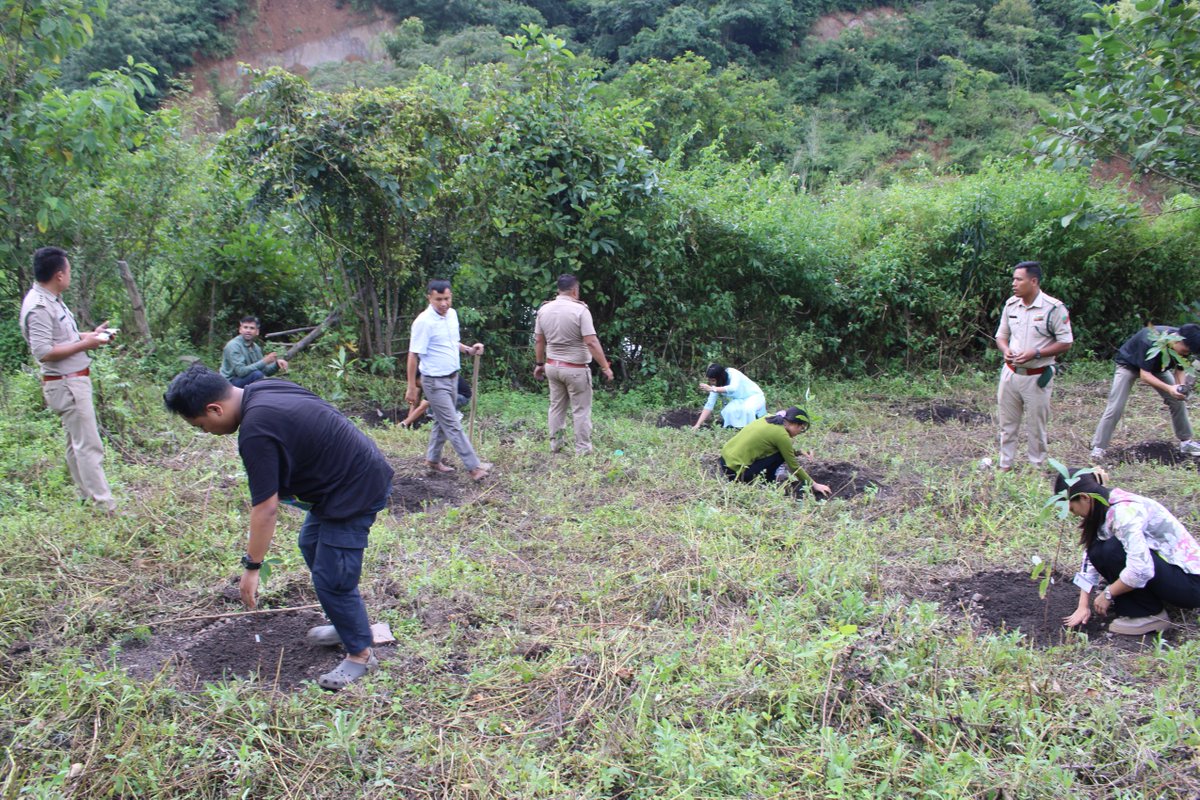
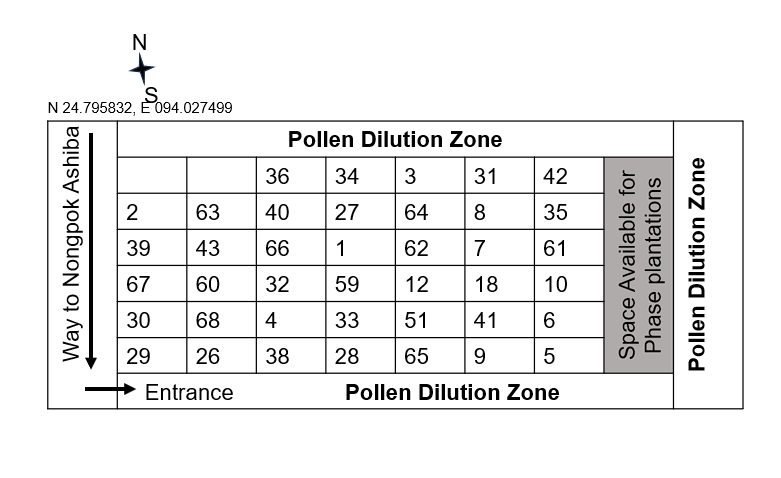
The first germplasm bank of the 'state tree of #Manipur' is being established by the Central Division @GANESHN1985 state forest department of Manipur, under the commendable supervision of the HoFF @ANURAGBAJP83366 and technical support from Department of Forestry @ManipurUniverse
Unlike most of science,biodiversity research has a hard deadline.
If species go extinct faster than we can discover and describe them, we may never know how much life Earth truly has to offer. A race against extinction we’re currently losing. #BiodiversityCrisis🌍
On #EndangeredSpeciesDay, let us pledge to conserve Manipur’s State Tree, Uningthou (Phoebe hainesiana Brandis). @MU_Forestry@ManipurUniverse,in collaboration with the @ManipurForest,has actively contributed to its conservation, includingthe establishment of a germplasm bank.
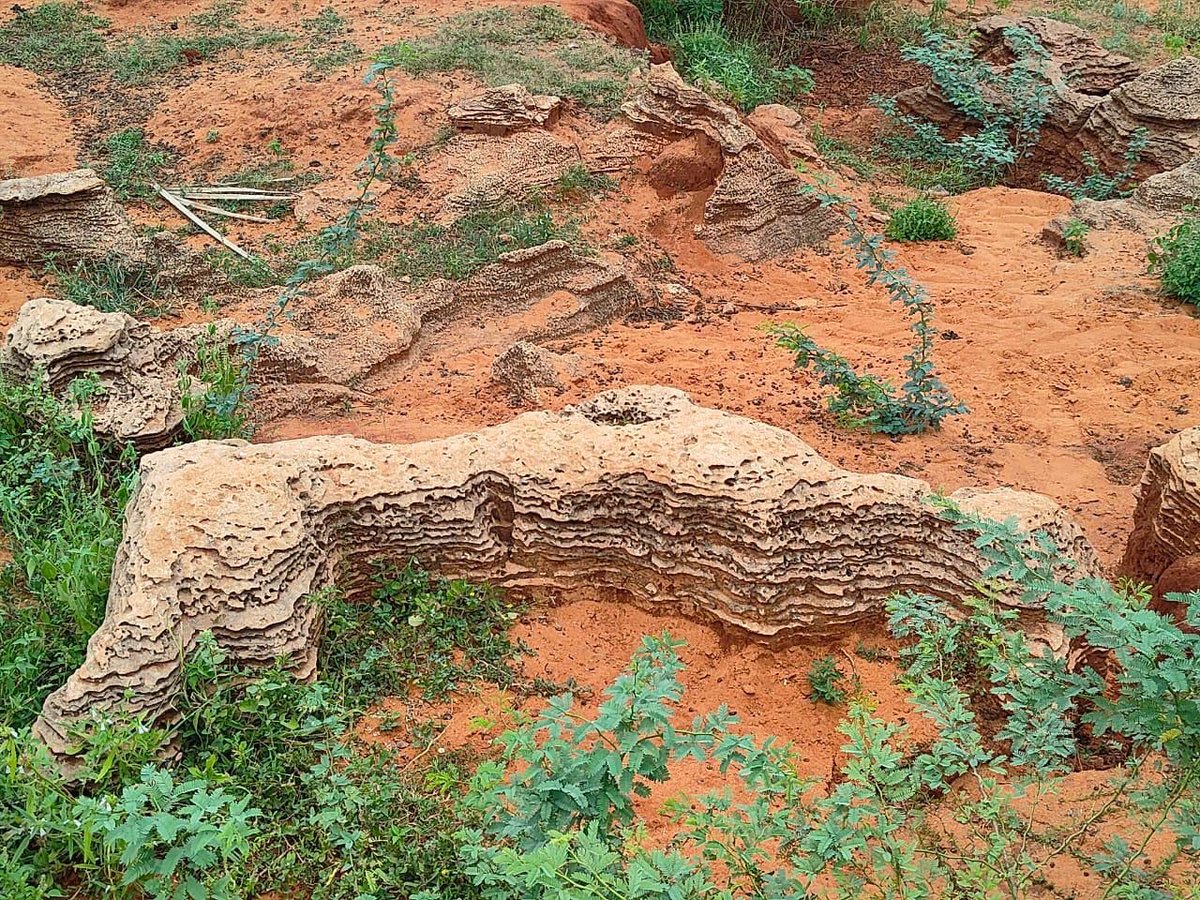
तमिलनाडु के थूथुकुडी जिले में मिले जीवाश्म ने सबको चौंका दिया है.
यहां 8,000–12,000 साल पुराने समुद्री जीवाश्म (Bivalves) और (Gastropods) मिले हैं.
भारी बारिश और मिट्टी के कटाव ने इस छिपे खजाने को उजागर किया. यहां से वैज्ञानिकों ने 104 नमूने जुटाए, जिसकी और जांच की जाएगी.
यह स्थल समुद्र की मौजूदा तटरेखा से लगभग 5-7 किमी अंदर स्थित है. ये प्राचीन काल में समुद्र के स्तर में हुए परिवर्तनों के बाद तटरेखा के खिसकने का संकेत देता है.
यह खोज हमें Holocene युग की झलक देती है. होलोसीन काल लगभग 11,700 साल पहले शुरू हुआ और वर्तमान में चल रहा है.
ये fossils हमें बताते हैं कि समुद्र का स्तर और पर्यावरण कैसे बदलते रहे.
#Thoothukudi #TamilNadu #fossil @ZoologicalI
Another milestone towards conservation of Wild Water Buffalo in the country. The first tranche of water buffalos got translocated from Kaziranga to Kanha. State of MP, Chhattisgarh and Maharashtra are taking steps to revive the lost population of water buffalo in central India.
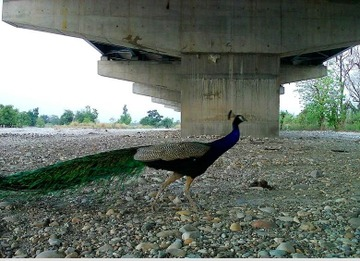
A camera trap set for tigers in Madhya Pradesh caught something much, much smaller.
The rusty-spotted cat — Asia’s smallest wild cat, weighing under 1.6 kg, roughly half the size of a domestic cat — has been photographed for the first time in Veerangana Durgavati Tiger Reserve. The scientific paper is out now.
India holds an estimated 80% of the global population of this species. Most of them have never been photographed at all.
https://t.co/Avai6AE8OA
#IndiaWildlifeNews #WhenWildThingsMakeHeadlines #RustySpottedCat #VeeranganaTheDurgavatiTigerReserve #MadhyaPradesh #SmallCats #WWFIndia #WildlifeSurvey #CameraTraps #ConservationIndia
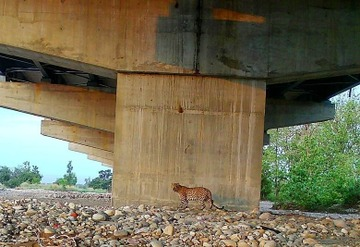
Big success in wildlife conservation on the Delhi–Dehradun Economic Corridor!
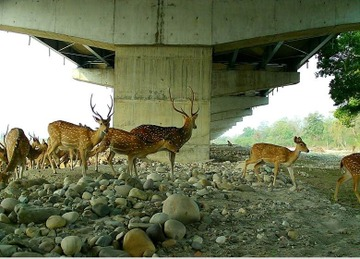
A joint study by NHAI and the Wildlife Institute of India (WII) has found that the Wildlife Mitigation Measures implemented along the corridor are proving to be highly effective.
The study was conducted on the 18 km Ganeshpur–Asharodi section of the Delhi–Dehradun Economic Corridor.
A total of 40,444 images of 18 different wildlife species were recorded using underpasses, confirming regular and safe animal movement through these crossings.
This initiative stands as a strong example of balancing development with environmental conservation.
#DelhiDehradunCorridor #WildlifeConservation #NHAI #EnvironmentProtection #DevelopmentWithNature
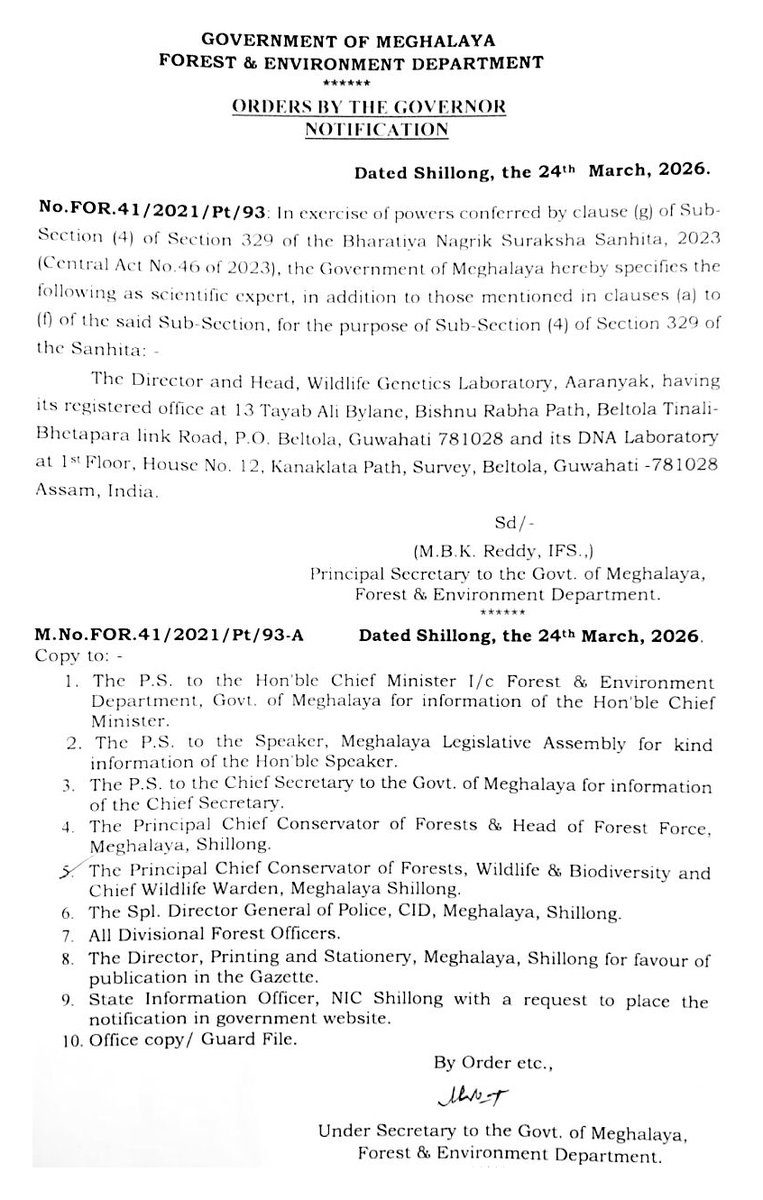
🎉 Government of Meghalaya recognizes Wildlife Genetics Laboratory (https://t.co/qZbQHptfJV) of Aaranyak in Assam under BNSS 2023
💚The Government of Meghalaya has recognized the Wildlife Genetics Laboratory of Aaranyak under #BNSS2023 - marking the first such recognition in the wildlife sector in the state.
This empowers DNA-based forensic investigation in wildlife crimes, strengthening scientific policing, evidence quality and conviction rates.
A major step towards #WildlifeConservation and #ScienceForNature.
#WildlifeForensics #ConservationScience #Meghalaya #Assam #Biodiversity
अरण्य ते पृथिवी स्योनमस्तु (अथर्ववेद) Today is #InternationalDayofForests#Forests#Economies. Forests play in driving economic prosperity, sustaining livelihoods for over 1.6 billion people, focusing on the connection btw healthy forests & strong, sustainable economic growth.
The banana plant is not a tree — it is a giant herbaceous plant. What looks like a trunk is the pseudostem, formed by the tightly overlapping bases of its leaf sheaths. 🌿
Understanding its anatomy helps make sense of how it grows, even in temperate gardens.
Flag leaf: the last leaf produced before flowering. Its appearance signals that the bunch is already forming inside the pseudostem — the plant is committed to fruiting.
Adult leaf: powers the photosynthesis that fills the fruit. Every leaf lost to wind damage or disease directly reduces the final weight of the bunch.
Leaf blade (lamina): the wide flat part of the leaf, crossed by a prominent midrib, with an upper surface (adaxial) and a lower surface (abaxial).
Pseudopetiole: the section connecting the leaf blade to the pseudostem.
Pseudostem: the false trunk, built entirely from tightly rolled leaf bases wrapped around each other. It can reach between 6 and 25 feet depending on variety, but contains no woody tissue whatsoever.
Bunch (bunch of hands): the complete fruit structure. Each row of bananas is a hand, and each individual banana is a finger. A bunch carries between 6 and 14 hands depending on variety and growing conditions.
Female flower hands: these develop into the hands of fruit. The female flowers open first and are the ones that set fruit.
Flower heart (male inflorescence): the pendant bud at the end of the bunch, containing the male flowers. In tropical cuisines it is cooked as a vegetable.
Sucker (pup): the lateral shoot emerging from the rhizome. This is the primary method of propagation — the parent plant dies after fruiting and the sucker takes over.
Rhizome: the true underground stem of the plant, from which both the roots and the suckers originate.
Roots: fibrous and shallow, concentrated in the top 12 inches of soil — which is why bananas need consistent surface moisture and do not compete well with deep-rooted plants.
In the US, banana plants can be grown in the ground year-round in zones 8 to 11. In zones 5 to 7, Musa basjoo — the Japanese fiber banana — is the most cold-hardy ornamental variety, surviving to around -10F with heavy mulching over the rhizome. Ensete ventricosum and Musa sikkimensis are other cold-tolerant options for northern gardens grown as summer tropicals in containers.
🌿 Not a tree. Not a palm. A giant herb that fruits once and hands the garden to its children.
#fyp #gameday #comunityevent #darkhumor Sammayorgreenfild
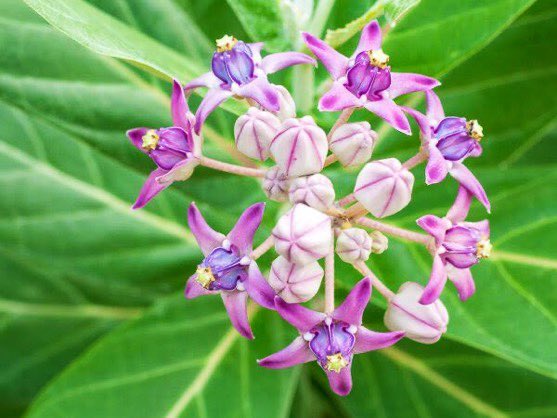
Bhang leaves (Canabis sativa) Dhatura fruits (Datura stromonium), Bel leaves (Aegel marmelos) and Madar flowers (Calatropis procera) are offered to Lord Shiva on Mahashivratri. We used to go and collect them for offerings in our childhood days.
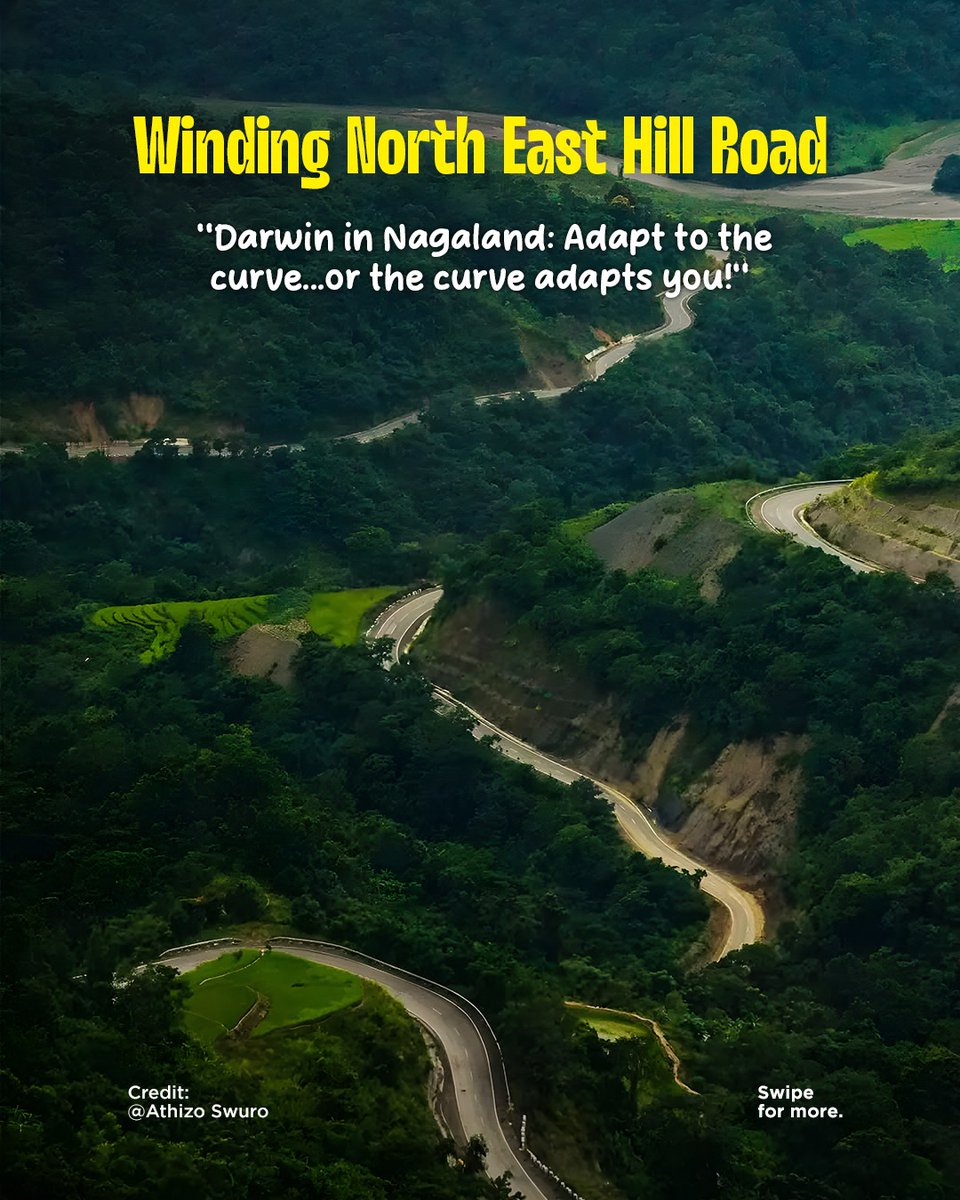
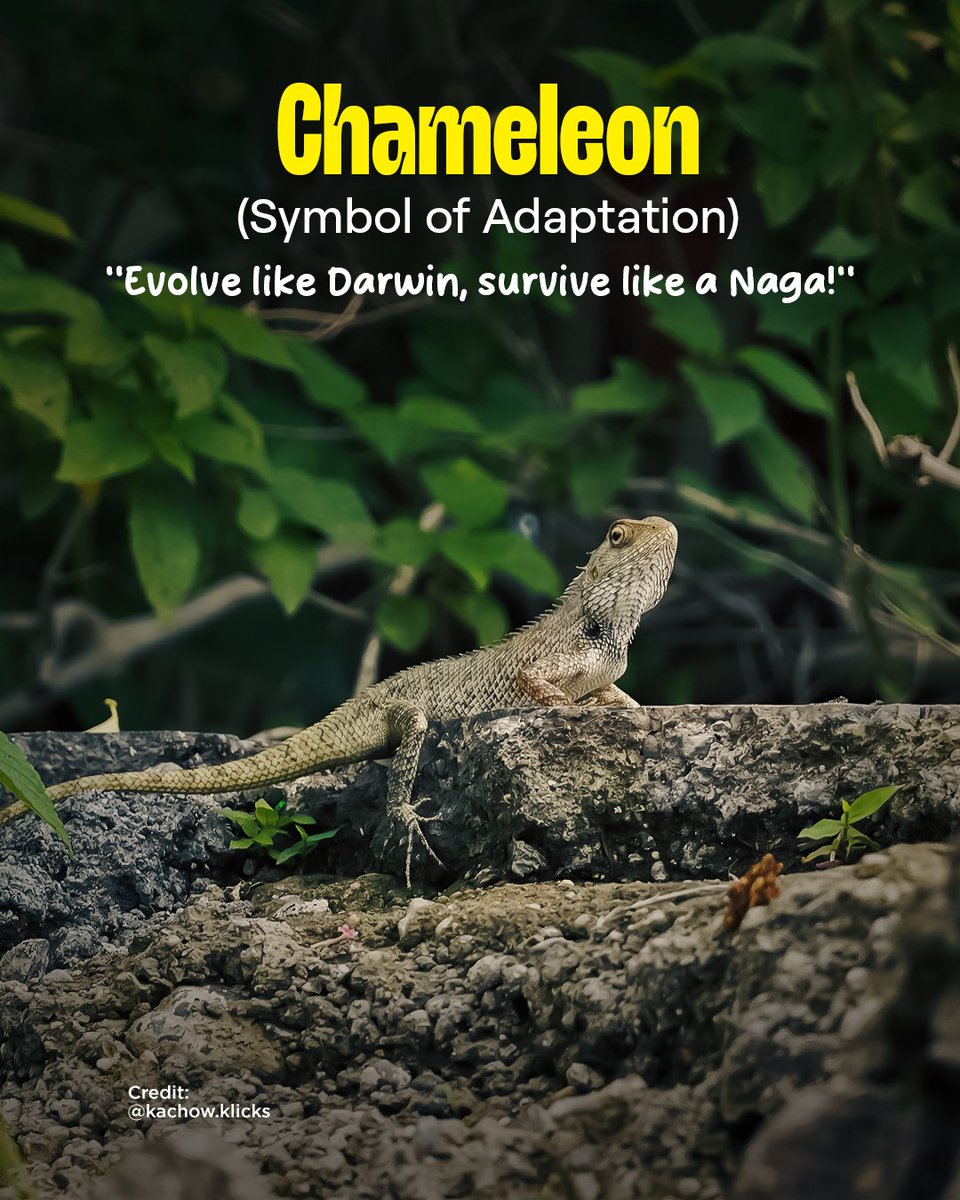
Darwin showed us: survival favors the adaptable, not just the strong.
In forests facing climate shifts, fires and pests, it's the species that adjust fastest that thrive.
Adapt, learn, regenerate- Happy Lincoln & Darwin Day!
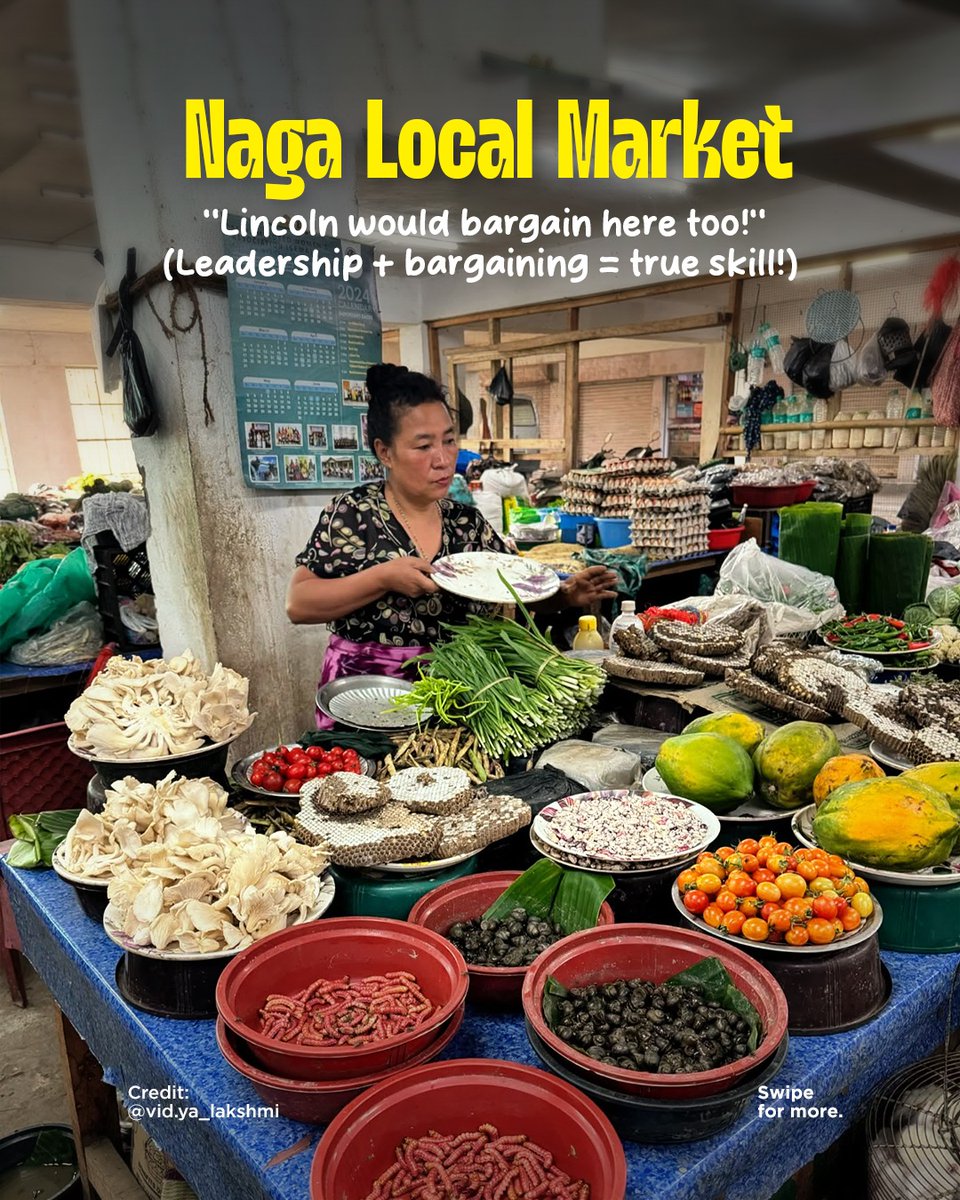
Lincoln × Darwin = Life Lesson Edition
If Lincoln were alive today, he’d probably say, “Don’t believe everything you read on the internet.”
Darwin, meanwhile, already told us, “Only the adaptable survive.”
Which explains modern life perfectly:
👉 Those who adjust to traffic survive
👉 Those who decode Wi-Fi signals evolve
👉 Those who discover the best momo stall become legendary
Whether in politics or biology, one truth wins, Adapt, learn, laugh… and keep moving forward.
Happy Lincoln’s Birthday & Darwin Day!
From DNA 🧬 to better food 🍲 on our plates!
@icarindia & @DBTIndia have been granted a patent by IPO for India’s first 64K SNP DNA chip for grain amaranth (रामदाना ): a powerful tool to develop high-yielding, nutritious & climate-resilient varieties faster.
#Genomics
Uttar Pradesh Tableau: Bundelkhand's Vibrant Culture Comes Alive on Kartavya Path!
Echoes of valor, folk arts, and timeless traditions from the heart of Uttar Pradesh
#RepublicDay2026#RepublicDay