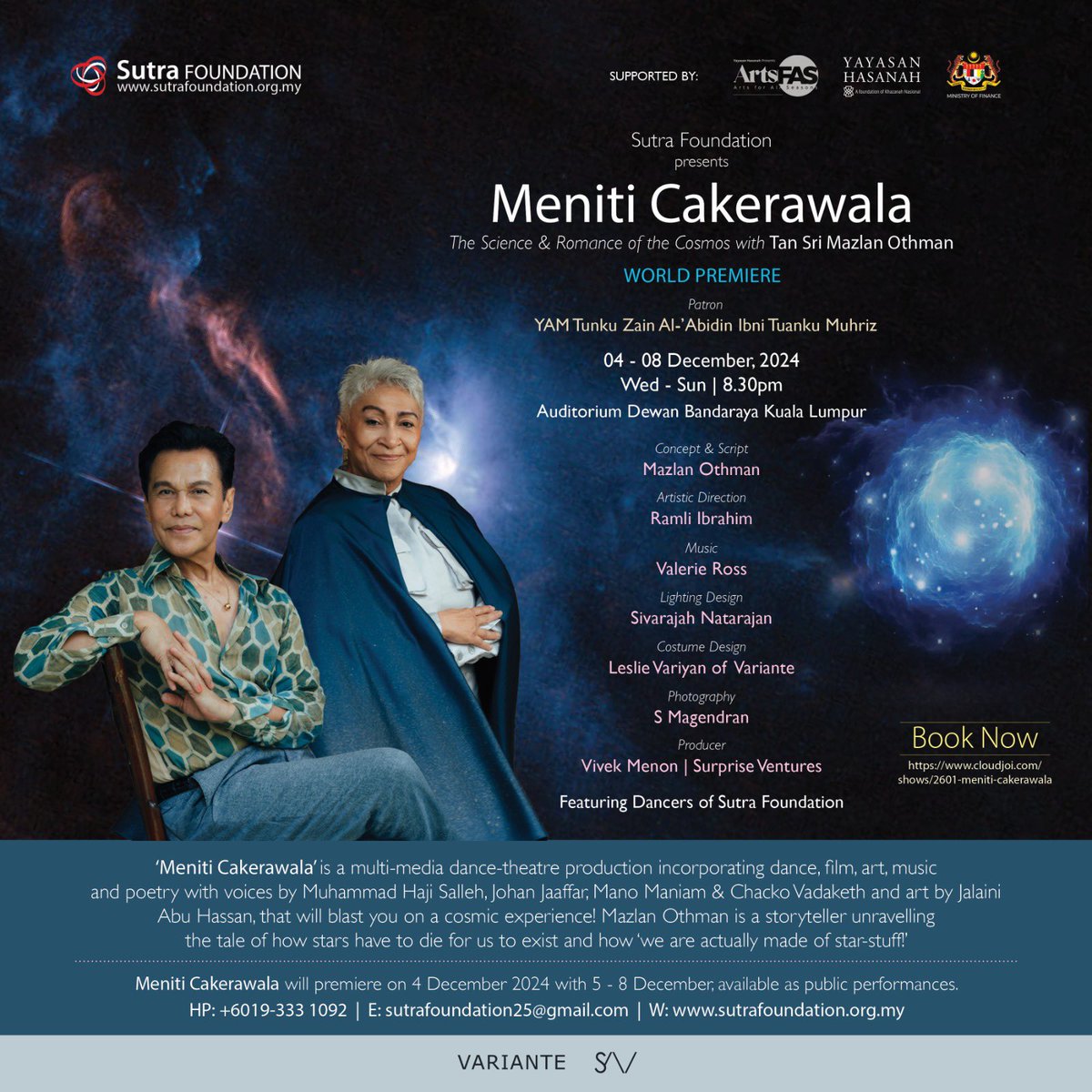
Astrophysicist. Prof Em UKM. Academician, Acad Sc MY. Proj Dir MegaSc 3.0 & Foresight 2050. Fmr DG ANGKASA, DDG UNOV, Dir UNOOSA. Rumoured UN Amb for Aliens.
Renowned M’sian astrophysicist TS Mazlan goes artistic in this collab w trdl dance legend DRamli Ibrahim.
A more unique pairing I have yet to meet!
Tix on sale now. Really wish I cld zoom back just to watch. Reviews are out of this world!
#stars#dance#performance
Remember the "Climate Spiral"? This popular @NASAViz visualization now runs up to 2022 and is available in both degrees Fahrenheit and Celsius. Learn more and download the video here: https://t.co/2iRaWWzu0q
Roscosmos cosmonaut Dmitry Petelin was able to capture on film from the International Space Station the approach of three celestial bodies - Venus, the Moon and Jupiter.
Image credit: Dmitry Petelin/Roskosmos/TASS, ISS/Inside Outer Space screengrab
@Komet123Jager This is the most beautiful depiction of the comet I've seen. Do you mind if I use it in a science documentary I am making which targets the public? I will acknowledge you accordingly. Thanks for considering
Happy #SunDay! It's been a busy week for space weather. There have been 35 solar flares, 47 coronal mass ejections, and no geomagnetic storms. This video from NASA's Solar Dynamics Observatory shows several of these flares and coronal mass ejections shimmering forth from the Sun.
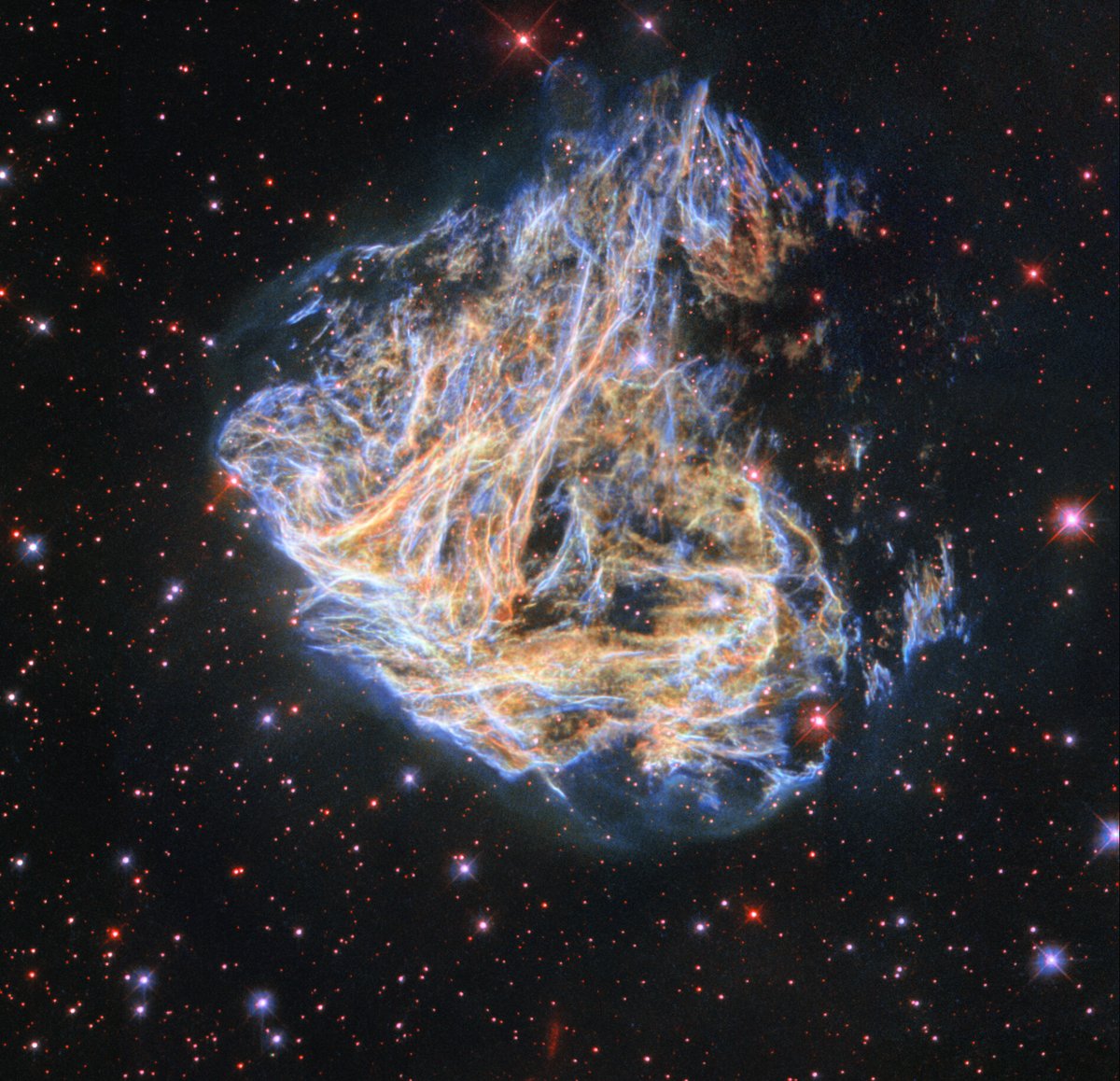
Baby, you're a firework! 🎆 This @NASAHubble image shows supernova remnant DEM L 190. Its delicate sheets and filaments are debris from the death of a star that once lived in the Large Magellanic Cloud, a small satellite galaxy of the Milky Way.
🔗 https://t.co/TAOTlaJiwW
Stars close to the center of our galaxy dance around what appears to be nothing at all, but is actually a black hole with the mass of 4 million Suns. #MondayMotivation
In a section of sky as tiny as a human viewed from a mile away, @NASAWebb observed four of the oldest and most distant galaxies ever seen. They date to less than 400 million years after the big bang, when the universe was only 2% of its current age. https://t.co/DtCBQgAUp5
A composite image from this morning's eclipse showing the moon in various stages throughout the night. The size and shape of Earth's shadow is clearly visible here. These events are absolutely magical to witness and quite surreal.
You’ve no doubt seen this picture of the Pillars of Creation (taken by the Webb telescope), but you probably haven’t thought about the scale.
From one side to the other, you’re looking at the distance between us and Proxima Centauri. Space is rather large!
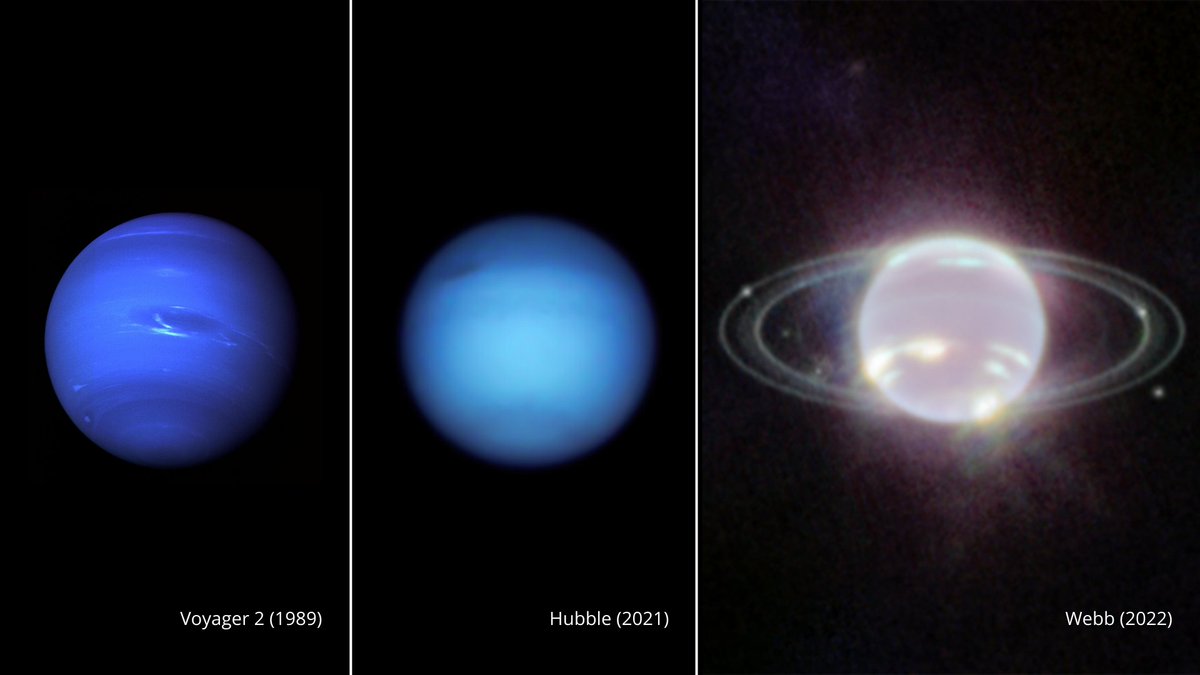
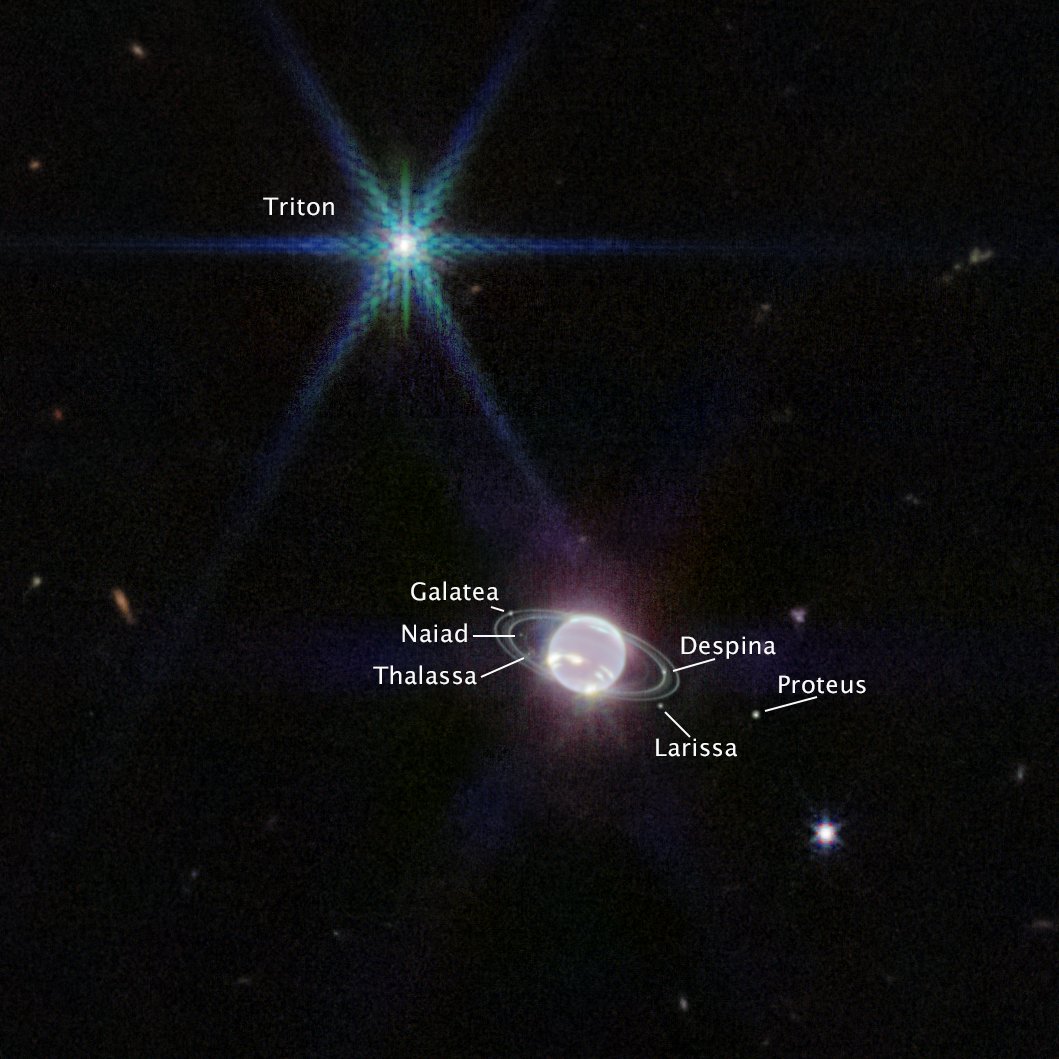
In visible light, Neptune appears blue due to small amounts of methane gas in its atmosphere. Webb’s NIRCam instrument instead observed Neptune at near-infrared wavelengths, so Neptune doesn’t look so blue!
That’s no star. It’s Neptune’s large, unusual moon, Triton! Because Triton is covered in frozen, condensed nitrogen, it reflects 70% of the sunlight that hits it — making it appear very bright to Webb. 6 of Neptune’s other moons (labeled) are also seen here.