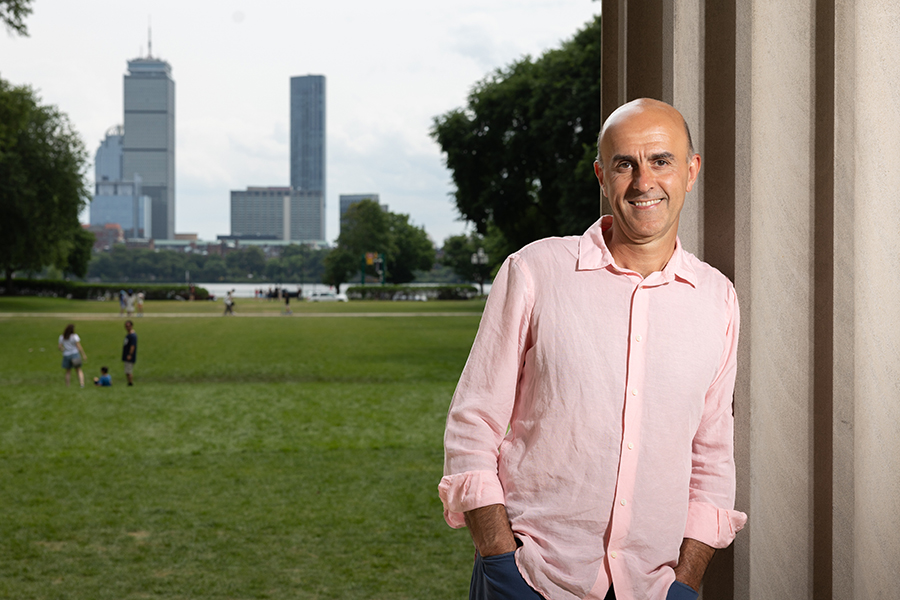
McGovern Investigator Fan Wang has been honored by MIT graduate students as “Committed to Caring,” an annual award that celebrates faculty members who have served as exceptional mentors to PhD students. 🥰 Congrats Prof Wang! @mitbrainandcog@ScienceMIT
https://t.co/YWvD9RUofV
Congrats to @AnnMGraybiel for winning the Review Paper of the Year from the International Parkinson and Movement Disorder Society!
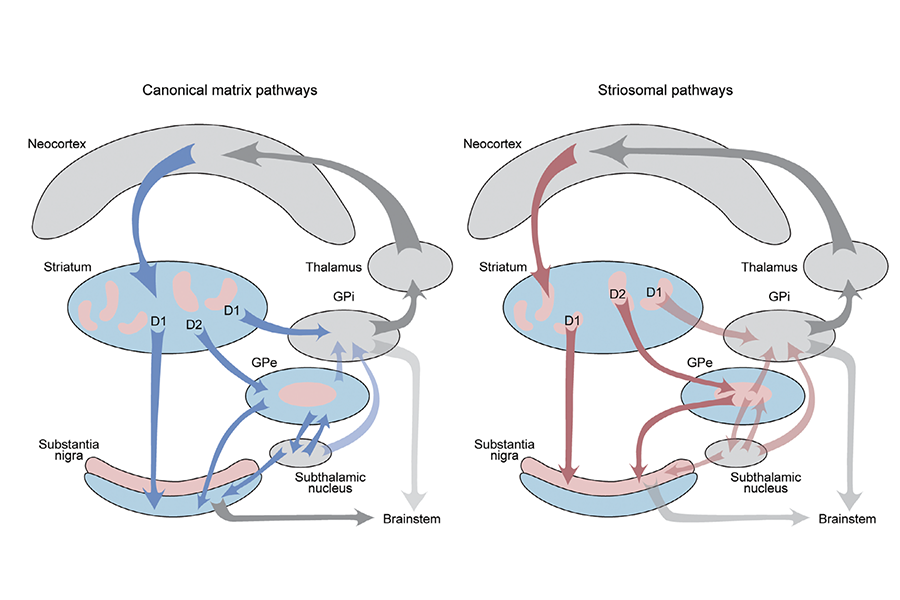
Read the award-winning paper, "Surprises from the Basal Ganglia: Stop and Go Have New Meaning," below:
https://t.co/v4SDNRwMP4 @movedisorder
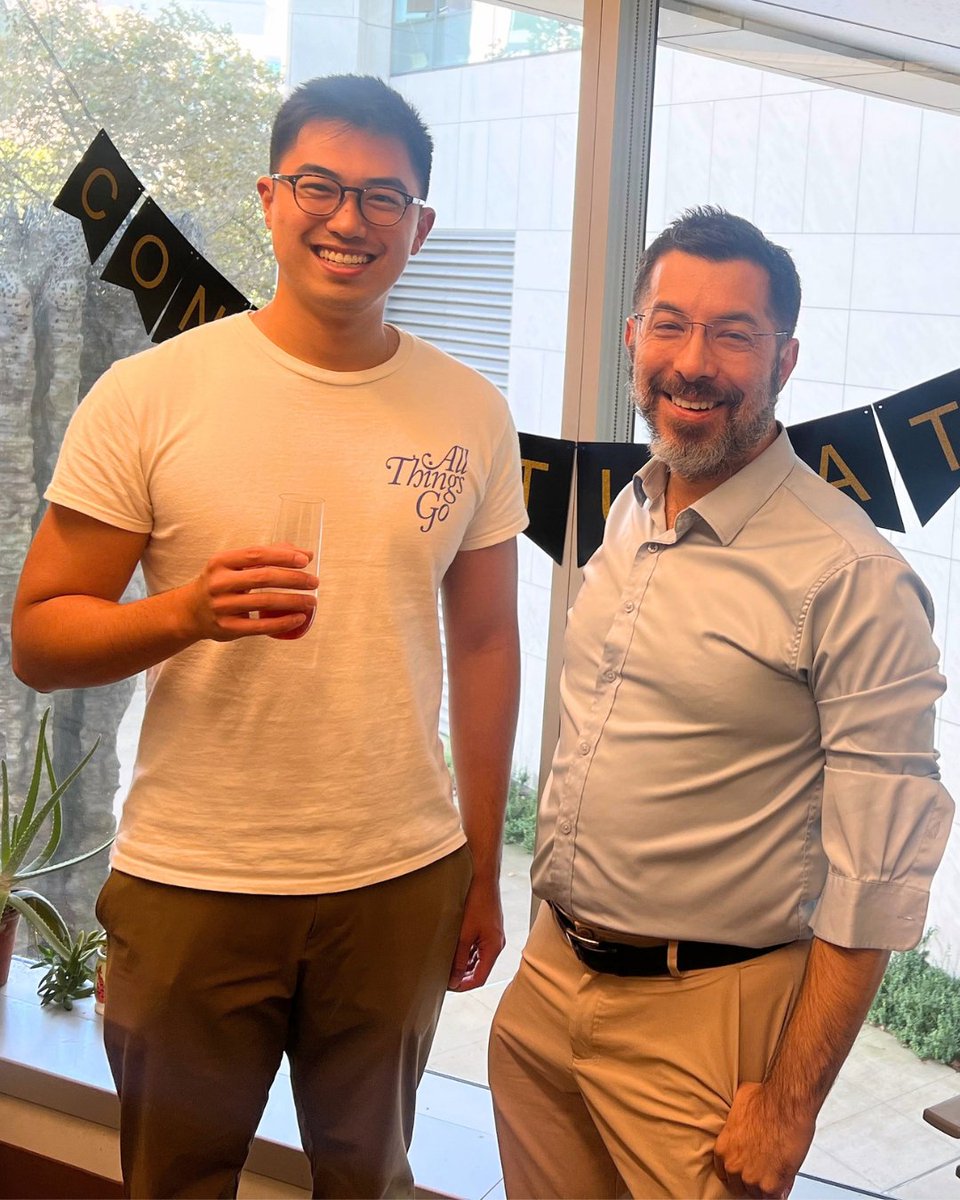
She PHinisheD! Congrats to @fernanda_dltr from @JoshHMcDermott lab for successfully defending her thesis "Evaluating new models of auditory perception and brain response."
She may have broken the record for number of people attending a thesis defense! 🥰
Can one scientific paper change your life? For @MillerLabMIT, it was Moran & Desimone's 1985 study on attention. It drew him to Desimone's lab as a postdoc, and decades later, they're colleagues at MIT. 🧠 @_TheTransmitter@MIT_Picower
https://t.co/0bUudfI9cv
Machine learning networks can learn without detailed instructions from a designer, according to a new study by computational neuroscientists at MIT. Those that do, may offer insight into how the brain reorganizes itself during learning.
https://t.co/QdzLttOlOK
Postdoc opening in my lab to work on NeuroAI approaches to improve prosthetic devices for human hearing. We offer a great training environment and strong mentorship.
Prior expertise in machine learning and signal processing are essential.
Apply here:
https://t.co/e3y0H7jVW5
In Nidhi Seethapathi's lab, researchers are analyzing human movement data from activities like walking, reaching, and grasping using advanced tracking technology. Below: @jillrcrittenden wears movement-tracking sensors that generate her digital avatar (right) in a recent study.
Despite how effortlessly humans move in everyday situations, scientists don't yet fully understand the mathematical principles that govern how our brains and muscles work together to create efficient + adaptive movement. We're trying to solve this mystery.
Congrats to @Shiwei_MW who defended his doctoral thesis on a new imaging technique that makes nanoscale structures on cell surfaces visible. Developed with @eboyden3, the tech could reveal new targets for treating conditions like Alzheimer's.
@mitbrainandcog@broadinstitute
The language processing tool, developed by @danielmlow@childmindinst and @satra_, and evaluated with Crisis Text Line, is described in today's @APA Journal of Psychopathology and Clinical Science. https://t.co/PcGApjnYgz
A new tool developed by MIT researchers can identify suicide warning signs in text conversations with crisis counselors. With further validation, it could help experts better understand who may need urgent support.
https://t.co/CXX245M3mX
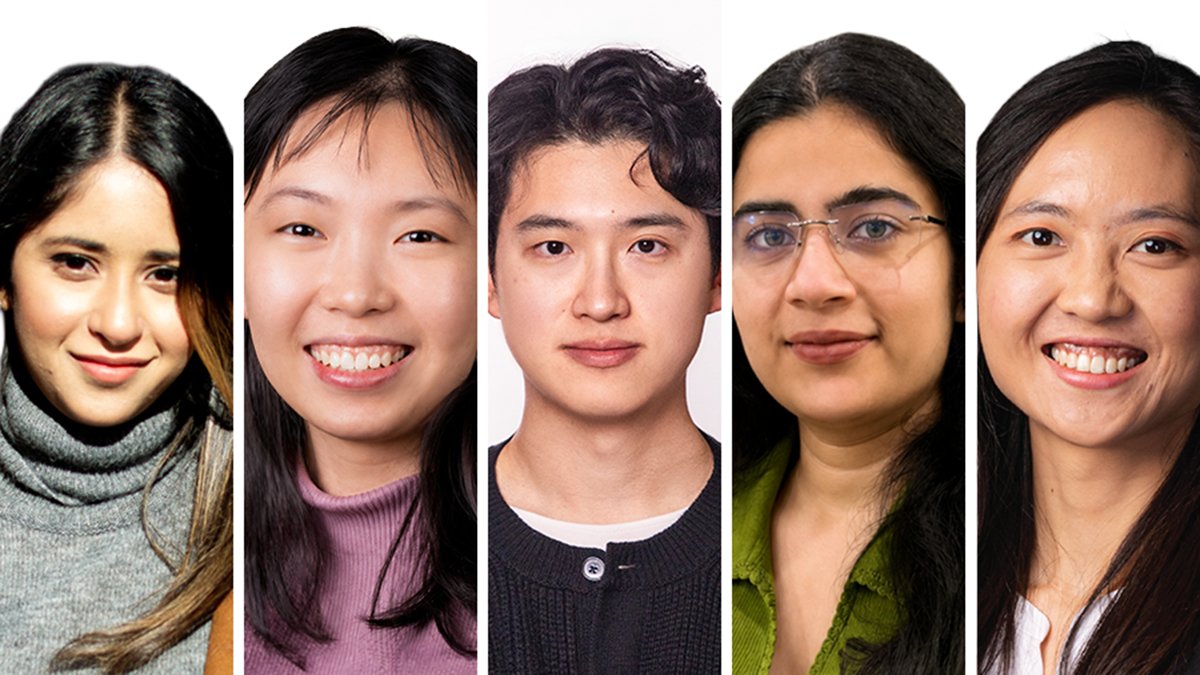
Patricia and James Poitras '63 are fueling the future of mental health research: their $10M gift establishes 50 two-year fellowships for early-career scientists studying major mental illness at the McGovern Institute. Meet the inaugural cohort:
https://t.co/cCldIWYFNy
The McGovern Institute is seeking an exceptional faculty member to pioneer the future of translational neuroscience. Learn more and apply online: https://t.co/b3nEXvDo03
@mitbrainandcog
Register now for our fall symposium!
Decoding Addiction: Breaking New Ground in Research and Clinical Care
Date: Friday, October 23, 2026
Location: Singleton Auditorium (46-3002)
Time: 1:00pm - 5:15pm, reception to follow
https://t.co/AUihhgJ5Y7
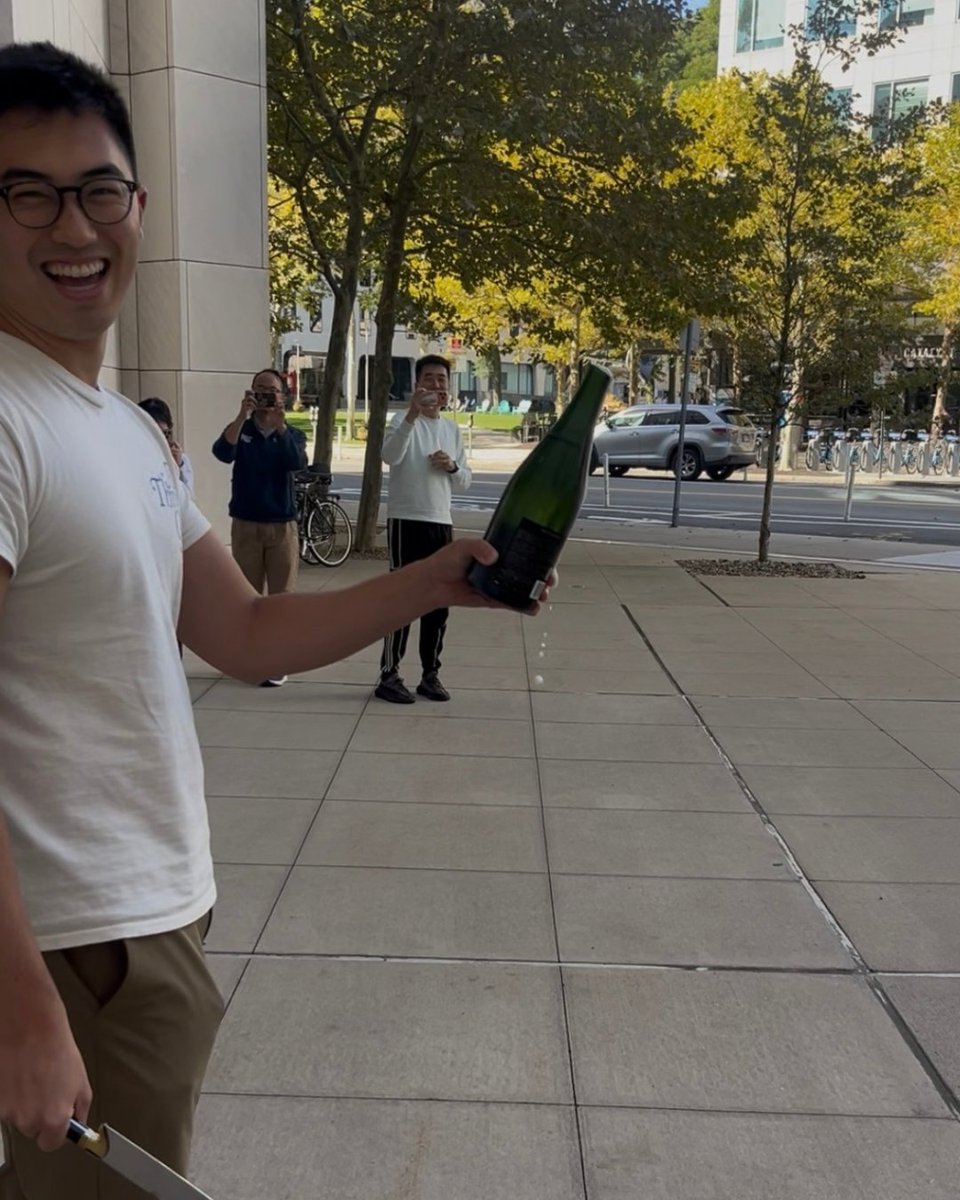
👂Let's HEAR it for @bj_mdn who just successfully defended his doctoral dissertation, "Characterizing and Modeling Auditory Recognition Memory for Natural Sounds." We are so proud of you, Dr. Medina!
@mitbrainandcog@ScienceMIT@MIT_SHASS@wmbr