We have record GDP, record stock prices, record wealth, near record median real wages, etc. So why is sentiment so bad?
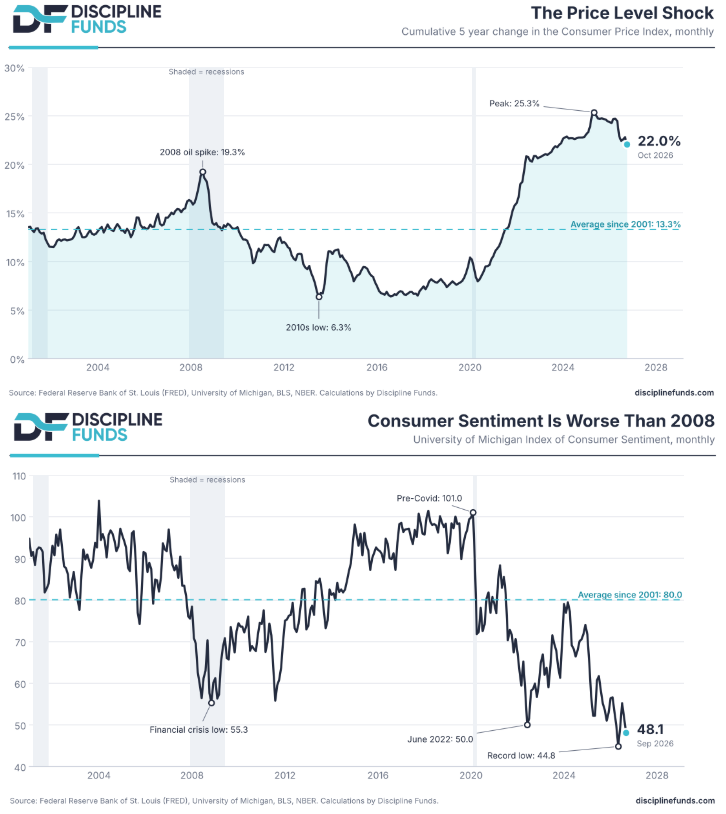
It's mostly what I would call a "price level shock". People view raises as something they earned and price increases as something done to them, so “real incomes are up” doesn’t always register as a positive.
Economists measure inflation as a rate of change (and it's about average now). Consumers feel it as a *cumulative* price shock (and that's near a 30 year high). Gas being at $5 might be a low rate of inflation, but we remember clearly when it was $3. That cumulative effect impacts sentiment.
Check out these charts. It doesn't explain all of sentiment, but it explains a lot of it. When cumulative inflation is low sentiment is good. When it's up sentiment is bad.
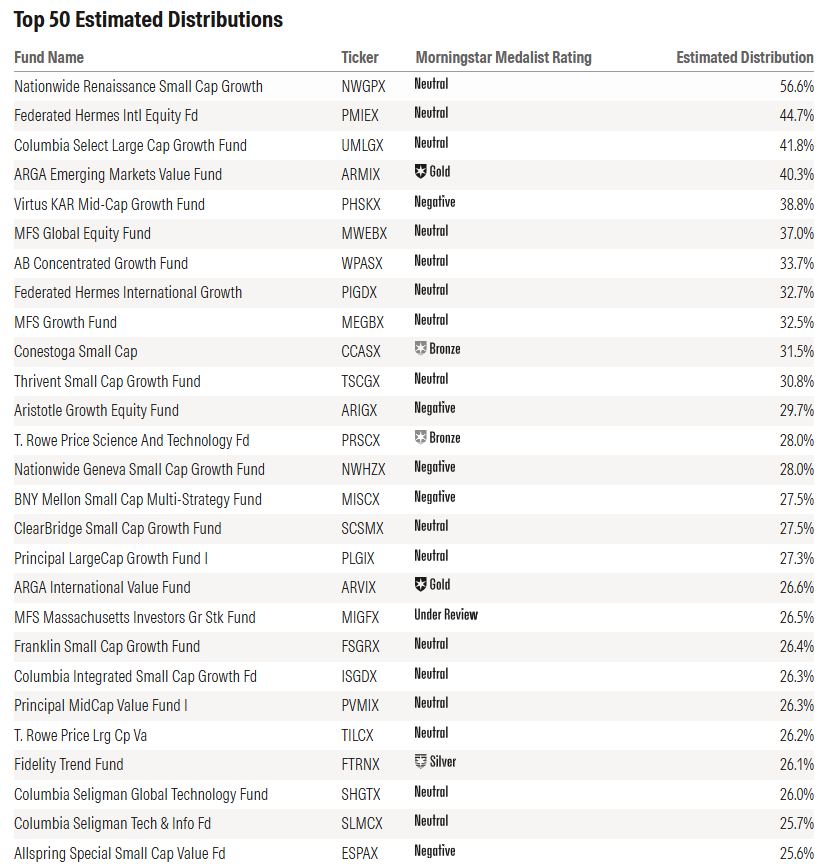
'Tis the season for taxable capital gains distributions.
Morningstar's keeping tabs of mutual funds' estimated distributions (see link to his article in the replies).
Thus far, the 50-largest distributions as a % of fund net assets all clock in >20%.
Investing Quote of the Day: "Financial advice is someone's declaration of faith that what once beat inflation will work again... for sale." - Joseph Moore (@drjoemoore)
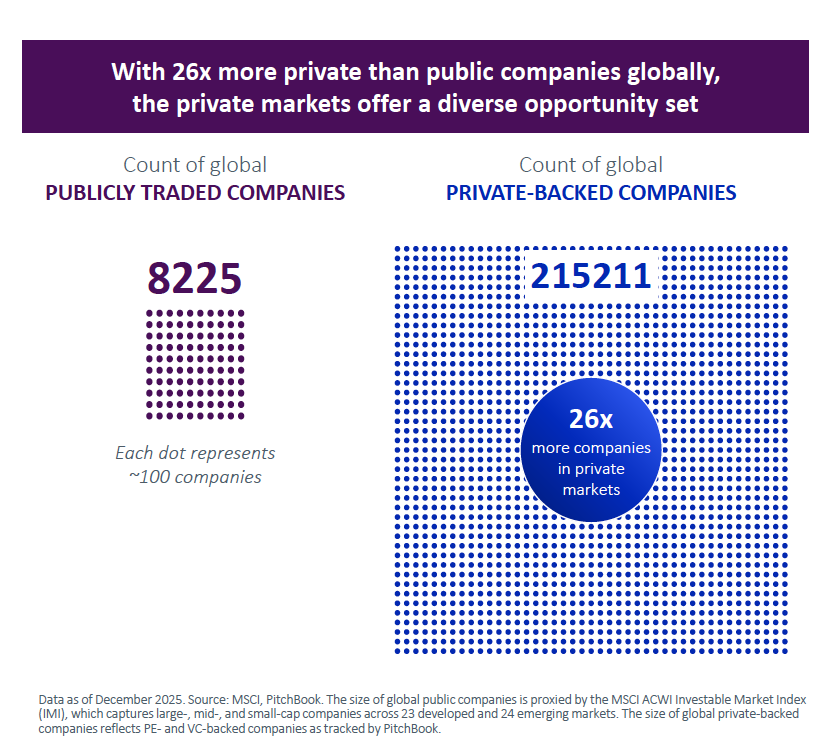
There are lots of bunk arguments for private equity.
But one of the best ones people rarely talk about is that there are simply a lot more companies.
via @KKR_Co
A question worth asking: Is the market quietly rotating into stocks with favorable valuations, quality and shareholder yield characteristics?
For much of the past 15 years, investors were rewarded for owning the largest and often most expensive companies in the market. Strategies focused on cheaper stocks, and on companies returning cash to shareholders through dividends, buybacks and debt paydown, spent long stretches in the shadows.
In any given year, our suite of five shareholder yield ETFs will likely show some dispersion in performance. The funds cover different geographies, sectors, market capitalization sizes and countries: U.S. large caps, broad U.S. equities, U.S. micro and small caps, foreign developed markets and emerging markets.
Below are our shareholder yield ETFs and their year-to-date performance as of October 31, 2026.
Only time will tell. But if your equity exposure is still heavily concentrated in market cap weighted U.S. large caps, this might be a good time to take a look.
Disclaimers and standardized fund performance: https://t.co/DGb6JFGu5w, https://t.co/F58OlxBXoq, https://t.co/oGjbYUQdMb, https://t.co/ixvyLhGqId, https://t.co/L8LaIhunUa
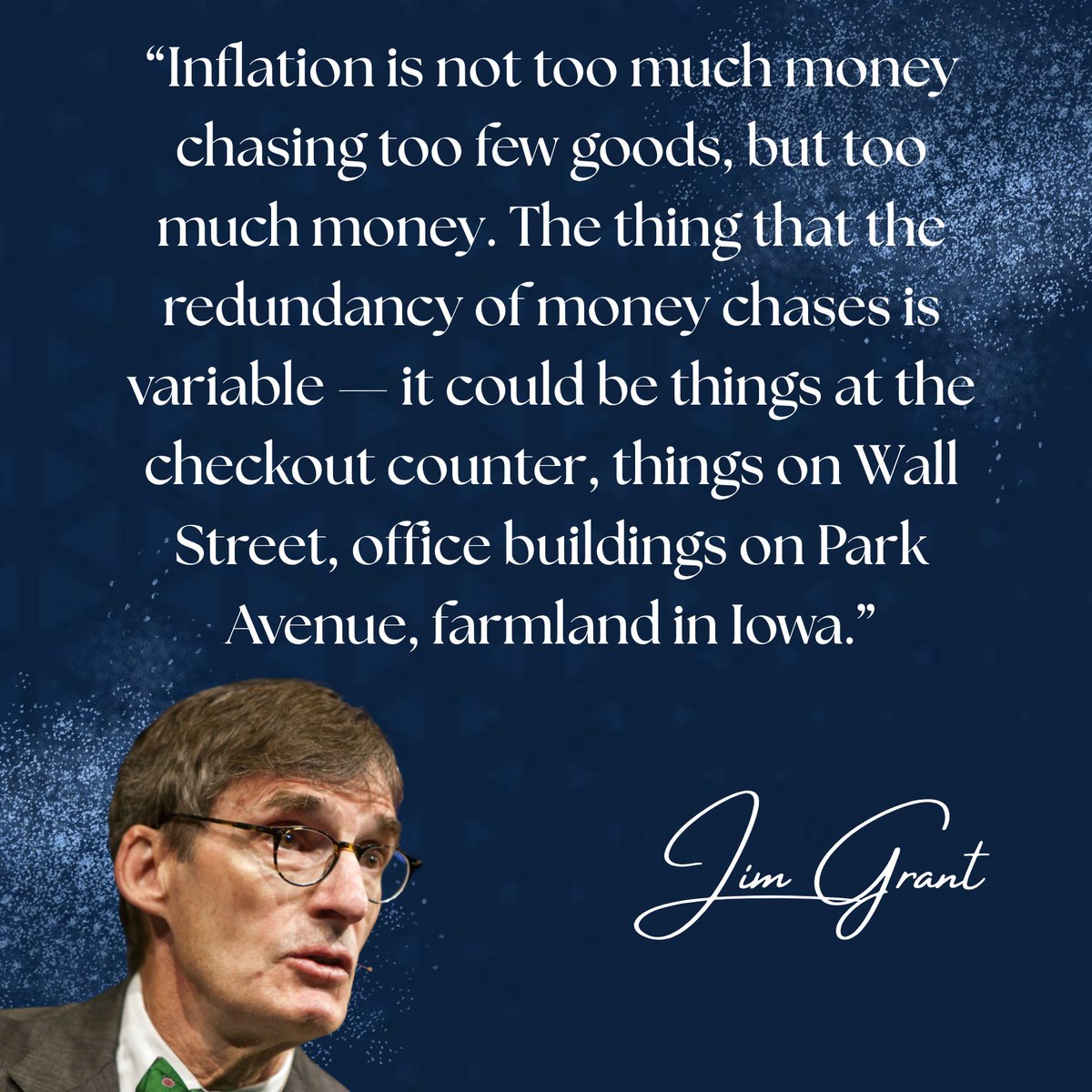
Investing Quote of the Day: "Inflation is not too much money chasing too few goods, but too much money. The thing that the redundancy of money chases is variable — it could be things at the checkout counter, things on Wall Street, office buildings on Park Avenue, farmland in Iowa." - Jim Grant
Scott Galloway says he owned a Tesla, but sold it because of Elon.
"Not before taking a giant dump in the passenger seat. True story."
He's gone from suggesting Elon be executed to telling stories of taking dumps in a car he owned because it was made by Elon's company.
This is a broken, deranged and utterly toxic individual.
So excited to hang with the great @albertedwards99, global strategist at @SocieteGenerale, who has spent 44 years on the sell side. We get into:
• Why the Fed may need 200 basis points of hikes, not two or three
• Why US 10 year yields could reach 10%
• Why the S&P could drop 50 to 60% and trade at 6x forward earnings
• The return of greedflation and how corporates could kill the goose that laid the golden egg
•The total factor productivity chart that reminds him of Thailand and Malaysia in the mid 1990s
• The China credit impulse signal that almost nobody is watching
The billionaire tax would've only affected about 300 people out of about 40 million Californians.
Proponents are always shocked that it didn't pass 99.9% to 0.01%. "Why did you vote against it, it will never affect you?!!"
So why did most citizens vote it down?
They don't trust politicians to spend it well and it feels morally wrong.
It's that simple @gabriel_zucman
(It was also poorly designed, totally unworkable, has never worked anywhere, and probably illegal but skip that for now.)
What if instead we taught kids in public school (starting in elementary through High School) about money and the world changing benefits of capitalism and entrepreneurship?
You could implement an alternative minimum wealth tax (a reasonable federal one) but I instead of giving it to politicians to light on fire, could give directly to @InvestAmerica24 accounts.
We can call it the "Celebrating our Greatest Americans Act"
Start lifting up our greatest scientists and entrepreneurs as the role models and heros they are. Celebrate them instead of demonizing them.
No politician would get behind that because they want the money and power. And that's all this is really about ...politicians think they are better at deciding what to do with your money.
And everyone knows that's not true
https://t.co/6sk2NlWwDa